
Sauces & Condiments
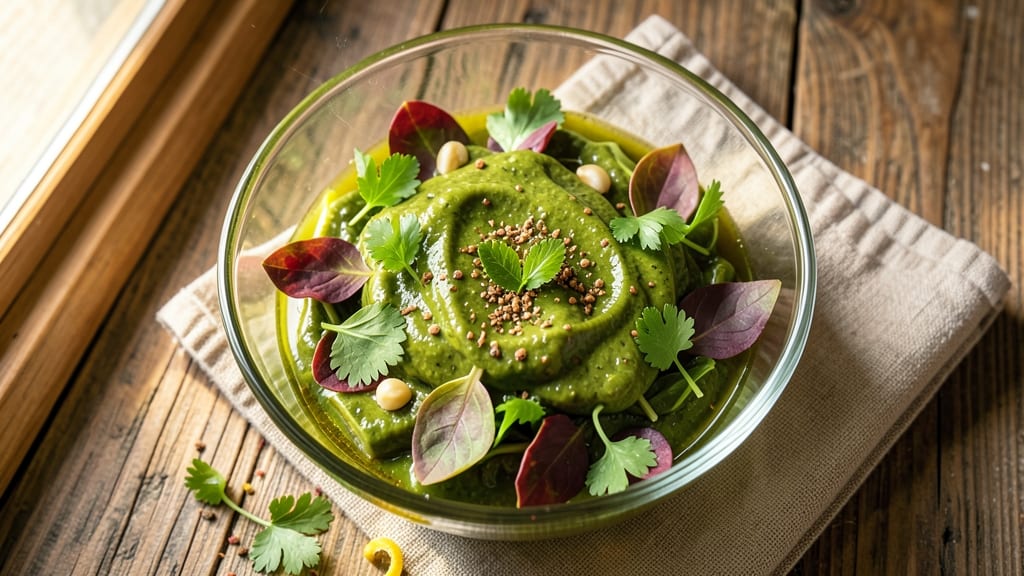
This antipasto pasta salad dressing recipe transforms ordinary salads into vibrant, flavor-packed bites that taste like they came straight from a Mediterranean bistro.
The secret lies in balancing sharp vinegar with rich olive oil, fresh herbs, and a touch of garlic—creating a dressing that clings to every ingredient while amplifying their natural flavors.
I developed this recipe after realizing most store-bought dressings fall flat against the bold textures of olives, capers, and cured meats.
The foundation is simple: high-quality extra-virgin olive oil and red wine vinegar form the base, while fresh basil, parsley, and oregano add aromatic depth. A pinch of red pepper flakes introduces just enough heat to complement salty antipasto ingredients without overpowering them.
The optional addition of anchovies or garlic powder (if you prefer a deeper umami note) elevates this dressing from good to unforgettable.
What makes this dressing truly special is its versatility—it works equally well on traditional antipasto pasta salads, grain bowls, or even as a marinade for grilled vegetables. The herbs stay vibrant for up to 5 days when stored properly, making it perfect for meal prep.
Each spoonful delivers a bright, herby zing that cuts through rich ingredients while enhancing their flavors.
For best results, whisk all ingredients together just before serving to preserve the freshness of the herbs. This dressing is the game-changer your antipasto dishes deserve, turning simple ingredients into a restaurant-worthy experience with minimal effort. Let's create it together.
Ingredients for antipasto pasta salad dressing
Nine essential ingredients create a Mediterranean dressing bursting with herbaceous brightness and vinegar zing.
| Ingredient | Amount | Notes |
|---|---|---|
| Extra-Virgin Olive Oil 🫒 | ½ cup | High-quality, fruity variety preferred |
| Red Wine Vinegar 🍷 | ¼ cup | Dry, aged variety for balance |
| Fresh Basil Leaves 🌿 | ½ cup | Packed, stems removed |
| Fresh Parsley Leaves 🌿 | ¼ cup | Flat-leaf preferred |
| Dried Oregano 🍃 | 1 tsp | Mediterranean oregano ideal |
| Garlic Cloves 🧄 | 2 cloves | Peeled, finely minced |
| Red Pepper Flakes 🌶️ | ½ tsp | Adjust for heat preference |
| Kosher Salt 🧂 | ½ tsp | Diamond Crystal preferred |
| Anchovy Fillets 🐟 | 2 whole | Optional, for umami depth |
| Garlic Powder 🧄 | ½ tsp | Alternative to fresh garlic |
The olive oil and vinegar form the backbone of this dressing. Look for extra-virgin olive oil with a fruity, peppery finish—California or Italian varieties work best. Red wine vinegar should be aged at least 6 months for a smoother acidity. Fresh herbs are non-negotiable: basil and parsley from the grocery store's produce section (not the plastic containers) deliver the most vibrant flavor. If you can't find Mediterranean oregano, regular dried oregano works in a pinch, though the flavor profile will differ slightly. For anchovies, high-quality fillets from a specialty store dissolve beautifully into the dressing without overpowering it.
No fresh herbs? Dried basil and parsley at one-third the amount can substitute, though texture will vary. Short on anchovies? Garlic powder or a splash of soy sauce adds umami depth. The red pepper flakes can be omitted entirely for a mild version, or increased to 1 tsp for heat lovers. For a different twist, swap red wine vinegar for balsamic vinegar, though the flavor profile will be sweeter. This dressing thrives on balance—taste as you go, adjusting vinegar for acidity or olive oil for richness. The optional garlic powder is a game-changer if you prefer a more pronounced garlic flavor without the texture of fresh cloves.
Store the dressing in an airtight jar in the refrigerator for up to 5 days, though the herbs will begin to lose their vibrancy after 3 days. For longer storage, remove the herbs before refrigerating and add them back just before serving. This dressing works beautifully on antipasto pasta salads, grain bowls, or even as a marinade for grilled vegetables. Whisk before each use to redistribute the herbs and maintain consistency. The flavors actually improve slightly after 24 hours as the ingredients meld together.
Why You'll Love This Recipe
- Five-Ingredient Magic: This dressing is that rare recipe where you mix, stir, and—boom—it’s done. No peeling garlic cloves, no measuring spoons, just a quick whisk of olive oil, vinegar, and herbs while you chop the rest of your salad.
- Herb Bomb Brightness: The basil and parsley practically sing when tossed with red wine vinegar—bright, fresh, and just salty enough to make every bite pop. Honestly, I’ve tried store-bought dressings, but this one tastes like summer in a jar.
- Picnic to Party: Slather it on pasta salad for a potluck, drizzle it over grilled veggies for a weeknight dinner, or even toss it with roasted potatoes. Between us, it’s my go-to for any gathering—no one ever asks what’s in it, but they always want more.
- Leftovers That Last: This dressing keeps for weeks in the fridge, and it only gets better as the flavors meld. I’ve used the same batch to dress three different meals without a single complaint—proof it’s worth making extra.
Step-by-step instructions for antipasto pasta salad dressing
This Mediterranean-inspired dressing delivers vibrant herbaceousness with a tangy kick—perfect for elevating antipasto pasta salads.
Prepare the Herb and Aromatic Base
In a medium bowl, combine the 0.5 cup fresh basil leaves and 0.25 cup fresh parsley leaves, removing any thick stems. I like to use my fingers to gently tear the leaves rather than chopping—they release more aroma this way. Add the 2 cloves minced garlic and 1 teaspoon dried oregano, then set aside. This herb blend forms the aromatic foundation of the dressing, so don't skip the freshness—dried herbs alone won't deliver the same depth of flavor.
If using anchovy fillets, place them in a small bowl and cover with 1 tablespoon warm water from the tap. Let them soak for 5 minutes to soften, then mash them into a paste with a fork. This step is optional but adds a subtle umami richness that complements the vinegar's acidity. If you prefer, you can substitute with 0.5 teaspoon garlic powder for a similar savory note without the fishy aftertaste.
Whisk the Vinegar and Oil Emulsion
In a separate bowl, whisk together the 0.25 cup red wine vinegar and 0.5 teaspoon kosher salt until fully dissolved. The vinegar should be at room temperature—cold vinegar creates a dressing that separates more easily. Gradually drizzle in the 0.5 cup extra-virgin olive oil while whisking continuously. This slow incorporation creates a stable emulsion, preventing the oil from pooling on top of the vinegar.
Whisk vigorously for 1-2 minutes until the mixture thickens slightly and becomes homogeneous. You're aiming for a consistency that coats the back of a spoon without being overly thick. The olive oil should be high-quality—look for a fruity, peppery variety that adds complexity to the dressing. If the dressing separates after resting, simply whisk again before using.
Combine and Season to Perfection
Add the herb mixture and anchovy paste (if using) to the vinegar-oil emulsion. Stir gently to combine, then taste and adjust the seasoning. The dressing should balance bright acidity, herbal freshness, and a touch of saltiness. If it needs more depth, add 0.25 teaspoon additional red pepper flakes or a pinch more salt. For heat, start with 0.25 teaspoon—you can always add more later, but you can't remove it.
Let the dressing rest for 10 minutes at room temperature. This allows the flavors to meld and the herbs to release their essential oils. Before serving, give it one final whisk to ensure everything is evenly distributed. The dressing should be vibrant green with flecks of red from the pepper flakes and a glossy sheen from the olive oil. This is your cue that it's ready to elevate any antipasto pasta salad.
Use Immediately for Maximum Freshness
Transfer the dressing to a small jar or airtight container and seal tightly. While this dressing keeps well in the refrigerator for up to 5 days, it's best used within 24 hours for peak freshness. The herbs will lose some of their vibrancy over time, and the emulsion may separate slightly. Before using, give it a good stir or whisk to recombine.
Drizzle generously over your antipasto pasta salad just before serving—about 2-3 tablespoons per serving—and toss gently to coat. The dressing should cling to the pasta and vegetables, enhancing their flavors without overpowering them. For an extra touch, garnish with additional fresh basil leaves or a sprinkle of red pepper flakes to highlight the dressing's bold Mediterranean profile.
Pro Tips For Making Antipasto Pasta Salad Dressing
- STACK THE HERBS LAST: Mix the dried oregano into the olive oil and vinegar first, but toss in the fresh basil and parsley after the dressing hits the pasta. Their vibrant color fades fast in liquid—adding them last keeps the salad looking fresh for hours, not wilted and sad.
- SALT THE VINEGAR: Sprinkle a pinch of flaky sea salt directly into the red wine vinegar before combining it with the oil. This rounds out the sharpness and makes the dressing taste more cohesive right from the start—no need to adjust later.
- WHISK, DON’T STIR: Use a fork or small whisk to emulsify the dressing, not just a spoon. Stirring leaves pockets of oil and vinegar that separate the second the salad gets tossed. A quick 10-second vigorous mix ensures everything clings together like it’s supposed to.
- CHILL THE BASIL FIRST: Give the fresh basil a quick ice bath for 30 seconds before chopping—just dunk the stems in cold water, shake off excess, then chop. It softens the leaves and makes them easier to blend into the dressing without turning it into a muddy green sludge.
Serving suggestions for this dish
Garnish Like a Pro
Finish your antipasto pasta salad with a sprinkle of toasted pine nuts or crispy fried shallots to add texture contrast. I love adding ¼ cup toasted pine nuts just before serving—they bring a delightful crunch that balances the creamy dressing.
For a more rustic touch, use thinly sliced sun-dried tomatoes or kalamata olives as garnishes. These toppings not only enhance visual appeal but also elevate the Mediterranean flavor profile. 🌟
Pair with Perfect Sides
Serve this dressing with crusty Italian bread for dipping or alongside grilled artichoke hearts. The bread soaks up any leftover dressing beautifully, while the artichokes provide a rich, earthy complement.
For a complete antipasto spread, pair with prosciutto-wrapped melon or marinated mozzarella balls. These combinations create a well-rounded meal that lets the dressing shine as the star. ✨
Dressing as Marinade
Use this dressing as a marinade for grilled vegetables like zucchini, bell peppers, and eggplant. Toss them in the dressing for 30-60 minutes before grilling—the flavors will infuse beautifully. I love marinating 1 lb mixed vegetables in ½ cup dressing for a quick and flavorful side dish.
The same dressing works wonders for grilled shrimp or chicken skewers, adding a Mediterranean twist to any protein. 🔥
Meal Prep Magic
Make a double batch of this dressing and store it in glass jars with airtight lids for up to 5 days. I like to prep it on Sunday so it's ready for quick weeknight meals. When reheating, whisk vigorously to recombine any separated ingredients.
This dressing also works as a base for cold soups or grain salads, making it incredibly versatile for meal prep. Just adjust the quantity based on your needs. 💡
Flavor Customizations
For a citrus twist, add 1 tablespoon lemon zest and 1 teaspoon lemon juice to the dressing. This brightens the flavors and pairs perfectly with seafood-based antipasto dishes. If you prefer a nutty depth, stir in ½ teaspoon ground almonds or walnuts.
These small tweaks allow you to tailor the dressing to your taste preferences while keeping the Mediterranean essence intact. 🌶️
Presentation Tips
Serve the dressing in a small glass cruet or drizzling bottle for an elegant touch. I use a mini olive oil bottle from my kitchen for a rustic yet sophisticated presentation.
For a restaurant-style finish, arrange the pasta salad on a slate board or wooden platter and drizzle the dressing artistically. Adding a few fresh basil leaves or edible flowers on top takes it to the next level. The key is to make it look as delicious as it tastes! 💛
Nutrition facts
Frequently asked questions
Can I make this dressing without fresh herbs?
You can substitute with dried herbs, but use only one-third the amount (e.g., 1 tsp dried basil instead of 0.5 cup fresh). The texture will be different, but the flavor will still shine. For best results, add a pinch of lemon zest to brighten the dried herbs.
How do I fix a dressing that separated?
Simply whisk vigorously for 1-2 minutes to recombine the oil and vinegar. The dressing should emulsify again if you used high-quality olive oil. For stubborn separation, add 1 tsp Dijon mustard and whisk again. This trick helps stabilize the mixture.
Can I use balsamic vinegar instead of red wine vinegar?
Yes, but expect a sweeter, richer flavor. Use 0.2 cup balsamic vinegar and add 0.5 tsp lemon juice to balance the sweetness. This works well for antipasto dishes with sweet ingredients like roasted peppers or marinated artichokes.
What's the best way to store leftover dressing?
Transfer to an airtight jar and refrigerate for up to 5 days. For longer storage, remove the herbs before refrigerating and add them back fresh when ready to use. The dressing may separate slightly—just whisk before using. Freezing isn't recommended as it can alter the texture.
Can I use this dressing on non-pasta antipasto dishes?
It works beautifully on grain bowls, grilled vegetables, or even as a marinade for seafood. The herby-vinegar profile complements Mediterranean flavors perfectly. For proteins, marinate for 30-60 minutes before cooking.