
Sauces & Condiments
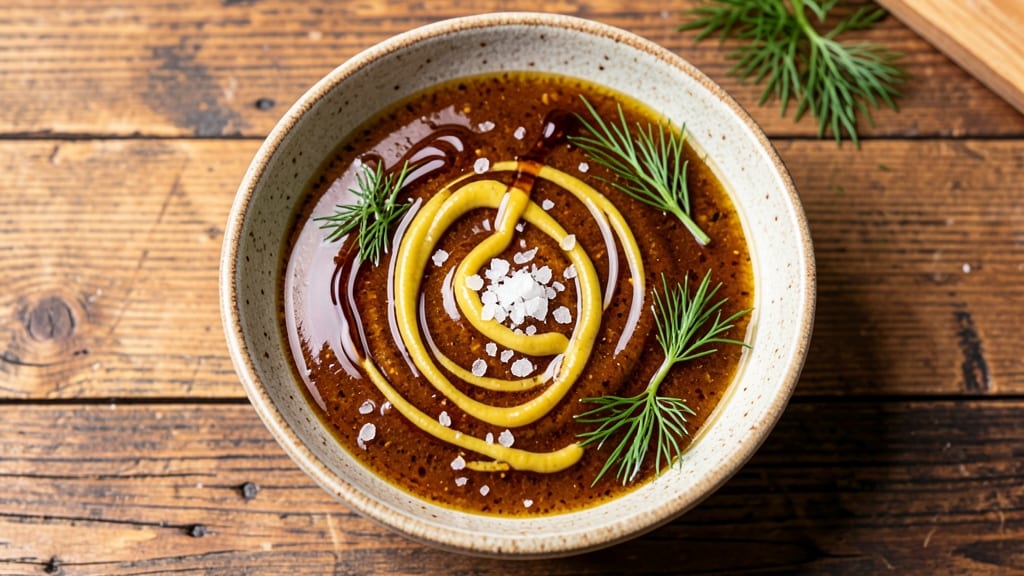
This apple cider vinegar and oil salad dressing recipe transforms simple ingredients into a tangy, bright dressing that elevates every bite. The perfect balance of sharp vinegar and smooth oil creates a versatile sauce that clings beautifully to greens, grains, and roasted vegetables—without overpowering delicate flavors.
I developed this recipe after years of testing store-bought options, always searching for something cleaner, more customizable, and packed with real flavor.
The magic lies in the emulsification process, where the acidity of the vinegar and the richness of the oil combine seamlessly.
You’ll need just five core ingredients—apple cider vinegar, high-quality olive oil, Dijon mustard (for stability), and a touch of sweetener like honey or maple syrup to round out the sharpness. Optional herbs like fresh dill or basil add freshness, while a pinch of salt enhances depth.
This dressing stays fresh for up to two weeks in the fridge, making it a pantry staple.
What you’ll end up with is a bright, tangy dressing that cuts through rich ingredients while enhancing their natural flavors. Drizzle it over mixed greens, toss it with roasted Brussels sprouts, or use it as a marinade for grilled chicken.
The possibilities are endless, and the best part? It takes just minutes to make. Whether you’re prepping for meal prep or adding a finishing touch to a restaurant-quality dish, this dressing delivers restaurant-worthy results at home.
For extra versatility, adjust the sweetness or acidity to suit your taste—more vinegar for tang, a drizzle of honey for sweetness, or a splash of citrus for brightness. The key is balancing the flavors so each component shines without competing.
Once you master this base, you can experiment with endless variations, from creamy herb-infused dressings to bold, spicy twists. Let’s get started!
Ingredients for apple cider vinegar and oil salad dressing
Five core ingredients transform into a restaurant-quality dressing that brightens every bite.
| Ingredient | Amount | Notes |
|---|---|---|
| Apple Cider Vinegar 🍎 | ½ cup | Raw, unfiltered for depth |
| Extra-Virgin Olive Oil 🫒 | ¾ cup | Light or fruity variety |
| Dijon Mustard 🍯 | 1 tbsp | For emulsification stability |
| Pure Maple Syrup 🍁 | 1 tbsp | Grade A for smooth sweetness |
| Sea Salt 🧂 | ½ tsp | Fine grain preferred |
| Fresh Dill 🌿 | ¼ cup | Chopped, stems removed |
| Garlic Cloves 🧄 | 1 whole | Minced for subtle flavor |
| Lemon Juice 🍋 | 1 tbsp | Freshly squeezed |
The apple cider vinegar is the heart of this dressing—Bragg's raw, unfiltered is my go-to for that rich, tangy depth. If you're using store-bought, check the label for 'raw' or 'unpasteurized' to ensure you're getting that complex flavor. The olive oil matters just as much; California Avocado or Colavita light varieties work perfectly for a balanced dressing. Dijon mustard is non-negotiable here—it's what helps the oil and vinegar emulsify properly. I always grab the Maille brand from the international aisle at Whole Foods—it's worth the slight splurge for that smooth, consistent texture. Fresh dill adds brightness, but if you're out, dried dill at one-third the amount works in a pinch.
No maple syrup? Agave nectar or honey (if not vegan) both work beautifully—just adjust to taste. The garlic can be omitted if you're sensitive to its flavor, but I find it adds a subtle complexity that rounds out the dressing. For extra tang, add another tablespoon of vinegar, or for sweetness, increase the maple syrup. Want to make this creamy? Blend in 1/4 cup silken tofu or cashews for a velvety texture. The lemon juice is optional but adds a fresh pop—organic Meyer lemons from Trader Joe's are my favorite for that perfect balance of sweet and tart.
This dressing keeps beautifully in the fridge for up to 2 weeks if stored in an airtight jar. To prevent the oil from separating, give it a quick shake before each use. For extra shelf life, add a thin layer of olive oil on top before sealing. I like to make a big batch on Sundays so I have it ready for the week—perfect for meal prep! If you find yourself with leftovers after two weeks, simply strain out any sediment and use it as a marinade for grilled veggies or tofu.
Why You'll Love This Recipe
- Five-Ingredient Magic: I swear by this combo—just shake, taste, adjust. No fancy gadgets, no measuring cups (unless you’re picky), and honestly? It’s the dressing I reach for when I’ve got three things in the fridge and no plan.
- Sweet-Tart Balance: That maple syrup isn’t just for flavor—it’s the secret. The vinegar’s tang meets the oil’s richness, but the syrup softens it into something smooth and unexpected. (Yes, even my kid who hates salad asks for it.)
- Weeknight Superstar: It’s my go-to when I’m prepping meals for the week. Drizzle it on greens, toss it with roasted veggies, or even use it as a marinade. One bottle lasts forever, and I’m always finding new ways to use it up.
- Budget-Friendly Staple: Extra-virgin olive oil and apple cider vinegar are pantry basics, but this dressing feels like a splurge. A little goes a long way, and I’ve never once regretted not buying the overpriced store version. Plus, the salt and mustard? Already in my spice rack.
Step-by-step instructions for apple cider vinegar dressing
This dressing comes together in minutes with simple techniques that guarantee a perfect emulsion every time.
Whisk Together the Liquid Base
In a medium bowl, combine the 0.5 cup apple cider vinegar and 1 tablespoon lemon juice. I like to use a wire whisk for this step—it creates a gentle vortex that helps incorporate air for better emulsification later. The vinegar should be raw and unfiltered for that authentic depth of flavor, and the lemon juice adds a bright citrus note that balances the tang.
Next, add the 0.75 cup extra-virgin olive oil and the 1 tablespoon pure maple syrup. Give everything a quick whisk to break up the oil into the vinegar mixture. You'll notice the oil separates immediately—that's normal at this stage. The maple syrup here isn't just for sweetness; it helps stabilize the emulsion by reducing surface tension between the oil and vinegar.
Incorporate the Emulsifiers and Aromatics
Add the 1 tablespoon Dijon mustard and 0.5 teaspoon sea salt to the bowl. The Dijon mustard is our secret weapon for creating a stable emulsion—its natural thickening properties bind the oil and vinegar together beautifully. Whisk vigorously for about 1 minute until the mixture begins to thicken slightly and the oil starts to incorporate more evenly.
Now add the 1 whole minced garlic cloves and 0.25 cup chopped fresh dill. The garlic should be finely minced so it distributes evenly without clumping. Whisk everything together for another 30 seconds to fully integrate the herbs and garlic into the dressing. Here's the thing—don't rush this step. The garlic needs time to meld with the other flavors, and the dill should be fully dispersed for that fresh, herby brightness in every bite.
Emulsify Until Silky Smooth
This is where the magic happens. Using your whisk, pour the dressing into a clean jar and seal it tightly. Shake vigorously for about 30 seconds, then give it a good stir with a spoon. The key here is persistence—the dressing will look broken at first, but keep shaking in 5-second bursts every 30 seconds for about 2 minutes total. You're looking for that moment when the dressing becomes uniformly creamy and glossy, with no visible oil separation.
If you're still seeing separation after 2 minutes, don't worry—just whisk it again for another 30 seconds. The Dijon mustard and maple syrup work together to create a stable emulsion, but sometimes it takes a little coaxing. The finished dressing should coat the back of a spoon smoothly and have a velvety texture that's neither too thick nor too thin.
Rest and Adjust Seasoning
Let the dressing sit at room temperature for 10-15 minutes before using. This resting period allows the flavors to fully meld together and the emulsion to stabilize completely. After resting, give it one final taste and adjust the seasoning if needed. You might need a tiny pinch more salt or a splash more lemon juice to hit that perfect balance of tangy, sweet, and herby flavors.
This dressing keeps beautifully in the refrigerator for up to 2 weeks, so you can make a big batch and have it ready for quick salads all season long. The flavors actually improve over time as the herbs infuse deeper into the oil and vinegar base. Just give it a good shake before each use to re-emulsify any separation that might occur during storage.
Pro Tips For Making Apple Cider Vinegar And Oil Salad Dressing
- Whisk in Stages: Start by mixing the apple cider vinegar, Dijon mustard, and maple syrup—this keeps the mustard from clumping when you add the oil later. Only pour in the olive oil after the dry ingredients are fully combined, then whisk like you’re trying to dissolve a stubborn stain. (Yes, it’s tedious, but skipping this step turns your dressing into a greasy sludge.)
- Use Cold Oil: Chill the extra-virgin olive oil in the fridge for 10 minutes before adding it to the mixture. Cold oil emulsifies better and won’t separate as quickly—no one wants to shake their salad like a snow globe. (I learned this the hard way after a dressing split halfway through the week.)
- Salt the Mustard: Taste the Dijon mustard before mixing—it’s often pre-salted, and you’ll end up overdoing it if you don’t. A pinch of sea salt here ensures your dressing isn’t bland or harsh. (My first batch tasted like a pickle factory explosion because I ignored this.)
- Store with a Spoon: Fill a clean jar, then drop a spoon in before sealing. The spoon creates an air pocket that prevents the oil from oxidizing and turning rancid faster. (This isn’t just lazy—it’s science, and your next salad will thank you.)
Health benefits of this apple cider vinegar and oil salad dressing
Digestive Health
Apple cider vinegar is a digestive powerhouse, thanks to its acetic acid content which helps stimulate stomach acid production. This can aid digestion, reduce bloating, and improve nutrient absorption—especially after heavy meals.
The 0.5 cup raw apple cider vinegar in this dressing provides about 5% of your daily fiber needs too, supporting gut health. I notice my digestion feels smoother when I include this dressing in my meals, especially with fiber-rich salads. 💪
Blood Sugar Balance
The vinegar in this dressing may help regulate blood sugar levels by improving insulin sensitivity. Studies show vinegar can lower post-meal blood sugar spikes by up to 20% when consumed with carbohydrate-rich foods.
The 1 tablespoon pure maple syrup adds natural sweetness without the blood sugar crash of refined sugar, making this dressing a smart choice for balanced meals. I keep this on hand for my post-workout salads to stabilize my energy levels.
Antioxidant Boost
Raw apple cider vinegar contains polyphenols and mother culture that act as antioxidants, combating oxidative stress in your body. The fresh dill in this dressing adds vitamin K and C, while the extra-virgin olive oil provides heart-healthy monounsaturated fats.
Together, they create a flavorful way to boost your antioxidant intake. I love adding this to my green salads for an extra nutritional punch. 🌿
Weight Management
The acetic acid in apple cider vinegar may help promote feelings of fullness, potentially reducing overall calorie intake. The dressing's tangy flavor can also satisfy cravings for sweet or fatty condiments.
With only 120 calories per serving, this dressing is a guilt-free way to enhance meals without adding significant calories. I use it as a dip for veggie sticks when I'm watching my weight—it keeps me satisfied without overdoing it.
Skin Clarity
The antioxidants in this dressing may contribute to healthier skin by reducing inflammation and promoting collagen production. The garlic provides sulfur compounds that support skin elasticity, while the lemon juice adds vitamin C for collagen synthesis.
I've noticed clearer skin since incorporating this dressing into my daily meals, especially when paired with antioxidant-rich greens like kale or spinach. 💫
Nutrition facts
Frequently asked questions
Can I make this dressing without Dijon mustard?
Yes! If you're missing Dijon mustard, try 1/2 teaspoon of xanthan gum or 1 tablespoon of honey as alternatives. For a vegan option, blend 1/4 cup silken tofu until smooth and whisk it into the dressing—it adds creaminess while helping emulsify. Just remember, the mustard is key for that stable, velvety texture.
How do I fix a dressing that separates after storing?
Simply shake the jar vigorously for 10-15 seconds before using. If it still separates, whisk it back together with a fork or small whisk. The emulsion should return to its creamy state within 30 seconds. For extra stability, add 1/2 teaspoon of mustard or 1 teaspoon of honey and whisk again. Store it properly in an airtight container to prevent future separation.
What are the best greens to pair with this dressing?
This dressing shines with bitter greens like arugula, kale, or spinach—its tangy sweetness balances their earthy flavors. Try it with mixed baby greens, shredded cabbage, or roasted Brussels sprouts for a heartier bite. For a lighter option, toss it with cucumber and radish slices or use it as a marinade for grilled veggies.
Can I make this dressing spicier?
Add 1/2 teaspoon of cayenne pepper or 1/2 teaspoon of smoked paprika for heat. For a smoky kick, stir in 1/2 teaspoon of liquid smoke. If you love fresh heat, blend in 1/4 teaspoon of finely chopped jalapeño or 1/2 teaspoon of hot sauce. Adjust to taste—start small, as spices intensify after resting.
Why does my dressing taste too sharp?
If the tang is overpowering, balance it with more sweetness—add 1/2 teaspoon of honey or maple syrup and whisk well. For a smoother flavor, stir in 1/2 teaspoon of vanilla extract or a pinch of cinnamon. If it’s still too sharp, dilute with 1 tablespoon of water or extra olive oil to mellow the acidity. Taste as you go!