
Sauces & Condiments
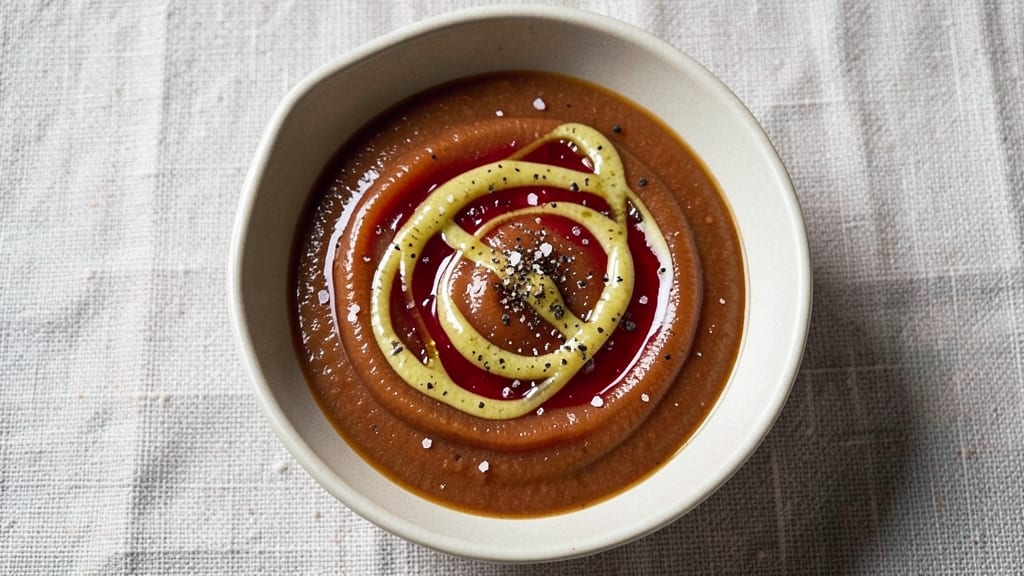
This apricot vinaigrette salad dressing recipe transforms ordinary greens into a vibrant, fruit-forward experience with just five minutes of prep and five simple ingredients. The secret lies in balancing sweet apricot purée with sharp vinegar and rich olive oil, creating a dressing that's tangy, slightly sweet, and complex enough to elevate any salad or roasted dish. I developed this recipe after craving something brighter than traditional vinaigrettes—something that would bring summer's fruitiness to winter meals without overpowering the dish.
The magic happens in the ratios: a 1:1:2 ratio of apricot purée to vinegar to oil ensures perfect balance, while a pinch of Dijon mustard adds subtle depth and helps emulsify the dressing.
This version stays fresh in the fridge for up to two weeks, making it ideal for meal prep or gifting. The dressing works beautifully on mixed greens, roasted vegetables, or even drizzled over grilled chicken for a sweet-savory contrast.
What makes this dressing truly special is its versatility—it's equally at home on a simple arugula salad as it is on a charred vegetable platter or drizzled over vanilla ice cream for a sophisticated dessert twist.
The apricot's natural sweetness mellows as it sits, deepening the flavor profile with each use. For best results, whisk all ingredients together thoroughly before using, and adjust the sweetness to taste with a touch more apricot or acidity with extra vinegar.
Once you try this apricot vinaigrette, you'll never reach for store-bought again. The dressing's bright, fruity notes cut through rich ingredients while adding a layer of complexity that turns simple meals into memorable ones. Ready to elevate your salads in minutes? Let's get started with this foolproof recipe.
Ingredients for apricot salad dressing
Five simple ingredients transform ordinary salads into vibrant, fruit-forward dishes in minutes.
| Ingredient | Amount | Notes |
|---|---|---|
| Apricot Purée 🍑 | ½ cup | Unsweetened, high-quality preferred |
| Red Wine Vinegar 🍷 | ½ cup | Bold, dry variety recommended |
| Extra-Virgin Olive Oil 🫒 | 1 cup | Light to medium intensity |
| Dijon Mustard 🌶️ | 1 tbsp | Mild or strong, as preferred |
| Sea Salt 🧂 | ½ tsp | Fine grain preferred |
| Freshly Ground Black Pepper 🌶️ | ¼ tsp | Freshly cracked preferred |
| Garlic Clove 🧄 | 1 whole | Minced for subtle depth |
The apricot purée is the heart of this dressing. Look for unsweetened varieties at specialty grocers or the international aisle—Trader Joe's and Whole Foods carry excellent options. Fresh apricots can be puréed at home (simmer with water, strain), but store-bought purée saves time. The red wine vinegar should be bold—Braggot's or Bertolli are reliable choices. For the olive oil, California Olive Ranch or Colavita provide consistent quality without overpowering the fruit's delicate flavor. The Dijon mustard adds emulsifying power, so don't skip it—Maille is a trusted brand for this purpose.
No apricot purée? Mango purée or peach purée work as substitutes, though the flavor profile shifts slightly. Substituting white wine vinegar for red wine vinegar will make the dressing lighter but less complex. If you're avoiding mustard, 1 tsp of honey or agave can help emulsify, though the texture won't be as stable. For a nutty depth, add 1 tsp of tahini to the whisked dressing. The garlic clove is optional but recommended—it mellows during storage, adding subtle complexity. If you prefer a sweeter dressing, increase the apricot purée by 1 tbsp and adjust the vinegar accordingly to maintain balance.
This dressing stays fresh for up to 2 weeks in the fridge when stored in an airtight container. The flavors deepen over time, so it actually improves with age. For best results, shake or whisk before each use. If the dressing separates, simply whisk vigorously to re-emulsify. Portion into small jars for easy use on salads, roasted vegetables, or as a drizzle over grilled dishes. The dressing also freezes beautifully for up to 3 months—thaw in the fridge and whisk before use.
Why You'll Love This Recipe
- Five-Ingredient Magic: I swear by this one—just blend, whisk, and you’re done. No chopping, no peeling, no fancy techniques. The apricot purée does all the heavy lifting while I sip my coffee.
- Sunset in a Jar: That tangy-sweet balance? Chef’s kiss. The red wine vinegar cuts through the richness of the olive oil, while the Dijon mustard adds a little kick—like summer in a bottle. Honestly, I drizzle it on everything now.
- Picnic to Potluck: It’s my go-to for summer salads, charcuterie boards, or even a quick marinade for grilled chicken. Between us, I’ve even used it to glaze roasted carrots—yes, it’s that versatile.
- No-Waste Pantry Hero: A little goes a long way, so I make a big batch and stash it in the fridge. The apricot purée is often on sale, and olive oil is a staple. Three weeks later? Still delicious, still saving me time.
Step-by-step instructions for apricot vinaigrette salad dressing
This bright, tangy dressing comes together in minutes with just a whisk and a few simple ingredients.
Whisk Together the Apricot Purée and Vinegar
In a medium bowl, combine the 0.5 cup apricot purée and 0.5 cup red wine vinegar. Use a whisk to blend them thoroughly until fully incorporated. You'll notice the mixture will have a slightly thick, syrupy consistency from the purée, which helps balance the acidity of the vinegar. This step is critical—don't skip the whisking, as you want a smooth, lump-free base for your dressing.
The apricot purée brings natural sweetness and depth, while the bold red wine vinegar adds the necessary tang. If you're using a high-quality purée, you'll taste subtle fruity notes that elevate the dressing beyond a basic vinaigrette. Let this mixture sit for 1 minute while you prepare the remaining ingredients.
Incorporate the Dijon Mustard and Minced Garlic
Add the 1 tbsp Dijon mustard and 1 minced garlic clove to the bowl. Whisk vigorously for 30 seconds until the mustard is completely dissolved and the garlic is evenly distributed. The Dijon mustard acts as an emulsifier, helping to bind the oil later, while the garlic adds a subtle, aromatic depth that complements the apricot's sweetness.
Here's where it gets important: the mustard should be fully incorporated before adding the oil. If you see any streaks of mustard remaining, whisk for another 10 seconds. This ensures your dressing will have a smooth, velvety texture rather than a grainy or separated consistency.
Slowly Add the Olive Oil in a Thin Stream
With the whisk still in the bowl, very slowly pour in the 1 cup extra-virgin olive oil while continuing to whisk. Add it in a thin, steady stream—this gradual incorporation is key to creating a stable emulsion. You'll see the mixture transform from a thick liquid into a glossy, creamy dressing as the oil blends in. If the dressing starts to look too thick, pause for 5 seconds to let it adjust before continuing.
The olive oil should be added at room temperature for the best results. If your kitchen is cold, let the bottle sit out for 10 minutes before using. The slow addition prevents the dressing from breaking, ensuring a smooth, cohesive texture that clings beautifully to greens and vegetables.
Season with Salt and Pepper
Finish by adding the 0.5 tsp sea salt and 0.25 tsp freshly ground black pepper. Whisk for another 20 seconds until the salt and pepper are fully distributed. Taste the dressing and adjust the seasoning if needed—you might need a pinch more salt or a crack of extra pepper to balance the sweetness and acidity.
This is your final quality check. The dressing should taste bright, tangy, and slightly sweet with a hint of garlic. If it tastes too sharp, add a touch more apricot purée; if it's too sweet, a splash of vinegar will bring it back into balance. The dressing will keep in the refrigerator for up to 1 week, making it perfect for meal prep.
Let It Rest and Shake Before Use
Transfer the dressing to a clean, airtight jar and let it sit at room temperature for 5 minutes before using. This brief rest allows the flavors to meld and the emulsion to fully stabilize. Before each use, give the jar a good shake—even the best emulsions can separate slightly over time, and a quick shake restores that silky texture.
This dressing pairs beautifully with mixed greens, roasted vegetables, or grilled proteins. Its fruity-sweet profile makes it especially versatile for spring and summer dishes, but don't hesitate to use it year-round for a refreshing twist on classic salads.
Pro Tips For Making Apricot Salad Dressing
- Whisk in stages: Start with the mustard and vinegar first—this prevents the apricot purée from turning into a gloopy mess. Once those two are smooth, slowly drizzle in the olive oil while whisking constantly. I’ve learned this the hard way: dumping all the oil at once means you’ll be chasing lumps for the next five minutes.
- Use warm purée: Cold apricot purée is stubborn. Warm it slightly (just enough to loosen it with a splash of hot water, if needed) before mixing—it blends smoother and the dressing stays silky. My grandmother swore by this, and she was right: the texture makes all the difference when it comes to drizzling.
- Balance the vinegar: Taste the raw vinegar first—some bottles are sharper than others. If your dressing tastes harsh, add a pinch of sugar (or a teaspoon of honey) to round it out. I was skeptical until I tried it: the apricot’s natural sweetness shines when the acidity isn’t overpowering.
- Salt last: Add the salt after everything else is emulsified. Too early, and the mustard’s tang will dominate before the flavors meld. A light hand here—start with half the recipe’s salt, then adjust—lets the apricot’s depth come through. (Yes, even if you’re impatient like me.)
Serving suggestions for this recipe
Salad Pairings
This apricot vinaigrette shines on spring greens like arugula or spinach, where its fruity tang brightens the peppery bite. I love tossing it with mixed baby greens, toasted almonds, and shaved fennel for a refreshing spring salad.
For heartier options, pair it with roasted Brussels sprouts or shredded cabbage to balance the sweetness with earthy flavors. 🥗
Protein Pairings
Drizzle this dressing over grilled chicken or seared salmon for a sweet-savory contrast that cuts through rich proteins. It also elevates roasted vegetables like asparagus or carrots, adding a vibrant finish. For a vegetarian option, try it with marinated tofu or crispy chickpeas for a protein-packed salad.
Unexpected Uses
Don’t limit this dressing to salads! Use it as a marinade for pork tenderloin or shrimp skewers—the apricot’s natural sweetness tenderizes the meat. It also works beautifully as a glaze for roasted sweet potatoes or drizzled over vanilla ice cream for a sophisticated dessert twist. 🍽️
Seasonal Adaptations
In summer, pair it with cherry tomatoes and cucumber slices> for a light, refreshing salad. For fall, add roasted butternut squash> and pecans> to create a cozy, seasonal dish.
The dressing’s versatility makes it perfect for any time of year—just adjust the greens or proteins to match the season.
Garnish Ideas
Add toasted pumpkin seeds> or crumbled goat cheese> for extra texture and richness. Fresh mint leaves> or thinly sliced radishes> add a pop of color and freshness. A sprinkle of flaky sea salt> enhances the dressing’s flavors, making each bite more vibrant.
Meal Prep Tips
Store the dressing in a glass jar with an airtight lid> in the fridge for up to 2 weeks>. Prep salads ahead of time, but store greens and dressing separately to keep them crisp.
When ready to eat, toss the greens with the dressing just before serving to maintain freshness. For extra convenience, portion the dressing into small containers for quick grab-and-go salads. ✨
Nutrition facts
Frequently asked questions
Can I substitute apricot purée with other fruit purées?
For a similar sweet-tangy profile, try mango purée or peach purée in equal amounts. The flavor will shift slightly—mango adds tropical notes while peach offers a milder sweetness. Avoid overly tart fruits like pineapple, as they’ll overpower the dressing’s balance.
Why did my dressing separate? How do I fix it?
Separation happens when oil and liquid phases don’t emulsify properly. Simply whisk vigorously for 1-2 minutes to restore the creamy texture. For future batches, ensure the Dijon mustard is fully dissolved before adding oil, and whisk continuously while adding the oil in a thin stream.
Is this dressing safe for people with nut allergies?
Yes! This recipe contains no nuts or nut-based ingredients. The Dijon mustard and olive oil are the only potential allergens—always check labels if you have specific dietary restrictions. For extra safety, opt for certified nut-free brands of mustard and oil.
Can I make this dressing without Dijon mustard?
You can substitute with 1 tsp honey or agave, but the texture won’t be as stable. For a mustard-free version, blend 1 tbsp tahini with the apricot purée first to help emulsify. The dressing will be slightly thicker but still delicious.
How should I store leftover dressing?
Transfer to an airtight glass jar and refrigerate for up to 2 weeks. The flavors deepen over time! Shake well before each use. For longer storage, freeze in ice cube trays—thaw overnight in the fridge and whisk to restore texture. Always label with the date to track freshness.