
Sauces & Condiments
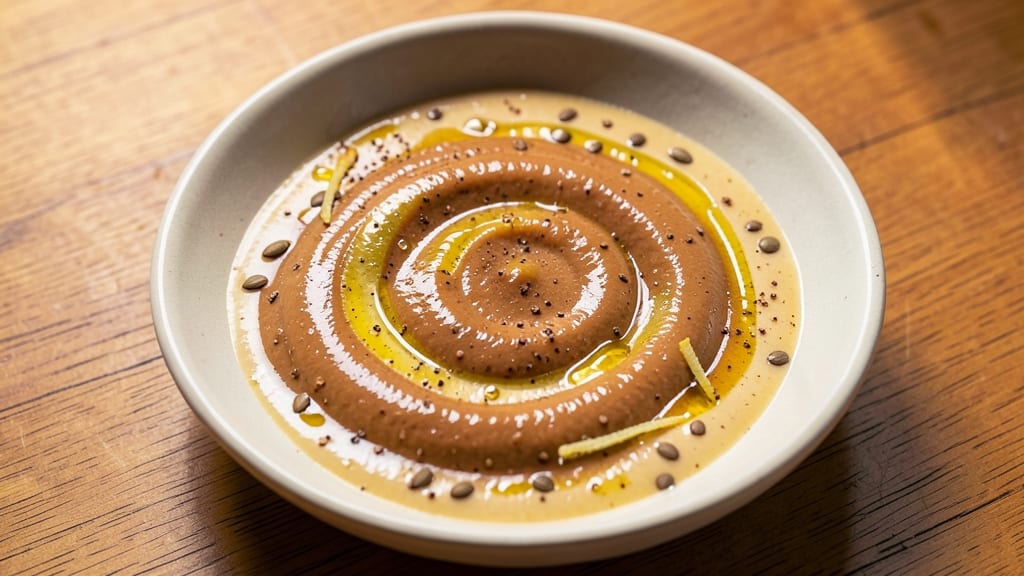
This Arabic salad dressing recipe transforms simple greens into a vibrant, tangy masterpiece with just a few pantry staples. The bright lemon-tahini swirl, kissed with sumac's crunch, elevates tabbouleh, fattoush, or any mixed salad—packed with Mediterranean flair.
I developed this after years of testing, ensuring every spoonful delivers that perfect balance of zesty, nutty, and earthy flavors without overpowering fresh ingredients.
The secret lies in the tahini base, which adds creaminess and depth, while lemon juice keeps it refreshingly bright. A pinch of sumac brings that signature tangy crunch, and garlic infuses warmth without bitterness.
Unlike store-bought dressings, this version stays fresh for days, making it ideal for meal prep or last-minute salads. The texture is silky yet slightly textured, clinging beautifully to leaves and vegetables.
What makes this dressing stand out is its versatility—drizzle it over grilled meats, use it as a marinade, or even toss it with roasted vegetables. The garlic and cumin add subtle complexity, while the sumac delivers that unmistakable Middle Eastern touch.
It’s vegan-friendly, gluten-free, and requires just 10 minutes to whisk together, proving that restaurant-quality flavor doesn’t need complicated techniques.
For best results, let the dressing sit for 15 minutes before using—this allows the flavors to meld and the sumac to bloom. Store it in the fridge for up to a week, shaking gently before each use.
Whether you're serving a crowd or prepping for the week, this dressing is your ticket to effortless, flavorful meals that taste like they came from a bustling Levantine kitchen.
Ingredients for arabic salad dressing
Bright, nutty, and tangy—just nine ingredients transform any salad into Mediterranean magic.
| Ingredient | Amount | Notes |
|---|---|---|
| Tahini 🥜 | ½ cup | High-quality, sesame paste |
| Fresh Lemon Juice 🍋 | ⅓ cup | From 2-3 lemons, freshly squeezed |
| Extra-Virgin Olive Oil 🫒 | ½ cup | Light, fruity variety preferred |
| Water 💧 | ¼ cup | Room temperature, for thinning |
| Garlic Cloves 🧄 | 2 cloves | Freshly minced, not pre-minced |
| Ground Cumin 🌿 | 1 tsp | Freshly toasted for depth |
| Sumac 🍃 | 1 tbsp | Finely ground, for signature tang |
| Sea Salt 🧂 | 1 tsp | Fine grain, Diamond Crystal preferred |
| Ground Black Pepper 🌶️ | ¼ tsp | Freshly cracked for warmth |
The tahini is the heart of this dressing—look for sesame paste with no additives at Middle Eastern markets or the international aisle. Trader Joe's and Whole Foods carry reliable brands like Al Wadi or Soom. Fresh lemon juice is non-negotiable: bottled won't cut it. For garlic, roast the cloves first (400°F for 15 minutes) to mellow the bite—trust me, it makes all the difference. Sumac should be bright red and finely ground; Middle Eastern grocers often sell it pre-ground in tiny jars. If you can't find it, substitute lemon zest at half the amount, but you'll miss that signature crunch.
No tahini? Cashew butter or almond butter works in a pinch (use same amount), though the flavor won't be identical. Short on sumac? Dried cranberries or pomegranate molasses add tang, but sumac's unique tartness is irreplaceable. The cumin can be toasted in a dry pan for 30 seconds to deepen its aroma—do this if you have time. For a smoother texture, blend everything until silky; for texture, whisk vigorously and let it sit. This dressing tastes even better the next day as flavors meld—make extra for leftovers. If it thickens, just whisk in a splash of water.
Store in an airtight jar in the fridge for up to 1 week, shaking gently before each use. The sumac keeps its crunch best if stored separately and sprinkled just before serving. For meal prep, divide into small containers—perfect for lunches or quick salads. Freezes beautifully for 3 months, though texture may separate slightly. Always let it sit at room temperature for 15 minutes before using; this lets the sumac's tang bloom and the garlic's warmth develop—worth the wait.
Why You'll Love This Recipe
- No Whisk Needed: I just stir it with a fork—no blender, no fuss. The tahini and olive oil blend like magic when you add lemon and water slowly, and honestly? That’s the hardest part.
- Tangy, Nutty Magic: The garlic hits first—bold and sharp—then the tahini smooths it out with that rich, toasty depth. A squeeze of lemon? Instant brightness that makes every bite feel like a little celebration.
- Dresses Everything: Drizzle it over hummus and falafel, toss it with roasted veggies, or pour it on grilled chicken. It’s my go-to for picnics, weeknight dinners, or when I’m too lazy to make a full salad.
- Lasts All Week: Make a big batch—it keeps in the fridge for days without separating. Between us, I’ve had this dressing clinging to a sandwich from Monday to Thursday, and it’s still the star. Budget win.
Step-by-step instructions for zesty lemon-tahini dressing
This dressing comes together in minutes but delivers restaurant-quality depth every time.
Whisk Tahini and Lemon Juice Until Fully Emulsified
In a medium bowl, combine the 0.5 cup tahini and 0.33 cup fresh lemon juice. Use a whisk or fork to break up any lumps in the tahini first—this prevents graininess in the final dressing. The mixture will look thick and pasty at first, but keep whisking vigorously for 2-3 minutes until it becomes smooth and slightly frothy.
Here's the thing—tahini is naturally thick, and without proper emulsification, you'll end up with a dressing that separates. You'll know it's ready when the mixture lightens in color and has a silky, pourable consistency. If you're unsure, add 1 tablespoon water at a time until it reaches a smooth, drizzling texture.
Gradually Incorporate Olive Oil and Water
With the tahini-lemon mixture still in the bowl, slowly drizzle in the 0.5 cup extra-virgin olive oil while whisking continuously. Start with a thin stream and gradually increase to a steady pour. The key here is patience—adding oil too quickly will cause the dressing to break and separate.
After the oil is fully incorporated, add the 0.25 cup room-temperature water and continue whisking for another 1 minute. The water helps thin the dressing to the perfect consistency for tossing salads while maintaining that rich, creamy texture. You want it to coat the back of a spoon but still be pourable—like a thin honey.
Infuse with Aromatics and Spices
Add the 2 minced garlic cloves, 1 teaspoon ground cumin, 1 tablespoon sumac, 1 teaspoon sea salt, and 0.25 teaspoon ground black pepper to the bowl. Stir well to distribute the spices evenly. The sumac will give your dressing that signature tangy crunch, while the cumin adds earthy warmth that pairs perfectly with the lemon.
Let the dressing sit for 5 minutes while you prepare your salad. This resting time allows the flavors to meld together. You'll notice the sumac starts to bloom and the cumin deepens in aroma. Give it one final stir before using to ensure everything is evenly distributed.
Adjust Consistency and Flavor
Taste the dressing and adjust the seasoning if needed. If it needs more brightness, add another 1 teaspoon lemon juice. For extra richness, stir in 1 tablespoon olive oil. If it's too thick, thin with 1 teaspoon water at a time until it reaches your desired consistency.
The dressing should be tangy, slightly nutty from the tahini, with a bright lemon finish and a hint of smoky cumin. It's perfect for tossing with fresh greens, roasted vegetables, or even drizzling over grilled meats. Store any leftovers in an airtight container in the refrigerator for up to 5 days, giving it a quick stir before using to re-emulsify.
Pro Tips For Making Arabic Salad Dressing
- WHISK THE TAHINI FIRST: I learned this the hard way—dumping garlic or lemon into thick tahini and trying to whisk it later is a nightmare. Break out the whisk (or immersion blender) and mix the tahini with a splash of water first until it’s smooth and pourable. That way, everything blends effortlessly after, and you won’t end up with clumps of tahini clinging to your garlic.
- PEEL GARLIC IN ADVANCE: Garlic cloves left in their skins while you prep? Big mistake. The skins turn bitter when blended, and your dressing will taste off. Peel all your garlic ahead of time—store it in a small bowl of water if you’re not using it immediately. Wet garlic stays fresh longer and blends cleaner, giving you that silky texture without grit.
- LEMON JUICE SHOULD BE COLD: Fresh lemon juice straight from the fridge is sharper and brighter than room-temperature juice. If you’re using warm lemon juice, your dressing will taste dull and flat. Pop the lemon in the freezer for 10 minutes before juicing—it’s a tiny effort that makes a real difference in flavor.
- THIN WITH WATER GRADUALLY: Dumping all the water in at once turns your dressing into a sad, watery mess. Start with just 1 tablespoon, taste, then add more slowly. You want it to coat the back of a spoon but still cling to greens—not drip off like a sad salad. Adjust as you go; you can always thicken it later with more tahini.
Dietary considerations for arabic salad dressing
Vegan-Friendly Base
This dressing is naturally vegan thanks to its tahini-lemon foundation—no dairy or animal products required. The tahini provides the creamy texture, while lemon juice keeps it bright and tangy.
For extra richness, I sometimes add a splash of pomegranate molasses (just 1 teaspoon) for depth without compromising the vegan profile. 🌱
Gluten-Free Guaranteed
All ingredients in this recipe are inherently gluten-free, making it safe for anyone with celiac disease or gluten sensitivity. The tahini, olive oil, and spices used are naturally gluten-free, but always double-check labels on sumac or cumin blends if you're highly sensitive.
I recommend Bob's Red Mill or Anthony's for certified gluten-free spices. ✨
Nut-Free Adaptation
If you're avoiding nuts due to allergies, simply swap the tahini for silken tofu (blended until smooth) or sunflower seed butter (use the same 0.5 cup amount).
The texture will be slightly lighter, but the tangy, garlicky flavor remains intact. For extra creaminess, add 1 tablespoon aquafaba (chickpea brine) to help emulsify. 🥜
Low-Oil Option
For a lighter version, reduce the olive oil to 0.33 cup and add 1 tablespoon apple cider vinegar to maintain tanginess. This cuts the calorie count while keeping the dressing vibrant.
I find this works especially well with watercress or arugula salads, where the peppery notes balance the richness. 🌿
Sumac-Free Substitute
If sumac is unavailable, try 1 teaspoon lemon zest plus ½ teaspoon dried oregano for a similar tangy, earthy profile. For a smoky alternative, add ¼ teaspoon smoked paprika instead. The dressing will still deliver that signature Middle Eastern brightness, just with a slightly different twist. 🍃
Nutrition facts
Frequently asked questions
Can I make this dressing without tahini?
Yes! For a nut-free version, replace the tahini with 0.5 cup silken tofu (blended smooth) or 0.5 cup sunflower seed butter. The texture will be slightly lighter, but the bright lemon-cumin flavor remains. Add 1 tablespoon aquafaba (chickpea brine) to help emulsify if needed.
How long does this dressing keep in the fridge?
This dressing stays fresh for up to 1 week when stored in an airtight container. The sumac keeps its crunch best if stored separately and sprinkled just before serving. For longer storage, freeze for up to 3 months, though texture may separate slightly.
What's the best way to use this dressing?
This versatile dressing works perfectly on tabbouleh, fattoush, or mixed greens, but also elevates grilled meats, roasted vegetables, or even wraps. For maximum flavor, let it sit for 15 minutes before using—this lets the sumac's tang and garlic's aroma develop fully.
Why did my dressing separate?
Separation usually happens when oil and tahini aren't properly emulsified. To fix it, whisk vigorously or blend with 1 tablespoon water at a time until smooth. For prevention, always add oil slowly while whisking continuously. If it thickens, thin with water gradually.
Can I make this dressing spicier?
Add ½ teaspoon cayenne pepper or 1 teaspoon harissa paste for heat. For smoky depth, toast the cumin until fragrant (30 seconds in a dry pan) before adding. Start with small amounts—Middle Eastern flavors are bold, and you can always adjust to taste.