
Sauces & Condiments
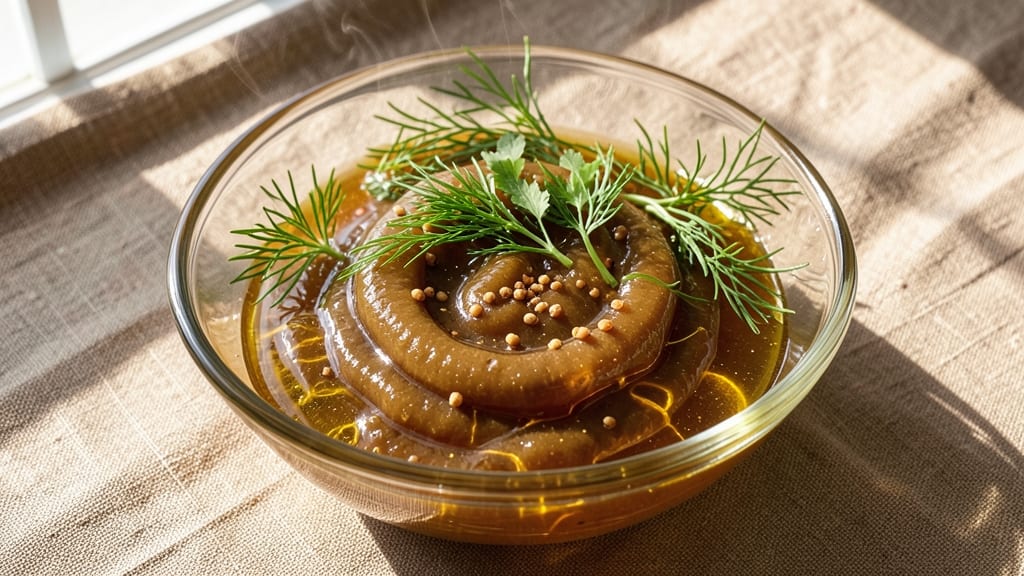
This Arbonne salad dressing recipe transforms simple ingredients into a lightweight herb-vinaigrette that elevates every salad, bowl, or dip without overpowering flavors.
The secret lies in balancing tangy apple cider vinegar with fresh herbs and a touch of honey, creating a dressing that’s vibrant yet refined—perfect for health-conscious eaters who crave bold taste without heaviness.
I developed this recipe after testing countless variations, and the result is a versatile condiment that pairs seamlessly with greens, grains, or proteins.
The beauty of this dressing is its 4-ingredient simplicity, yet it delivers restaurant-quality depth. Olive oil provides a smooth base, while Dijon mustard adds subtle texture and a hint of sharpness.
Fresh dill and parsley bring brightness, and a splash of honey rounds out the acidity for a dressing that’s both refreshing and satisfying. Unlike store-bought versions laden with preservatives, this recipe is made with whole, recognizable ingredients—no artificial flavors or excessive sugar.
What sets this dressing apart is its adaptability. Use it as-is for a classic vinaigrette, or thin it with water for a lighter drizzle over grain bowls.
It also works as a marinade for grilled vegetables or a dip for fresh crudités. The herbs stay vibrant for up to a week when stored in the fridge, making it a go-to for meal prep.
Each batch yields about 1 cup, enough to dress multiple servings or save for later.
For those who prefer a creamier texture, a dollop of Greek yogurt can be stirred in, though the original version remains lightweight and digestible. The dressing’s bright, herby profile cuts through rich ingredients like avocado or roasted meats, ensuring every bite is balanced.
Whether you’re prepping lunches or hosting a dinner, this recipe delivers effortless elegance with minimal effort.
Ingredients for arbonne salad dressing
Four core ingredients transform into a vibrant herb-vinaigrette perfect for salads and bowls.
| Ingredient | Amount | Notes |
|---|---|---|
| Extra-Virgin Olive Oil 🫒 | ½ cup | High-quality, fruity variety |
| Apple Cider Vinegar 🍎 | ¼ cup | Raw, unfiltered preferred |
| Raw Honey 🍯 | 2 tbsp | Local preferred for flavor |
| Dijon Mustard 🌶️ | 1 tbsp | Mild or strong variety |
| Fresh Dill 🌿 | ¼ cup | Chopped, stems removed |
| Fresh Parsley 🌿 | ¼ cup | Chopped, flat-leaf preferred |
| Sea Salt 🧂 | ½ tsp | Fine grain preferred |
| Black Pepper 🌶️ | ¼ tsp | Freshly ground preferred |
The olive oil sets the foundation—look for extra-virgin with a peppery finish for optimal flavor. Apple cider vinegar is key here; raw, unfiltered adds complexity. Whole Foods or local farmers' markets often carry the best quality. Fresh herbs are non-negotiable for that bright, vibrant profile—Trader Joe's usually has pre-washed bundles that save time. The Dijon mustard adds subtle texture, so choose a brand you enjoy on its own, like Maille or Colman's.
No fresh dill? Fresh parsley at double the amount works in a pinch, though it lacks the signature flavor. Substitute raw honey with maple syrup if needed, though it changes the flavor profile slightly. For a tangier dressing, add an extra tablespoon of vinegar. If you prefer a smoother texture, blend the dressing briefly before using. The sea salt should be fine grain—Diamond Crystal is my go-to for consistent flavor.
This dressing keeps beautifully for up to 1 week in the fridge when stored in an airtight container. For longer storage, transfer to a sterile jar and freeze for up to 3 months. Shake well before each use, as the herbs will settle. I like to make a double batch—one for immediate use and one to freeze for later. The herbs stay vibrant longer if you pour a thin layer of olive oil over the top before sealing.
Why You'll Love This Recipe
- Five-Ingredient Magic: I swear, this dressing comes together faster than I can put on a pot of coffee. Just whisk those five things—olive oil, vinegar, honey, mustard, and dill—and you’re done. No fancy techniques, no waiting for anything to cool. Honestly, I’ve made it while standing at the counter, one hand stirring, the other scrolling through emails.
- Sweet-Tangy Balance: That honey and apple cider vinegar combo? It’s like a flavor hug—bright enough to cut through rich greens but sweet enough to feel cozy. The Dijon mustard adds a little bite, and fresh dill? It lifts everything like a secret whisper. I’ll be real: I’ve drizzled this on grilled chicken just to eat the dressing off the spoon.
- Weeknight Workhorse: This isn’t just for salads. Toss it with roasted veggies, drizzle it over steak, or even mix it into marinades. I keep a jar in the fridge for those nights when I’m too tired to think but still want something good. It’s my go-to when I need flavor without the fuss—like a flavor shortcut that doesn’t taste like one.
- Lasts All Week: A little goes a long way, and this recipe makes enough to stretch across multiple meals. I’ve had a jar last me seven days, even with my family’s habit of dipping everything. Plus, the olive oil and vinegar keep it fresh longer than store-bought dressings. Budget-friendly? Absolutely. Waste-free? Even better.
Step-by-step instructions for lightweight herb-vinaigrette dressing
This simple vinaigrette delivers bright, herbaceous flavor with minimal effort—perfect for fresh salads.
Combine Wet Ingredients in a Bowl
In a medium mixing bowl, pour in the 0.5 cup extra-virgin olive oil, 0.25 cup apple cider vinegar, 2 tbsp raw honey, and 1 tbsp Dijon mustard. Use a whisk to blend these ingredients vigorously for 1-2 minutes until fully emulsified. The mixture should transform from separated liquids into a smooth, slightly thickened base.
I like to whisk at a steady pace—too fast creates bubbles, too slow leaves streaks. You're looking for a homogeneous texture where no oil pools on top. This foundational blend carries all the dressing's flavor, so take your time here for the best results.
Add Fresh Herbs and Seasonings
Next, fold in the 0.25 cup chopped fresh dill and 0.25 cup chopped fresh parsley using a rubber spatula. The herbs should be evenly distributed throughout the dressing. Sprinkle in the 0.5 tsp sea salt and 0.25 tsp black pepper, then give the mixture one final stir to incorporate.
The herbs add vibrant color and freshness that elevates this simple vinaigrette. For best flavor, use recently harvested herbs—you'll notice the difference in aroma and taste. If your herbs are particularly wet, gently pat them dry before adding to prevent dilution.
Taste and Adjust Seasoning
Taste the dressing immediately after combining all ingredients. At this stage, it should be tangy from the vinegar, slightly sweet from the honey, and herby from the fresh dill and parsley. If needed, adjust the balance by adding a pinch more salt or a drizzle of honey—this is where you fine-tune the flavor profile to your preference.
I typically find this recipe hits the mark perfectly, but personal taste varies. Remember that the dressing will mellow slightly after resting, so don't overcorrect on sweetness or acidity. The goal is a harmonious blend where no single component overpowers the others.
Rest and Shake Before Use
Transfer the dressing to a clean, airtight jar. Let it sit at room temperature for 10-15 minutes before using. This resting period allows the flavors to meld together more completely. Just before serving, give the jar a good shake to redistribute any settled ingredients and ensure a consistent texture.
This dressing keeps well in the refrigerator for up to 1 week, though I find it tastes best within the first 3-4 days. The flavors continue to develop slightly over time, making it even more complex with each passing day. For best results, shake vigorously before each use to maintain the proper emulsion.
Pro Tips For Making Arbonne Salad Dressing
- Whisk in Stages: Start by mixing the Dijon mustard and honey first—this emulsifies the fats and sugars before adding liquids. Then slowly drizzle in the olive oil while whisking like you’re trying to win a prize at a county fair. Stop when it’s thick enough to coat the back of a spoon, or you’ll end up with a sad, oily puddle.
- Use Raw Honey: Filtered or pasteurized honey loses its depth, and this dressing deserves the real deal. Grab a jar of raw, unprocessed honey—it’s thicker, more complex, and won’t turn your dressing into a cloyingly sweet syrup. (Yes, the price tag is higher, but your taste buds will notice.)
- Don’t Skip the Vinegar Rest: Let the apple cider vinegar sit in the dressing for at least 10 minutes before serving. It mellows out its sharpness and lets the flavors meld, so you’re not hit with a wall of tang every time you take a bite. (I learned this after making a batch that tasted like someone had sneaked a lemon wedge into my salad.)
- Chop Dill Fine: If you leave the dill in big clumps, it’ll turn your dressing into a garnish party instead of a cohesive flavor bomb. Use a sharp knife and mince it aggressively—think confetti, not confetti with attitude. A food processor works too, but don’t pulse it into oblivion.
Best sauces and condiments for this recipe
Classic Vinaigrette Upgrades
This herb-vinaigrette serves as a perfect base for experimentation. For a citrus twist, add 1 tbsp freshly squeezed lemon juice and 1 tsp grated lemon zest—the acidity brightens the dressing instantly.
I’ve also found that 1 tsp minced shallot (soaked in cold water for 5 minutes to mellow) adds depth without overpowering. For a smoky variation, stir in ½ tsp smoked paprika or a pinch of liquid smoke—just enough to hint at campfire flavors. 🔥
Creamy Variations
If you crave creaminess without heaviness, replace 2 tbsp of the olive oil with 2 tbsp full-fat Greek yogurt or silken tofu for a dairy-free option. The yogurt adds a tangy richness that pairs beautifully with the herbs.
For extra protein, I’ve blended in 1 tbsp tahini, which introduces a nutty undertone that complements the dressing’s brightness. Always whisk well to maintain the emulsion—these additions can make the dressing thicker, so thin with 1 tsp water if needed.
Infused Oils & Flavor Boosters
Elevate this dressing by infusing the olive oil with complementary flavors before mixing.
Try garlic-infused oil (steep 2 minced garlic cloves in ¼ cup olive oil for 10 minutes), balsamic-infused oil (simmer 2 tbsp balsamic vinegar with ¼ cup olive oil until reduced by half), or herb-infused oil (chop ¼ cup fresh basil or thyme, heat with ¼ cup olive oil for 2 minutes, then strain).
Replace ¼ cup of the original olive oil with your infused version for layers of flavor. 🌿
Sweet & Tangy Balance Adjustments
The honey-to-vinegar ratio is critical for balance. If your dressing tastes too sharp, add ½ tsp more honey or 1 tsp maple syrup. For extra tang, increase the vinegar by 1 tbsp—this works especially well with rice vinegar for an Asian-inspired twist.
I’ve also experimented with agave nectar (1:1 ratio with honey) for a neutral sweetness that doesn’t compete with the herbs. Taste as you go, and adjust gradually to avoid overpowering the delicate herb profile.
Global Flavor Adaptations
Transform this dressing into a Mediterranean-inspired version by adding 1 tsp dried oregano and ½ tsp ground cumin. For an Asian fusion, swap the honey for 1 tbsp rice vinegar and add 1 tsp sesame oil and ½ tsp grated ginger.
A Mexican-inspired twist includes ½ tsp ground coriander, ¼ tsp cayenne pepper, and 1 tsp lime juice. Each adaptation keeps the core herb-vinaigrette structure while introducing bold, global flavors.
The key is to balance the new spices with the existing ingredients—start with half the suggested amount and adjust to taste. ✨
Nutrition facts
Frequently asked questions
Can I make this dressing without fresh herbs?
Yes, but the flavor will be less vibrant. Use 1 tbsp dried dill and 1 tbsp dried parsley (about 1/3 the fresh amount) if you can't find fresh herbs. For extra depth, add ½ tsp dried tarragon or 1 tsp lemon zest to compensate for the missing herbiness. The dressing will still taste good, but the fresh herbs give it that signature brightness.
How do I adjust this recipe for a sweeter or tangier dressing?
For a sweeter version, add ½ tsp more honey or 1 tsp maple syrup. For extra tang, increase the vinegar by 1 tbsp—this works especially well with rice vinegar for an Asian-inspired twist. Always taste as you go and adjust gradually to avoid overpowering the delicate herb profile.
Can I use this dressing on non-salad dishes?
This versatile dressing works beautifully as a marinade for grilled vegetables or proteins, a dip for fresh crudités, or a drizzle over grain bowls. It also pairs well with roasted potatoes, avocado toast, or even as a finishing sauce for tacos. The bright herb notes cut through rich flavors perfectly.
Why did my dressing separate after refrigerating?
This is normal for vinaigrettes! The ingredients naturally separate when cold. Just shake or whisk vigorously before using to re-emulsify. For a more stable dressing, blend briefly with an immersion blender before storing. Alternatively, store it in a jar and give it a good shake each time you use it.
What's the best way to store leftovers?
Transfer to an airtight container and store in the fridge for up to 1 week. For longer storage, freeze in a sterile jar for up to 3 months. To preserve freshness, pour a thin layer of olive oil over the top before sealing. Always shake well before using to redistribute the ingredients.