
Sauces & Condiments
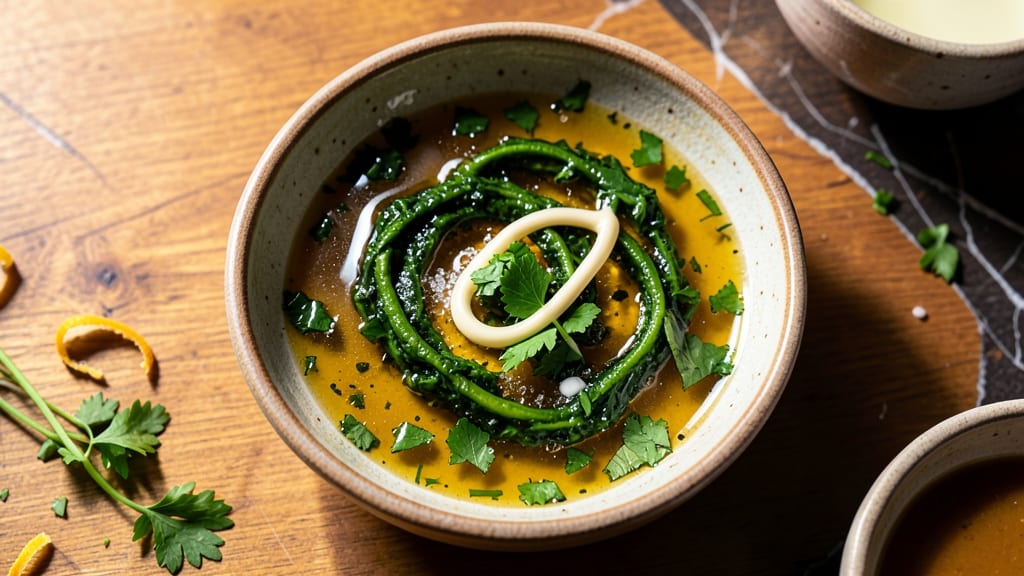
Arcobasso salad dressing brings the bold flavors of Italian cuisine to your table with just five simple ingredients and minutes of prep time. This herb-infused dressing transforms basic salads into restaurant-worthy dishes, combining the bright tang of vinegar with the richness of olive oil and a touch of Dijon mustard for depth. The secret lies in fresh basil and parsley, which infuse the dressing with aromatic freshness that elevates every bite.
What sets this dressing apart is its versatility—it works equally well as a vibrant salad dressing or a dipping sauce for crusty bread and fresh vegetables.
The balance of acidity and oil creates a silky emulsion that clings perfectly to greens, while the herbs add layers of flavor that make it impossible to resist. Unlike store-bought versions, this recipe delivers a bright, herbaceous taste that stays fresh for up to a week in the refrigerator.
To achieve the best results, whisk the ingredients together thoroughly and let the dressing rest for at least 10 minutes before using. This allows the flavors to meld and the herbs to release their full aroma, ensuring each drizzle delivers maximum impact.
The dressing is light yet rich, with a texture that coats leaves beautifully without overpowering their natural taste.
Perfect for summer salads, antipasto platters, or as a finishing touch for grilled vegetables, this dressing is a game-changer for any meal. Once you try it, you’ll never go back to bottled versions again.
Ingredients for arcobasso salad dressing
Five simple ingredients transform into restaurant-quality Italian dressing with vibrant herb notes.
| Ingredient | Amount | Notes |
|---|---|---|
| Extra-Virgin Olive Oil 🫒 | ¾ cup | High-quality, fruity variety preferred |
| White Wine Vinegar 🍷 | ¼ cup | Dry, crisp vinegar for balance |
| Fresh Basil Leaves 🌿 | ½ cup | Packed, stems removed |
| Fresh Parsley Leaves 🌿 | ¼ cup | Flat-leaf preferred |
| Dijon Mustard 🌶️ | 1 tbsp | High-quality for depth of flavor |
| Granulated Sugar 🍚 | 1 tsp | For subtle sweetness |
| Kosher Salt 🧂 | ½ tsp | Fine grain preferred |
| Freshly Ground Black Pepper 🌶️ | ¼ tsp | For finishing touch |
The olive oil is the foundation—look for extra-virgin with a fruity, peppery finish at stores like Whole Foods or Trader Joe's. Their bulk bins often have the best quality at reasonable prices. Fresh herbs are non-negotiable here; basil and parsley from the grocery store's produce section should be bright green and free of wilting. If you're growing your own, harvest just before full bloom for maximum flavor. The vinegar should be dry and crisp—avoid sweet or balsamic varieties, which will throw off the balance. For the mustard, Maille or Whole Foods brand are excellent choices, offering that signature Dijon tang.
No fresh herbs? Dried basil and parsley work at half the amount, though the flavor won't be as bright. Substitute apple cider vinegar for white wine vinegar if needed—it adds a subtle sweetness that complements the herbs. For a sugar-free version, omit it entirely or use a pinch of honey (though this isn't vegan). The mustard can be swapped for whole-grain mustard if you prefer a nuttier flavor. If you're making this ahead, store the herbs separately until ready to use to preserve their freshness. For a stronger herb flavor, increase to 2/3 cup total herbs, reducing the oil slightly to maintain balance.
This dressing stays fresh for up to 1 week in the refrigerator when stored in an airtight container. For longer storage, transfer to a sterilized glass jar and keep it submerged in oil to prevent oxidation. The flavors actually improve after 24 hours as the herbs infuse. To extend shelf life, add a pinch of salt to the jar before sealing. Always whisk before using to re-emulsify. Freeze in ice cube trays for single-serving portions—just thaw and whisk before serving. The dressing works beautifully on summer salads, grilled vegetables, or as a marinade for chicken and fish.
Why You'll Love This Recipe
- No-Chop Required: I swear by this one—just tear the basil and parsley right off the stems, no knife skills needed. The mustard and vinegar do all the work while you’re still deciding what to toss in the bowl.
- Bright, Tangy Magic: That Dijon mustard cuts through the richness of the olive oil like a summer breeze, and the basil-parsley combo? It’s herby without being overpowering. One shake and your greens go from blah to oh my.
- Pantry-to-Table Hero: Honestly, I keep a jar of this in the fridge for weeks—drizzle it on roasted veggies, grain bowls, or even grilled chicken. The vinegar keeps it fresh longer than store-bought, and it’s cheaper too.
- Weeknight Workhorse: Between us, this is my go-to when I’m too tired to measure. Just eyeball the ratios (equal parts oil and vinegar, then herbs), give it a stir, and boom—dinner’s saved. Even my picky-eating partner asks for seconds.
Step-by-step instructions for arcobasso salad dressing
This Italian-inspired dressing delivers bright herbaceous notes and perfect balance in just minutes.
Prepare the Herb Mixture
In a food processor, combine the 0.5 cup fresh basil leaves and 0.25 cup fresh parsley leaves. Pulse until finely chopped but not pureed—you want visible texture, not a smooth paste. This ensures the dressing retains its vibrant color and herby complexity. Transfer the herb mixture to a small mixing bowl and set aside.
I like to use a food processor for this step because it creates an even chop that would be difficult to achieve by hand. If you don't have one, finely chop the herbs by hand with a sharp knife, but be mindful not to over-chop or you'll lose the fresh herb character. The herbs should be bright green and fragrant at this stage.
Whisk Together Wet Ingredients
In a separate bowl, whisk together the 0.75 cup extra-virgin olive oil, 0.25 cup white wine vinegar, 1 tablespoon Dijon mustard, 1 teaspoon granulated sugar, 0.5 teaspoon kosher salt, and the chopped herb mixture. Start with a slow whisk to combine all ingredients, then increase to a brisk motion for about 30 seconds to fully emulsify the dressing.
The sugar helps balance the acidity of the vinegar while adding subtle sweetness, and the Dijon mustard provides depth of flavor. The olive oil should gradually incorporate into the vinegar mixture, creating a smooth, creamy texture. If you notice the dressing separating slightly, don't worry—this is normal at this stage and will resolve as you continue whisking.
Season and Adjust Consistency
Taste the dressing and adjust the seasoning as needed. Add more kosher salt if it needs more saltiness, or a pinch more granulated sugar if it needs a touch of sweetness. For a more robust flavor, you can add a few drops of white wine vinegar if the dressing tastes too mild.
If the dressing is too thick, gradually whisk in 1 teaspoon of water at a time until it reaches your desired consistency. For a thinner dressing, add a splash of white wine vinegar or a little more extra-virgin olive oil. The dressing should coat the back of a spoon smoothly but still be pourable. This is the perfect consistency for drizzling over salads or tossing with greens.
Rest and Finish
Let the dressing rest for 10-15 minutes at room temperature. This allows the flavors to meld together and the dressing to reach its full potential. After resting, give it one final taste and adjust the seasoning if needed. The dressing should now have a bright, herby aroma with a well-balanced tang from the vinegar and richness from the olive oil.
Before serving, give the dressing a final stir to ensure all the ingredients are evenly distributed. The freshly ground black pepper can be added just before serving to keep it fresh and aromatic. Store any leftover dressing in an airtight container in the refrigerator for up to 5 days, giving it a quick stir before each use to re-emulsify if needed.
Pro Tips For Making Arcobasso Salad Dressing
- Whisk Like a Pro: Start slow with the mustard and vinegar—emulsifying takes patience. After 30 seconds of steady whisking, then drizzle in the olive oil while whisking continuously. This prevents a broken dressing and saves you from scraping the bowl later.
- Chop Herbs Coarse: Don’t pulse them into oblivion in the food processor. Roughly tear basil and parsley by hand—big chunks distribute flavor better and avoid that sad, muddy look. (Yes, it’s faster to chop than to clean the processor.)
- Measure Vinegar Precisely: That “1/4 cup” isn’t just “a splash.” Use a measuring cup for white wine vinegar—too much makes the dressing sharp, and too little leaves it flat. Trust me, you’ll taste the difference when you nail it.
- Add Garlic Last: If your recipe calls for garlic, mince it after emulsifying the dressing. Freshly minced garlic oxidizes fast and can turn bitter—wait until the last second to fold it in. (Or skip it entirely; the dressing is still great.)
Essential equipment for perfect results
Whisk Essentials
A French whisk with fine wires is my go-to for this dressing—it creates a silky emulsion that clings perfectly to greens. I recommend the OXO Good Grips whisk, which has sturdy handles and tight wire spacing for smooth blending.
For budget-friendly options, Cuisinart or Tramontina also work well. Avoid wide, flat whisks—they don’t incorporate oil and vinegar as effectively. 🍳
Food Processor
While not mandatory, a mini food processor (like the Ninja BN601) makes herb prep effortless. It chops basil and parsley uniformly without crushing stems, which keeps the dressing vibrant.
If you’re chopping by hand, use a sharp chef’s knife—a Wüsthof or Mercer Culinary holds an edge well for fine dicing. The goal is tiny, even pieces that disperse evenly in the dressing.
Measuring Tools
Precision matters here—use liquid measuring cups for the olive oil and vinegar (they’re designed to account for surface tension). For dry ingredients like sugar and salt, a small scale (like the OXO Good Grips) ensures accuracy.
If scaling, 1 teaspoon of sugar equals roughly 4 grams, and ½ teaspoon of salt is about 3 grams. Never eyeball these—balancing sweetness and saltiness is key to the dressing’s harmony.
Storage Containers
Transfer the dressing to a glass jar with an airtight lid (I love Le Parfait jars) or a silicone-lidded container to preserve freshness. Mason jars work too, but opt for amber glass to block light, which can degrade the herbs’ flavor over time.
Label with the date—this dressing peaks within 3–4 days in the fridge. For longer storage, freeze in ice cube trays, then transfer cubes to a bag for single-serving portions.
Optional: Immersion Blender
If you prefer hands-off mixing, an immersion blender (like the Ninja MagiMix) lets you blend directly in the jar. Run it on low speed for 10–15 seconds to emulsify without over-processing the herbs.
This method is great for large batches or when you’re short on counter space. Just ensure the blender’s head stays submerged in the liquid to avoid splatter.
Herb Strainer
A fine-mesh strainer (like the OXO Good Grips) catches any herb stems or thick pulp that might make the dressing grainy. Place it over a bowl and pour the whisked mixture through to achieve a silky texture.
Skip this step only if you’re okay with slight texture—some chefs embrace it for rustic appeal. For me, a smooth finish is non-negotiable for elegant salads. 🌿
Nutrition facts
Frequently asked questions
Can I make this dressing without fresh herbs?
You can substitute ½ teaspoon dried basil and ¼ teaspoon dried parsley for the fresh herbs, but the flavor won't be as vibrant. For a better alternative, try 1 tablespoon finely chopped tarragon or ½ teaspoon dried oregano—both add depth without losing the Italian-inspired profile. Fresh herbs are ideal, though!
Why does my dressing separate after a few hours?
Separation happens when oil and vinegar aren't fully emulsified. Whisk vigorously for 1 full minute to blend properly, or use a hand mixer for 20-30 seconds on low speed. Add ½ teaspoon Dijon mustard as an emulsifier if needed. Store in an airtight container and shake before use to recombine.
How can I use this dressing beyond salads?
This versatile dressing works as a marinade for grilled chicken or fish, a dip for crusty bread or veggie sticks, or even a finishing sauce for pasta. Try drizzling it over roasted vegetables or using it as a base for homemade vinaigrette by thinning with water. The herby flavor pairs beautifully with Mediterranean dishes!
Can I make this dressing spicier?
Add ¼ teaspoon red pepper flakes or ½ teaspoon hot sauce for heat. For a smoky twist, incorporate ½ teaspoon smoked paprika. Start with small amounts and adjust to taste—this dressing already has bold flavors, so subtle additions work best to avoid overpowering the herb notes.
What's the secret to making this dressing last longer?
Store it in an amber glass jar with the lid sealed tightly, submerged in olive oil to prevent oxidation. Keep it refrigerated and use within 5 days for peak flavor. For longer storage, freeze in ice cube trays—thaw overnight in the fridge before using. Always stir before serving to re-emulsify.