
Sauces & Condiments
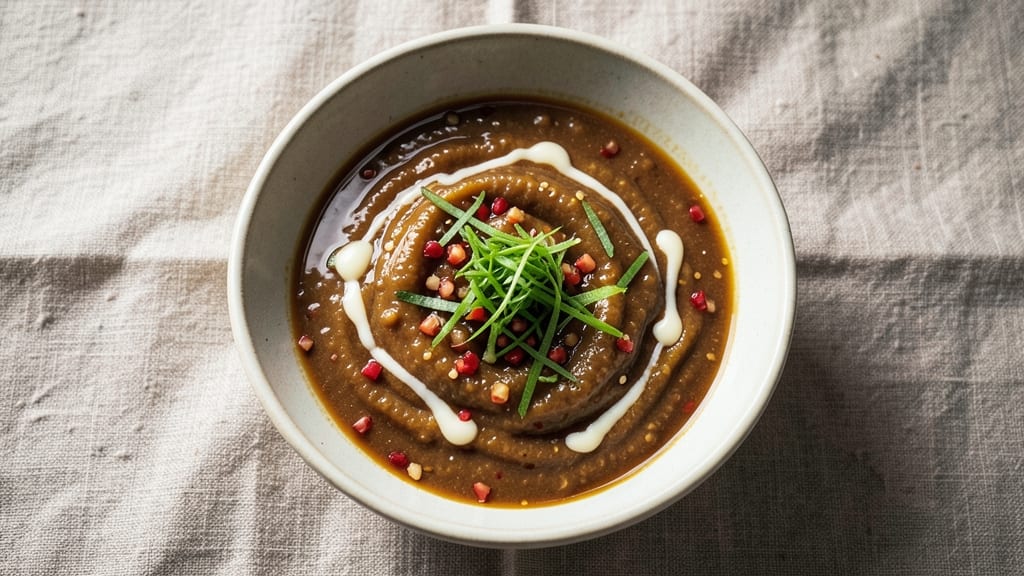
This Asian beef salad dressing recipe transforms simple greens into a vibrant, umami-packed experience with just five ingredients and 10 minutes of prep time. The secret lies in balancing salty soy sauce, bright rice vinegar, and aromatic sesame oil—creating a dressing that clings perfectly to crunchy noodles or fresh lettuce.
I developed this recipe after craving that signature restaurant-quality zing without the fuss of store-bought bottles filled with preservatives.
The foundation starts with a simple blend of soy sauce, rice vinegar, and a touch of honey for depth, but it’s the sesame oil and fresh ginger that elevate it to restaurant-worthy.
The ginger adds a subtle heat and freshness, while the sesame oil contributes nutty richness that ties everything together. This dressing isn’t just for salads—it’s equally at home drizzled over grilled meats, steamed vegetables, or even as a marinade for quick-cooked beef strips.
What makes this recipe stand out is its versatility. Use it as-is for a classic sesame-ginger profile, or adjust the sweetness, spice, or creaminess to match your taste.
The dressing keeps well in the fridge for up to a week, so you can make a batch ahead and have it ready whenever cravings strike. Whether you’re prepping for a weeknight dinner or a weekend gathering, this dressing will bring that authentic Asian restaurant flavor to your table.
Pair it with crisp lettuce, shredded cabbage, or your favorite noodles for a meal that’s both satisfying and full of flavor. The best part? Every component is simple to find, and the instructions are straightforward—no culinary degree required.
Let’s get started on creating this dressing that’s sure to become a staple in your kitchen.
Ingredients for asian beef salad dressing
Five simple ingredients create this restaurant-quality dressing—no fancy tools needed.
| Ingredient | Amount | Notes |
|---|---|---|
| Soy Sauce 🥢 | ⅓ cup | High-quality, low-sodium preferred |
| Rice Vinegar 🍶 | ⅓ cup | Seasoned or unseasoned works |
| Sesame Oil 🫒 | 2 tbsp | Toasted sesame oil for flavor |
| Fresh Ginger 🌿 | 1 tbsp | Finely grated, fresh preferred |
| Honey 🍯 | 1 tbsp | Or maple syrup for vegan option |
| Garlic Cloves 🧄 | 2 cloves | Minced for extra depth |
| Toasted Sesame Seeds 🌾 | 1 tbsp | For garnish and crunch |
| Water 💧 | ¼ cup | Adjust for desired consistency |
The soy sauce is your flavor anchor—Kikkoman or Lee Kum Kee are my go-tos, but any good-quality brand works. For rice vinegar, seasoned vinegar adds a subtle sweetness, but unseasoned works too if that's what you've got. Toasted sesame oil is non-negotiable here; the regular kind lacks that nutty depth. Fresh ginger? Peel and grate it yourself—pre-minced loses its zip fast. If you can't find fresh, dried ginger powder at half the amount works in a pinch. Pro tip: Buy ginger in small amounts since it dries out quickly.
No honey? Maple syrup or agave keeps it vegan-friendly. Short on garlic? Garlic powder at half the amount is fine, but fresh is better. The water is just for thinning—adjust to your preference. Too thick? Add a splash more. Too thin? Simmer it gently to thicken. Want extra richness? Add 1 tbsp of tahini to the mix. For a spicier kick, add a pinch of red pepper flakes. This dressing is endlessly adaptable—play with it until it sings!
Store leftovers in a clean glass jar in the fridge for up to 1 week. The flavors actually improve over time as everything melds together. For longer storage, freeze in ice cube trays—3 months in the freezer. Shake well before using, especially if it's separated. Garnish with toasted sesame seeds just before serving for that restaurant-quality crunch. Make a double batch—you'll want this on hand for everything from noodle bowls to grilled meats.
Why You'll Love This Recipe
- Five-Ingredient Magic: I swear by this combo—just a splash of soy, a drizzle of honey, and a thumb of ginger. No fancy techniques, no waiting for anything to marinate. Honestly, it’s the kind of dressing that makes me feel like a chef even when I’m just tossing together lunch in 10 minutes.
- Umami Bomb: That first taste? Chef’s kiss. The soy and sesame oil hit like a flavor explosion, but the honey softens it into something balanced—sweet, salty, and nutty all at once. It’s the kind of dressing that makes you want to eat the bowl itself.
- Lunchbox Hero: Between us, this is my go-to for meal prep. Drizzle it over steamed greens, toss it with cold noodles, or even use it as a marinade for quick stir-fries. I make a big batch every Sunday because it’s the one thing that actually gets eaten by week’s end.
- Pantry Staple: Already have soy sauce? Done. Rice vinegar? Check. Ginger and honey? Probably in your cabinet. It’s the kind of recipe that doesn’t cost extra but makes everything taste like you spent hours in the kitchen. And yes, even on a Tuesday night.
Step-by-step instructions for Asian beef salad dressing
This dressing comes together in minutes with bold flavors that elevate any Asian-inspired salad.
Grate and Mince Aromatics
Start by finely grating the 1 tablespoon fresh ginger using a microplane or the smallest holes of a box grater. The finer the grate, the better it will dissolve into the dressing. Next, peel and mince the 2 cloves garlic cloves into tiny pieces—this ensures they distribute evenly without any noticeable chunks.
I like to use a small bowl for this step so everything stays contained. If you're not using fresh ginger, you can substitute with 1 teaspoon ground ginger, but fresh gives that bright, zesty kick that's hard to beat. Set these aside while you prepare the remaining ingredients.
Whisk Together Wet Ingredients
In a medium bowl, combine the 0.33 cup soy sauce, 0.33 cup rice vinegar, 1 tablespoon honey, and 0.25 cup water. Give it a quick stir to mix everything roughly. Then add the grated ginger and minced garlic. Use a whisk to blend everything until fully incorporated—this ensures no clumps remain.
Here's the thing—don't rush this step. Let the mixture sit for 2-3 minutes so the ginger and garlic can infuse their flavors. This short waiting period makes a noticeable difference in the depth of flavor. The dressing should look smooth and well-blended at this point.
Slowly Incorporate the Sesame Oil
With the whisk still in the bowl, slowly drizzle in the 2 tablespoons sesame oil while whisking continuously. This gradual addition prevents the oil from separating and creates a silky, emulsified texture. Keep whisking until the dressing looks completely smooth and cohesive.
If the dressing starts to look curdled or separated, don't panic—just whisk vigorously for another 30 seconds. The sesame oil is the secret to that rich, nutty depth that ties all the flavors together. You'll know it's ready when it has a glossy sheen and a uniform consistency.
Adjust Consistency and Season
Taste the dressing and adjust the seasoning if needed. If it tastes too salty, add a splash more of the rice vinegar or water to balance it. If it needs more sweetness, add a tiny bit more honey. The dressing should be tangy, slightly sweet, and umami-rich with a hint of spice from the ginger.
For extra depth, you can add a pinch of red pepper flakes or a dash of sriracha if you like a bit of heat. But if you're keeping it classic, this is where you'll want to stop. The dressing should coat the back of a spoon but still be pourable—if it's too thick, add a little more water one tablespoon at a time.
Garnish and Serve
Transfer the dressing to a clean jar or bowl and sprinkle the 1 tablespoon toasted sesame seeds on top. These seeds add a beautiful crunch and a final nutty aroma that makes the dressing even more irresistible. Give it one last stir before serving to distribute the seeds evenly.
This dressing keeps well in the refrigerator for up to 5 days, so you can make a big batch and use it throughout the week. It's perfect for Asian beef salads, noodle bowls, or even as a marinade for grilled meats. The balance of sweet, tangy, and umami flavors makes it incredibly versatile—trust me, you'll want to make this again and again.
Pro Tips For Making Asian Beef Salad Dressing
- STRAIN THE GINGER: Skip the blender—grate the ginger with a microplane and strain out the pulp. I learned this the hard way after my dressing turned into a muddy mess. A fine-mesh sieve or cheesecloth does the trick, leaving you with smooth, bright ginger flavor without the fiber.
- WHISK IN STAGES: Don’t dump everything in at once. Start with soy sauce and vinegar, then whisk in honey until dissolved before adding sesame oil last—this keeps the dressing emulsified. I used to rush it and end up with oily separation every time.
- USE TOASTED SESAME OIL: Heat the sesame oil just until it shimmers (about 30 seconds) before mixing it in. The nutty aroma deepens instantly, and the dressing won’t taste raw or medicinal. Yes, it’s one extra step, but it makes a real difference.
- MEASURE HONEY BY WEIGHT: Honey varies wildly in thickness—use a kitchen scale (20g for 1 tablespoon) instead of eyeballing it. I was skeptical until I tried it, and now my dressing balances sweetness and tang perfectly every time.
Flavor customization for these flavors
Sweet Heat Boost
For a spicier kick, add ½ teaspoon of gochujang (Korean chili paste) or 1 teaspoon of sriracha to the base mixture. This adds a deep, fermented heat that pairs perfectly with beef. I like to balance it with an extra ½ teaspoon of honey to keep the sweetness in check.
If you prefer a smoother heat, blend in 1 tablespoon of miso paste—it adds umami and a subtle spice without the sharpness. 🌶️
Creamy Sesame Twist
Transform this dressing into a creamy delight by whisking in 2 tablespoons of tahini or 1 tablespoon of peanut butter for richness. Add 1 tablespoon of coconut milk or 2 tablespoons of Greek yogurt to lighten the texture.
This version works beautifully over cold noodles or as a dip for spring rolls. For extra depth, a pinch of white pepper adds warmth without overpowering the flavors.
Citrus Zing Variation
Brighten the dressing with 1 tablespoon of fresh lime juice and 1 teaspoon of lime zest for a refreshing twist. This variation is perfect for seafood salads or grilled chicken.
If you love citrus, add 1 teaspoon of orange blossom water for a floral note that’s unexpected but delicious. The acidity cuts through the richness of the sesame oil beautifully.
Smoky Sesame Depth
Infuse the dressing with smoky flavors by adding ½ teaspoon of smoked paprika or 1 teaspoon of liquid smoke (use sparingly!). This works amazingly with grilled meats or hearty salads like kale and quinoa.
For a deeper smokiness, char 1 clove of garlic in a dry pan until blackened, then mince it finely and add it to the dressing. The smoky aroma elevates the umami profile to new heights. 🔥
Herb-Infused Freshness
Add fresh herbs like 1 tablespoon of chopped cilantro, 1 tablespoon of Thai basil, or 1 teaspoon of mint for a bright, herbaceous finish. These herbs pair especially well with summer salads or Vietnamese-style dishes.
For a more robust flavor, blend in ½ teaspoon of lemongrass paste (or finely minced fresh lemongrass) for a citrusy, aromatic kick that’s hard to resist.
Nutty Crunch Add-Ins
For extra texture, stir in 1 tablespoon of crushed peanuts or 1 teaspoon of chopped toasted almonds just before serving. These add a delightful crunch that contrasts perfectly with the smooth dressing.
If you’re feeling adventurous, try 1 teaspoon of sesame paste (like tahini) for an even nuttier depth. The contrast of textures makes every bite more exciting and satisfying. 🌟
Nutrition facts
Frequently asked questions
Can I make this dressing without sesame oil?
Yes, but you'll lose that signature nutty depth. For a substitute, try 1 tablespoon of neutral oil (like vegetable or avocado) plus ½ teaspoon of ground sesame seeds—it won't be identical, but it'll still taste delicious. The sesame oil is what gives this dressing its authentic Asian flavor profile.
How do I adjust the dressing for spicier beef dishes?
Add ½ teaspoon of gochujang or 1 teaspoon of sriracha—both add fermented heat that pairs perfectly with beef. For balance, increase the honey to 1.5 tablespoons—the sweetness will complement the spice beautifully. Start with small amounts and taste as you go.
Can I use this dressing as a marinade for beef?
This dressing makes an excellent marinade for 1-2 pounds of beef strips—let it sit for 30-60 minutes before cooking. For extra flavor, add 1 tablespoon of cornstarch—it helps create a tenderizing effect. Just don't marinate for longer than 2 hours to prevent over-tenderizing.
Why did my dressing separate after refrigeration?
This happens when the sesame oil and liquid ingredients separate. Just whisk vigorously for 30-60 seconds—the dressing should re-emulsify. For prevention, store it in a tightly sealed jar and stir well before each use. If it still separates, add 1 teaspoon of water—it helps bind the ingredients back together.
What's the best way to store leftovers?
Transfer to an airtight container and refrigerate for up to 1 week**. For longer storage, freeze in ice cube trays—3 months in the freezer. Thaw in the fridge overnight. Always shake well before using, especially if it's separated. The flavors actually improve over time!