
Sauces & Condiments
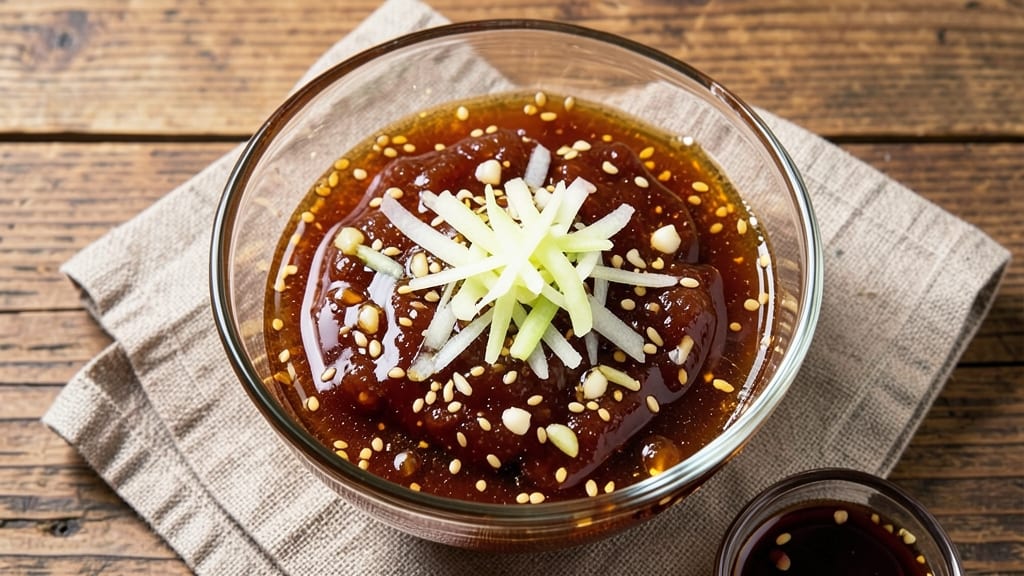
This Asian coleslaw salad dressing recipe transforms ordinary cabbage into a vibrant, flavor-packed side that balances crisp textures with bold umami notes.
The secret lies in a harmonious blend of toasted sesame oil, fresh ginger, and a touch of honey—creating a dressing that clings beautifully to shredded vegetables while adding layers of complexity.
I developed this recipe after realizing store-bought versions lacked the depth and authenticity of homemade, so I focused on balancing sweet, tangy, and savory elements for maximum flavor impact.
The foundation of this dressing is simple yet effective: a base of rice vinegar and soy sauce provides the tangy backbone, while fresh ginger and garlic add warmth. Toasted sesame oil infuses rich, nutty depth, and a hint of honey rounds out the flavors without overpowering.
What sets this apart is the umami boost from a splash of fish sauce—a subtle but essential ingredient that elevates the dressing from good to extraordinary. The result? A dressing that’s bright enough to stand up to crisp cabbage but rich enough to complement grilled meats or spicy dishes.
What you’ll achieve is a versatile, restaurant-quality dressing that’s ready in just 10 minutes with minimal effort. The ingredients are pantry-friendly, and the process is straightforward—no blending required, just whisking together a few key components.
This dressing works equally well on classic coleslaw, Asian-inspired salads, or even as a marinade for proteins. The balance of flavors ensures it won’t overpower delicate greens or compete with bold main dishes, making it a go-to for any meal.
Once mixed, let the dressing sit for 15 minutes to allow the flavors to meld fully. This short wait transforms the ingredients into a cohesive, aromatic sauce that’s far more complex than the sum of its parts.
The dressing keeps well in the fridge for up to a week, so you can make a batch ahead and use it throughout the week. Whether you’re prepping for a meal or improvising a quick side, this recipe delivers consistent, professional results with every use.
Ingredients for asian coleslaw salad dressing
Nine simple yet powerful ingredients create this restaurant-quality Asian coleslaw dressing.
| Ingredient | Amount | Notes |
|---|---|---|
| Rice Vinegar 🍶 | ½ cup | White or seasoned variety |
| Soy Sauce 🍶 | ¼ cup | Light or dark preferred |
| Toasted Sesame Oil 🫒 | 2 tbsp | High-quality for nutty flavor |
| Fresh Ginger 🌿 | 2 tbsp | Finely grated, aromatic |
| Garlic Cloves 🧄 | 2 cloves | Minced for depth of flavor |
| Honey 🍯 | 1 tbsp | Pure, mild variety |
| Fish Sauce 🐟 | 1 tbsp | Red Boat preferred for quality |
| Sesame Seeds 🌰 | 1 tbsp | Toasted for garnish |
| Sesame Oil 🫒 | 1 tsp | Light, for finishing |
| Salt 🧂 | ½ tsp | Kosher or sea salt |
The foundation starts with rice vinegar—look for unseasoned varieties at Asian grocery stores like H Mart or 99 Ranch Market for the most authentic tang. Soy sauce should be light for balance, but dark adds depth if you prefer richer flavors. Toasted sesame oil is non-negotiable here—Kadoya or La Choy are reliable brands, but check the label for 'toasted' to avoid the raw, bitter kind. Fresh ginger is best, but if you're using dried, one-third the amount works. The garlic should be freshly minced—pre-minced from jars lacks punch. For honey, local raw honey adds subtle floral notes, but any pure variety works.
No rice vinegar? Apple cider vinegar in equal parts works surprisingly well. Short on soy sauce? Coconut aminos or even extra light soy sauce at half the amount keeps the umami. Fish sauce missing? Worcestershire sauce (check for anchovies if avoiding) or a splash of oyster sauce adds similar depth. The sesame seeds can be swapped for toasted pumpkin seeds for a different texture. For extra heat, add a pinch of sriracha or red pepper flakes. If you're avoiding fish sauce entirely, miso paste (1 tsp) bridges the umami gap beautifully.
This dressing keeps for up to 1 week in an airtight jar in the fridge. The flavors actually improve after sitting overnight—let it rest 15 minutes before using for maximum impact. For longer storage, freeze in ice cube trays and thaw as needed. The sesame oil separates when refrigerated—just whisk vigorously before using. Double the batch if you're prepping for a crowd—it disappears fast on fresh coleslaw or grilled proteins.
Why You'll Love This Recipe
- Five-Ingredient Magic: I swear by this combo—just rice vinegar, soy sauce, sesame oil, ginger, and garlic. No fancy gadgets, no stress, and honestly? It’s the kind of dressing that makes me forget I’m even cooking.
- Umami Bomb: That toasted sesame oil and fresh ginger hit different—like a little flavor explosion in every bite. The garlic gives it this cozy, savory punch that sticks with you, and I’ll be real, it’s the kind of taste that makes you go back for seconds.
- Tackles Everything: This dressing turns a sad bowl of greens into a full-on meal. Drizzle it on cold noodles, toss it with grilled chicken, or even drizzle it over takeout. Between us, it’s my go-to for lazy nights when I don’t feel like inventing anything new.
- Leftovers That Don’t Suck: Make a big batch—it keeps for days in the fridge, and honestly? The flavor gets even better as it sits. I’ve used it to jazz up last night’s rice, thrown it in stir-fries, or just eaten it straight with chopsticks. No waste, all win.
Step-by-step instructions for Asian coleslaw salad dressing
This vibrant dressing delivers perfect balance—bright acidity, nutty depth, and umami complexity.
Prepare the Ginger and Garlic Base
Peel and finely grate the 2 tablespoons of fresh ginger using a microplane or fine grater. You want a paste-like consistency—this ensures maximum flavor extraction. In a small bowl, combine the grated ginger with the 2 minced garlic cloves and let sit for 5 minutes at room temperature. This brief resting period awakens their aromatic compounds, giving your dressing an extra punch.
While waiting, I like to taste the raw ginger and garlic—you'll notice their sharp, almost peppery bite. This initial intensity will mellow beautifully as we incorporate the other ingredients, but it's what creates that signature zing in Asian dressings. Don't skip this step; the flavor development makes all the difference.
Whisk Together the Wet Ingredients
In a medium bowl, combine the 0.5 cup rice vinegar, 0.25 cup soy sauce, 1 tablespoon honey, 1 tablespoon fish sauce, and the ginger-garlic mixture. Using a whisk, stir vigorously for 30 seconds to fully integrate the ingredients. The mixture should look homogenous with no visible streaks of honey or fish sauce.
Here's where the umami magic happens—the fish sauce and soy sauce work together to create that signature savory depth. You'll notice the color deepen slightly as the ingredients meld. Taste a small amount now—it should be tangy with a touch of sweetness and a subtle salty funk. If it's too sharp, add a pinch more honey; if too mild, increase the fish sauce slightly.
Incorporate the Toasted Sesame Oil
Slowly drizzle in the 2 tablespoons toasted sesame oil while continuing to whisk. The oil should emulsify with the liquid mixture, creating a silky texture. Add it gradually—too much at once can cause separation. You're looking for a dressing that coats the back of a spoon with a velvety consistency.
This is the moment that matters: the toasted sesame oil carries nutty, toasty notes that elevate the dressing from good to exceptional. If you're using high-quality toasted sesame oil (not the lighter, untoasted variety), you'll detect those warm, almost caramel-like undertones. The oil should be fully incorporated before moving to the next step—no visible oil pooling on top.
Season and Finish with Sesame Oil
Add the 0.5 teaspoon salt and whisk once more to distribute evenly. Taste again and adjust seasoning if needed—this is your final chance to balance the flavors. The dressing should be bright, slightly sweet, with a lingering umami finish and a touch of heat from the ginger.
Remove the dressing from the heat (if any residual warmth remains) and let it cool to room temperature. Then, drizzle in the 1 teaspoon sesame oil and the 1 tablespoon toasted sesame seeds. The seeds add beautiful texture contrast and a final nutty aroma. Give one final stir before using—this dressing tastes best when freshly made and properly chilled for at least 30 minutes before serving.
Pro Tips For Making Asian Coleslaw Salad Dressing
- Pulse the Ginger: Use a microplane or fine grater instead of chopping—this releases more oils and aroma without bitterness. I learned this the hard way after overchopping and ending up with a dressing that tasted like ginger flakes instead of fresh ginger.
- Toast the Garlic: Lightly fry the minced garlic in a dry pan for 30 seconds until golden—this deepens its flavor and cuts the sharpness. Skip this, and your dressing will taste like raw garlic punch to the face.
- Balance the Soy Sauce: Start with half the soy sauce called for, taste, then add more—it’s saltier than you think. I used to dump it all in and wonder why the dressing tasted like a miso bomb.
- Emulsify Properly: Whisk the sesame oil last and vigorously for 30 seconds to blend it fully—otherwise, it’ll separate like oil and vinegar in a bad breakup. A splash of cold water can help if it resists.
Essential equipment for great asian coleslaw salad dressing
Whisk Essentials
For this dressing, a balloon whisk is your best friend—it creates emulsification magic between the oil and vinegar base. I recommend a stainless steel whisk like the OXO Good Grips for durability and ease of use.
The wide wires help incorporate air, giving your dressing a lighter texture that clings beautifully to coleslaw. Avoid plastic whisks—they can't handle the vigorous whisking needed to fully emulsify the sesame oil. 💫
Measuring Tools
Precision matters with Asian dressings, so invest in a liquid measuring cup with clear markings for the rice vinegar and soy sauce. For the small quantities like honey and fish sauce, a small kitchen scale (like the OXO Good Grips Digital Scale) ensures accuracy—especially if you're doubling the recipe.
I also keep a fine-mesh strainer handy to remove any ginger or garlic bits if you prefer a silky-smooth dressing.
Ginger & Garlic Prep
A microplane is non-negotiable for grating ginger—it creates a paste-like texture that infuses maximum flavor. For garlic, a garlic press or sharp chef's knife works best. I avoid pre-minced garlic from jars because it oxidizes quickly and loses its punch.
Pro tip: Use a small ceramic bowl for the ginger-garlic mixture—it won't absorb odors like plastic containers might.
Storage Containers
Transfer your finished dressing to an amber glass jar with a tight-sealing lid to protect it from light, which can degrade the sesame oil over time. Mason jars work perfectly, but avoid clear plastic containers—they let light in and can cause the dressing to separate faster.
For portion control, I like small glass bottles (like Le Parfait jars) for single-serving use on salads or marinades.
Optional: Immersion Blender
If you prefer an ultra-smooth dressing without visible texture, an immersion blender (like the Ninja CB101) can help break down any lingering ginger or garlic fibers. Pulse briefly—just 5-10 seconds—to avoid over-blending, which can turn the dressing thin.
This is optional but handy if you're serving the dressing to guests who prefer silky textures. 🔥
Nutrition facts
Frequently asked questions
Can I make this dressing without fish sauce?
Yes! If you avoid fish sauce, substitute with 1 teaspoon miso paste or ½ teaspoon Worcestershire sauce (check for anchovies if needed). For a vegetarian option, use 1 extra teaspoon soy sauce plus ½ teaspoon nutritional yeast for umami depth. The dressing will still taste delicious but may lack some complexity.
How long does this dressing keep in the fridge?
This dressing stays fresh for up to 1 week when stored in an airtight container. The sesame oil may separate—just whisk vigorously before using. For longer storage, freeze in ice cube trays and thaw as needed. The flavors actually improve after sitting overnight!
Can I use this dressing on other vegetables besides coleslaw?
This versatile dressing works beautifully on green salads, shredded carrots, steamed broccoli, or even as a marinade for tofu or chicken. The bright, umami flavors complement both raw and cooked vegetables equally well. Try it on a cucumber salad for a refreshing twist!
What if my dressing tastes too strong or bitter?
If the ginger or garlic overpowers, add ½ teaspoon more honey or 1 teaspoon rice vinegar to balance. For bitterness from sesame oil, stir in ½ teaspoon lemon juice. Remember, flavors meld better after 15-30 minutes of resting—give it time before adjusting. Taste as you go!
Is this dressing gluten-free?
Mostly! Check your soy sauce and fish sauce labels—many contain wheat. For a gluten-free version, use tamari (gluten-free soy sauce) and gluten-free fish sauce (like Red Boat's GF version). The rest of the ingredients are naturally gluten-free, so this becomes a safe option for sensitive diets.