
Sauces & Condiments
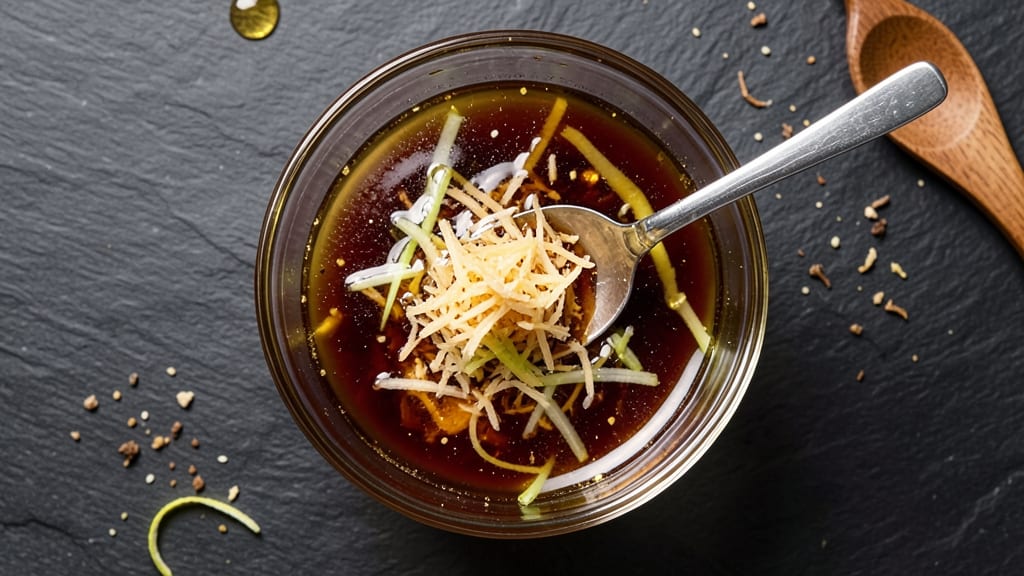
This Asian mandarin salad dressing recipe transforms simple greens into a vibrant, flavor-packed dish with just five ingredients. The bright citrus notes from mandarin orange juice balance perfectly with the umami depth of soy sauce and ginger, creating a dressing that's both refreshing and complex.
I developed this recipe after realizing how much mandarin flavors elevate Asian-inspired salads, and it's become my go-to for everything from crisp cabbage slaw to fresh spring mixes.
The foundation of this dressing lies in its simple yet precise ratio of citrus to soy to oil, which creates a harmonious blend of sweet, tangy, and savory flavors.
Fresh ginger adds a subtle warmth that complements the bright mandarin, while a touch of honey or sugar rounds out the taste without overpowering the citrus. What makes this dressing truly special is its ability to stay balanced—never cloying, never too sharp, just perfectly zesty.
What you'll end up with is a dressing that clings beautifully to greens, adding a glossy sheen and layers of flavor with every toss.
The mandarin's natural sweetness shines through while the ginger and soy provide depth, making this dressing versatile enough for any salad but with a distinct Asian flair. It's the kind of dressing that transforms a simple bowl of greens into a restaurant-worthy dish.
This recipe makes enough for about four servings, and it keeps well in the refrigerator for up to a week, allowing you to enjoy this bright, citrusy flavor all week long.
Whether you're dressing a classic Asian slaw or a fresh spring salad, this dressing brings a burst of flavor that's impossible to resist. Let's get started on making it!
Ingredients for asian mandarin salad dressing
Five ingredients, one zesty dressing that turns any salad into an Asian feast.
| Ingredient | Amount | Notes |
|---|---|---|
| Fresh Mandarin Orange Juice 🍊 | ½ cup | Freshly squeezed, no pulp |
| Rice Vinegar 💧 | 2 tbsp | Seasoned preferred for depth |
| Fresh Ginger 🧄 | 1 tbsp | Finely grated, peeled |
| Sesame Oil 🫒 | 1 tbsp | Toasted for nutty aroma |
| Low-Sodium Soy Sauce 🥢 | 1 ½ tbsp | Kikkoman preferred |
| Honey 🍯 | 1 tbsp | Wildflower for floral notes |
| Toasted Sesame Seeds 🌾 | 1 tsp | For garnish, optional |
| Salt 🧂 | ¼ tsp | Fine sea salt |
The mandarin juice is the star—freshly squeezed makes all the difference. Trader Joe's sells mandarin juice in cartons that work perfectly, but if you're using fresh oranges, strain out all the pulp for a silky texture. Ginger? Buy it fresh—the pre-grated stuff in jars loses its punch fast. For soy sauce, Kikkoman is my go-to, but any low-sodium brand works. The sesame oil? Toasted adds that nutty aroma—don't skip the toasting step if you're using regular sesame oil.
No mandarin juice? Orange juice plus a pinch of mandarin extract gets you close. Short on honey? Maple syrup works 1:1. The sesame seeds are optional but add crunch—store-bought toasted seeds save time, but toasting your own in a dry pan takes 30 seconds. For extra tang, add another teaspoon of rice vinegar. If you're making this ahead, add the sesame oil last—it separates if mixed in too early.
This dressing keeps for 5-7 days in the fridge, but the sesame oil might separate. Just shake it up before using—no big deal. For extra flavor, let it sit for 10 minutes after mixing to let the ginger mellow. I like to make a big batch and keep it in a jar on my fridge shelf—perfect for quick salad tosses all week. If you've got leftovers, freeze in ice cube trays for single-serving portions.
Why You'll Love This Recipe
- Few Ingredients, Big Payoff: I swear by this combo—just juice, vinegar, ginger, a splash of soy, and sesame oil. No fancy gadgets, no hidden pantry staples. Honestly, I keep the mandarin juice and ginger prepped in my fridge so I can toss it together faster than I can reheat takeout.
- Bright and Tangy: That first sip of fresh mandarin juice cuts through everything—like sunshine in a bottle. The ginger adds a little kick, and the sesame oil? It’s the secret that makes it taste like a restaurant dish, not just dressing. (Yes, even on a Tuesday night.)
- Works Everywhere: Drizzle it on greens, toss it with noodles, or use it as a marinade. I’ve even poured it over grilled chicken when I’m lazy. The balance of sweet, sour, and umami means it plays well with anything—no weird flavor clashes here.
- Makes Leftovers Taste Fresh: Here’s what sold me—this dressing actually improves the next day. The ginger mellows out, the flavors meld, and it’s still vibrant. I’ll make a big batch on Sunday, store it in the fridge, and use it all week without it turning sad or flat. Budget-friendly? Absolutely.
Step-by-step instructions for Asian mandarin salad dressing
This dressing comes together in minutes with bright citrus and savory warmth.
Grate the Fresh Ginger
Peel the ginger root using a spoon to scrape off the skin, then grate 1 tablespoon of the fresh ginger using a fine grater or microplane. You want the texture to be as fine as possible—almost like a paste—so the flavor blends seamlessly into the dressing. Set it aside in a small bowl.
Here's the thing: fresh ginger adds depth that powdered ginger can't match. If you're using a pre-grated jar, it won't have the same punch. The grated ginger will mellow slightly as it sits, so don't worry if it looks too intense at first.
Whisk Together the Wet Ingredients
In a medium bowl, combine the 0.5 cup fresh mandarin orange juice, 2 tablespoons rice vinegar, 1.5 tablespoons low-sodium soy sauce, and 1 tablespoon honey. Use a whisk to blend them thoroughly until the honey dissolves completely and the mixture looks uniform.
This is where the magic happens—the tangy citrus meets the umami soy sauce and the slight sweetness of honey. The rice vinegar adds brightness that cuts through the richness. Taste the mixture now—it should be balanced between sweet, sour, and salty, with a hint of tartness from the mandarin juice.
Incorporate the Ginger and Season
Add the freshly grated ginger to the wet mixture and whisk again until fully combined. Sprinkle in the 0.25 teaspoon salt and whisk one more time to distribute it evenly. The dressing should now have a vibrant orange hue with a faint golden tint from the ginger.
This is the moment that matters: the salt enhances all the flavors, making the citrus brighter and the ginger more pronounced. If you're using seasoned rice vinegar, the dressing will have even more complexity. Taste again—it should be perfectly balanced, with the ginger adding a subtle kick.
Finish with Sesame Oil and Toasted Seeds
Drizzle in the 1 tablespoon sesame oil while whisking continuously. The oil will coat the back of a spoon, giving the dressing a silky texture. Finally, sprinkle in the 1 teaspoon toasted sesame seeds (if using) and stir gently—they're for garnish, so you don't need to fully incorporate them.
The sesame oil adds a nutty aroma that ties everything together. The toasted seeds add texture and a final crunch when drizzled over salads. For the best flavor, let the dressing sit for 10 minutes before using—this allows the ginger to mellow and the flavors to meld even more.
Adjust and Use Immediately
Taste the dressing one last time and adjust the balance if needed. If it's too tart, add a touch more honey. If it's too sweet, stir in a splash more rice vinegar. The dressing should coat the back of a spoon but still be pourable—if it's too thick, thin it with 1 teaspoon water at a time.
This dressing works wonders on crisp greens, shredded cabbage, or even as a marinade for grilled chicken. The citrusy brightness pairs beautifully with the earthiness of sesame and the umami depth of soy sauce. Store any leftovers in an airtight container in the fridge for up to 5 days, though it's best used fresh.
Pro Tips For Making Asian Mandarin Salad Dressing
- STRAIN THE GINGER WELL: I learned this the hard way—grated ginger leaves tiny fibers that turn your dressing gritty. Use a fine-mesh sieve or cheesecloth to press out the juice, then rinse the pulp under cold water to extract every last drop. Trust me, the texture difference is noticeable.
- DILUTE THE SOY SAUCE FIRST: Mix the low-sodium soy sauce with a splash of warm water (about 1 teaspoon per tablespoon of soy) before adding it to the dressing. This prevents clumping and ensures it blends smoothly—no one wants lumpy dressing in their salad.
- CHILL THE DRESSING 30 MINUTES: After whisking everything together, pop it in the fridge for at least 30 minutes. The flavors meld better, and the sesame oil won’t overwhelm your taste buds right away. (Yes, even if you’re impatient like me.)
- USE COLD PRESSED SESAME OIL: Skip the toasted sesame oil if you’re making this for something delicate like cucumbers or greens—it can taste bitter. Cold-pressed sesame oil adds nutty depth without overpowering, and it’s easier to control the flavor balance. (Your future self will thank you.)
Dietary considerations for this dish
Gluten-Free Adaptation
This dressing is naturally gluten-free, but always double-check your ingredients. Use tamari instead of soy sauce if you're avoiding gluten entirely—it has a similar umami depth. I like San-J Tamari for its rich flavor.
The rice vinegar and honey are also gluten-free, so you're covered on those fronts. Just ensure your sesame oil and seeds are certified gluten-free if you're highly sensitive. 🌱
Low-Sugar Options
Skip the honey entirely and use 1 teaspoon maple syrup or 1 teaspoon agave nectar for a lower-glycemic option. For even less sugar, omit the sweetener altogether—the mandarin juice and soy sauce already provide enough natural balance.
I find that cutting the honey in half (to ½ teaspoon) works well if you're watching sugar intake but still want a touch of sweetness. 🍯
Vegan-Friendly
This dressing is already vegan, but let me share a pro tip: use agave syrup instead of honey for a plant-based sweetener. The texture remains silky, and the flavor is just as smooth.
For extra richness, add 1 teaspoon tahini to the dressing—it adds a creamy depth that complements the citrus beautifully. Store-bought mandarin juice is typically vegan, but always check the label just in case. 🥜
Allergen Considerations
Sesame is a common allergen, so if you're avoiding it, replace the sesame oil with neutral oil like avocado or grapeseed, and omit the sesame seeds. For nut allergies, this recipe is safe as long as you're not using honey from a facility that processes tree nuts.
I always keep a small jar of sunflower oil on hand for sesame-free versions—it works perfectly without altering the flavor profile. 🌻
Nut-Free Version
If you're avoiding all nuts and seeds, simply omit the sesame oil and seeds entirely. Replace the 1 tablespoon sesame oil with 1 tablespoon neutral oil (like avocado or light olive oil) to maintain the silky texture.
The dressing will still be vibrant and flavorful—just missing the nutty aroma. I've made this version countless times for friends with allergies, and it never disappoints. 💛
Nutrition facts
Frequently asked questions
Can I substitute regular orange juice for mandarin juice?
Yes, but you'll lose some of the delicate floral notes that make mandarin special. Use ½ cup orange juice plus ½ teaspoon mandarin extract (or ½ teaspoon orange blossom water if available) to capture that signature citrus brightness. The dressing will still taste great, just with slightly less complexity.
How long will this dressing keep in the fridge?
This dressing stays fresh for 5-7 days when stored in an airtight container. The sesame oil may separate slightly—just give it a good shake before using. For longer storage, transfer to a freezer-safe container and freeze for up to 3 months (thaw in the fridge overnight).
What's the best way to use up leftover dressing?
Beyond salads, this dressing is fantastic as a marinade for grilled shrimp or chicken (30 minutes before cooking). It also makes a zesty dip for spring rolls or edamame, or drizzle it over steamed veggies like bok choy. The flavor works surprisingly well with cold noodle dishes too!
Can I make this dressing spicier?
Add ½ teaspoon sriracha or ¼ teaspoon red pepper flakes for heat, or a pinch of cayenne for subtle kick. For a different kind of spice, try 1 teaspoon toasted chili oil instead of sesame oil. Always taste first—ginger already adds warmth, so adjust gradually.
Why did my dressing turn cloudy?
Cloudiness usually means the ginger wasn't fully incorporated or the dressing sat too long before using. Whisk vigorously to re-emulsify, or add 1 teaspoon warm water to thin it out. For future batches, let the dressing rest for 10 minutes after mixing to help the ingredients fully meld.