
Side Dishes
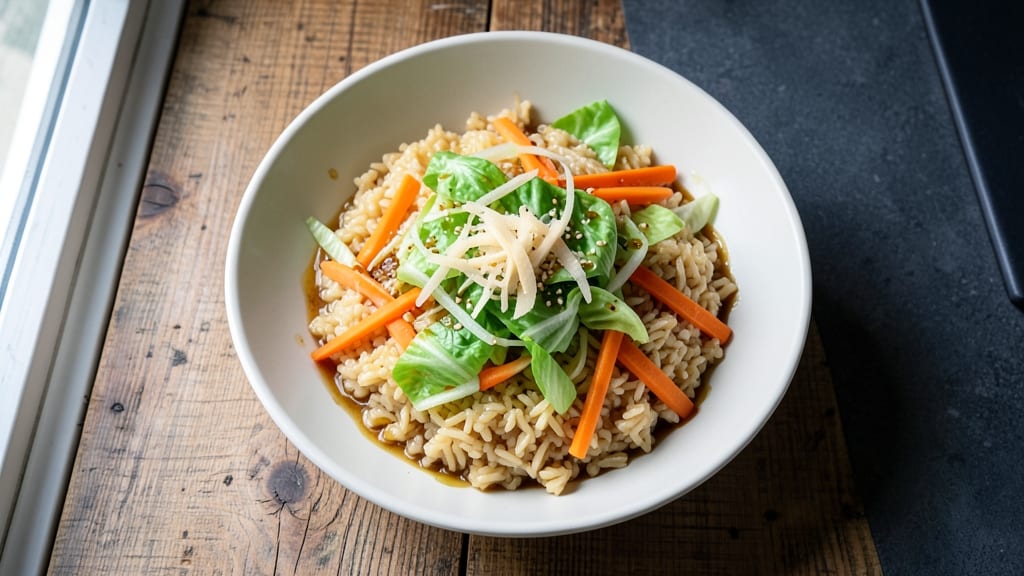
This Asian orzo salad recipe transforms simple pasta into a vibrant, nutty, and citrusy bowl that’s ready in just 20 minutes. The secret lies in a tangy sesame-ginger dressing that coats each al dente orzo grain, while crunchy veggies and toasted sesame seeds add texture and depth. I developed this dish after craving something fresh, flavorful, and quick enough for a weeknight dinner that still feels special.
The salad’s foundation is a miso-infused broth that cooks the orzo, infusing it with umami richness without overpowering the bright citrus and sesame notes. Shredded cabbage and carrots add crispness, while a sprinkle of crushed peanuts or cashews delivers that signature Asian crunch.
The dressing—balancing sweet, tangy, and nutty flavors—ties everything together effortlessly.
What makes this dish stand out is its versatility. Serve it as a light main with grilled chicken or shrimp, or as a side to complement grilled meats or sushi. The flavors evolve beautifully after 15 minutes of chilling, allowing the dressing to meld perfectly with the orzo.
It’s the kind of recipe that’s simple to prepare but feels like a restaurant-quality meal.
Perfect for meal prep, potlucks, or a refreshing lunch, this Asian orzo salad brings bold flavors and satisfying textures to the table. The best part? It’s ready in under 20 minutes, making it ideal for busy schedules without sacrificing taste or presentation. Let’s get started!
Ingredients for asian orzo salad
Fresh ingredients meet bold Asian flavors in this quick orzo salad.
| Ingredient | Amount | Notes |
|---|---|---|
| Orzo Pasta 🍝 | 1 cup | Uncooked, medium or short grain |
| White Miso Paste 🧈 | 1 tbsp | High-quality, preferably Japanese |
| Green Cabbage 🥬 | 2 cups | Shredded, thinly sliced |
| Carrots 🥕 | 1 medium | Shredded, about 1 cup |
| Fresh Ginger 🌿 | 1 tbsp | Grated, finely minced |
| Sesame Oil 🫒 | 2 tbsp | Toasted, for flavor |
| Rice Vinegar 🍶 | 3 tbsp | White or seasoned |
| Sesame Seeds 🌰 | 2 tbsp | Toasted, for garnish |
| Peanuts 🥜 | ½ cup | Crushed, unsalted |
| Lime Juice 🍋 | 2 tbsp | Freshly squeezed |
| Honey 🍯 | 1 tbsp | Or agave for vegan option |
| Salt 🧂 | ½ tsp | Kosher or sea salt |
| Black Pepper 🌶️ | ¼ tsp | Freshly ground |
| Vegetable Oil 🫒 | 1 tbsp | For cooking orzo |
The miso paste is non-negotiable here—look for Japanese white miso at Whole Foods or the Asian aisle of your grocery store. The toasted sesame oil adds depth, but don't overdo it (a little goes a long way). For the cabbage, I always grab green cabbage because it's crunchier than red. If you can't find shredded carrots pre-packaged, a box grater solves that fast. The orzo should be medium or short grain—it cooks faster and absorbs flavors better.
No miso? Substitute 1 tbsp soy sauce plus 1/2 tbsp honey for a similar umami punch. Running out of sesame oil? Toasted peanut oil works too. The peanuts can be swapped for crushed cashews or almonds if you prefer. Fresh ginger is ideal, but dried ginger at 1/4 the amount gets you close. The dressing needs to balance sweet, tangy, and nutty—adjust honey or lime juice to taste. For extra crunch, toast the sesame seeds in a dry pan for 30 seconds.
Prep the dressing first—it's the secret to even flavor distribution. Store leftovers in an airtight container for 3-4 days in the fridge, but the dressing separates over time, so shake it well before serving. For meal prep, keep components separate until ready to eat—this salad tastes best when everything's crisp. The flavors actually improve after 15 minutes of chilling, so make it ahead if you can.
Why You'll Love This Recipe
- I swear by this trick: chop the cabbage and carrots while the orzo cooks, then toss everything in one bowl. The miso paste does all the heavy lifting—just whisk it with a splash of rice vinegar and sesame oil, and you’ve got a dressing that’s actually flavorful without fuss.
- No-Cook Prep Magic: I swear by this trick: chop the cabbage and carrots while the orzo cooks, then toss everything in one bowl. The miso paste does all the heavy lifting—just whisk it with a splash of rice vinegar and sesame oil, and you’ve got a dressing that’s actually flavorful without fuss.
- Umami Bomb: That white miso paste? It’s the secret weapon here. One spoonful transforms simple orzo into something rich and savory, while the fresh ginger cuts through the earthiness like a bright, zesty whisper. Honestly, it’s the kind of flavor that makes you go back for seconds without trying.
- Lunchbox Hero: Between us, this salad holds up perfectly for three days in the fridge—no sad wilted greens here. Pack it in mason jars (raw veggies on the bottom, orzo on top) for a lunch that feels gourmet but costs less than takeout. My office coworkers still ask where I get it from.
Step-by-step instructions for Asian orzo salad
Here's how to create a vibrant, nutty sesame-citrus salad with perfectly cooked orzo.
Cook the Orzo to Al Dente Perfection
Bring a medium pot of water to a rolling boil and add 1 cup orzo pasta along with ½ teaspoon salt. Stir immediately to prevent sticking. Cook for 8-10 minutes until the orzo is tender but still has a slight bite—it should be al dente with a slight resistance when bitten. Drain in a colander and rinse briefly under cold water to stop the cooking process. This prevents the orzo from becoming mushy when mixed with the dressing later.
I like to shock the orzo with cold water for about 30 seconds after draining. This step is crucial—it stops the cooking process instantly and gives the orzo a brighter texture. Spread the drained orzo on a baking sheet and let it cool completely before assembling the salad. Warm orzo will release excess moisture and dilute the dressing.
Prepare the Vegetable Medley
While the orzo cooks, shred 2 cups green cabbage and 1 medium carrot using a mandoline or sharp knife. Aim for thin, even slices—about ⅛-inch thick. Place the shredded vegetables in a large mixing bowl and sprinkle with 1 tablespoon finely grated fresh ginger and ½ teaspoon salt. Toss gently to combine, then let sit for 5 minutes to allow the ginger to infuse the vegetables with its bright, zesty flavor.
This resting period might seem unnecessary, but it makes a difference. The ginger releases its essential oils and mellows slightly, creating a more balanced flavor profile. If you're short on time, you can skip this step, but I've found that even 3 minutes of resting improves the overall taste.
Create the Nutty Sesame Dressing
In a small bowl, whisk together 1 tablespoon white miso paste, 3 tablespoons rice vinegar, 2 tablespoons lime juice, 1 tablespoon honey, 2 tablespoons sesame oil, ¼ teaspoon black pepper, and 1 tablespoon vegetable oil. Start with the miso paste and vinegar, then gradually add the remaining ingredients while whisking vigorously. The dressing should be smooth and slightly thick—if it looks too thin, add ½ teaspoon more honey to help emulsify it.
Taste the dressing before combining with the salad. It should balance sweet, tangy, umami, and nutty flavors. If it needs more brightness, add ½ teaspoon more lime juice. If it's too sharp, a touch of honey will mellow it out. This dressing is the heart of the salad, so take your time to get it just right.
Assemble and Toss the Salad
Add the cooled orzo and vegetable mixture to the bowl with the dressing. Using clean hands or a large spoon, gently fold everything together until the orzo and vegetables are evenly coated. The salad should look vibrant and glossy—if it appears dry, add 1 tablespoon water to help the dressing bind. Let the salad sit for 5 minutes to allow the flavors to meld together.
While the salad rests, crush ½ cup peanuts in a small pan over medium heat for 2-3 minutes until lightly toasted and fragrant. Keep them close to the stove so they stay warm when you're ready to serve. The nutty aroma will complement the dressing beautifully.
Garnish and Serve Immediately
Transfer the salad to a large serving platter and sprinkle with 2 tablespoons toasted sesame seeds. The seeds add a final crunchy texture and visual appeal. Serve the salad immediately while the peanuts are still warm and the dressing is glossy. Each bite should deliver a perfect balance of creamy orzo, crisp vegetables, nutty peanuts, and the bright sesame-citrus dressing.
This salad keeps well in the refrigerator for up to 3 days, but I recommend serving it fresh. The flavors develop over time, but the texture of the vegetables and peanuts is best enjoyed immediately. Pair it with grilled proteins or use it as a light, refreshing main course on its own.
Pro Tips For Making Asian Orzo Salad
- Rinse Orzo Twice: The first rinse removes starch, but the second—after cooking—gets rid of the gummy film that forms when orzo sits in water. I learned this the hard way when my salad turned into a gluey mess; drain, rinse under cold water, and shake it dry before tossing with miso.
- Toast Miso First: Warm the white miso paste in a dry pan for 30 seconds before adding liquid—it deepens the umami without bitterness. Sounds weird, but it works: the paste blends smoother and coats the orzo better than if you dump it cold straight into the dressing.
- Shred Cabbage Thin: Use a mandoline or sharp knife for paper-thin strips—thick slices stay soggy and dull the crunch. I was skeptical until I tried it: the salad holds up for hours, and the texture stays bright against the orzo’s chew.
- Cook Orzo Al Dente: Pull it out when it’s still slightly firm—it’ll finish cooking in the dressing. Overcooked orzo turns mushy when tossed with cold veggies and miso; aim for 1 minute less than package instructions, then shock in ice water to stop cooking.
Storing and reheating this dish
Refrigerator Storage
Store your Asian orzo salad in an airtight container with a tight-fitting lid to maintain freshness. I use glass Pyrex containers because they keep the salad crisp longer than plastic.
Place it in the fridge for up to 3 days, but the texture of the cabbage and peanuts stays best within 2 days. The dressing may separate slightly—just give it a good stir before serving. 🥬
Freezer-Friendly Prep
While this salad isn’t ideal for long freezer storage (the veggies get soggy), you can freeze the dressing separately in an ice cube tray for up to 1 month. Thaw overnight in the fridge and whisk vigorously to restore its creamy texture.
For the orzo base, cook it as directed, cool completely, and freeze in a single layer on a tray before transferring to a ziplock bag. Reheat gently in the microwave with 1 tablespoon water to restore moisture. ❄️
Reheating for Best Texture
For stovetop reheating, transfer the salad to a skillet over low heat and add 1 tablespoon water or rice vinegar to restore crispness. Warm for 2-3 minutes, stirring gently, until everything is heated through.
Avoid microwaving—it turns the cabbage mushy. If the dressing seems too thick after reheating, thin it with ½ teaspoon lime juice to revive the bright flavors. 🔥
Reviving Day-Old Salad
If your salad has lost its crunch after refrigeration, toss it with 1 teaspoon toasted sesame oil and ½ teaspoon lime juice to refresh the flavors. For extra crunch, add ¼ cup fresh shredded cabbage or 1 tablespoon crushed peanuts right before serving.
The miso and ginger flavors actually deepen overnight, so don’t toss it—just revive it! ✨
Portioning for Meal Prep
Divide the salad into single-serving glass containers for easy grab-and-go lunches. Store the dressing separately in a small jar and mix it in just before eating. I like to pack ½ cup salad per container with a side of grilled chicken or tofu for a complete meal.
Label containers with the date to track freshness—this salad tastes best within 2 days of prep. 📅
Nutrition facts
Frequently asked questions
Can I use regular pasta instead of orzo?
While you could use short pasta like fusilli or penne, orzo's unique shape and texture are key to this salad. The grains hold the dressing beautifully and provide that satisfying bite. If you're set on using another pasta, try couscous or rice noodles for a similar texture, but adjust the cooking time to 5 minutes or per package instructions.
How do I make this salad gluten-free?
Swap the orzo for gluten-free orzo (check labels for certified GF options) or use quinoa instead. For the dressing, ensure your miso paste is gluten-free (some contain wheat), and use tamari instead of regular soy sauce if needed. The rest of the ingredients are naturally gluten-free.
Can I prepare this salad ahead of time?
Yes! Assemble everything except the peanuts and sesame seeds up to 2 days ahead. Store in an airtight container and keep the dressing separate until serving. Just before eating, toast fresh peanuts and sprinkle with sesame seeds. The flavors actually improve after chilling, making it perfect for meal prep.
What's the best way to add protein?
Grilled chicken breast, shrimp, or tofu work beautifully. For chicken, marinate in soy sauce + ginger for 15 minutes before grilling. Shrimp should be sautéed for 2-3 minutes per side until pink. Add protein just before serving to keep it warm and prevent sogginess.
Why does my dressing separate?
This is normal! The oils and vinegar naturally separate. Simply whisk vigorously before using or shake the container. For a thicker dressing, add ½ teaspoon honey or 1 teaspoon cornstarch mixed with water. The salad's flavors will still be delicious—just give it a good stir.