
Sauces & Condiments
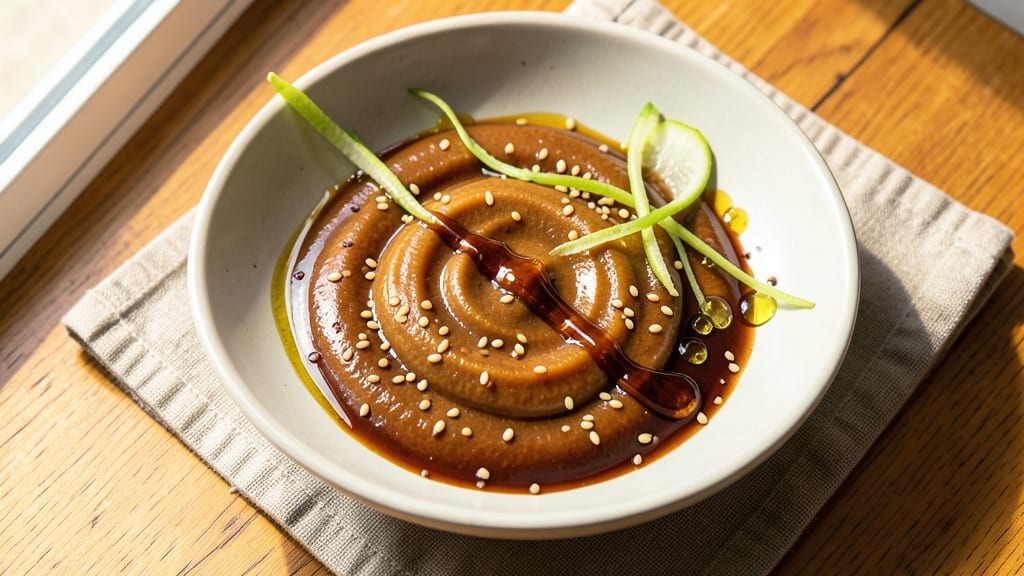
This Asian toasted sesame salad dressing recipe transforms simple pantry staples into a velvety, nutty dressing packed with umami depth—perfect for salads, noodles, or marinades. The secret lies in toasting sesame seeds until they release their rich aroma, then blending them with a tangy vinegar base and aromatic ginger. I developed this recipe after years of testing store-bought versions that always fell short of homemade depth.
What sets this dressing apart is the balance of flavors: toasted sesame seeds add nutty warmth, rice vinegar provides brightness, and a touch of soy sauce delivers that signature umami punch. The dressing comes together in minutes with just a few ingredients, yet its complexity rivals restaurant-quality sauces.
It’s vegan-friendly, gluten-free (if using tamari), and keeps beautifully in the fridge for up to a week.
Use it to elevate Asian-inspired salads, drizzle over steamed vegetables, or toss with noodles for instant flavor. The dressing’s versatility makes it a pantry essential—once you try it, you’ll never go back to bottled versions. The process is straightforward, but the results are anything but basic.
For best results, toast the sesame seeds until fragrant (not burnt) and let the dressing sit for 10 minutes before using—this allows the flavors to meld completely. Adjust the sweetness or tang to your taste, and store any leftovers in an airtight container.
Ready in under 10 minutes, this dressing is your new kitchen game-changer.
Ingredients for asian toasted sesame salad dressing
Eight simple ingredients create this velvety, umami-packed dressing that beats store-bought versions.
| Ingredient | Amount | Notes |
|---|---|---|
| Toasted Sesame Seeds 🥜 | ½ cup | Lightly toasted until fragrant |
| Rice Vinegar 🍶 | ½ cup | White or seasoned variety |
| Sesame Oil 🫒 | ¼ cup | Toasted sesame oil preferred |
| Tamari or Soy Sauce 🥢 | 2 tbsp | Gluten-free tamari if needed |
| Fresh Ginger 🧄 | 1 tbsp | Grated, freshly grated preferred |
| Maple Syrup 🍯 | 1 tbsp | Or agave nectar for vegan option |
| Water 💧 | ¼ cup | Adjust for desired consistency |
| Garlic Cloves 🧄 | 2 cloves | Minced or grated finely |
The sesame seeds are non-negotiable—toast them in a dry pan over medium heat until they smell heavenly (about 3-4 minutes). Trader Joe's or Whole Foods carry pre-toasted seeds, but toasting your own makes all the difference. For the rice vinegar, Kikkoman or Marukan are my go-tos—they’ve got that perfect balance of tang. The ginger should be fresh, not powdered—it adds a zesty kick that powder can’t match. If you’re gluten-sensitive, tamari instead of soy sauce keeps it safe while delivering that same savory punch.
No sesame oil? Substitute neutral oil like avocado or light olive oil—just know it’ll lack that nutty depth. Short on maple syrup? Date syrup or even a touch of coconut sugar works, though maple’s floral notes are ideal. The water is your consistency control—start with 1/4 cup and add more if it’s too thick. For extra richness, add 1 tsp of tahini—it blends right in. And if you’ve got red pepper flakes, toss in a pinch for a subtle kick.
This dressing keeps beautifully for up to 1 week in the fridge, but the flavor actually improves after 24 hours as everything melds. Store it in an airtight jar, and give it a quick shake before each use. For longer storage, freeze in ice cube trays—thaw and blend with a splash of water if it thickens. I always make double batches—one for salads, one for marinating tofu or grilled veggies. The leftovers? Perfect for drizzling over ramen or stir-fries.
Why You'll Love This Recipe
- Five-Ingredient Magic: I swear by this—just toasted sesame seeds, rice vinegar, a splash of sesame oil, tamari, and fresh ginger. That’s it. No fancy gadgets, no stress, just a whisk and a bowl. Honestly, if you can measure and stir, you’ve got this.
- Umami Bomb: The moment I add that toasted sesame oil and tamari? Instant flavor explosion. It’s nutty, tangy, and just a little sweet—like a warm hug for your taste buds. That ginger? It’s the secret that ties everything together without overpowering.
- Salad Game-Changer: This dressing turns a basic bowl of greens into a restaurant-worthy meal. Drizzle it over cucumbers and edamame for a quick lunch, or toss it with roasted veggies for dinner. Even my picky-eating teen asks for seconds when it’s on the table.
- Pantry Staple: I make a big batch on Sundays and keep it in the fridge for the week. It’s cheap, lasts forever, and saves me from buying overpriced bottles of dressing. Plus, it’s the only thing that makes my sad office salad actually exciting.
Step-by-step instructions for Asian toasted sesame salad dressing
Here's how to blend nutty, umami-packed flavor in just minutes—no fancy tools needed.
Toast the Sesame Seeds for Maximum Flavor
Heat a dry skillet over medium heat and add the 0.5 cup toasted sesame seeds. Toast for 2-3 minutes, stirring constantly, until they turn a deeper golden brown and release their nutty aroma. You'll know they're ready when they smell rich and toasty—this is what gives the dressing its signature depth.
Let the seeds cool for 5 minutes before grinding. This prevents burning and ensures you capture all that toasted flavor. I like to keep a small bowl nearby to catch any stray seeds that might jump out of the pan during toasting.
Grind the Seeds into a Fine Paste
Transfer the toasted sesame seeds to a food processor or mortar and pestle. Process for 1-2 minutes until you have a fine, powdery paste with no visible seeds remaining. If using a food processor, pulse occasionally to prevent overheating—you want the seeds ground, not cooked further.
This step is crucial for texture. A fine paste will blend smoothly into the dressing, while coarse seeds will create an uneven, grainy consistency. If you don't have a food processor, a clean coffee grinder works well for small batches.
Combine Wet Ingredients in a Bowl
In a medium bowl, whisk together the 0.5 cup rice vinegar, 2 tbsp tamari or soy sauce, 1 tbsp maple syrup, 0.25 cup water, and the 2 cloves minced garlic. Mix until the maple syrup and water are fully incorporated and the mixture is smooth. The vinegar will start to mellow slightly as it mixes with the other ingredients.
This is where the dressing's balance begins. The vinegar provides acidity, the tamari adds umami depth, and the maple syrup rounds out the flavors. The water helps thin the dressing to your desired consistency—you can always adjust later if needed.
Add the Ground Sesame Paste and Ginger
Add the ground sesame paste and 1 tbsp freshly grated ginger to the wet ingredients. Using a whisk or fork, stir vigorously for 1-2 minutes until the paste is completely dissolved and the dressing is smooth. The ginger will infuse its zesty kick, while the sesame paste brings that nutty richness.
Here's where it gets good—taste as you go. If the dressing tastes too sharp, add a touch more maple syrup. Too salty? A splash of water or extra vinegar can balance it. The goal is a harmonious blend of sweet, tangy, nutty, and umami flavors.
Finish with Sesame Oil and Adjust Consistency
Drizzle in the 0.25 cup sesame oil while whisking continuously. The oil will emulsify the dressing, giving it a glossy finish and adding another layer of nutty flavor. Start with a slow drizzle to prevent the oil from separating, then whisk until fully combined.
For a thinner dressing, add 1-2 tablespoons of water at a time until you reach your desired consistency. For a thicker dressing, let it sit for 10 minutes to thicken naturally. The dressing should coat the back of a spoon but still pour smoothly. Store any leftovers in an airtight container in the refrigerator for up to 1 week.
Pro Tips For Making Asian Toasted Sesame Salad Dressing
- Toast the Seeds Dry: I learned this the hard way—wet toasted sesame seeds in dressing turn into a sad, clumpy mess. Heat a dry skillet over medium-low, spread the seeds in a single layer, and stir constantly for 2-3 minutes until they’re golden and fragrant. No oil needed—just watch them like a hawk.
- Grate Ginger Fresh, No Compromises: Pre-grated ginger tastes like sawdust and ruins the dressing’s bright snap. Use a microplane or fine grater, then let the zest sit for 10 seconds to soften—this prevents bitterness. (Yes, even if you’re impatient like me.)
- Temper the Sesame Oil: Pour the oil into the warm dressing slowly while whisking like you’re mixing a cocktail. Cold oil sinks and creates a weird separation that’s hard to fix. A few drops at a time keeps the emulsion smooth—no one wants a dressing that looks like a science experiment gone wrong.
- Balance the Vinegar Last: Add rice vinegar first, but taste before tossing in tamari. The salt in soy sauce can mute the tang, so adjust vinegar to taste before committing to the umami. Trust your palate—this isn’t a math problem.
Pro cooking tips for great asian toasted sesame salad dressing
Toast Sesame Seeds Perfectly
Toast your sesame seeds in a dry skillet over medium heat for exactly 2-3 minutes, stirring constantly until they turn golden and smell deeply nutty. The key is to watch them closely—they burn quickly! I like to use a non-stick pan and keep the heat consistent.
Let them cool for 5 minutes before grinding to preserve their flavor. If you're short on time, Trader Joe's pre-toasted sesame seeds work in a pinch, but toasting fresh makes all the difference. 🥜
Grind to a Smooth Paste
Use a food processor or mortar and pestle to grind the toasted sesame seeds into a fine paste—no visible seeds should remain. Pulse in short bursts if using a food processor to avoid overheating, which can make the seeds bitter.
For a smoother texture, strain the paste through a fine-mesh sieve if needed. If you don’t have a food processor, a clean coffee grinder works well for small batches. This step ensures your dressing blends seamlessly without graininess.
Emulsify Like a Pro
When adding the sesame oil, drizzle it slowly into the dressing while whisking vigorously to create a stable emulsion. The oil should blend smoothly without separating. If it does separate, whisk in 1 tsp of water at a time until it recombines.
For extra richness, add 1 tsp of tahini to the wet ingredients before blending. This trick adds depth and helps the dressing cling better to greens or noodles. 💫
Balance Flavors Precisely
Taste your dressing as you go and adjust the balance of flavors. Too sharp? Add ½ tsp more maple syrup. Too salty? Dilute with 1 tsp water or a splash of rice vinegar. For a spicy kick, mix in ¼ tsp red pepper flakes.
The ideal dressing should harmonize sweet, tangy, nutty, and umami notes. I often make a small batch first to test the flavor before scaling up—this saves time and ingredients.
Thicken or Thin as Needed
If your dressing is too thick, thin it with water, 1 tbsp at a time, until it reaches a pourable consistency. For a thicker dressing, let it sit for 10-15 minutes—the starches in the sesame paste will naturally thicken it.
If it separates after refrigeration, whisk in 1 tsp of warm water to restore its smooth texture. The dressing should coat the back of a spoon but still pour easily for drizzling over salads or noodles.
Nutrition facts
Frequently asked questions
Can I make this dressing without a food processor?
For a smooth texture, grind the toasted sesame seeds in a mortar and pestle or use a clean coffee grinder in short bursts. If you don’t have either, toast the seeds extra well and let them sit in the wet ingredients for 10 minutes—they’ll soften and blend naturally when whisked. The flavor will still be rich, though slightly textured.
How do I adjust the dressing for spicier or sweeter preferences?
For extra heat, stir in ¼ tsp red pepper flakes or a dash of Sriracha. Need more sweetness? Add ½ tsp maple syrup or a pinch of coconut sugar. For a tangier profile, increase the rice vinegar by 1 tsp. Always taste as you go—small adjustments make the biggest difference!
What’s the best way to store leftovers?
Transfer the dressing to an airtight container and refrigerate for up to 1 week. Before using, shake or whisk well—it may thicken slightly. For longer storage, freeze in ice cube trays, then transfer cubes to a bag. Thaw overnight in the fridge and stir with 1 tsp water if needed. The flavor actually improves after 24 hours!
Can I use this dressing for non-salad purposes?
Yes! This versatile dressing elevates noodle bowls, grilled veggies, or even marinades for tofu/chicken. For marinades, reduce the water by half and add 1 tsp cornstarch to help it cling. It also works as a dipping sauce for spring rolls or dumplings—just thin with a splash of water if needed.
Why did my dressing separate after refrigeration?
Separation happens when the oil and liquid phases split. Fix it by whisking in 1 tsp warm water or sesame oil until smooth. To prevent it, ensure the sesame paste is fully dissolved before adding oil, and whisk vigorously during the final step. For extra stability, add ½ tsp xanthan gum to the wet ingredients.