
Sauces & Condiments
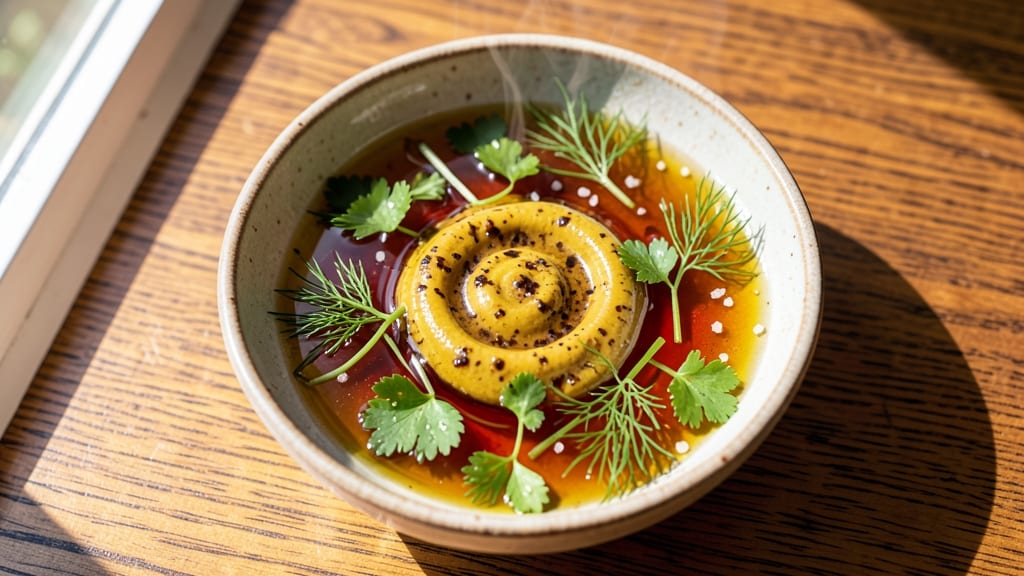
This Assaggio House Salad Dressing Recipe delivers the perfect balance of herbaceous freshness and bright tang that transforms ordinary salads into restaurant-worthy dishes.
The secret lies in a carefully emulsified blend of high-quality olive oil, red wine vinegar, and a fragrant herb mixture that elevates every leafy green or hearty salad component. I developed this dressing to create a versatile foundation that works equally well with classic iceberg wedges or modern grain bowls.
The recipe begins with a simple yet sophisticated base of extra-virgin olive oil and red wine vinegar, which creates the ideal sweet-tart foundation.
Fresh herbs like dill, parsley, and chives add layers of aromatic complexity, while a touch of Dijon mustard ensures proper emulsification for a silky texture that clings beautifully to salad ingredients. The addition of honey provides just enough sweetness to complement the acidity without overpowering the natural flavors.
What sets this dressing apart is its ability to enhance both traditional and contemporary salads while maintaining a professional-quality finish. The emulsified texture prevents separation, ensuring every pour delivers consistent flavor and coverage.
Whether you're dressing a crisp Caesar salad or a vibrant quinoa bowl, this dressing brings harmony to the plate with its balanced sweetness and tangy brightness.
With just six simple ingredients and a quick whisking process, this dressing comes together in minutes and keeps beautifully in the refrigerator for up to one week. Perfect for meal prep, this versatile condiment will become your go-to for elevating any salad from ordinary to extraordinary.
Let's create this flavorful foundation for your next meal.
Ingredients for assaggio house salad dressing
Six ingredients transform into a restaurant-quality dressing that elevates any salad from ordinary to extraordinary.
| Ingredient | Amount | Notes |
|---|---|---|
| Extra-Virgin Olive Oil 🫒 | ½ cup | High-quality, fruity variety preferred |
| Red Wine Vinegar 🍷 | ¼ cup | Dry, robust flavor recommended |
| Fresh Dill Leaves 🌿 | ¼ cup | Finely chopped, stems removed |
| Fresh Parsley Leaves 🌿 | ¼ cup | Flat-leaf preferred, finely chopped |
| Fresh Chives 🌱 | ¼ cup | Finely minced, vibrant green |
| Dijon Mustard 🍯 | 1 tbsp | High-quality, smooth texture |
| Honey 🍯 | 1 tbsp | Light, mild variety preferred |
| Diamond Crystal Kosher Salt 🧂 | ½ tsp | Fine grain for proper dissolution |
| Freshly Ground Black Pepper 🌶️ | ¼ tsp | Freshly cracked for optimal flavor |
The foundation of this dressing lies in the quality of your olive oil and vinegar. Look for extra-virgin olive oil with a fruity, peppery finish—brands like California Olive Ranch or Colavita deliver consistent quality. For the vinegar, dry red wine vinegar provides the necessary acidity without overpowering the delicate herb notes; Bartles & Jaymes or Bragg are reliable choices. Fresh herbs are non-negotiable here—their vibrant flavors define this dressing. Purchase from a trusted farmers market or specialty grocery store where herbs are harvested daily. If using dried herbs, reduce to one-third the amount, but fresh is ideal for that restaurant-quality finish.
No Dijon mustard? Whole-grain mustard thinned with a splash of vinegar works in a pinch, though the texture may differ slightly. Substituting honey? Maple syrup or agave nectar provide similar sweetness, though honey's floral notes are preferred. For a lighter dressing, reduce the honey to 1 teaspoon and add 1 teaspoon of lemon juice instead. If you're short on fresh herbs, a blend of dried dill, parsley, and chives can be used at one-third the amount, though the flavor will be less vibrant. The emulsification relies on the Dijon mustard and honey—ensure they're properly combined to prevent separation.
This dressing maintains its ideal consistency for up to one week when stored in an airtight container in the refrigerator. To extend its shelf life, pour a thin layer of olive oil over the top before sealing, which preserves the freshness of the herbs. For best results, shake or whisk gently before each use to re-emulsify. The dressing can also be frozen in ice cube trays for up to three months, with each cube yielding roughly 1 tablespoon. Thaw in the refrigerator before use, and give it a good stir to restore its silky texture.
Why You'll Love This Recipe
- No-Chop Required: I swear by this trick—just toss the whole stems of dill and parsley into the blender, pulse, then strain. No knife skills needed, and the flavor’s still bright as day.
- Herb-Packed Punch: That trio of fresh herbs—dill, parsley, chives—hits like a Mediterranean breeze. The dill’s grassy kick, the parsley’s clean finish, and chives adding just enough bite? It’s the kind of dressing that makes you want to eat salad for breakfast.
- Meal Prep MVP: Make a big batch on Sunday, and you’ve got dressing for lunches, grain bowls, or even drizzled over grilled fish all week. Between us, I’ve used this on everything from roasted veggies to scrambled eggs—it’s that versatile.
- Budget Brightener: Good olive oil and vinegar already elevate any dish, but here’s the secret: this dressing costs pennies per serving. Fresh herbs? Buy a big bunch, store them right, and you’ll have dressing cheaper than store-bought for months.
Step-by-step instructions for herb-infused salad dressing
This dressing balances fresh herbs, tangy vinegar, and subtle sweetness for a versatile, restaurant-quality finish.
Combine Wet Ingredients for Emulsification
In a medium bowl, whisk together the 0.5 cup extra-virgin olive oil and 0.25 cup red wine vinegar until fully incorporated. I use a fork first to break up the oil, then switch to a whisk for about 30 seconds to ensure they blend smoothly. The vinegar should disperse evenly without visible streaks—this prevents separation later.
Next, add the 1 tablespoon Dijon mustard and 1 tablespoon honey, whisking continuously for another 20 seconds. The mustard acts as an emulsifier, while the honey adds depth without overpowering. Taste the mixture at this stage—it should be pleasantly tangy with a mild sweetness, but not cloying. Adjust the honey slightly if needed, but remember we'll add fresh herbs next for balance.
Incorporate Fresh Herbs for Vibrant Flavor
Add the 0.25 cup finely chopped fresh dill leaves, 0.25 cup finely chopped flat-leaf parsley, and 0.25 cup minced fresh chives to the bowl. Using a rubber spatula, gently fold them into the dressing until fully distributed. The herbs should be evenly dispersed but not pulverized—you want visible flecks for texture and color.
Here's the thing—fresh herbs release their oils when chopped, which helps stabilize the emulsion. I press down lightly on the herbs with the spatula to release their juices before folding. This ensures every bite of salad gets that bright, herbaceous punch without making the dressing too thick.
Season and Emulsify to Perfection
Add the 0.5 teaspoon Diamond Crystal kosher salt and 0.25 teaspoon freshly ground black pepper, then whisk vigorously for 45 seconds to fully incorporate. The salt should dissolve completely—if you see any grains, whisk a bit longer or tap the bowl gently to help it dissolve.
Taste and adjust seasoning if needed. The dressing should be well-balanced: the vinegar provides acidity, the honey adds sweetness, the mustard contributes depth, and the herbs bring freshness. If it tastes too sharp, add a tiny bit more honey; if it's too mild, a splash of vinegar helps. The key is harmony—each component should complement the others without overpowering.
Final Emulsification and Resting
Transfer the dressing to a clean jar with a tight-sealing lid. Seal and shake vigorously for 10 seconds to fully emulsify the ingredients. The dressing should look smooth and homogeneous, with no visible separation. If you see any streaks of oil, shake it a bit longer—this indicates it needs more time to stabilize.
Let the dressing rest at room temperature for at least 15 minutes before using. This resting period allows the flavors to meld and the emulsion to fully set. I find that resting also enhances the herb flavors, making them more pronounced and aromatic. Once rested, give it one final shake before drizzling over your salad for the best results.
Pro Tips For Making Assaggio House Salad Dressing
- STACK THE HERBS: Start by roughly chopping dill, parsley, and chives together—no need for perfect uniformity. The texture breaks down in minutes anyway, and you’ll save time scraping the bowl later.
- CHILL THE VINEGAR: Pour the red wine vinegar into an ice bath for 10 minutes before mixing. Cold vinegar blends smoother and sharpens the flavor without overpowering the herbs—trust me, your taste buds will notice.
- SALT THE OIL FIRST: Add a pinch of flaky salt to the olive oil before whisking in the vinegar. It mellows the acidity and balances the brightness, especially if you’re using a bold, peppery EVOO.
- WHISK IN STAGES: Don’t dump everything in at once. Mix the vinegar and herbs first, then slowly drizzle in the oil while whisking vigorously. This emulsifies the dressing instantly and prevents separation later.
Perfect pairings for this recipe
Classic Salad Pairings
This dressing shines with crisp iceberg wedges—its tangy brightness cuts through the cool, crunchy texture perfectly. I like to add crumbled blue cheese and toasted walnuts for a rich contrast.
For a lighter option, pair with mixed greens, shaved fennel, and thinly sliced cucumbers—the herbs in the dressing complement the earthy fennel beautifully. 🥗
Protein-Packed Bowls
Transform your grain bowls with this dressing—it works wonders with grilled chicken breast, seared salmon, or crispy chickpeas. I toss quinoa or farro with roasted vegetables like zucchini and cherry tomatoes, then drizzle generously before adding protein.
The honey in the dressing caramelizes slightly when heated, adding a subtle depth that ties everything together.
Cheese and Charcuterie
Drizzle this dressing over goat cheese crostini or alongside prosciutto-wrapped melon for an unexpected but delightful flavor combo. The acidity in the vinegar balances the richness of the cheese, while the herbs add a refreshing note.
I also love using it as a dip for crudités—carrot sticks, celery, and bell pepper strips become irresistible with this dressing. 🧀
Warm Salad Applications
Don't limit this dressing to cold salads—it elevates warm roasted vegetable salads too. Try it with roasted Brussels sprouts, caramelized onions, and crispy sage. The warmth of the vegetables enhances the dressing's herbal notes, creating a cozy yet sophisticated dish perfect for chilly evenings.
Beverage Pairings
For a refreshing contrast, pair this dressing with sparkling water infused with cucumber and mint. The effervescence cleanses your palate between bites. If you prefer alcohol, a crisp Sauvignon Blanc or light lager complements the dressing's brightness.
Avoid heavy wines or dark beers—they can overpower the delicate herbaceous flavors. 🍷
Global Variations
For a Mediterranean twist, add lemon zest and finely chopped kalamata olives to the dressing before serving. A Southwest-inspired version swaps honey for agave and adds lime juice and cilantro. Each variation keeps the dressing's balanced foundation while introducing exciting new flavors that pair beautifully with global-inspired salads.
Nutrition facts
Frequently asked questions
Why does this dressing need Dijon mustard?
The Dijon mustard is the secret to a stable emulsion! It helps bind the oil and vinegar together, preventing separation and creating that silky texture you want in every pour. Without it, you'd end up with a vinaigrette that splits into layers. The mustard also adds subtle depth that rounds out the bright flavors.
Can I make this dressing without fresh herbs?
Yes, but the flavor will be less vibrant. Use 1/3 cup dried herbs (mix of dill, parsley, and chives) instead, but add them to the dressing just before serving to preserve their potency. For best results, though, fresh herbs make all the difference—their oils help stabilize the emulsion and bring that restaurant-quality freshness.
How do I fix dressing that's separated?
If you see separation, simply shake or whisk vigorously for 20-30 seconds—the emulsion should reform. For stubborn separation, add 1/2 teaspoon more Dijon mustard and whisk again. The key is to avoid adding too much liquid; extra oil or vinegar can make it harder to re-emulsify. Always store in an airtight container to prevent future separation.
Is this dressing good for warm salads?
The honey in this dressing actually caramelizes slightly when heated, adding a beautiful depth that complements warm roasted vegetables perfectly. Try it with roasted Brussels sprouts or caramelized onions—the flavors become even more complex. Just let it sit for 5 minutes after drizzling to let the flavors meld.
Can I use this dressing on non-salad dishes?
You bet! This versatile dressing works beautifully as a dip for crudités or as a marinade for grilled chicken. It also elevates pasta salads or grain bowls by adding that herbaceous brightness. Just be mindful that the honey might caramelize when cooked, so reduce the amount to 1 teaspoon if using for marinades.