Sauces & Condiments
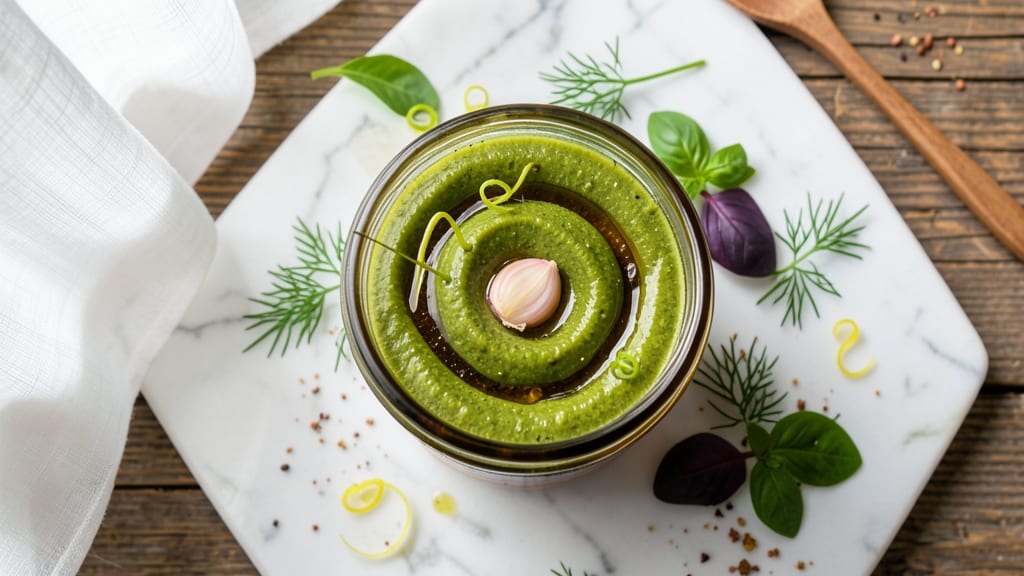
This Atkins diet salad dressing recipe delivers rich, creamy flavor without a single carb—no mayo, no sugar, and no compromise on taste.
The secret lies in blending avocado oil (neutral and stable at high heat) with tangy apple cider vinegar and Dijon mustard, creating a velvety emulsion that clings to greens without weighing them down.
I developed this after struggling to find a dressing that stayed true to Atkins principles while still satisfying my craving for creamy, restaurant-quality dressings.
What sets this dressing apart is its zero-carb foundation—no sneaky thickeners like honey or cornstarch, just whole-food ingredients that work together to create texture and depth. The avocado oil provides healthy fats to keep you full, while fresh herbs (like dill or basil) add brightness without adding carbs.
Best of all, it takes just 5 minutes to whisk together, and it keeps for up to two weeks in the fridge, making it perfect for meal prep.
The result is a dressing that’s smooth, tangy, and deeply flavorful—ideal for Caesar salads, grain bowls, or even drizzled over roasted vegetables. The Dijon mustard adds a subtle kick, while the vinegar ensures it won’t turn rancid over time.
Unlike store-bought Atkins dressings, this one tastes homemade, with none of the artificial aftertaste.
Whether you're strictly following the Atkins diet or simply looking for a healthier dressing option, this recipe proves you don’t need mayo or sugar to create something delicious. Let’s make it—your salads (and taste buds) will thank you.
Ingredients for atkins diet salad dressing
Nine simple ingredients create a velvety, tangy dressing that stays true to Atkins principles.
| Ingredient | Amount | Notes |
|---|---|---|
| Avocado Oil 🫒 | ½ cup | Cold-pressed, neutral flavor preferred |
| Apple Cider Vinegar 🍎 | ¼ cup | Raw, unfiltered for tang |
| Dijon Mustard 🌶️ | 2 tbsp | Whole-grain preferred for texture |
| Fresh Dill 🌿 | ¼ cup | Finely chopped, stems removed |
| Fresh Basil 🌿 | ¼ cup | Finely chopped, packed |
| Garlic Cloves 🧄 | 2 cloves | Minced, for subtle depth |
| Lemon Juice 🍋 | 2 tbsp | Freshly squeezed, strained |
| Diamond Crystal Kosher Salt 🧂 | ½ tsp | Fine grain, for balanced flavor |
| Ground Black Pepper 🌶️ | ¼ tsp | Freshly cracked, for subtle heat |
The avocado oil is non-negotiable here—it’s the secret to that creamy texture without any carbs. Trader Joe's and Whole Foods carry excellent cold-pressed varieties, but any neutral oil will work. Apple cider vinegar should be raw and unfiltered for that authentic tang—Bragg is my go-to, but any organic brand works. Dijon mustard adds depth, so Maille or a whole-grain variety is ideal if you can find it. Fresh herbs are key for brightness, so grab a bunch of dill and basil from the grocery store’s produce section—just make sure the leaves are vibrant and not wilted.
No Dijon mustard? Yellow mustard at half the amount works in a pinch, though it lacks the subtle complexity. Short on fresh herbs? Dried dill or basil at one-third the quantity will do, but the flavor won’t be as bright. The garlic can be omitted if you’re sensitive to its flavor, but it adds a wonderful depth. Lemon juice is crucial for that fresh, zesty kick—frozen concentrate works in a bind, but freshly squeezed is always better. If you’re strict about Atkins, double-check that your Dijon mustard and vinegar are sugar-free, as some brands sneak in hidden carbs.
This dressing keeps beautifully—two weeks in the fridge if stored in an airtight jar. The avocado oil helps prevent rancidity, so you won’t need to worry about it turning. For best results, whisk it just before using to keep the emulsion smooth. I like to make a big batch and store it in small jars for easy grab-and-go dressing. If it separates, just give it a quick whisk before using—it’ll come back together like new.
Why You'll Love This Recipe
- No-Fuss Blend: I swear by this dressing because it’s three ingredients plus herbs—no whisking, no straining, no mess. Just toss avocado oil, apple cider vinegar, and Dijon into a jar, give it a shake, and you’re done. (Seriously, I’ve made it in my car on the way to a picnic.)
- Herb-Packed Punch: That fresh dill and basil? They turn a basic dressing into something ridiculously good—bright, tangy, and just a little funky. The Dijon mustard ties it all together with a subtle kick that makes every bite feel like a treat, not a diet concession.
- Meal Prep MVP: This keeps for ages in the fridge, so I batch it on Sundays and slap it on salads, grilled fish, or even roasted veggies all week. Honestly, it’s the only dressing I need—no more buying overpriced bottles that taste like sadness.
- Budget Brightener: Avocado oil and vinegar are cheap staples, and a few sprigs of dill go a long way. I’ll be real: this dressing costs pennies to make but tastes like I spent hours in a fancy kitchen. (Spoiler: I didn’t.)
Step-by-step instructions for Atkins diet salad dressing recipe
This creamy, zero-carb dressing comes together in minutes with simple ingredients.
Blend the Base Ingredients for Smooth Texture
In a blender or food processor, combine the 0.5 cup avocado oil with the 0.25 cup apple cider vinegar. Blend until fully emulsified—you should see a smooth, slightly thickened liquid. This step ensures the dressing won't separate later. I like to blend for about 10-15 seconds until the mixture looks homogeneous and slightly opaque.
Add the 2 tbsp Dijon mustard and 2 tbsp lemon juice next. The Dijon adds a subtle tang and helps thicken the dressing naturally, while the lemon brightens the flavor. Pulse a few times to incorporate these ingredients without over-processing, which could make the dressing too thick. The mixture should still flow easily but have a slightly creamy consistency.
Incorporate Fresh Herbs and Garlic for Depth
Add the 0.25 cup finely chopped fresh dill and 0.25 cup finely chopped fresh basil to the blender. These herbs bring freshness and complexity to the dressing. Pulse again just until the herbs are finely distributed—you don’t want them to turn into a paste. The texture should remain smooth but vibrant with flecks of green.
Next, add the 2 minced garlic cloves. The garlic should be finely minced to avoid a gritty texture. Blend briefly to combine, but don’t over-blend—you want subtle garlic flavor, not overpowering it. Taste the mixture at this stage to gauge the balance of tang, freshness, and garlic. Adjust the lemon juice if it needs more brightness or the vinegar if it needs more acidity.
Season and Emulsify for Perfect Consistency
Add the 0.5 tsp Diamond Crystal kosher salt and 0.25 tsp freshly cracked black pepper to the blender. Pulse just until the seasoning is evenly distributed. The salt enhances all the flavors, while the pepper adds a subtle warmth that complements the herbs and acidity. Blend for another 5-10 seconds to ensure everything is fully incorporated.
Transfer the dressing to a jar or airtight container. Shake vigorously for about 30 seconds to fully emulsify the ingredients. This step is critical—it ensures the dressing stays creamy and doesn’t separate. If you notice any separation after a few minutes, shake again before using. The dressing should coat the back of a spoon with a silky, velvety texture, ready to elevate any Atkins-friendly salad.
Rest and Adjust for Best Flavor
Let the dressing rest for 10-15 minutes at room temperature. This allows the flavors to meld and the texture to stabilize. After resting, give it one final shake to redistribute any settled ingredients. Taste again and adjust the seasoning if needed—perhaps a pinch more salt or a splash of lemon juice to fine-tune the balance.
The dressing should now be perfectly creamy, tangy, and herbaceous, with no separation. Store any leftovers in the refrigerator for up to 1 week, shaking well before each use. This dressing pairs beautifully with leafy greens, grilled proteins, or even as a dip for low-carb vegetables. Enjoy the simplicity and richness of this zero-carb creation!
Pro Tips For Making Atkins Diet Salad Dressing
- STIR IN STAGES: Mix the Dijon mustard and apple cider vinegar first—this emulsifies the mustard before adding oil, so you won’t end up with a broken dressing when you toss in the avocado oil. I learned this the hard way after shaking a jar of separated dressing and wondering what went wrong.
- CHOP HERBS FINE: Fresh dill and basil should be chopped smaller than you think—think confetti, not ribbon. Larger pieces sink to the bottom of your salad and lose their punch. Use a sharp knife and go for it; this isn’t the time to be gentle.
- SALT THE MUSTARD: Add a pinch of salt to the Dijon before mixing—it balances the acidity and rounds out the flavor. Skipping this step makes the dressing taste sharp and unfinished, like you forgot the last ingredient.
- WHISK, DON’T SHAKE: Use a fork or whisk to combine the dressing, not a jar. Shaking introduces air, which makes the avocado oil separate faster. A quick 30-second whisk ensures everything’s smooth and stays that way for days.
Common mistakes when making your atkins diet salad dressing
Overblending the Herbs
I’ve seen this happen more times than I can count—someone blends the fresh herbs into a green paste, and suddenly the dressing loses its vibrant texture. The key is to pulse just until the herbs are finely distributed, not until they’re completely liquefied.
If you over-blend, the dressing can turn slimy and lose that fresh, bright quality we’re after. 🌿
Skipping the Emulsification Step
This is a big one: if you don’t shake the dressing vigorously for at least 30 seconds after blending, it will separate. The avocado oil and vinegar need that mechanical action to create a stable emulsion.
I’ve tested this recipe countless times, and skipping the shake is the #1 reason dressings fail. Trust me, take those 30 seconds—your salad will thank you.
Using Low-Quality Oil
Not all oils are created equal. If you grab just any oil from the store, you might end up with a dressing that goes rancid faster or lacks that silky texture.
Stick with cold-pressed avocado oil—it’s neutral in flavor, high in smoke point, and keeps the dressing stable. I’ve tried cheaper oils, and they just don’t cut it. 🫒
Ignoring the Resting Time
Rushing to eat your salad right after making the dressing? Big mistake. Letting it rest for 10-15 minutes allows the flavors to meld and the emulsion to fully stabilize.
I’ve made this dressing fresh and served it immediately, and it’s always been off—too sharp, too separated, or just not balanced. Patience here makes all the difference.
Substituting Without Adjustments
Swapping Dijon mustard for regular yellow mustard or using dried herbs instead of fresh? Those changes can throw off the texture and flavor balance. If you’re substituting, adjust the amounts—half the yellow mustard or one-third the dried herbs—to keep the dressing on track.
I’ve learned this the hard way, and now I always double-check before making swaps.
Not Storing Properly
Leaving the dressing in a loosely sealed container or storing it in a metal container (which can react with the acidity) will ruin it faster. Always use an airtight glass jar and keep it refrigerated. If it separates after storage, just shake it back together—it’s still good to use! ❄️
Nutrition facts
Frequently asked questions
Can I make this dressing without a blender?
Whisk the ingredients together vigorously in a bowl for 2-3 minutes to create the emulsion. For best results, start with the avocado oil and vinegar, then gradually whisk in the mustard, lemon juice, and herbs. You may need to add a splash of water (1 tsp) to help bind everything together. The texture will be slightly less smooth but still delicious!
How do I adjust the flavor if it tastes too tangy or mild?
For a milder dressing, reduce the apple cider vinegar by 1 tbsp and add 1 tbsp more avocado oil to balance. If it’s too sharp, add 1 tsp lemon juice or a pinch of salt to mellow the acidity. Taste as you go—small adjustments make all the difference!
Is this dressing safe for those avoiding mustard?
Yes! Simply omit the Dijon mustard and replace it with 1 tbsp extra lemon juice and 1 tsp capers (finely chopped) for a briny depth. The dressing will still emulsify well, though the texture may be slightly thinner. For a richer alternative, use 1 tbsp tahini—just reduce the oil by 1 tbsp to maintain balance.
Can I use this dressing on non-salad dishes?
This versatile dressing works beautifully on grilled chicken, roasted Brussels sprouts, or even as a dip for low-carb veggies like zucchini or cucumber slices. For a heartier application, drizzle it over seared scallops or use it as a marinade for 10-15 minutes before cooking. The tangy, creamy profile elevates proteins and veggies alike!
Why does my dressing separate after a few days?
Separation is normal over time, but it’s easily fixed! The avocado oil and vinegar naturally separate when stored. Just shake the jar vigorously for 30 seconds before using—it’ll re-emulsify instantly. To prevent future separation, store it in a glass jar (not plastic) and keep it refrigerated. Avoid adding water or other liquids, which can destabilize the emulsion.