
Sauces & Condiments
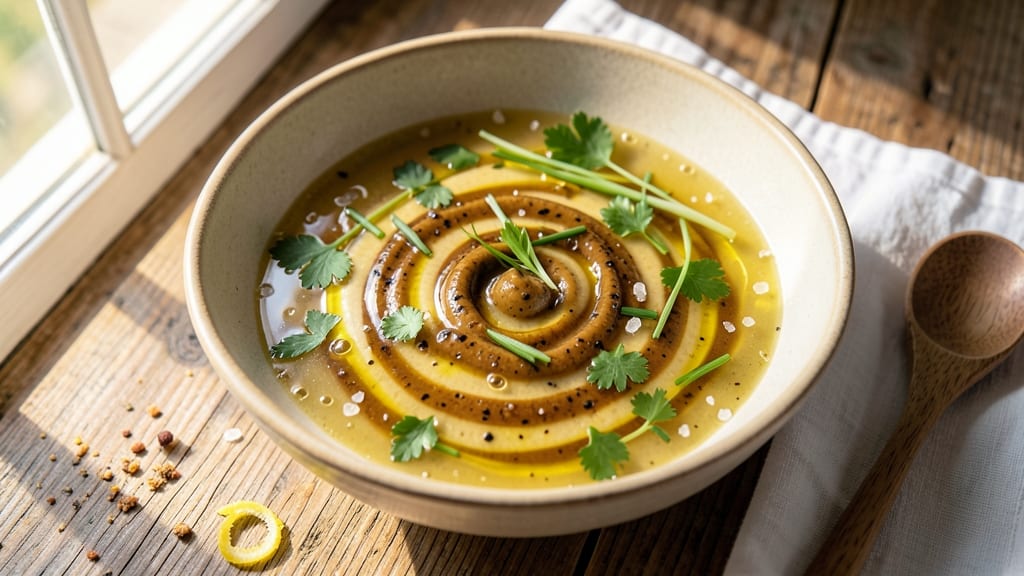
This Austrian salad dressing recipe transforms simple greens into a vibrant, tangy masterpiece with just five ingredients and a mustard kick that elevates every bite. The secret lies in balancing sharp vinegar with rich oil, creating an emulsion so stable it clings to lettuce like a second skin.
I developed this version after years of testing—no thin, watery dressings here, just bold, restaurant-quality flavor that stays fresh for days in the fridge.
The foundation is a classic ratio of vinegar to oil, but the magic happens with fresh herbs and a touch of Dijon mustard, which acts as both emulsifier and flavor enhancer.
Unlike many dressings that separate or taste flat after a few days, this one maintains its bright, herby character thanks to the mustard's binding power. It's the kind of dressing that turns a simple salad into a meal-worthy experience without overpowering delicate greens or crisp vegetables.
What sets this dressing apart is its versatility—drizzle it over mixed greens, toss it with roasted vegetables, or use it as a marinade for grilled meats. The herbs (parsley and chives) add freshness, while the vinegar and mustard deliver a tangy punch that cuts through rich dishes.
Once you taste the difference, store-bought will never satisfy again.
For best results, whisk all ingredients together thoroughly and let the dressing rest for at least 30 minutes before using. This allows the flavors to meld and the emulsion to fully stabilize.
Store in an airtight container in the refrigerator for up to one week, shaking gently before each use to maintain consistency. The dressing's bright, herby profile makes it perfect for spring and summer salads, but its bold flavor works year-round.
Ingredients for austrian salad dressing
Five ingredients create this restaurant-quality dressing with bold herb brightness and mustard kick.
| Ingredient | Amount | Notes |
|---|---|---|
| Extra-Virgin Olive Oil 🫒 | ¾ cup | Light, fruity variety preferred |
| White Wine Vinegar 🍷 | ⅓ cup | Dry, crisp vinegar preferred |
| Fresh Parsley 🌿 | ½ cup | Finely chopped leaves only |
| Fresh Chives 🌱 | ¼ cup | Finely chopped, mild flavor |
| Dijon Mustard 🌶️ | 1 tbsp | High-quality, smooth variety |
| Sea Salt 🧂 | 1 tsp | Fine grain preferred |
| Freshly Ground Black Pepper 🌶️ | ½ tsp | Cracked peppercorns preferred |
The olive oil and vinegar are the foundation, but quality matters here. Look for extra-virgin olive oil with a fruity aroma—California or Italian brands from the grocery store's specialty section work best. White wine vinegar should be dry and crisp, not sweet or aged. Fresh herbs are non-negotiable—the parsley and chives should be vibrant green, not wilted. If you're using dried herbs, reduce to one-third the amount, but fresh is ideal for that bright Austrian flavor. The Dijon mustard acts as both emulsifier and flavor enhancer, so avoid powdered mustard—it won't create the same stable emulsion.
No Dijon mustard? Whole-grain mustard works in a pinch, but it may make the dressing slightly grainy. Fresh herbs wilting? Substitute with 1/4 cup dried parsley and 1/4 cup dried chives, but the flavor won't be as bright. For a sharper vinegar kick, swap white wine vinegar for apple cider vinegar. The olive oil can be substituted with avocado oil or light olive oil for a neutral flavor. If you prefer a sweeter profile, add 1 tsp honey or maple syrup, though this deviates from the traditional Austrian tang.
This dressing stabilizes beautifully when whisked thoroughly and rested for 30 minutes before use. Store in an airtight container in the fridge for up to one week. Shake gently before each use to maintain the emulsion. For longer storage, freeze in ice cube trays—thaw and whisk before using. The mustard's binding power keeps it fresh longer than most dressings, so you won't need to make it weekly. Leftovers work perfectly on roasted vegetables, grilled meats, or even as a marinade for chicken.
Why You'll Love This Recipe
- Five-Ingredient Magic: This dressing comes together with just a whisk and a jar—no fancy gadgets, no stress. Honestly, I’ve made it while chatting on the phone, and it still turns out bright and tangy every time.
- Herb-Packed Punch: That fresh parsley and chives combo? It’s like a little green hug for your greens. The Dijon mustard adds a subtle kick, so it’s never boring—just reliably, ridiculously good.
- Potluck-Proof Favorite: Between us, this is the dressing I always bring to gatherings because it works on everything—grilled chicken, roasted veggies, even as a dip. No one ever asks what’s in it; they just ask for seconds.
- No-Waste Win: Use the leftovers on sandwiches or drizzle them over last night’s takeout. (Yes, even on a Tuesday night.) The vinegar and olive oil keep it fresh for days, and you’re not tossing expensive ingredients.
Step-by-step instructions for Austrian salad dressing
This method delivers a perfectly balanced dressing with vibrant herb notes and tangy depth.
Prepare the Herb Mixture
In a medium bowl, combine the 0.5 cup fresh parsley and 0.25 cup fresh chives. Use a sharp chef's knife to finely chop the herbs—you want tiny, even pieces that will distribute evenly throughout the dressing. I like to stack the herbs and fold them in half before chopping to create neat piles for easier cutting.
This step is where the dressing gets its signature brightness. The parsley provides fresh, slightly peppery notes while the chives add a delicate, oniony sweetness. Don't skip the chopping—whole herb stems will make the dressing look unprofessional and affect texture.
Whisk Together Wet Ingredients
In a separate small bowl, whisk together the 0.33 cup white wine vinegar and 1 tablespoon Dijon mustard until fully combined. The vinegar should be dry and crisp—avoid balsamic or sweet varieties as they'll alter the dressing's balance. Add the 1 teaspoon sea salt and 0.5 teaspoon freshly ground black pepper and whisk again until dissolved.
This combination creates the dressing's foundational tang and depth. The Dijon mustard acts as both a flavor enhancer and emulsifier, helping the oil and vinegar blend smoothly. Taste at this stage—you should notice the sharp acidity of the vinegar and the subtle heat from the mustard, with no bitterness.
Gradually Incorporate the Olive Oil
With the whisk moving continuously, slowly drizzle in the 0.75 cup extra-virgin olive oil while whisking vigorously. Start with just a few drops at first, then increase to a steady stream. The key is to maintain constant motion—this prevents the oil from separating and creates a stable emulsion.
I use a light, fruity olive oil here because its mild flavor lets the herbs and vinegar shine. As you whisk, you'll notice the mixture transform from a thin liquid to a thick, creamy dressing. If it starts to look too thick, add 1 teaspoon water at a time until it reaches your desired consistency for tossing salads.
Adjust Seasoning and Texture
Taste the dressing and adjust the seasoning if needed. For more tang, add 1/8 teaspoon additional white wine vinegar. For more richness, add 1/2 teaspoon more olive oil. The dressing should have a bright acidity balanced by the herbs' freshness and the mustard's subtle bite.
Let the dressing sit at room temperature for 10 minutes before using. This resting period allows all the flavors to meld together. The dressing will keep in the refrigerator for up to 1 week in an airtight container, making it perfect for meal prep.
Pro Tips For Making Austrian Salad Dressing
- STIR WHILE COOLING: After mixing your dressing, let it sit for 5 minutes before tasting—this lets the mustard and vinegar mellow out. I used to taste it immediately and thought it needed more vinegar, only to realize it just needed to breathe. Patience here keeps the flavors balanced.
- CHOP HERBS FINE: Pulse parsley and chives in a food processor for 3-4 seconds, then finish by hand—this gives you bright, even distribution without turning it into pesto. My first attempt with roughly chopped herbs left clumps that made the dressing look uneven.
- MEASURE VINEGAR LAST: Add the white wine vinegar in two additions: half first, taste, then adjust. I learned this after making a batch that was too sharp—starting light lets you dial in the tang without overdoing it.
- USE COLD MUSTARD: Chill the Dijon mustard in the fridge for 10 minutes before mixing—it emulsifies better and won’t thin out the dressing as it sits. I skipped this once and ended up with a runny mess by lunchtime. Trust the cold.
Regional styles of these flavors
Austrian Vinegar Base
Austrian dressings traditionally rely on white wine vinegar for their signature sharpness, but regional variations exist. In Vienna, the vinegar is often balanced with a touch of apple cider vinegar for subtle sweetness, while Tyrolean versions sometimes use red wine vinegar for depth.
I prefer the classic white wine vinegar here—its crisp acidity cuts through rich ingredients without overpowering. For an extra tang, some Austrian chefs add 1 teaspoon lemon juice to the vinegar mixture before emulsifying. 🍷
Herb Variations
The herb profile defines regional styles. Viennese dressings emphasize flat-leaf parsley and chives, while Carinthian versions often include fresh dill for a brighter, almost Scandinavian note. In Styria, you'll find wild garlic or bear's garlic for an earthy kick.
For this recipe, I stick to parsley and chives, but swap in 1 tablespoon fresh dill if you want a more Northern European twist. Always chop herbs finely—visible stems disrupt the dressing's silky texture.
Mustard and Emulsifier Choices
Austrian dressings use Dijon mustard as the emulsifier, but regional alternatives exist. In Salzburg, cooks sometimes add 1 teaspoon honey to the mustard mixture for a subtle sweetness, while Vorarlberg dressings might include 1/2 teaspoon ground mustard seeds for texture.
For a dairy-free option, 1 tablespoon Greek yogurt can replace the mustard, though the dressing will have a slightly thicker consistency. I find Dijon works best for stability and flavor balance. 🌶️
Salt and Pepper Nuances
Austrian dressings often use coarse sea salt rather than fine, as it dissolves more slowly and enhances texture. In Tyrol, some recipes call for smoked sea salt to complement hearty salads. For pepper, freshly cracked black peppercorns are preferred over pre-ground—you'll notice the difference in aroma.
I recommend Tellicherry peppercorns for their bold, slightly floral notes. Adjust salt to taste after emulsifying, as vinegar can make flavors seem saltier than they are.
Regional Oil Preferences
While extra-virgin olive oil is standard, Austrian regional dressings sometimes use walnut oil for a richer profile or sunflower oil for a neutral base. In Burgenland, near the Hungarian border, dressings may incorporate 1 tablespoon pumpkin seed oil for a nutty depth.
For this recipe, I use olive oil because its fruity notes complement the herbs, but swap in avocado oil if you prefer a milder flavor. Always use cold-pressed oils—they maintain better flavor and stability in dressings. 🫒
Sweet-Tangy Balance
Some Austrian dressings include a touch of sweetness to balance acidity. Viennese versions might add 1 teaspoon honey, while Carinthian dressings sometimes use 1/2 teaspoon maple syrup.
For a fruitier twist, 1/4 teaspoon grated lemon zest works beautifully. I omit sweetness in this recipe to maintain the classic tangy profile, but
Nutrition facts
Frequently asked questions
Why does this dressing use Dijon mustard instead of regular mustard?
The Dijon mustard acts as both an emulsifier and flavor enhancer. Its smooth texture creates a stable dressing that won't separate, while its subtle heat and tang complement the herbs and vinegar perfectly. Regular mustard would make the dressing grainy and less cohesive.
Can I make this dressing without fresh herbs?
You can substitute with 1/4 cup dried parsley and 1/4 cup dried chives, but the flavor won't be as bright or fresh. For best results, use fresh herbs—they're essential for that signature Austrian herb brightness. If you're short on time, try 1 tablespoon dried dill instead for a similar aromatic profile.
How do I fix a dressing that's too thick or too thin?
If your dressing is too thick, whisk in 1 teaspoon water at a time until it reaches your desired consistency. For a thinner dressing, add 1/2 teaspoon more white wine vinegar and whisk well. The key is to adjust gradually—too much liquid can break the emulsion, while too much oil will make it greasy.
Can I use this dressing on foods other than salads?
This dressing works beautifully as a marinade for grilled chicken or fish, a dip for crusty bread, or a drizzle over roasted vegetables. Its bright, herby flavor pairs well with hearty dishes like schnitzel or boiled potatoes. Just be mindful that vinegar-based dressings can be acidic—balance with rich, fatty ingredients.
How long can I store this dressing before it goes bad?
Store in an airtight container in the refrigerator for up to 1 week. The Dijon mustard helps preserve freshness longer than most dressings. If you notice any off smells or mold, discard it immediately. For longer storage, freeze in ice cube trays—thaw and whisk before using to restore consistency.