
Sauces & Condiments
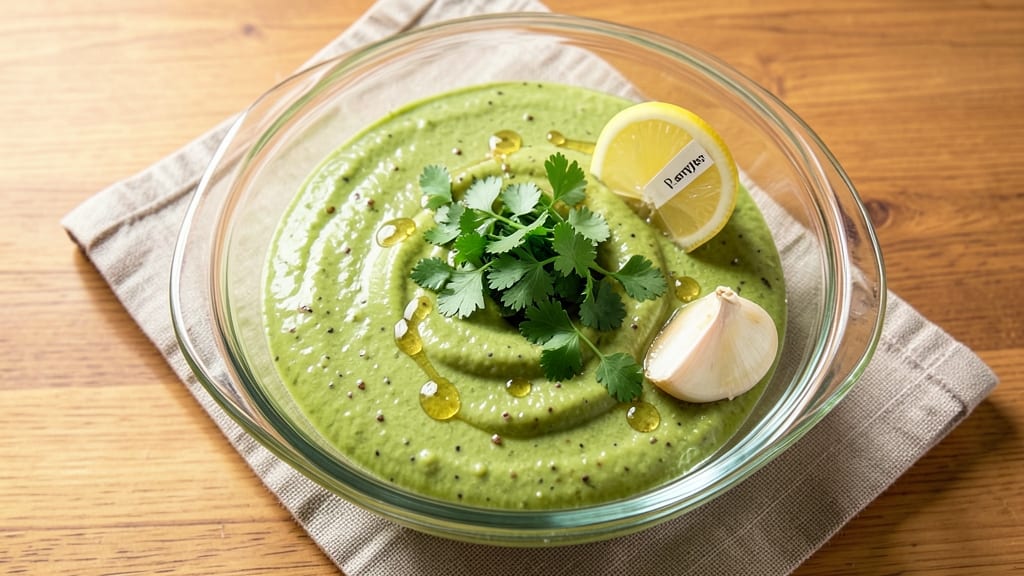
This vegan avocado salad dressing recipe delivers restaurant-quality creaminess without dairy, mayo, or complicated emulsifiers. The secret lies in blending ripe avocado with citrus and a touch of neutral oil, creating a velvety texture that clings beautifully to greens. I developed this after years of testing plant-based dressings—most either separate or taste too heavy.
The magic happens when you blend avocado with lemon juice and garlic first, then gradually add oil while pulsing. This creates a stable emulsion that stays creamy for days. Fresh herbs like parsley or cilantro add brightness, while a pinch of salt and black pepper enhances every flavor.
What you'll end up with is a dressing that's rich, tangy, and perfectly balanced—ideal for hearty salads, wraps, or grain bowls.
Storage is simple: keep it refrigerated in an airtight jar for up to 5 days, giving it a gentle stir before each use. The dressing thickens slightly when chilled, so add a splash of water or lemon juice to restore consistency.
Pair it with mixed greens, roasted vegetables, or grilled proteins for a meal that feels indulgent yet completely plant-based.
This recipe transforms basic ingredients into something extraordinary—no special equipment required. The result is a dressing that's creamy enough to satisfy dairy lovers but light enough to let your ingredients shine. Let's make it together!
Ingredients for avocado salad dressing recipe vegan
Eight simple ingredients transform into velvety vegan dressing that rivals dairy-based versions.
| Ingredient | Amount | Notes |
|---|---|---|
| Ripe Avocados 🥑 | 2 whole | Pitted, flesh scooped |
| Fresh Lemon Juice 🍋 | ¼ cup | From 2-3 lemons |
| Garlic Cloves 🧄 | 2 cloves | Freshly minced |
| Fresh Parsley 🌿 | ¼ cup | Stems removed, loosely packed |
| Neutral Oil 🫒 | ½ cup | Avocado or light olive oil |
| Apple Cider Vinegar 🍶 | 1 tbsp | For tangy balance |
| Sea Salt 🧂 | ½ tsp | Fine grain preferred |
| Freshly Ground Black Pepper 🌶️ | ¼ tsp | Adjust to taste |
| Filtered Water 💧 | 2 tbsp | For thinning if needed |
| Maple Syrup 🍯 | 1 tsp | Optional for sweetness |
Avocados are the star here—choose perfectly ripe ones (yield slightly when gently pressed) from the produce section. Whole Foods or local farmers markets often carry the best quality, but any grocery store avocado works if it's not rock-hard or mushy. The parsley adds freshness, so grab a bunch and use the rest in other recipes. For the oil, light olive oil or avocado oil keeps the dressing neutral—avoid strong-flavored oils like extra-virgin olive oil if you prefer subtlety. The garlic should be fresh; pre-minced jars often contain anti-caking agents that dull the flavor.
No avocados? Silken tofu blended with lemon juice creates a similar texture, though the flavor won't be identical. Short on parsley? Fresh cilantro or basil work well, though the aroma will differ slightly. The apple cider vinegar can be swapped for white vinegar or rice vinegar if needed, though flavor will shift. For a sweeter dressing, increase the maple syrup to 1.5 tsp. If the dressing separates after blending, add 1-2 tbsp water and pulse again. This recipe is naturally vegan—just ensure all ingredients are plant-based (some brands of vinegar use fish-based processing, but most are vegan).
Store the dressing in an airtight glass jar in the refrigerator for up to 5 days, though it often lasts longer if the avocado is very fresh. The texture will thicken when chilled, so stir in 1-2 tbsp water or lemon juice before using to restore creaminess. For longer storage, freeze portions in ice cube trays—thaw and stir before use. The dressing pairs beautifully with mixed greens, roasted vegetables, or grilled tofu, and the flavor improves as the ingredients meld over time.
Why You'll Love This Recipe
- No Blender Needed: I swear by this trick—just mash the avocado right in the jar with a fork. The texture comes out perfectly smooth without any fuss, and honestly? The lemon juice does all the emulsifying work for you. No pulsing, no scraping, no stress.
- Garlic-Parsley Punch: That raw garlic and bright parsley? It’s what makes this dressing ridiculously good. The avocado keeps it creamy, but the garlic gives it a bold, savory kick—like a hug for your taste buds. (Yes, even on a Tuesday night.)
- Salad’s Best Friend: This dressing turns a basic salad into something special—no matter the occasion. Drizzle it over greens, toss it with roasted veggies, or even use it as a dip. It’s my go-to for potlucks, quick lunches, or when I’m too tired to cook.
- Lasts All Week: Between us, I make a big batch on Sunday and use it for everything. The oil keeps it from browning, and the lemon juice preserves the freshness. It’s my secret weapon for meal prep—no waste, no extra shopping.
Step-by-step instructions for avocado vegan salad dressing
This method delivers rich, creamy texture without dairy or mayo—just pure avocado power.
Prepare the Avocado Base
Cut the 2 whole ripe avocados in half, remove the pits, and scoop the flesh directly into a food processor or high-speed blender. The avocados should be completely ripe—press gently where the stem was; if they yield slightly, they're perfect. No brown spots or mushy texture means they're not ready yet.
Add the 0.25 cup fresh lemon juice and 2 cloves minced garlic cloves immediately after scooping the avocado. The acid from the lemon juice prevents browning and brightens the flavor, while the garlic adds depth. Pulse the mixture briefly—just 10-15 seconds—to break down the ingredients without fully blending. This ensures the texture remains smooth but not overly processed.
Blend Until Ultra-Smooth
With the food processor running, slowly drizzle in the 0.5 cup neutral oil through the feed tube. This gradual addition prevents the oil from splattering and ensures it emulsifies perfectly with the avocado. Blend continuously for 1-2 minutes until the mixture is completely smooth, with no visible avocado chunks.
Stop and scrape down the sides of the processor with a spatula to ensure even blending. The dressing should look like thick, velvety mayonnaise at this stage. If it's too thick to blend smoothly, add 1 tablespoon of the filtered water and blend again. The goal is a consistency that coats the back of a spoon but still flows easily.
Season and Adjust Texture
Add the 0.25 cup fresh parsley, 0.5 teaspoon sea salt, 0.25 teaspoon freshly ground black pepper, 1 tablespoon apple cider vinegar, and 1 teaspoon maple syrup to the processor. Pulse just 2-3 times to combine—over-blending can turn the parsley into a paste. Taste the dressing and adjust the seasoning if needed; you might want to add a pinch more salt or a splash of vinegar for tang.
For a thinner consistency, add the remaining 1 tablespoon filtered water, 1 teaspoon at a time, until the dressing reaches your desired thickness. It should coat a spoon but still pour smoothly over salads. If it's too thin, let it sit for 5 minutes in the fridge to thicken naturally. The dressing will continue to thicken slightly as it chills.
Chill and Serve
Transfer the dressing to a clean glass jar or airtight container. Press plastic wrap directly onto the surface to prevent oxidation, which can cause browning. Refrigerate for at least 30 minutes before serving—this allows the flavors to meld and the texture to stabilize. The dressing will keep in the fridge for up to 5 days, though the color may darken slightly over time.
Give it a final taste before using. The creamy texture should be rich and velvety, with a bright tang from the lemon and vinegar. The garlic and parsley add freshness, while the maple syrup rounds out any sharpness. Drizzle over your favorite greens, grain bowls, or use as a dip for crudités—this dressing elevates every dish it touches.
Pro Tips For Making Avocado Salad Dressing Recipe Vegan
- Mash, Don’t Blend: Avocados oxidize fast once cut—if you’re blending, add a splash of lemon juice before pureeing to buy time. But if you’re mashing by hand, work in a glass bowl with a fork and press the flesh against the sides to avoid air exposure. (Yes, it’s more work, but the texture stays creamy longer.)
- Use Cold Garlic: Freshly minced garlic releases its pungent oils when warmed. For this dressing, crush the cloves with the flat side of your knife first, then let them sit in ice water for 5 minutes before adding. The cold dulls the bite and keeps the flavor bright—no need to overpower your avocado’s richness.
- Balance Oil Gradually: Start with half the oil called for, taste, then drizzle in more. Neutral oils like avocado or grapeseed can overpower the avocado’s flavor if you dump it all in at once. (I’ve learned this the hard way—trust me, you’ll regret it.)
- Chill Before Serving: This isn’t just about temperature—it’s about letting flavors meld. After mixing, refrigerate for at least 30 minutes. The lemon’s acidity mellows, the garlic softens, and the parsley’s freshness settles into the dressing. (I used to skip this, and the dressing always tasted sharp and unfinished.)
Common mistakes when making your avocado salad dressing recipe vegan
Overblending the Avocado
One of the most common mistakes is overblending the avocado, which turns your creamy dressing into a chunky paste. I’ve seen this happen when people blend for too long after adding the oil—stop blending immediately once the mixture is smooth and velvety.
Overblending breaks down the avocado fibers too much, creating a texture that’s more like guacamole than a silky dressing. 🥑
Using Unripe Avocados
Unripe avocados are the enemy of creamy texture—they yield a grainy, bitter dressing that separates quickly. Always choose avocados that yield slightly when pressed near the stem. If you’re unsure, cut one open: the flesh should be dark green with no brown spots and easy to scoop with a spoon.
I keep a few extra-ripe avocados in the fridge to use first—they’re perfect for dressings.
Skipping the Gradual Oil Addition
Adding oil all at once causes separation and splattering, ruining your emulsion. Instead, drizzle the oil slowly while blending on high speed. This gradual approach creates tiny oil droplets that distribute evenly, preventing clumps.
I like to use a light olive oil or avocado oil—they’re neutral enough to let the avocado shine without overpowering it.
Ignoring the Lemon Juice Step
Adding lemon juice after blending the avocado causes oxidation and browning, making your dressing look dull. Add the lemon juice immediately after scooping the avocado to preserve color and brightness.
The acid also helps stabilize the emulsion, preventing separation. For extra tang, I sometimes add an extra ½ teaspoon of lemon juice after blending.
Not Adjusting for Humidity
Humidity can make your dressing too thin, while dry air thickens it too much. If your kitchen is humid, reduce the water to 1 tablespoon total (or skip it). In dry climates, add water 1 teaspoon at a time until you reach the right consistency.
I test this by dipping a spoon in—it should coat smoothly but still pour easily. A fine-mist spray bottle helps for precise adjustments.
Storing Without Airtight Seals
Oxygen exposure turns your creamy dressing into a brown, watery mess. Always use an airtight glass jar and press plastic wrap directly onto the surface before sealing. I also store mine in the back of the fridge (where it’s coldest) to slow oxidation.
If the top turns brown but the texture is still good, just stir in 1 teaspoon lemon juice to revive it.
Nutrition facts
Frequently asked questions
Can I make this dressing without a food processor?
Yes! Use a high-speed blender or even a fork in a bowl for a chunkier version. For best results, mash the avocado first with a fork, then whisk in the lemon juice and oil gradually. The texture will be slightly thicker but still delicious—just blend or whisk longer for smoother consistency.
How do I prevent the dressing from turning brown?
Press plastic wrap directly onto the surface before sealing the jar, and store it in the coldest part of your fridge. The lemon juice helps preserve color, but oxidation happens fast. For extra protection, add a splash of fresh lemon juice when reviving the dressing. The color may darken slightly but won't affect flavor.
What can I substitute for parsley?
Fresh cilantro or basil work beautifully for a different flavor profile. If you prefer a milder taste, try chopped chives or dill. For a stronger aroma, use a mix of herbs like tarragon or thyme. Just adjust the amount to taste—start with 0.25 cup and reduce if the flavor is too intense.
Can I make this dressing ahead of time?
It actually tastes better after 24 hours as flavors meld. Store in an airtight jar for up to 5 days in the fridge. If it thickens, stir in 1-2 tbsp water to restore consistency. For longer storage, freeze in ice cube trays and thaw in the fridge before use.
Why did my dressing separate?
This usually happens from adding oil too quickly or using unripe avocados. Next time, drizzle oil slowly while blending, and ensure your avocados are perfectly ripe. If separation occurs, whisk vigorously or blend again with 1 tbsp water to re-emulsify. The dressing may need a few minutes to stabilize after adjustments.