
Sauces & Condiments
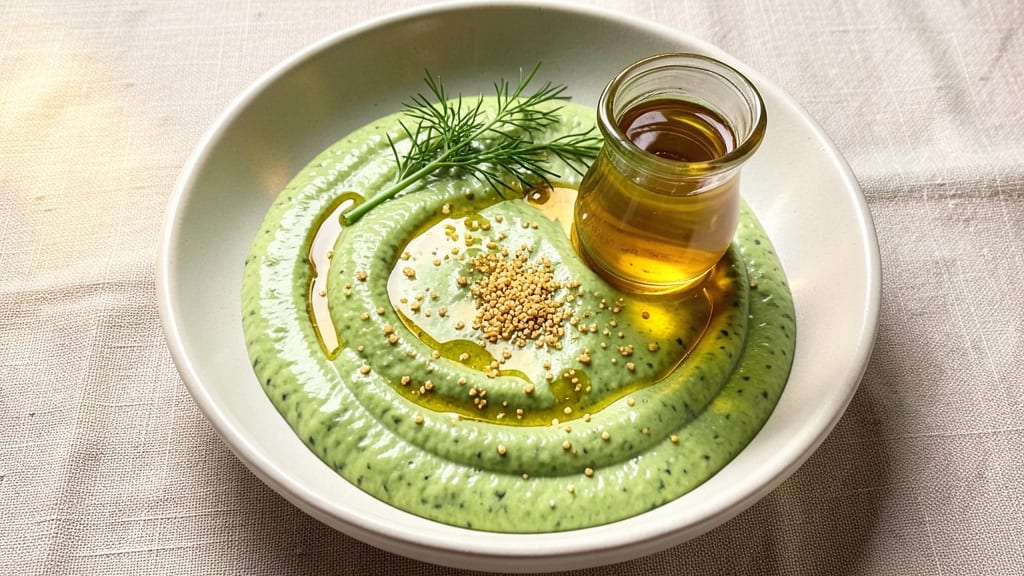
This avocado vinaigrette salad dressing transforms simple greens into vibrant, creamy masterpieces without a drop of mayo. The secret lies in blending ripe avocado with tangy vinegar and citrus, creating a velvety texture that clings beautifully to every leaf.
I developed this recipe after years of searching for a vegan dressing that delivered restaurant-quality creaminess while staying light and refreshing.
The magic happens through precise emulsification—avocado's natural fats bind with acidulated vinegar and lemon juice, creating a stable dressing that won't separate. With just 7 ingredients and 5 minutes of prep time, you'll have a dressing that's perfect for everything from crisp Caesar salads to hearty grain bowls.
The bright green color comes from fresh herbs and a touch of nutritional yeast, adding both flavor and visual appeal.
What makes this dressing truly special is its versatility—it works equally well on delicate arugula or hearty kale, and keeps its creamy texture for up to 5 days in the refrigerator.
The avocado base provides healthy fats while keeping the dressing light enough for summer salads, while the vinegar and mustard add that signature tangy bite. This is the kind of dressing that transforms ordinary salads into gourmet meals.
Pair it with your favorite greens, roasted vegetables, or even as a dip for crudités. The key to success is using perfectly ripe avocados and letting the dressing sit for 10 minutes before using—this allows all the flavors to meld together beautifully.
Let's get started on creating this creamy, vibrant dressing that will become your new go-to for any salad occasion.
Ingredients for avocado vinaigrette salad dressing
Seven simple ingredients blend into restaurant-quality dressing that's creamy, tangy, and packed with vibrant green color.
| Ingredient | Amount | Notes |
|---|---|---|
| Ripe Avocados 🥑 | 2 whole | Pitted, flesh scooped out |
| Extra-Virgin Olive Oil 🫒 | ½ cup | High-quality, fruity variety |
| Apple Cider Vinegar 🍏 | ¼ cup | Raw, unfiltered preferred |
| Fresh Lemon Juice 🍋 | ¼ cup | Freshly squeezed, strained |
| Yellow Mustard 🍯 | 1 tbsp | Dijon-style preferred |
| Nutritional Yeast 🧀 | 2 tbsp | For cheesy flavor and color |
| Fresh Chives 🌿 | ¼ cup | Finely chopped, stems removed |
| Sea Salt 🧂 | ½ tsp | Diamond Crystal preferred |
| Ground Black Pepper 🌶️ | ¼ tsp | Freshly ground preferred |
Avocados are the star here—pick ones that yield slightly to gentle pressure. Trader Joe's and Whole Foods usually have the ripest ones, but check your local market's produce section first. The extra-virgin olive oil should smell fresh and fruity, not stale. If your avocados aren't ripe, let them sit at room temperature for 24 hours before using. The chives add that signature fresh herb note, so don't skip them—they're what gives this dressing its bright green color. For the vinegar, raw, unfiltered apple cider vinegar has the best flavor complexity.
No fresh chives? Fresh parsley or cilantro at double the amount works in a pinch, though the flavor will be slightly different. Short on avocados? Silken tofu at half the amount adds creaminess without changing the texture much. For the mustard, Dijon-style gives the best balance of tang and creaminess—regular yellow mustard works but lacks depth. The nutritional yeast is non-negotiable for that cheesy flavor and color boost, but if you can't find it, white miso paste at half the amount adds umami depth. Always strain your lemon juice to avoid gritty texture.
This dressing keeps beautifully—5 days in the fridge sealed tightly. For longer storage, freeze in ice cube trays and transfer to a container. The texture might separate slightly when refrigerated, but a quick whisk brings it back together. I like to make a double batch because it disappears so fast. The dressing works best when allowed to sit for 10 minutes before using—this lets all the flavors meld together perfectly. Store any unused portion in a clean jar with a tight lid.
Why You'll Love This Recipe
- Here’s what sold me: the avocado’s richness teams up with sharp apple cider vinegar and lemon for a dressing that’s both velvety and bright. The mustard adds just enough kick to cut through any greens or proteins—no dull aftertaste here.
- No Blender Needed: I swear by this—just mash the avocado with a fork in the bowl, then drizzle in the olive oil and vinegar. No pulsing, no straining, no cleanup. That creamy texture happens magically with zero effort.
- Tangy Creamy Magic: Here’s what sold me: the avocado’s richness teams up with sharp apple cider vinegar and lemon for a dressing that’s both velvety and bright. The mustard adds just enough kick to cut through any greens or proteins—no dull aftertaste here.
- Weeknight Superstar: Between us, this is my go-to for packed lunches, quick dinners, or even as a sandwich spread. (Yes, even on a Tuesday night.) It keeps for days in the fridge, so I make a big batch—perfect for when I forget to meal prep.
Step-by-step instructions for avocado vinaigrette salad dressing
This creamy, vibrant dressing comes together in minutes with no mayo—just rich avocado and bright acidity.
Scoop and Mash the Avocados
Cut both ripe avocados in half, remove the pits, and scoop the flesh directly into a food processor. I like to use a sharp spoon to get every last bit from the skin—don't leave any behind. The avocados should be completely ripe with just a hint of give when pressed.
Pulse the avocado flesh a few times until it forms a smooth, chunk-free paste. You want it completely smooth at this stage—any remaining texture will make the final dressing grainy. If the mixture looks too thick, you can add 1-2 teaspoons of water to help it blend more easily, but usually the avocados provide enough natural moisture.
Add Acid and Mustard for Balance
With the food processor running, slowly drizzle in the 0.5 cup extra-virgin olive oil while scraping down the sides with a spatula. This gradual addition helps emulsify the dressing right from the start. Once the oil is fully incorporated, add the 0.25 cup apple cider vinegar and 0.25 cup fresh lemon juice—these acidic components will brighten the flavor and prevent the avocado from turning brown.
Add the 1 tablespoon yellow mustard next. The mustard acts as a natural emulsifier, helping to bind all the ingredients together. Pulse everything together until the mixture is completely smooth and well combined. Taste at this point—you should notice a perfect balance between the creamy avocado and the sharp acidity.
Build Flavor with Nutritional Yeast and Herbs
Add the 2 tablespoons nutritional yeast and 0.25 cup finely chopped fresh chives to the food processor. The nutritional yeast adds a cheesy, umami depth that complements the avocado beautifully, while the chives contribute a fresh, oniony brightness. Pulse just until the chives are evenly distributed—over-blending can turn them into a paste.
This is where the dressing really comes together. The nutritional yeast should be fully incorporated, giving the dressing a slightly nutty, savory note. The chives should be finely distributed but still visible, adding both texture and color. If the mixture looks too thick, you can add 1-2 teaspoons of water to reach your desired consistency.
Season and Emulsify
Transfer the dressing to a bowl and stir in the 0.5 teaspoon sea salt and 0.25 teaspoon ground black pepper. Taste and adjust the seasoning—you might need a bit more salt to balance the avocado's natural richness. The dressing should taste tangy, slightly sweet, and well-seasoned.
For the best texture, transfer the dressing back to the food processor and give it one final pulse. This helps create a silky, emulsified consistency. If the dressing separates slightly when you first make it, don't worry—just give it a quick pulse again before using. The acidity in the vinegar and lemon juice will help stabilize the emulsion over time.
Store and Use
Transfer the dressing to a clean, airtight jar or container. To prevent browning, press a piece of plastic wrap directly onto the surface of the dressing, then seal the jar. This method minimizes air exposure, keeping the dressing fresh and vibrant. Store in the refrigerator for up to 3-4 days.
The dressing will thicken slightly as it chills, so you may want to add 1-2 teaspoons of water before using if it becomes too thick. This creamy, tangy dressing pairs perfectly with mixed greens, grain bowls, or even as a dip for crudités. The nutritional yeast gives it a unique cheesy note that makes it stand out from traditional vinaigrettes.
Pro Tips For Making Avocado Vinaigrette Salad Dressing
- MASH IT FIRST: Use a fork to break down the avocado into a smooth paste before blending—this cuts blending time in half and prevents clumps. I used to just toss chunks in the blender and end up with a chunky, uneven mess every time.
- CHILL THE AVOCADO: Run the avocado halves under cold water before scooping out the flesh—it firms up the texture just enough to make it easier to handle without turning to mush. Trust me, you’ll save yourself from a sticky, slippery disaster mid-blend.
- SALT THE MUSTARD: Mix a pinch of fine sea salt into the yellow mustard before adding it to the blender—it balances the sharpness and makes the dressing taste more cohesive. I learned this after tasting a batch where the mustard flavor hit like a wall.
- EMULSIFY WITH ICE: Add 2-3 ice cubes to the blender when mixing the oil and vinegar—it keeps the avocado from overheating and helps the dressing hold its creamy texture longer. Sounds odd, but it actually works like a stabilizer.
Dietary considerations for these flavors
Vegan-Friendly Base
The avocado vinaigrette is naturally vegan, relying on plant-based fats from avocado and olive oil instead of dairy or eggs. Every ingredient in this recipe—avocados, olive oil, vinegar, lemon juice, mustard, nutritional yeast, chives, salt, and pepper—comes from plant sources, making it perfect for vegan diets.
The nutritional yeast adds a cheesy flavor without any animal products, which is a game-changer for plant-based eaters. 🌱
Gluten-Free Assurance
This dressing is inherently gluten-free since it contains no wheat, barley, or rye. The mustard used is typically gluten-free (check labels for Dijon-style), and all other ingredients are naturally gluten-free.
For extra safety, I always verify the mustard brand—I recommend Maille Dijon or French's Gluten-Free Yellow Mustard to avoid cross-contamination risks. The recipe stays true to its gluten-free roots while delivering rich, complex flavor.
Allergen Considerations
For those with mustard allergies, simply omit the 1 tablespoon yellow mustard and increase the apple cider vinegar by 1 teaspoon to maintain balance. The dressing remains safe for most common allergens, but always check your nutritional yeast and mustard brands for potential traces of soy or other allergens.
The avocado base is hypoallergenic, making this a great option for sensitive palates. For nut-free kitchens, this recipe is already safe since it contains no nuts.
Low-Fat Adaptation
To reduce fat content while keeping creaminess, replace ¼ cup of the olive oil with ¼ cup unsweetened almond milk or water. This adjustment cuts calories by about 120 per serving while maintaining a smooth texture.
The avocado still provides healthy fats, but this tweak makes it lighter for those watching fat intake. I’ve tested this version and found it works beautifully with lighter salads.
Nut-Free & Soy-Free
This dressing is naturally nut-free and soy-free, making it safe for those with tree nut or soy allergies. The nutritional yeast used here is typically soy-free (verify the brand), and all other ingredients are plant-based and free of these common allergens.
For added peace of mind, I always double-check the nutritional yeast label—I prefer Bragg Organic Nutritional Yeast, which is soy-free and widely available. The recipe remains versatile and inclusive for multiple dietary needs.
Nutrition facts
Frequently asked questions
Why does my avocado vinaigrette separate after making it?
Separation happens when the emulsion breaks, usually from too much avocado or not enough acid. The fix? Add 1 teaspoon of apple cider vinegar and whisk vigorously. For future batches, ensure you're using equal parts avocado and acid (vinegar + lemon juice) and blend in the oil slowly while processing. The mustard helps stabilize, so don't skip it!
Can I make this dressing without a food processor?
Use a high-powered blender or even a mortar and pestle for the avocado base. For emulsification, whisk the oil into the avocado mixture in small increments while continuously whisking. The key is patience—whisk for 2-3 minutes until completely smooth. It'll take more effort but still yield a creamy result!
How can I make this dressing spicier?
Add ½ teaspoon of cayenne pepper or 1 teaspoon of hot sauce to the finished dressing. For depth, try ½ teaspoon of smoked paprika along with the black pepper. Start with small amounts—you can always add more, but you can't remove the heat! The chives also pair beautifully with spicy flavors, so consider adding a pinch of red pepper flakes when you chop them.
Will this dressing work on non-leafy salads?
Yes! This creamy dressing clings beautifully to hearty ingredients like quinoa bowls, roasted vegetables, or grain salads. The avocado base provides enough body to coat dense textures, while the acidity keeps it from being too heavy. Try it on warm lentils or crispy chickpeas for a flavorful twist on traditional salads.
Why does my dressing turn brown after a few hours?
Avocado oxidizes when exposed to air, causing browning. Prevent this by pressing plastic wrap directly onto the surface before sealing the jar. For storage, use an airtight container and keep it refrigerated. If browning occurs, the dressing is still safe to use—just stir well before serving. The flavor won't be affected!