
Sauces & Condiments
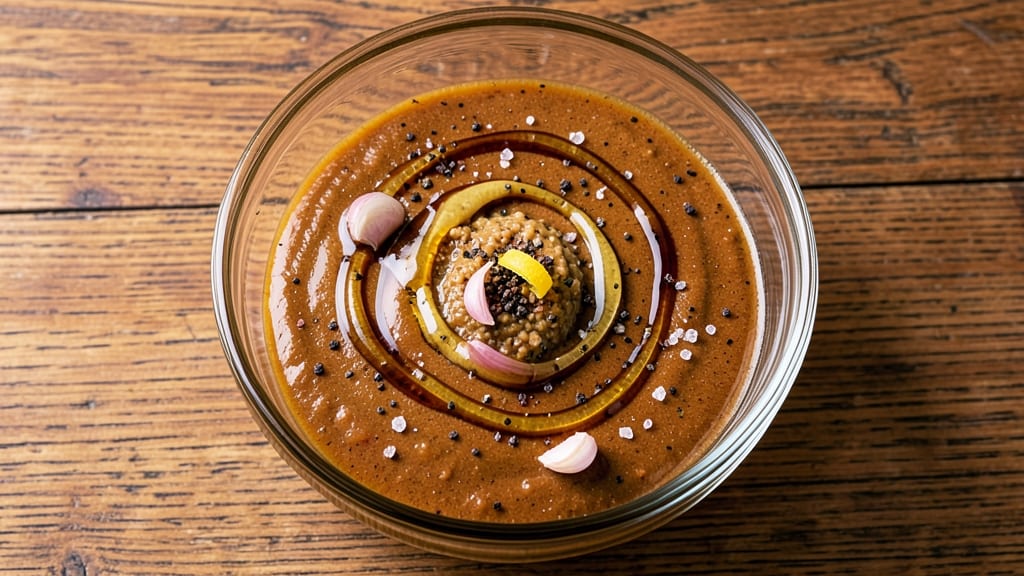
This balsamic Dijon salad dressing recipe transforms simple greens into a flavor powerhouse with its perfect balance of tangy Dijon mustard and rich balsamic vinegar.
The secret lies in emulsifying olive oil and vinegar into a velvety dressing that clings to every leaf, adding depth and complexity to salads, roasted vegetables, or even grilled meats. I developed this recipe after years of testing—it’s the one that finally delivers that restaurant-quality tang without the fuss.
The magic happens with just six simple ingredients: high-quality olive oil, Dijon mustard, balsamic vinegar, honey for subtle sweetness, and a pinch of salt to tie everything together.
What sets this dressing apart is the emulsification process, which creates a silky texture that won’t separate, even after sitting in your fridge for days. The Dijon mustard adds a sharp, peppery kick, while the balsamic vinegar deepens the flavor with its caramelized notes.
This dressing isn’t just for salads—it elevates roasted Brussels sprouts, drizzled over steak, or even used as a marinade for chicken. The versatility makes it a must-have in your pantry, and the optional additions like fresh herbs or garlic can customize it to your taste.
Once you try this, store-bought dressings will never measure up again.
The best part? It keeps for up to two weeks in the fridge, so you can make a big batch and enjoy it all week long. Whether you’re prepping for a weeknight dinner or hosting a dinner party, this dressing will be the star of the show. Let’s get started!
Ingredients for balsamic dijon salad dressing
Six simple ingredients create a restaurant-quality dressing that elevates every salad and dish.
| Ingredient | Amount | Notes |
|---|---|---|
| Extra-Virgin Olive Oil 🫒 | ¾ cup | High quality, fruity flavor preferred |
| Dijon Mustard 🌶️ | ¼ cup | Mellow or hot variety works |
| Balsamic Vinegar 🍷 | ¼ cup | Aged 25 years or more for depth |
| Honey 🍯 | 1 tbsp | Wildflower or clover preferred |
| Kosher Salt 🧂 | ½ tsp | Diamond Crystal preferred |
| Fresh Garlic Cloves 🧄 | 2 cloves | Minced for subtle flavor boost |
The olive oil is non-negotiable here—Trader Joe's or Whole Foods carry the best fruity, extra-virgin varieties. Balsamic vinegar should be aged at least 25 years for that rich, caramelized depth (the dark, syrupy kind, not the red vinegar). Dijon mustard makes all the difference—Maille or Amora are my go-tos, but any good-quality brand works. Fresh garlic adds a subtle punch, but don't skip it—it's the secret to that restaurant-quality tang. Honey should be liquid at room temperature for easy mixing, and if it's too thick, just warm it slightly.
No Dijon mustard? Yellow mustard at half the amount works in a pinch, but the flavor won't be as complex. Running out of balsamic? Red wine vinegar with a pinch of sugar mimics the tang. The honey can be swapped for maple syrup if you're avoiding it, though it'll taste slightly different. For extra richness, add a splash of aged sherry or port wine—just 1 teaspoon makes a world of difference. If you're using this as a marinade, add a pinch of black pepper too (it disappears in the dressing but boosts flavor when cooked).
This dressing keeps beautifully—up to 2 weeks in the fridge, sealed tightly. I like to store it in a glass jar with a tight lid to preserve the flavor. If it separates, just give it a good shake before using. For extra shelf life, add a thin layer of olive oil on top before sealing. The garlic cloves can be peeled and stored in the fridge for up to 1 week before using. Make a big batch—you'll want this on hand for everything from salads to roasted veggies.
Why You'll Love This Recipe
- Five-Ingredient Magic: I swear by this combo—no fancy gadgets, no measuring cups that never fit. Just swirl those five staples (olive oil, Dijon, balsamic, honey, salt) in a jar, and boom. Done. Even my college apartment version still works today.
- Sweet-Savory Balance: That honey cuts through the sharp Dijon like a dream—bright, tangy, with just enough sweetness to make it irresistible. Honestly, I’ve tried store-bought versions, and this one actually tastes like food, not vinegar punch.
- Weeknight Workhorse: Drizzle it on greens for lunch, toss it with grilled chicken for dinner, or use it to glaze roasted veggies. (Yes, even on a Tuesday night.) It’s the one dressing that does it all without making me plan ahead.
- No-Waste Wonder: A little goes a long way—this batch lasts me a week, and I always have leftovers. Plus, the ingredients are cheap enough that I’m not stressing over wasted money. Just shake, store, and reuse until the jar’s empty.
Step-by-step instructions for balsamic Dijon salad dressing
This dressing comes together in minutes with just a whisk and a few simple ingredients.
Whisk Together the Base Ingredients
In a medium bowl, combine the 0.75 cup extra-virgin olive oil with the 0.25 cup Dijon mustard. Use a whisk and stir vigorously for about 30 seconds until the mixture begins to emulsify and thicken slightly. You'll notice the mustard starts to break down into the oil, creating a smooth, creamy base.
Next, add the 0.25 cup balsamic vinegar and the 1 tablespoon honey. Continue whisking for another 30 seconds to fully incorporate all ingredients. The vinegar will add a sharp tang, while the honey balances it with a touch of sweetness. This combination is what gives this dressing its signature depth and complexity.
Incorporate the Garlic and Salt
Add the 2 minced fresh garlic cloves to the bowl and whisk for 10-15 seconds until fully combined. The garlic will infuse the dressing with a subtle, aromatic punch without overpowering the other flavors. Be careful not to over-whisk the garlic, as it can turn bitter if left too long in the mixture.
Finally, sprinkle in the 0.5 teaspoon kosher salt and whisk for another 10 seconds to evenly distribute. The salt enhances all the flavors, tying everything together. Taste the dressing at this point—it should already be well-balanced, but you can adjust the sweetness or acidity if needed by adding a tiny bit more honey or vinegar.
Let It Rest and Emulsify
Cover the bowl with plastic wrap or a lid and let the dressing sit at room temperature for at least 10 minutes. This resting time allows the flavors to meld and the emulsion to fully develop. You’ll notice the dressing thickens slightly as the ingredients integrate.
After resting, give the dressing one final whisk to ensure everything is smooth and well combined. The texture should be silky and slightly thick, perfect for drizzling or tossing with your favorite salad greens. If the dressing separates after resting, simply whisk it again until it recombines—this is normal and easy to fix.
Adjust and Store for Later Use
Taste the dressing again and make any final adjustments. If it’s too tangy, add a touch more honey; if it’s too sweet, add a splash of balsamic vinegar. The dressing should be bold, balanced, and ready to elevate any salad.
Transfer the dressing to a clean, airtight jar or bottle and store it in the refrigerator for up to 2 weeks. Shake or whisk before each use to re-emulsify if needed. This dressing keeps beautifully and makes a great addition to your pantry for quick, flavorful meals.
Pro Tips For Making Balsamic Dijon Salad Dressing
- STIR IN STAGES: Mix the Dijon mustard and honey first—this keeps the oil from separating later. I learned this after watching my first batch split like a bad marriage; the mustard needs to emulsify with the honey before the oil gets added.
- USE COLD OIL: Measure your olive oil straight from the fridge—cold oil blends smoother and won’t turn the dressing greasy. Hot oil? It’ll cook the mustard into a lump, and nobody wants that.
- SALT THE MUSTARD: Toss in the kosher salt with the Dijon, not at the end. The salt dissolves better into the mustard base, so your dressing stays balanced even after sitting for hours.
- WHISK LIKE YOU MEAN IT: Give that jar a good 30-second whirl after adding the vinegar—this is where the magic happens. I used to tap it gently, but now I go full speed until it’s silky, not just "mixed enough."
Storing and reheating this balsamic dijon salad dressing
Fridge Storage Tips
Store your balsamic Dijon dressing in a clean, airtight glass jar—I love using Le Parfait 16-ounce jars because they’re durable and easy to shake. Keep it refrigerated at 40°F or below for up to 2 weeks.
The glass preserves flavor better than plastic, and the tight seal prevents contamination. Always leave ½ inch headspace to avoid spills when shaking. 🧊
Freezing for Long-Term Use
For longer storage, freeze the dressing in ice cube trays—each cube makes a perfect single-serving portion. Once frozen, transfer cubes to a freezer bag with all air removed.
Thaw overnight in the fridge before using. The texture may thin slightly after freezing, but a quick whisk brings it back to perfection. Perfect for meal prep! ❄️
Reheating and Re-Emulsifying
If your dressing separates in the fridge, don’t panic! Simply whisk vigorously for 30-45 seconds until smooth. For a quicker fix, add 1 teaspoon warm water and whisk again.
Avoid microwaving—it can break the emulsion. Instead, let the jar sit at room temperature for 5 minutes before shaking. This keeps the dressing silky and ready to use. 🔄
Reviving Flavor Over Time
After a week in the fridge, the dressing may lose some brightness. Boost flavor by adding ½ teaspoon fresh lemon juice or a pinch of smoked paprika before using.
A splash of aged balsamic vinegar (just 1 teaspoon) also restores depth. Always taste before serving—this dressing is forgiving and easy to adjust! 💡
Portion Control for Convenience
Divide the dressing into smaller containers (like 4-ounce mason jars) for easy grab-and-go use. Label each with the date—this keeps track of freshness and prevents waste. I keep one jar in the fridge for salads and another in the pantry for quick drizzling on roasted veggies.
The pantry jar lasts up to 1 month unrefrigerated if stored properly. 📅
Nutrition facts
Frequently asked questions
Why does my balsamic dressing separate after making it?
This happens when the emulsion breaks, usually from too much agitation or improper storage. Always whisk gently and avoid overmixing. Store it in a clean, airtight jar in the fridge—never in the fridge door where temperatures fluctuate. If it separates, whisk vigorously for 30 seconds or add 1 teaspoon warm water to help re-emulsify.
Can I use this dressing on things other than salads?
This versatile dressing works beautifully as a marinade for chicken or pork, a dip for crusty bread or veggie sticks, or a glaze for roasted Brussels sprouts. For marinades, add 1 teaspoon of olive oil to help tenderize the meat. The balsamic-Dijon combo also pairs perfectly with grilled fish or steak—just drizzle it on at the end for extra flavor.
What’s the difference between this and regular vinaigrette?
This recipe uses Dijon mustard instead of just vinegar, which creates a thicker, creamier texture and adds a subtle peppery kick. The aged balsamic vinegar also gives it a deeper, caramelized sweetness compared to standard vinaigrettes. While traditional vinaigrettes rely on acidity for emulsification, this dressing stays silky thanks to the mustard and honey balance.
How do I adjust the flavor if it’s too sweet or tangy?
For a sweeter dressing, add ½ teaspoon more honey or 1 teaspoon maple syrup. If it’s too sweet, balance it with ½ teaspoon extra balsamic vinegar or a splash of lemon juice. For extra tang, stir in ½ teaspoon Dijon mustard. Always taste as you go—this dressing is easy to customize! The key is small adjustments to maintain the perfect harmony.
Can I make this without honey?
Yes! Swap the honey for 1 teaspoon maple syrup or ½ teaspoon sugar dissolved in 1 teaspoon warm water. For a fruitier version, try 1 teaspoon orange marmalade or ½ teaspoon vanilla extract for depth. The honey adds subtle sweetness, but these alternatives work beautifully—just adjust to taste after mixing.