
Sauces & Condiments
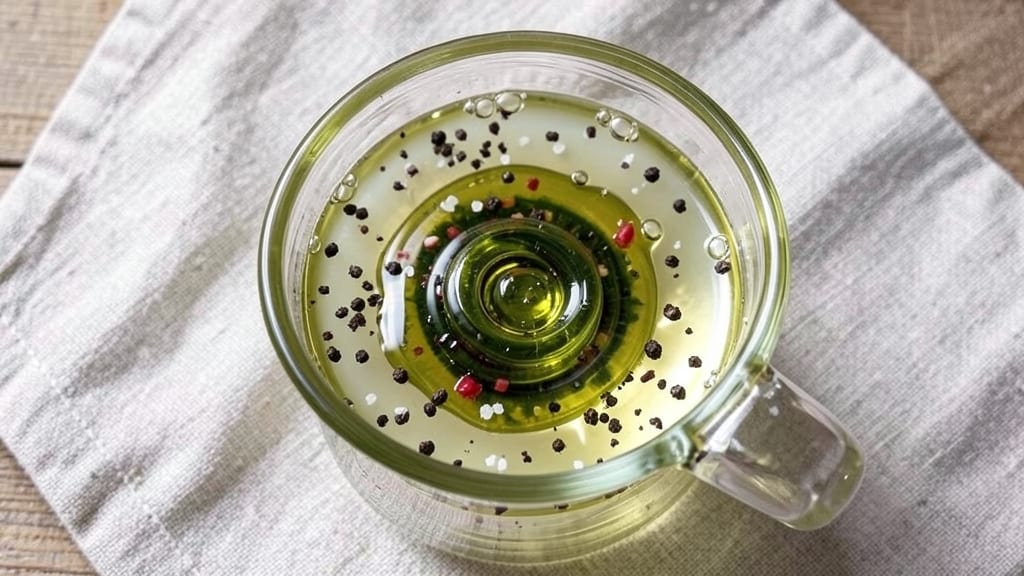
A basic oil and vinegar salad dressing transforms simple salads into vibrant, flavorful meals with just five minutes of work. The secret lies in balancing the sharp tang of vinegar with the smooth richness of oil, creating a dressing that enhances rather than overpowers your greens.
This foundational recipe serves as the perfect base for countless variations—from classic vinaigrettes to bold herb-infused twists.
What makes this dressing exceptional is its simplicity and scalability. With just two core ingredients—high-quality olive oil and your choice of vinegar—you’ll achieve a harmonious blend that’s bright, balanced, and effortlessly adaptable.
The key is patience: whisking slowly allows the flavors to meld without emulsifying into a thick mayonnaise-like consistency, ensuring every drizzle stays light and refreshing.
The result is a dressing that’s versatile enough for any salad—crisp greens, hearty grains, or grilled vegetables—while remaining light enough to let the natural flavors shine. Whether you’re prepping a quick lunch or hosting a dinner party, this dressing delivers restaurant-quality brightness without the fuss.
Ready to elevate your salads? This recipe is your starting point—customize it with herbs, mustard, or a touch of honey to match your taste. Let’s get started.
Ingredients for basic oil and vinegar salad dressing
Two core ingredients plus a handful of optional enhancers—this is your foundation for restaurant-quality salad dressing.
| Ingredient | Amount | Notes |
|---|---|---|
| Extra-Virgin Olive Oil 🫒 | ¾ cup | High-quality, fruity variety preferred |
| White Wine Vinegar 🍷 | ¼ cup | Bright, crisp acidity ideal |
| Diamond Crystal Kosher Salt 🧂 | ½ tsp | Fine grain for even dissolution |
| Freshly Ground Black Pepper 🌶️ | ¼ tsp | Freshly cracked for robust flavor |
| Garlic Cloves 🧄 | 2 cloves | Minced for subtle aromatic base |
| Shallot 🧅 | 1 whole | Finely minced for delicate sweetness |
| Honey 🍯 | 1 tbsp | Optional for subtle sweetness balance |
| Dijon Mustard 🥬 | 1 tsp | For gentle emulsification |
The olive oil is your star player—look for extra-virgin with a fruity, peppery finish. Trader Joe's and Whole Foods carry excellent options, but any good-quality EVOO works. The vinegar should be bright and crisp—white wine vinegar is classic, but apple cider or red wine vinegar add depth. For the shallot, buy one pre-minced if you're short on time, but fresh is always better. The garlic? Roast it first if you want to mellow its sharpness—just toss whole cloves in the oven at 400°F for 10 minutes. Salt matters too—Diamond Crystal dissolves more easily than table salt, so you'll need less.
No honey? Maple syrup or agave works in a pinch, though honey's floral notes are unmatched. Mustard hater? Skip it—this dressing thrives on simplicity. Short on shallots? Substitute red onion at half the amount, but it'll add more bite. For vinegar alternatives, lemon juice works 1:1 but lacks complexity. The key is balance: start with the basic ratio (3:1 oil to vinegar), then adjust to taste. Always whisk slowly—emulsifying too fast turns your dressing into mayo. If it separates, just whisk again before using.
This dressing keeps beautifully—up to 2 weeks in the fridge in an airtight jar. The flavors actually improve over time as everything melds. Need to scale up? Double the recipe and store in a larger container. For travel, transfer to a leak-proof bottle. Pro tip: Add a pinch of salt right before using if your greens are particularly fresh—it'll help balance their natural bitterness. The honey and mustard? Add those last-minute if you're using them, so they stay vibrant.
Why You'll Love This Recipe
- I swear by this 3: 1 oil-to-vinegar split—it’s the magic number. No measuring cups, no guesswork, just eyeball it and go. That’s how I’ve been making it for years, and honestly? No one ever notices if I’m off by a splash.
- No-Fuss Ratio: I swear by this 3:1 oil-to-vinegar split—it’s the magic number. No measuring cups, no guesswork, just eyeball it and go. That’s how I’ve been making it for years, and honestly? No one ever notices if I’m off by a splash.
- Garlic Kiss: One raw clove, smashed and steeped, transforms this from basic to ridiculously good. The heat mellows into this sweet, savory depth that makes every bite of your salad feel like a little celebration. (Yes, even on a Tuesday night.)
- Dressing for Days: This keeps in the fridge for weeks—I’ve had a jar last me through three grocery runs. Just shake before using, and it’s like fresh every time. My wallet and my leftovers both thank me.
Step-by-step instructions for homemade oil and vinegar dressing
This classic dressing comes together in minutes with just a few simple techniques.
Prepare the Aromatics
Peel the 1 whole shallot and finely mince it using a sharp knife or food processor. The goal is to create tiny, almost paste-like pieces that will dissolve completely into the dressing. I like to use a food processor for this because it gives you that perfect consistency without overworking the shallot.
Next, mince the 2 cloves garlic cloves to a similar fine texture. The shallot and garlic should blend seamlessly into the dressing rather than create distinct chunks. Taste a small amount of the minced mixture—it should be sweet and aromatic without being overpowering. This is your flavor foundation, so take your time getting it just right.
Combine Wet Ingredients
In a medium bowl, whisk together the 0.75 cup extra-virgin olive oil and 0.25 cup white wine vinegar. I start with just these two ingredients to create a simple base. The oil and vinegar should blend smoothly, but you might see slight separation at first—that's completely normal and will resolve as you add the other ingredients.
Add the minced shallot, garlic, 1 tbsp honey, and 1 tsp Dijon mustard to the bowl. The honey will begin to dissolve into the mixture, adding subtle sweetness that balances the acidity. The Dijon mustard acts as a natural emulsifier, helping to bind the oil and vinegar together. Whisk vigorously for about 30 seconds to fully incorporate all the ingredients.
Season and Emulsify
Add the 0.5 tsp Diamond Crystal kosher salt and 0.25 tsp freshly ground black pepper to the bowl. The salt should dissolve completely, enhancing the flavors of all the ingredients. Taste the dressing at this point—it should be bright, tangy, and well-balanced between sweet, acidic, and savory notes.
Continue whisking the dressing for another 30-60 seconds. You're looking to create a smooth, velvety texture where the oil and vinegar fully emulsify. If the dressing starts to look too thick, add 1-2 teaspoons of water to loosen it. The final consistency should be pourable but still coat the back of a spoon. This is the moment where your dressing comes together—keep whisking until it reaches that perfect balance.
Rest and Adjust
Let the dressing rest at room temperature for 5-10 minutes. This resting period allows all the flavors to meld together and the emulsification to stabilize. After resting, give it one final taste. If you find the dressing needs more acidity, add a splash of white wine vinegar. If it needs more sweetness, add a tiny bit more honey.
The dressing should now be perfectly balanced—bright from the vinegar, rich from the olive oil, with just the right amount of sweetness and savory depth. This simple technique ensures your homemade dressing will be far superior to anything you can buy in a bottle. Store any leftovers in an airtight container in the refrigerator for up to 2 weeks.
Pro Tips For Making Basic Oil And Vinegar Salad Dressing
- MINCE THAT GARLIC: I learned this the hard way—don’t just chop garlic cloves into the dressing raw. Smash them with the flat side of your knife first, then mince into a paste. The flavor blends smoother and doesn’t clump like raw chunks, even after shaking.
- SALT THE OIL FIRST: Add your kosher salt to the olive oil before emulsifying. It dissolves better this way, so you’re not left with gritty flecks later. Use about ¼ teaspoon per ¼ cup oil—trust me, it matters more than you’d think.
- SHAKES DON’T MIX: Resist the urge to just shake the jar. Instead, pulse the dressing in a blender for 10 seconds if you’re impatient, or whisk vigorously for 30 seconds. Shaking creates oil pockets that separate faster.
- USE COLD VINEGAR: Pour cold white wine vinegar over the garlic and salt first, then add the oil. The cold vinegar helps the salt dissolve instantly, and the dressing emulsifies cleaner. No one wants a cloudy dressing—this keeps it bright.
Troubleshooting your basic oil and vinegar salad dressing
Oil Separation Fix
If your dressing separates into oily and vinegary layers, don’t panic—this is normal with basic oil-and-vinegar blends. Simply whisk vigorously for 30-60 seconds to re-emulsify. For a more stable dressing, add ½ tsp Dijon mustard (it acts as a natural emulsifier) or 1 tsp honey to help bind the ingredients.
If it still separates, stir before using—just give it a quick whisk right before drizzling. 💫
Too Tangy?
If the vinegar taste overpowers your salad, balance it with 1-2 extra tablespoons of olive oil or a touch of honey (½ tsp at a time). For a sweeter profile, add 1 tsp maple syrup or ½ tsp sugar.
Taste as you go—start small, since these additions can quickly change the flavor. A pinch of salt (¼ tsp) also helps round out sharpness.
Too Thick or Clumpy
If your dressing is too thick, thin it with 1-2 teaspoons of warm water or extra vinegar (½ tsp at a time). For clumps, strain it through a fine-mesh sieve or whisk vigorously to break them apart.
If using mustard, ensure it’s fully dissolved before adding other ingredients—this prevents graininess. A quick food processor pulse can also smooth out textures if whisking isn’t enough.
Flavor Too Mild?
Boost brightness with an extra ½ tsp vinegar or ¼ tsp citrus zest (lemon or orange). For depth, add 1 minced garlic clove or ½ tsp dried herbs (thyme or oregano).
A splash of low-sodium soy sauce (½ tsp) adds umami without overpowering. Always taste after each addition—homemade dressings shine when tailored to your palate.
Storage Issues
If your dressing smells off after refrigeration, it’s likely gone bad—discard it. To prevent spoilage, store in an airtight glass jar (plastic can absorb odors) and keep it in the fridge for no more than 2 weeks.
For longer shelf life, add ½ tsp lemon juice (acts as a preservative) or use pasteurized vinegar (like apple cider vinegar). Never store in a metal container—it can react with acidic ingredients.
Herb or Spice Clumps
If dried herbs or spices clump, pulse them in a coffee grinder for 5 seconds before adding to the dressing. For fresh herbs (like basil or parsley), finely chop them by hand or use a microplane for tiny, even pieces.
Always add herbs last—this keeps their vibrant color and prevents them from releasing oils too early. A cheesecloth-lined strainer also works to catch any stubborn bits before drizzling. 🌿
Nutrition facts
Frequently asked questions
Can I substitute other vinegars in this dressing?
White wine vinegar is classic, but you can use apple cider vinegar for a fruity twist, balsamic vinegar for depth (reduce to 1 tbsp for richness), or even lemon juice (1:1 ratio) for brightness. Just remember that stronger vinegars like balsamic may require more oil to balance their intensity.
Why does my dressing separate after making it?
Oil and vinegar naturally separate because they don't mix—this is normal! Simply whisk vigorously for 30-60 seconds before using. For a more stable dressing, add ½ tsp Dijon mustard or 1 tsp honey as natural emulsifiers. The key is whisking slowly to blend without creating mayo-like thickness.
How do I make this dressing thicker or thinner?
For a thicker dressing, reduce the oil slightly (¼ cup less) or add 1 tsp cornstarch mixed with 1 tsp water. To thin it, add 1-2 tsp warm water or a splash of vinegar. Always adjust gradually—start with ½ tsp at a time and taste as you go. A food processor can also help achieve a smoother, thicker consistency.
Can I make this dressing ahead of time?
Yes! This dressing actually tastes better after resting. Store it in an airtight glass jar in the fridge for up to 2 weeks. Shake or whisk well before using, as flavors meld and separation may occur. For longer storage, add ½ tsp lemon juice as a preservative. The resting time lets all ingredients harmonize beautifully.
What are the best herbs to add for extra flavor?
Fresh herbs like parsley, dill, or tarragon add vibrant notes. For dried options, try thyme, oregano, or basil (use half the amount). Always finely chop fresh herbs or pulse dried ones in a grinder to avoid clumps. Add them last to preserve color and freshness—just stir gently before drizzling.