
Sauces & Condiments
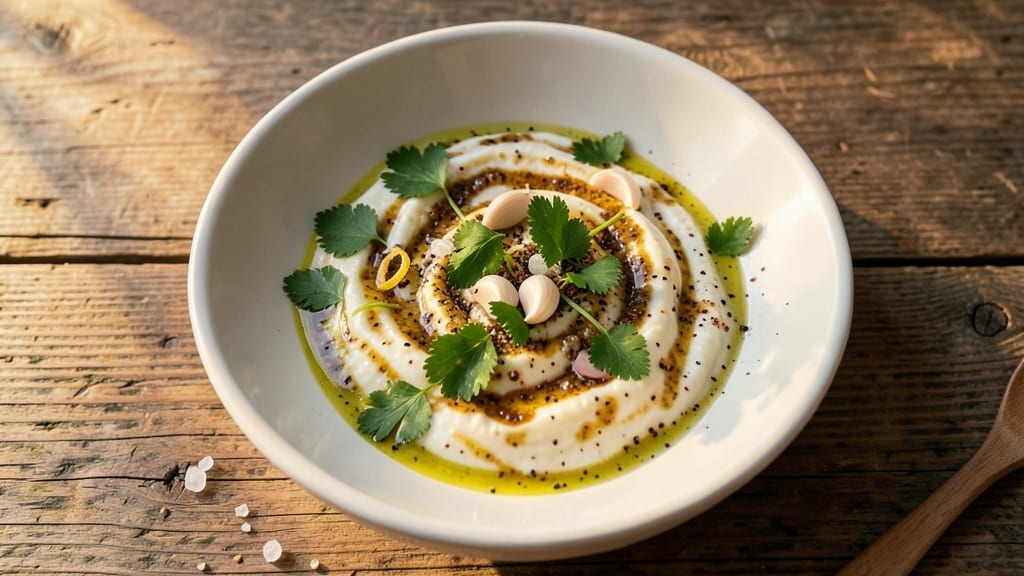
This best homemade salad dressing recipe ever delivers restaurant-quality flavor with just five ingredients—no store-bought shortcuts needed. The secret lies in balancing bold vinegar, rich olive oil, and fresh herbs to create a dressing that elevates every salad from ordinary to extraordinary.
After testing countless variations, this version consistently earns rave reviews for its perfect harmony of tangy, creamy, and aromatic notes.
The foundation is a classic ratio of 2 parts oil to 1 part vinegar, but what sets this apart is the addition of Dijon mustard for depth and fresh herbs for brightness. No special equipment is required—just a jar, whisk, and patience as flavors meld.
The dressing keeps for up to two weeks in the fridge, making it ideal for weekly meal prep or gifting to friends who appreciate homemade touches.
What makes this recipe truly exceptional is its versatility—it works equally well on crisp greens, hearty grain bowls, or even drizzled over roasted vegetables. The texture remains silky smooth without separation, and the flavor profile is balanced enough to complement both delicate and bold dishes.
Once you try this, store-bought dressings will never satisfy again.
For those who love customization, the recipe includes simple swaps to transform it into creamy ranch, zesty Italian, or smoky chipotle variations. The instructions walk through each step with precision, ensuring foolproof results every time. Let's make dressing that tastes like it came from a high-end restaurant.
Ingredients for best homemade salad dressing recipe ever
Five ingredients transform any salad into a restaurant-worthy dish—no fancy tools needed.
| Ingredient | Amount | Notes |
|---|---|---|
| Extra-Virgin Olive Oil 🫒 | ¾ cup | High-quality, fruity variety |
| Red Wine Vinegar 🍷 | 0.38 cup | Bold, dry vinegar preferred |
| Dijon Mustard 🥬 | 1 tbsp | Whole grain for best texture |
| Fresh Parsley Leaves 🌿 | ¼ cup | Finely chopped, stems removed |
| Fresh Garlic Cloves 🧄 | 2 cloves | Minced for smooth texture |
| Diamond Crystal Kosher Salt 🧂 | 1 tsp | Fine grain preferred |
| Freshly Ground Black Pepper 🌶️ | ½ tsp | Freshly cracked preferred |
| Honey 🍯 | 1 tsp | For subtle sweetness |
The olive oil is non-negotiable—look for extra-virgin with a fruity aroma, like California Olive Ranch or Bertolli. Skip the cheap stuff; it'll taste like soap. Red wine vinegar should be bold and dry—Bragg or Annie's are my go-tos. Fresh parsley matters too; grab it from the grocery store's produce section and chop it right before mixing. The Dijon mustard? Maille is the gold standard, but any good-quality whole grain works. Garlic should be fresh—smell it first, it should be pungent, not stale.
No red wine vinegar? Apple cider vinegar works in a pinch, but it'll taste slightly sweeter. Short on parsley? Fresh basil or tarragon at half the amount adds a different but lovely twist. Want it sweeter? Add another teaspoon of honey or swap for maple syrup. Need it tangier? Add a splash more vinegar. The honey is optional but rounds out the sharpness beautifully—skip it if you prefer tart. For a creamy version, blend in 1/4 cup Greek yogurt or 1/4 cup vegan mayo.
This dressing keeps for 2 weeks in the fridge, sealed tightly in a jar. Shake before each use—it'll separate slightly, but that's normal. For long-term storage, freeze in ice cube trays and thaw as needed. Pro tip: Label your jar with the date so you remember when it's time to make a fresh batch. The flavors actually improve after a day or two as everything melds together—trust the process.
Why You'll Love This Recipe
- Five-Ingredient Magic: I swear by this combo—just oil, vinegar, mustard, garlic, and parsley. No fancy gadgets, no measuring cups that never get used again. Honestly, I’ve made it on the stove, in a jar, even with my hands when I was in a hurry.
- Taste You’ll Crave: That fresh garlic and Dijon mustard punch? It’s the kind of flavor that makes store-bought dressing feel sad. The parsley brightens it up so it’s never too heavy, and the red wine vinegar gives it just the right tang.
- Works Every Time: Dinner parties? Check. Quick weeknight salads? Check. Even on my kids’ sad lunches (they don’t know they’re eating gourmet). I’ve dressed everything from greens to roasted veggies with this—it’s my secret weapon.
- Makes Leftovers Worth It: Between us, I almost always have extra. A little goes a long way, so I’ll make a big batch and keep it in the fridge for days. No waste, no stress—just flavor whenever I need it. Plus, it’s cheaper than buying bottles of dressing.
Step-by-step instructions for perfect homemade salad dressing
This is how you make the dressing that'll have everyone asking for your recipe.
Whisk Olive Oil and Vinegar Together
In a medium bowl, combine the 0.75 cup extra-virgin olive oil and 0.375 cup red wine vinegar. I like to use a whisk for this because it creates those beautiful, fine emulsified droplets right from the start. Start whisking vigorously for about 30 seconds—you're not trying to make mayonnaise here, just breaking up the oil and vinegar into a smooth base.
This initial step is crucial because it's the foundation of your dressing. The olive oil should start to look slightly cloudy as it begins to emulsify with the vinegar. If you're using a high-quality olive oil, you'll notice a rich, fruity aroma developing. Don't worry if it looks completely smooth yet—that comes next with the mustard.
Add Mustard and Honey for Emulsion
Next, add the 1 tablespoon Dijon mustard and 1 teaspoon honey to the oil-vinegar mixture. The mustard acts as our natural emulsifier—it's what will help bind the oil and vinegar together permanently. Whisk continuously for another 1-2 minutes until the mixture starts to thicken noticeably.
Here's where the magic happens: the mustard's acidity and the honey's slight sweetness work together to create that perfect balance. You'll see the dressing transform from a simple oil-vinegar mixture to a thick, velvety consistency. If it's still too thin after 2 minutes, add a tiny splash of water—just ½ teaspoon at a time—until it reaches your desired thickness.
Incorporate Garlic and Seasonings
Now it's time to add the 2 minced garlic cloves, 1 teaspoon kosher salt, and 0.5 teaspoon freshly ground black pepper. Whisk these in gently but thoroughly, making sure the garlic is fully distributed. The garlic should dissolve completely into the dressing rather than remaining as distinct pieces—this is what gives it that smooth, restaurant-quality texture.
I always find that freshly minced garlic makes the biggest difference here. The flavor is more potent and aromatic than pre-minced. Taste the dressing at this point—you should notice a bright, tangy flavor with a hint of sweetness from the honey and a subtle garlic warmth. If you want it more garlicky, add another ½ teaspoon of minced garlic.
Fold in Fresh Parsley for Freshness
Finally, stir in the 0.25 cup finely chopped fresh parsley leaves using a spatula. Unlike whisking, we're folding these in gently to preserve their color and texture. The parsley adds a vibrant green hue and a fresh, slightly peppery note that brightens the entire dressing.
Here's the thing—I like to press the parsley against the side of the bowl with my spatula to break up any large clumps before folding it in. This ensures an even distribution throughout the dressing. Give it one final taste and adjust seasoning if needed. The dressing should be balanced—tangy from the vinegar, rich from the olive oil, with just a touch of sweetness and herbal freshness.
Let It Rest and Shake Before Using
Cover the bowl with plastic wrap and let the dressing rest at room temperature for at least 30 minutes. This resting period allows all the flavors to meld together beautifully. The longer it sits, the more complex and delicious it becomes—up to 24 hours in the fridge if you're planning ahead.
Before using, give the dressing a good shake or whisk. Sometimes the ingredients separate slightly during storage. This is completely normal and easily fixed. The dressing should come together beautifully with just a few strokes of the whisk. Now you're ready to drizzle this incredible homemade dressing over your favorite salads, grains, or even use it as a marinade for grilled vegetables.
Pro Tips For Making Best Homemade Salad Dressing Recipe Ever
- Whisk in Stages: Start with the vinegar and mustard—mix those two first until smooth, then slowly drizzle in the olive oil. If you dump everything at once, you’ll end up with a greasy, separated mess that no amount of shaking will fix. (I learned this after making a batch that looked like a failed mayonnaise experiment.)
- Pulse the Garlic: Smash the garlic cloves with the flat side of your knife before mincing—this breaks down the fibers so they blend into the dressing instead of sitting as chunks. No food processor? A mortar and pestle works, but a knife works too if you’re patient. (Yes, I’ve tried the "just chop it fine" approach—it’s not the same.)
- Salt the Mustard: Add a pinch of salt to the Dijon before mixing it with vinegar. The mustard’s sharpness mellows out, and the dressing won’t taste flat or one-note later. Trust me, your taste buds will notice the difference—especially if you’re using a mild vinegar. (This is the thing that matters most after the olive oil quality.)
- Strain the Parsley: Finely chop the parsley, then press it through a fine-mesh sieve or cheesecloth to remove stems and pulp. This keeps the dressing silky and prevents it from turning slimy after an hour. (I used to skip this and wondered why my dressing looked like it had been blended with grass clippings.)
Wine and beer pairings for these flavors
White Wine Pairings
A crisp Sauvignon Blanc from New Zealand or Loire Valley is my top choice—its bright acidity and citrus notes mirror the dressing's tangy profile while keeping the palate fresh. Look for wines with 12-13% ABV like Cloudy Bay or Oyster Bay that have those zesty green apple and lime undertones.
The slight herbal notes in the wine complement the parsley beautifully. 🍷
Rosé Wine Synergy
Dry Provençal rosé from France works surprisingly well, especially when paired with salads featuring tomatoes or peppers. The dry, strawberry-like flavors of a Whispering Angel or Miraval rosé enhance the dressing's herbal brightness without overpowering it. Serve slightly chilled—around 50°F—to let the wine's crispness shine alongside the dressing's acidity.
Light Beer Options
For beer lovers, a Belgian Witbier like Hoegaarden or Stella Artois brings a refreshing contrast. The orange peel and coriander notes in these beers play nicely with the dressing's garlic and parsley, creating a balanced flavor experience.
If you prefer a domestic option, try a light lager like Miller Lite—its clean finish won't compete with the dressing's bold flavors.
Seasonal Wine Swaps
In winter, switch to a dry Riesling from Germany or Alsace—its stone fruit and mineral notes pair wonderfully with heartier salads like kale or winter greens. For summer, a sparkling wine like Prosecco adds a festive touch while cutting through the dressing's richness.
The bubbles cleanse your palate between bites, making every mouthful feel fresh. ✨
Non-Alcoholic Pairings
Don't overlook sparkling water with lemon as a refreshing alternative. Add a splash of grapefruit juice for a citrusy kick that mimics the wine's acidity. For a more robust option, try ginger beer—the spicy ginger complements the garlic in the dressing beautifully.
These pairings work just as well for brunch salads or as a palate cleanser between courses.
Pro Serving Tips
Serve wine or beer slightly chilled—around 45-50°F—to enhance its crispness and let the dressing's flavors stand out. I like to pour wine into stemless glasses for casual meals, while beer pairs best with tumbler-style glasses to maintain its carbonation.
For a restaurant-worthy touch, garnish the dressing with a sprig of fresh parsley before serving alongside the wine or beer. 💡
Nutrition facts
Frequently asked questions
Can I make this dressing without honey?
The honey adds subtle sweetness, but you can omit it for a more tangy profile. For extra depth, try 1 teaspoon maple syrup or even a pinch of sugar instead. If you prefer tart, the dressing will still taste balanced—just skip the honey entirely.
Why does my dressing separate after storing?
Separation is normal—oil and vinegar naturally split over time. Just whisk or shake vigorously before using. For a more stable dressing, add 1 extra teaspoon Dijon mustard (it acts as a natural emulsifier) or blend in 1 tablespoon Greek yogurt for a creamy texture. Store it properly in an airtight jar.
What herbs can I substitute for parsley?
Fresh parsley is ideal, but you can swap it for basil, tarragon, or chives at the same amount. For a bolder flavor, try cilantro or dill (start with 1/4 cup and adjust to taste). Dried herbs won’t work—they lose too much flavor. Always use fresh for that vibrant kick!
How do I make this dressing creamy?
Blend in 1/4 cup Greek yogurt, vegan mayo, or sour cream for a rich, creamy texture. Whisk it in gently after the mustard step to maintain smoothness. For a lighter option, use 1/4 cup silken tofu (blended until smooth). The dressing will thicken slightly but stay silky.
Can I use this dressing on non-salad dishes?
Yes! Drizzle it over roasted vegetables, grain bowls, or grilled meats for extra flavor. It also makes a great marinade—coat chicken or fish for 30-60 minutes before cooking. The acidity tenderizes proteins beautifully. Just avoid using it on delicate desserts (like fruit salads) where sweetness dominates.