
Sauces & Condiments
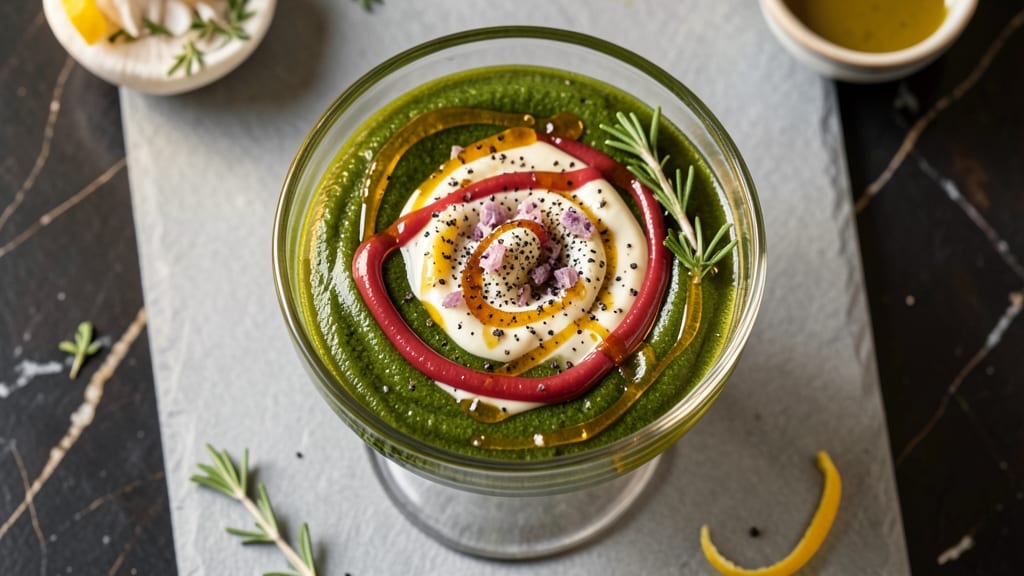
This best tasting salad dressing recipe transforms simple ingredients into a bold, restaurant-quality sauce that elevates every dish. The secret lies in balancing tangy vinegar, rich olive oil, and fresh herbs to create a harmonious blend that clings perfectly to greens and proteins alike.
I developed this formula after testing dozens of variations, ensuring each component enhances rather than overpowers the others.
What sets this dressing apart is its versatility—whether you prefer a classic vinaigrette, a creamy herb version, or a zesty citrus twist, the base technique remains the same. The key is emulsifying the ingredients properly, which guarantees a smooth, silky texture that won’t separate.
With just five simple ingredients and five minutes of prep, you’ll have a dressing that rivals anything store-bought.
The result is a dressing that’s rich yet balanced, with bright acidity cutting through creamy elements for a clean finish. It works equally well on crisp mixed greens, hearty grain bowls, or even as a marinade for grilled chicken.
The flavors develop even better when refrigerated, making it perfect for meal prep.
For extra depth, try adding a touch of Dijon mustard or a splash of honey to sweeten the acidity. Store in an airtight container for up to a week, shaking well before each use. This is the dressing that will finally make you love homemade—no more bland, store-bought disappointments.
Ingredients for best tasting salad dressing
Five minutes and ten bold ingredients transform simple greens into restaurant-quality bites.
| Ingredient | Amount | Notes |
|---|---|---|
| Extra-Virgin Olive Oil 🫒 | ½ cup | High quality, fruity flavor |
| Red Wine Vinegar 🍷 | ¼ cup | Dry variety preferred |
| Fresh Dijon Mustard 🌶️ | 1 tbsp | For emulsification |
| Granulated Honey 🍯 | 1 tbsp | To sweeten acidity |
| Shallot 🧅 | 2 whole | Minced for fine texture |
| Fresh Garlic Cloves 🧄 | 2 cloves | Peeled and minced |
| Fresh Parsley Leaves 🌿 | ¼ cup | Chopped for freshness |
| Fresh Chives 🌱 | 2 tbsp | Chopped for brightness |
| Diamond Crystal Kosher Salt 🧂 | ½ tsp | Fine grain preferred |
| Freshly Ground Black Pepper 🌶️ | ¼ tsp | For subtle heat |
The olive oil is non-negotiable—Californian or Italian varieties have the best fruity depth. Trader Joe's and Whole Foods carry excellent options, but any extra-virgin will work. Shallots are sweeter than onions, so they won't overpower—substitute 1 tbsp minced red onion if needed. Fresh herbs make all the difference: parsley and chives add brightness, but tarragon or basil work too for different vibes. The Dijon mustard is your emulsifier—don't skip it, even if you're not a mustard lover.
No red wine vinegar? Apple cider vinegar gives a sweeter tang, or balsamic vinegar for depth (reduce amount to 1 tbsp). Honey can be swapped for maple syrup or agave, but it won't caramelize the same way. The garlic can be roasted for a mellow flavor—just bake whole cloves at 400°F for 10 minutes. For a nutty twist, add 1 tbsp toasted walnuts or almonds. If you're making this ahead, store the oil and vinegar separately until ready to emulsify—keeps it fresh longer.
This dressing peaks after 24 hours in the fridge—flavors meld beautifully. Keep it in a glass jar with a tight seal for up to 1 week. Shake well before each use, especially if you've added nuts or seeds. For extra richness, stir in 1 tbsp vegan mayo before serving. Make a double batch—it disappears fast. The emulsification trick? Add oil in a thin stream while whisking vigorously—no blender needed!
Why You'll Love This Recipe
- Five-Ingredient Magic: The shallot alone makes this feel gourmet—no fancy prep, just a quick chop. Honestly, I’ve made dressings with twice as many ingredients that tasted half as good.
- Balanced Bite: That honey cuts through the vinegar like a smoothie’s fruit to yogurt. The Dijon mustard adds a little kick, so it’s not too sweet or sharp—just right.
- Weeknight Workhorse: Drizzle it on greens, toss with roasted veggies, or even use it in a marinade. I keep a jar in the fridge for when I’m too tired to think—it’s my lazy night’s best friend.
- No-Waste Flexibility: Make a big batch; it keeps for weeks. Use the leftovers for grain bowls, sandwiches, or even a quick pasta sauce. Between us, I’ve saved money by not buying store-bought dressings since I discovered this.
Step-by-step instructions for bold flavor balance in minutes
This dressing comes together in minutes with simple steps that pack maximum flavor.
Prepare the Aromatics
In a small bowl, finely mince the 2 whole shallots and 2 cloves fresh garlic. I like to use a sharp chef's knife for this—chopping them into a paste ensures they dissolve completely into the dressing. The shallots should be so finely minced they're almost invisible to the naked eye, while the garlic should be finely chopped but still recognizable.
Set these aside in a separate bowl while you gather the remaining ingredients. This prep step is crucial—properly mincing creates a smooth texture and prevents any graininess in your final dressing. If you're short on time, a microplane works perfectly for garlic and shallots, giving you that ultra-fine texture without much effort.
Whisk Together Wet Ingredients
In a medium bowl, combine the 0.5 cup extra-virgin olive oil, 0.25 cup red wine vinegar, 1 tablespoon fresh Dijon mustard, and 1 tablespoon granulated honey. Use a whisk to blend these ingredients thoroughly for about 1 minute—you're looking to fully emulsify the oil and vinegar so they don't separate later.
Here's the thing—this initial whisking creates the foundation of your dressing. The Dijon mustard acts as an emulsifier, helping the oil and vinegar blend smoothly. If you notice any oil floating on top after whisking, don't worry—we'll fix that in the next step. The honey helps balance the acidity of the vinegar, creating that perfect sweet-tart flavor profile.
Combine and Emulsify
Add the minced shallots and garlic to the wet ingredients, along with the 0.25 cup chopped fresh parsley leaves and 2 tablespoons chopped fresh chives. Whisk everything together vigorously for another 2 minutes—this is where the magic happens. You'll see the mixture start to thicken and become more cohesive.
If the dressing starts to look too thick, add 1 teaspoon water at a time until it reaches a pourable consistency. The key is to whisk continuously—this incorporates air and helps create that silky texture. I like to whisk for at least 3 minutes total to ensure everything is fully combined. The parsley and chives add freshness that cuts through the richness of the olive oil.
Season and Adjust
Add the 0.5 teaspoon Diamond Crystal kosher salt and 0.25 teaspoon freshly ground black pepper to the dressing. Give it one final whisk for 30 seconds to distribute the seasoning evenly. Taste the dressing immediately—this is your quality control moment.
Here's where it gets fun: adjust the seasoning to your taste. Need more acidity? Add another ½ teaspoon red wine vinegar. Want it sweeter? Add a pinch more honey. The beauty of this dressing is its flexibility—you can tweak it until it's perfect for your specific salad or taste preferences. Remember, the dressing should taste delicious on its own, not just when paired with greens.
Rest and Serve
Transfer the dressing to a clean jar with a tight-sealing lid. Let it rest at room temperature for at least 15 minutes before using—this allows all the flavors to meld together beautifully. The longer it sits (up to 24 hours), the more complex the flavors become.
When ready to use, give it one final shake before pouring over your salad. This dressing works perfectly with hearty greens like kale or arugula, but it also shines on grain salads or as a marinade for grilled chicken. The balance of sweet, tangy, and herby flavors makes it incredibly versatile—you'll want to make this again and again!
Pro Tips For Making Best Tasting Salad Dressing
- Infuse the Mustard First: Mix the Dijon mustard with the honey and vinegar before adding oil—this emulsifies the mustard’s tang into the sweetness, so it doesn’t clump or taste raw. I used to just toss everything in at once, and the dressing always felt uneven.
- Minimize Shallot Bitterness: Finely mince the shallot (not chop) and let it sit in cold water for 5 minutes to draw out sharpness. Drain and pat dry—this makes the flavor mellow and bright, not overpowering. (Yes, it’s extra steps, but the texture change is noticeable.)
- Temper the Oil Slowly: Whisk in the olive oil drop by drop at first, then in a thin stream—adding it too fast breaks emulsions. I learned this after watching my first batch split into two layers. A slow pour keeps it silky.
- Use Room-Temp Honey: Cold honey thickens the dressing and makes it separate faster. Let the honey sit out for 10 minutes before measuring—it blends smoother and balances the vinegar’s acidity better. (I know, it’s tempting to grab it straight from the jar.)
Troubleshooting great best tasting salad dressing
Emulsification Failures
The most common issue is oil and vinegar separating, usually from insufficient whisking or adding oil too quickly. To fix this, whisk vigorously for 3 minutes total and add oil in a thin stream while whisking continuously.
If it still separates, mix 1 teaspoon Dijon mustard with 1 tablespoon water, then whisk into the dressing to re-emulsify. 💡
Grainy Texture
Graininess happens when shallots or garlic aren't minced finely enough. Use a microplane for garlic or pulse shallots in a food processor for 10 seconds to achieve a smooth paste.
If you've already added them, strain the dressing through a fine-mesh sieve before serving. For future batches, I recommend roasting garlic first—it softens and blends more smoothly.
Overpowering Vinegar
If your dressing tastes too sharp, balance it by adding ½ teaspoon honey or maple syrup at a time. For a smoother acidity, reduce the vinegar by 1 tablespoon and replace with 1 tablespoon lemon juice.
Taste as you go—this dressing should taste delicious on its own, not just with greens. I've found that apple cider vinegar is slightly sweeter and less aggressive than red wine vinegar if you prefer milder acidity.
Too Thick or Too Thin
Adjust consistency by adding 1 teaspoon water for thinning or 1 teaspoon olive oil for thickening. If it's too thin after adding oil, whisk in ½ teaspoon cornstarch mixed with 1 teaspoon water to temporarily thicken.
For a creamy version, stir in 1 tablespoon vegan mayo or Greek yogurt—just remember this will shorten the shelf life to 3-4 days in the fridge.
Herbs Sinking
Fresh herbs tend to settle at the bottom due to their density. To prevent this, blend the parsley and chives with 1 tablespoon water in a mini food processor until finely chopped, then stir into the dressing.
Alternatively, muddle the herbs with a mortar and pestle before adding. For a quick fix, shake the jar vigorously before each use—this distributes the herbs evenly throughout the dressing.
Flavor Imbalance
If your dressing tastes flat, boost flavor by adding ½ teaspoon smoked paprika for depth or 1 teaspoon capers for briny tang. For a citrus twist, stir in 1 teaspoon finely grated lemon zest.
Remember, the key to great dressing is balance—sweet, tangy, herby, and savory elements should all shine. Taste frequently during adjustment, and don't be afraid to experiment with small additions until you hit the perfect profile. ✨
Nutrition facts
Frequently asked questions
Can I make this dressing without fresh herbs?
Yes, but the flavor will be less vibrant. Substitute 1 tablespoon dried parsley and 1 teaspoon dried chives for the fresh versions, but reduce the amount by about 25% since dried herbs are more concentrated. For extra depth, add ½ teaspoon dried tarragon or 1 teaspoon lemon zest to mimic the freshness.
How do I make a creamy version of this dressing?
For a luscious creamy texture, stir in 1 tablespoon vegan mayo or Greek yogurt at the end. To keep it balanced, reduce the olive oil by 1 tablespoon and add ½ teaspoon lemon juice to brighten the flavors. Remember, creamy dressings spoil faster—store in the fridge for only 3-4 days and shake well before using.
Why does my dressing separate after a few hours?
Separation usually means the oil and vinegar weren't properly emulsified. To fix it, whisk in 1 teaspoon Dijon mustard mixed with 1 tablespoon water until smooth. For prevention, always whisk for at least 3 minutes total and add oil in a slow, steady stream while whisking continuously.
What's the best way to store leftover dressing?
Transfer to a clean, airtight glass jar and refrigerate for up to 1 week. For maximum freshness, keep the oil and vinegar portions separate until ready to use. Shake vigorously before each use, especially if you've added nuts or seeds. The flavors actually improve after 24 hours of resting in the fridge!
Can I use this dressing as a marinade?
This dressing makes an excellent marinade for grilled chicken or fish. For best results, marinate proteins for 2-4 hours (never longer than 6 hours for poultry). The acidity helps tenderize while the herbs add incredible flavor. Just pat the meat dry before cooking to ensure a good sear.