
Sauces & Condiments
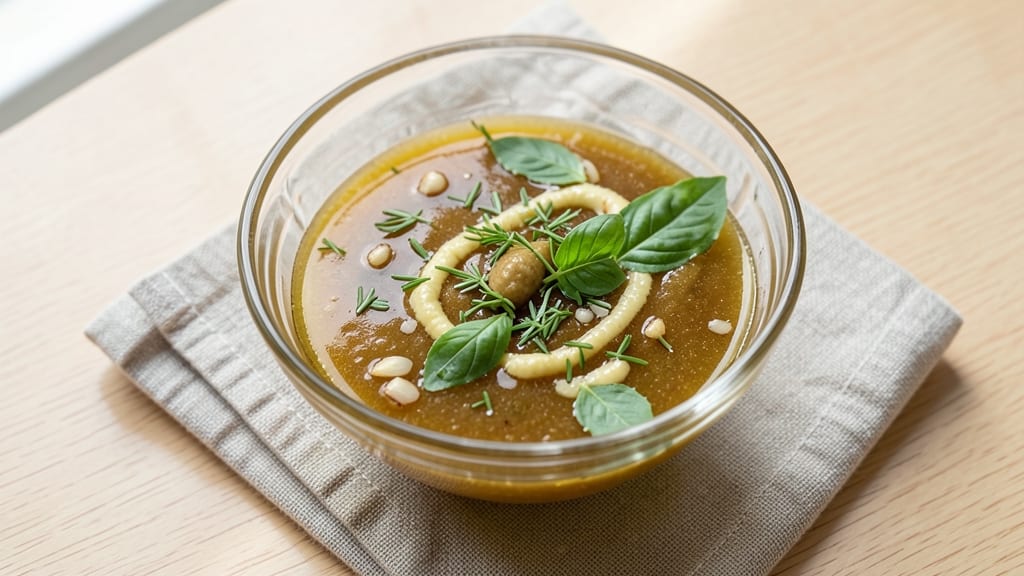
Bill Gianino's salad dressing transforms ordinary greens into restaurant-worthy bites with its bold herb vinaigrette and layers of umami depth. The secret lies in balancing sharp vinegar with rich olive oil while incorporating fresh herbs and a touch of soy sauce for complexity. This isn't your typical dressing—it's a flavor-packed sauce that elevates everything from simple arugula salads to hearty grain bowls.
The recipe builds on classic vinaigrette techniques but adds a professional chef's twist with a mustard emulsion base that prevents separation. Fresh herbs like tarragon and basil contribute bright, aromatic notes, while a splash of soy sauce introduces that elusive umami depth that makes this dressing unforgettable.
The result is a dressing that clings beautifully to leaves while adding serious flavor without overpowering delicate ingredients.
What makes this dressing truly special is its versatility—it works equally well on crisp romaine, mixed greens, or even as a marinade for grilled vegetables. The emulsion stays stable for up to a week in the fridge, making it perfect for meal prep.
Each component plays a crucial role in creating a dressing that's both sophisticated and approachable, perfect for home cooks who want restaurant-quality results without the fuss.
The technique is straightforward but requires attention to detail during emulsification to ensure a silky texture that coats every bite. Whether you're dressing a simple green salad or using it as a finishing touch for roasted meats, this dressing delivers professional-level flavor that will have everyone asking for your secret.
Let's get started on creating this versatile, flavor-packed dressing that elevates every dish it touches.
Ingredients for bill gianino's salad dressing
Nine ingredients blend sharp acidity, rich oil, and umami layers for a dressing that transforms salads into restaurant-worthy bites.
| Ingredient | Amount | Notes |
|---|---|---|
| Extra-Virgin Olive Oil 🫒 | ¾ cup | High-quality, fruity variety |
| Red Wine Vinegar 🍷 | ½ cup | Dry, bold flavor preferred |
| Dijon Mustard 🌶️ | 1 tbsp | Mild or strong, not spicy |
| Fresh Tarragon Leaves 🌿 | ¼ cup | Finely chopped, stems removed |
| Fresh Basil Leaves 🌿 | ¼ cup | Finely chopped, stems removed |
| Shallots 🧅 | 2 whole | Minced, or sub with 2 tbsp onion |
| Light Soy Sauce 🥢 | 1 tbsp | For umami depth |
| Honey 🍯 | 1 tbsp | Wildflower preferred |
| Salt 🧂 | ½ tsp | Diamond Crystal kosher |
| Freshly Ground Black Pepper 🌶️ | ¼ tsp | Freshly cracked preferred |
The olive oil is non-negotiable—look for extra-virgin with fruity notes from brands like California Olive Ranch or Bertolli. Red wine vinegar should be dry and bold; Bragg or Annie's are reliable choices. Fresh herbs make all the difference—tarragon and basil from the grocery store's produce section should smell vibrant, not wilted. Shallots add depth, but if you're out, minced red onion works just as well. For the mustard, Maille Dijon is ideal, but any quality brand will do. The soy sauce should be light and clean, like Kikkoman or La Choy.
No fresh tarragon? Dried tarragon at one-third the amount works in a pinch, though it lacks brightness. Swap shallots for minced garlic or red onion if needed. For extra richness, add 1 tsp miso paste to the soy sauce. If you prefer less sweetness, reduce honey to 1 tsp or omit entirely. The emulsion relies on Dijon mustard—skip the spicy varieties—as it binds the oil and vinegar without adding heat. For a tangier dressing, increase vinegar by 1 tbsp.
This dressing stays fresh for up to 1 week in the fridge, though flavor peaks within 3-4 days. Store in an airtight jar, shaking well before each use. For longer storage, freeze in ice cube trays and thaw as needed. The emulsion may separate slightly after freezing—just whisk vigorously to recombine. If dressing thickens, thin with 1 tsp water or vinegar. Always taste before serving—adjust salt, honey, or vinegar to preference.
Why You'll Love This Recipe
- Five-Ingredient Magic: I swear by this combo—just oil, vinegar, mustard, and those bright herbs. No fancy gadgets, no measuring cups (honestly, I eyeball it), and it’s done before your coffee gets cold.
- Tarragon-Basil Zing: That tarragon’s anise kick with basil’s sweetness? It’s the kind of flavor that makes you pause mid-bite. Perfect for greens, grilled fish, or even drizzled over roasted veggies—no overpowering, just right.
- Weeknight to Dinner Party: Same jar in the fridge for tossed salads or as a quick marinade. My go-to for when friends drop by unannounced—I just grab the bottle, shake, and boom, instant elevation. No stress, no fuss.
- Lasts a Week: I make a big batch on Sundays, and it’s still vibrant by Friday. Cheaper than buying dressings, and way fresher—no weird preservatives, just real ingredients that actually taste like something you’d grow in your garden.
Step-by-step instructions for bill Gianino's salad dressing recipe
This dressing delivers restaurant-quality depth with simple technique—herbs, umami, and perfect balance.
Finely Chop Shallots and Herbs
Peel and mince the 2 whole shallots into tiny pieces—think rice grain size. I use a sharp chef's knife and chop against the grain for even texture. Remove stems from the 0.25 cup fresh tarragon leaves and 0.25 cup fresh basil leaves, then finely chop both until you have about 1 tablespoon each of chopped herbs. The smaller the pieces, the better they'll blend and infuse flavor.
Taste the raw shallots—they should be sharp but not overpowering. If they're too strong, soak them in ice water for 5 minutes before chopping. The herbs should smell vibrant, not wilted. Place all chopped ingredients in a medium bowl and set aside. This prep ensures maximum flavor extraction when mixed with the other components.
Whisk Vinegar, Mustard, and Umami Boosters
In a separate bowl, combine the 0.5 cup red wine vinegar, 1 tablespoon Dijon mustard, 1 tablespoon light soy sauce, 1 tablespoon honey, 0.5 teaspoon salt, and 0.25 teaspoon freshly ground black pepper. Whisk vigorously for 30 seconds until the honey and mustard fully dissolve and the mixture becomes smooth and homogeneous.
The soy sauce and honey create that signature umami depth Gianino's dressing is known for. If the mixture looks too thick, add 1 teaspoon water to loosen it slightly. Taste the base—it should be tangy, slightly sweet, and have a subtle salty kick. This is your flavor foundation, so don't rush this step.
Gradually Emulsify with Olive Oil
With the whisk still in the bowl, begin adding the 0.75 cup extra-virgin olive oil in a slow, steady stream. Start with a few drops at first, then increase to a thin stream as you whisk continuously. The key is to maintain a brisk whisking motion—this prevents the dressing from breaking and creates a silky, emulsified texture.
After adding about half the oil, pause and taste. The dressing should now have a balanced flavor with the vinegar's acidity mellowed by the oil. Continue whisking until all the oil is incorporated and the dressing reaches a smooth, mayonnaise-like consistency. If it separates at any point, simply whisk more vigorously for 10-15 seconds—it will come back together.
Fold in Herbs and Rest for Maximum Flavor
Add the chopped shallots and herbs to the emulsified dressing. Gently fold with a rubber spatula until fully combined. The dressing will look slightly streaked with green and white flecks—this is normal and indicates proper herb distribution. Transfer to a clean jar or airtight container and let it rest at room temperature for at least 30 minutes before using.
Resting allows the flavors to meld and the dressing to reach its full potential. After resting, give it one final stir. The dressing should now have a rich, complex flavor with bright herb notes, subtle sweetness, and a sophisticated umami backbone. It will keep in the refrigerator for up to 2 weeks, though I find it's best used within 5-7 days for maximum freshness.
Pro Tips For Making Bill Gianino'S Salad Dressing
- STIR LIKE YOU MEAN IT: Mix the dressing vigorously for at least 30 seconds—don’t just give it a lazy stir. The mustard and vinegar need to fully emulsify with the oil, or you’ll end up with a separated mess that looks like someone forgot to shake a bottle of Italian dressing.
- PULVERIZE THE HERBS: Chop the tarragon and basil very finely—think almost paste-like, not just diced. Whole leaves or big chunks will float on top like decorative garnish instead of infusing flavor. I learned this after serving a salad where the dressing tasted like it was missing something.
- SALT THE MUSTARD: Add a pinch of salt (about ¼ teaspoon) directly to the Dijon before whisking it into the vinegar. The mustard’s tang will mellow out, and the dressing won’t taste sharp or metallic. Trust me, your taste buds will notice the difference.
- LEAVE IT TO REST: Let the dressing sit for 10 minutes after mixing before using it. The flavors meld, and the mustard’s bite softens—no one wants a dressing that tastes like it just came out of the jar. (Yes, even if you’re impatient like me.)
Make-ahead tips for this recipe
Prep Ahead Strategy
Make this dressing up to 3 days in advance—its flavors actually deepen over time as the herbs infuse and the emulsion stabilizes. I recommend preparing it the night before so it's ready to toss with fresh greens in the morning.
Store in an airtight glass jar (like Ball mason jars) to preserve freshness and prevent oxidation. 🌿
Herb Prep Shortcut
Save time by prepping the herbs and shallots separately and storing them in small airtight containers in the fridge for up to 2 days. When ready to make the dressing, simply combine them with the wet ingredients.
For even faster prep, use pre-minced shallots from the produce section—just drain them thoroughly to avoid excess moisture. 💡
Portion Control
Divide the dressing into 2-ounce portions in small containers before storing. This makes it perfect for meal prep—just grab one container for your salad or grain bowl. I use Silicone Muffin Liners inside quart-sized containers to portion individual servings neatly. Label with the date to track freshness. ❄️
Freezing for Later
For long-term storage, freeze the dressing in 1-ounce ice cube trays—each cube equals one serving. Once frozen, transfer cubes to a ziplock freezer bag and flatten to save space.
Thaw overnight in the fridge, then whisk vigorously to restore the emulsion. The texture may be slightly thicker after freezing, so add 1 tsp water if needed. 🧊
Reusing Ingredients
Don't waste leftover herbs or shallots! Use them in other recipes like pasta sauces, marinades, or even homemade pesto. Store chopped herbs in a small container with a damp paper towel to retain moisture for up to 3 days.
Minced shallots can be frozen in 1-tablespoon portions for future dressings or stir-fries. 💛
Flavor Boost Before Serving
Revitalize stored dressing by adding 1 tsp fresh lemon juice and a pinch of salt just before using. This brightens flavors that may have mellowed slightly over time.
For extra richness, stir in 1 tsp extra-virgin olive oil—it instantly enhances the dressing's silky texture. Always taste and adjust to your preference. ✨
Nutrition facts
Frequently asked questions
Why does this dressing use soy sauce instead of just vinegar and herbs?
The soy sauce adds that signature umami depth that makes this dressing stand out from classic vinaigrettes. Just 1 tablespoon enhances the flavor without overpowering the bright herbs and tangy vinegar. It's what gives the dressing its sophisticated, restaurant-quality taste.
Can I make this dressing without fresh herbs?
For tarragon, use 1/3 teaspoon dried tarragon (it's less potent). For basil, try 1/2 teaspoon dried basil or 1 teaspoon dried oregano as a substitute. The flavor will be slightly different but still delicious. Fresh herbs are ideal, but dried works in a pinch.
How do I fix dressing that separates after storing?
Simply whisk vigorously for 30-45 seconds—the emulsion will recombine. If it still separates, add 1 teaspoon water or vinegar and whisk again. For best results, store in a glass jar (not plastic) and keep it in the fridge. The dressing should stay stable for up to 2 weeks.
What's the best way to use this dressing beyond salads?
This versatile dressing works beautifully on grilled vegetables, as a marinade for chicken or fish, or drizzled over pasta dishes. It also makes an excellent dip for crudités or warm bread. The umami-rich profile makes it perfect for hearty meals too!
Can I adjust the sweetness level?
Yes! If you prefer less sweetness, reduce the honey to 1 teaspoon or omit it entirely. For extra sweetness, add 1/2 teaspoon more honey or 1/2 teaspoon maple syrup. Always taste before serving—this dressing is highly customizable to your preference.