
Sauces & Condiments
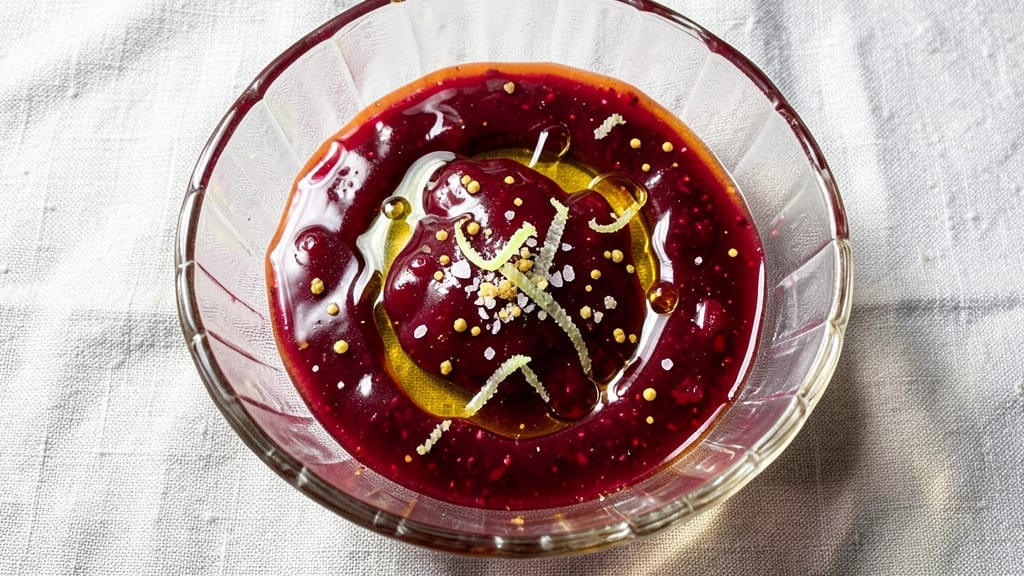
This blood orange salad dressing recipe transforms ordinary greens into a vibrant, restaurant-quality dish with just five ingredients and 10 minutes of prep. The deep ruby hue and bright citrus notes cut through rich ingredients while adding a sophisticated twist to any salad.
I developed this recipe after realizing how much blood oranges elevated simple dishes—now you can enjoy that same magic without the high cost of specialty bottles.
The secret lies in balancing the dressing's components: blood orange juice for depth, Dijon mustard for emulsification, and a touch of honey to soften the acidity. Olive oil provides richness while keeping the dressing light enough to coat greens perfectly.
Unlike store-bought versions, this dressing stays fresh for up to a week in the fridge, making it ideal for meal prep.
What you'll end up with is a velvety dressing that clings beautifully to greens, adding a tangy-sweet pop with every bite. The blood orange's natural bitterness balances the sweetness, creating a complex flavor that works equally well on kale salads, grain bowls, or even as a marinade.
The texture is perfectly emulsified—no separation, just pure, vibrant flavor.
Pair this dressing with arugula, spinach, or mixed greens for a refreshing lunch, or drizzle it over roasted vegetables for dinner. The bright acidity also cuts through creamy cheeses like goat cheese or feta, making it a versatile addition to any meal.
Let's make this dressing that will become your new go-to for vibrant, flavorful salads.
Ingredients for blood orange salad dressing
Five ingredients, vibrant flavor—this dressing turns basic salads into gourmet creations.
| Ingredient | Amount | Notes |
|---|---|---|
| Blood Orange Juice 🍊 | ½ cup | Freshly squeezed for best flavor |
| Extra-Virgin Olive Oil 🫒 | ½ cup | Light or fruity variety preferred |
| Dijon Mustard 🍯 | 1 tbsp | For proper emulsification |
| Honey 🍯 | 1 tbsp | Wildflower or clover preferred |
| Fresh Lemon Juice 🍋 | 1 tbsp | Balances blood orange sweetness |
| Salt 🧂 | ½ tsp | Kosher or sea salt preferred |
| Black Pepper 🌶️ | ¼ tsp | Freshly ground for best flavor |
Blood oranges are the star here, and fresh juice is non-negotiable. Grab a few from the produce section—Whole Foods or Trader Joe's usually carry them year-round. If you can't find blood oranges, regular oranges work in a pinch (though the color won't be as dramatic). The Dijon mustard does the heavy lifting for emulsification, so don't skip it. I like to use Maille if I'm feeling fancy, but any good-quality Dijon works. The honey should be real—none of that corn syrup stuff. For olive oil, California avocado oil has a neutral taste that won't overpower the citrus.
No blood oranges? Grapefruit juice at half the amount gives you a similar tang, though the color will differ. Short on honey? Maple syrup works too—just reduce the lemon juice slightly since it's sweeter. The dressing should emulsify perfectly, but if it separates, whisk in another 1/2 teaspoon Dijon mustard. For extra richness, add 1/2 teaspoon minced shallot or 1/4 teaspoon garlic powder. The salt and pepper are easy to adjust—taste as you go. This dressing keeps beautifully in the fridge for up to 7 days, so make a double batch.
Store in a clean glass jar with a tight lid—keeps for 1 week in the fridge. Shake well before each use, especially after a few days. For longer storage, freeze in 1-ounce portions—thaw overnight in the fridge. This dressing is magic on arugula, spinach, or mixed greens, but it also elevates roasted veggies or grilled chicken. The bright acidity cuts through creamy cheeses like goat cheese or feta, making it a versatile pantry staple. Trust me, you'll reach for this more than store-bought.
Why You'll Love This Recipe
- Five-Ingredient Magic: I swear by this combo—juice, oil, mustard, honey, and lemon. No fancy techniques, just whisk and go. The blood orange juice does all the heavy lifting while I’m still debating what to eat for dinner.
- Bright Tang Alert: That first bite? The blood orange’s deep berry sweetness with a zesty kick from the lemon—it’s like a sunshine bomb in your mouth. Honestly, it’s the kind of flavor that makes you pause mid-bite and nod.
- Weeknight Superstar: I keep this in my fridge for everything: tossed with greens, drizzled on grilled chicken, or even as a marinade. (Yes, even on a Tuesday night.) It’s my go-to when I need something fresh but don’t want to overthink it.
- Lasts All Week: A small jar goes a long way—this dressing keeps for days in the fridge, and the honey helps it stay fresh. I make a big batch on Sundays and use it for salads, roasted veggies, or even as a dip. Zero waste, all flavor.
Step-by-step instructions for blood orange salad dressing
Here's how to whip up this vibrant, tangy dressing that'll make your salads sing.
Whisk Together the Wet Ingredients
In a medium bowl, combine the 0.5 cup blood orange juice with the 0.5 cup extra-virgin olive oil. Start by adding just the juice and give it a quick stir to dissolve any sediment at the bottom of the bottle. Then, slowly drizzle in the olive oil while whisking continuously. This gradual approach helps create a smooth emulsion right from the start.
The blood orange juice should be freshly squeezed for that bright, citrusy pop. If you're using bottled juice, shake the bottle well before measuring to distribute any settled pulp. The olive oil should be light or fruity—avoid strong, peppery varieties that might overpower the delicate citrus flavors.
Add the Dijon Mustard and Honey
Next, stir in the 1 tablespoon Dijon mustard and 1 tablespoon honey using a fork or small whisk. The Dijon mustard acts as an emulsifier, helping the oil and juice blend seamlessly. You'll notice the mixture thicken slightly as you incorporate these ingredients—this is normal and exactly what we want.
Here's where it gets fun: the honey not only sweetens the dressing but also helps balance the acidity of the blood orange and lemon. If your honey is particularly thick, give it a quick warm in the microwave for 10-15 seconds to make it easier to mix. The dressing should now have a thick, creamy consistency, almost like a light vinaigrette.
Incorporate the Lemon Juice and Seasonings
Add the 1 tablespoon fresh lemon juice, 0.5 teaspoon salt, and 0.25 teaspoon black pepper to the bowl. Stir everything together until fully combined. The lemon juice brightens the blood orange flavor and prevents the dressing from becoming too sweet. Season with salt and pepper to taste—this is where you can adjust if you prefer a more or less tangy profile.
Taste the dressing at this stage. You should notice a perfect balance of sweet, tart, and slightly bitter notes. If it tastes too sharp, add a touch more honey. If it needs more acidity, squeeze in a little extra lemon juice. The dressing should coat the back of a spoon without being overly thick—it'll thin out slightly when tossed with greens.
Emulsify for a Silky Texture
Transfer the dressing to a blender or food processor and blend for 10-15 seconds until completely smooth. This step ensures a silky texture that coats your salad perfectly. If you don't have a blender, use a hand mixer or whisk vigorously for 1-2 minutes—just be patient, as this is what gives the dressing its signature creaminess.
After blending, give the dressing one final taste. It should now have a velvety texture with no graininess. If it's too thick, add 1-2 teaspoons of water or a splash of additional blood orange juice to reach your desired consistency. The dressing should be thick enough to cling to greens but thin enough to drizzle easily.
Store and Use Immediately
Transfer the dressing to an airtight jar or container. Store it in the refrigerator for up to 5 days, but I recommend using it within 2-3 days for the freshest flavor. Before each use, give it a good shake—it may separate slightly over time, but the blender step ensures it comes back together smoothly.
This dressing is perfect for any green salad, grain bowls, or even as a marinade for grilled chicken or fish. The vibrant blood orange color will make your dishes look as delicious as they taste. Enjoy it immediately for the brightest, most flavorful experience!
Pro Tips For Making Blood Orange Salad Dressing
- STRAIN THE JUICE WELL: Blood oranges have tiny pulp bits that turn your dressing gritty—no matter how fancy the salad. Use a fine-mesh sieve or cheesecloth, then give the juice a quick spin in a salad spinner lined with a coffee filter. I learned this the hard way after biting into a dressing that felt like it had sandpaper.
- EMULSIFY IN STAGES: Pour the honey and Dijon into the blood orange juice first, then whisk in olive oil drop by drop at first. Once it starts holding, add the rest in a slow stream—this keeps the dressing smooth instead of separating. I used to dump everything in at once and ended up with a split dressing every time.
- USE COLD HONEY: Chilled honey blends silky-smooth into the dressing instead of clumping like warm honey. Pop the jar in the fridge for 10 minutes before measuring, or even better, use honey straight from the pantry if your kitchen is cool. The texture difference is noticeable, and it saves you from extra whisking.
- BALANCE THE ACID: Blood oranges are tart enough, but if the dressing tastes flat, add lemon juice gradually—start with half the recipe’s amount, taste, then adjust. I was skeptical until I tried it: the lemon brightens the deep orange flavor without overpowering it. (Yes, even if you’re impatient like me.)
Creative variations of this blood orange salad dressing
Spicy Citrus Kick
Add ½ teaspoon of chili flakes or 1 teaspoon of hot sauce (like Cholula or Tabasco) for a fiery twist. This variation works beautifully with spicy salads like jalapeño-corn or chipotle-lime greens. I love pairing it with avocado slices and crispy tortilla strips for a fiesta-inspired bowl. 🌶️
Herb-Infused Twist
Stir in 1 tablespoon of finely chopped fresh herbs like thyme, rosemary, or basil for an aromatic depth. The herbs complement the blood orange's natural bitterness while adding a fragrant complexity.
I often use this variation with goat cheese and walnuts for a sophisticated salad topping. For extra freshness, add the herbs just before serving.
Nutty Crunch Addition
Blend in 1 tablespoon of toasted pine nuts or walnuts for a nutty crunch that elevates the dressing's texture. The toasted nuts add a rich, earthy flavor that pairs perfectly with the citrus.
I like to use this version with arugula and shaved fennel for a restaurant-worthy salad. Store the nutty version separately in the fridge to prevent the nuts from getting soggy.
Sweet & Smoky Version
Swap the honey for 1 tablespoon of maple syrup and add ½ teaspoon of smoked paprika for a sweet-smoky depth. This variation works wonderfully with roasted sweet potatoes or grilled chicken.
The smoky notes add complexity that balances the citrus perfectly. I recommend using this version within 2 days for the freshest flavor.
Creamy Avocado Dressing
Blend in ½ ripe avocado and reduce the olive oil to ¼ cup for a creamy, velvety texture. This version is perfect for heartier salads like kale and quinoa bowls. The avocado adds a luscious richness while keeping the dressing light enough to coat greens.
Store this version in an airtight container for up to 3 days, but use it within 2 days for the best texture.
Ginger-Zinged Variation
Add ½ teaspoon of freshly grated ginger and a pinch of red pepper flakes for a zesty, spicy kick. This variation is ideal for Asian-inspired salads with edamame, cucumber, and sesame seeds.
The ginger brightens the blood orange flavor while adding a warm, spicy note. For extra freshness, use this version within 3 days or freeze it in 1-ounce portions** for longer storage.
Nutrition facts
Frequently asked questions
Can I substitute regular orange juice for blood orange juice?
Yes, but expect a milder flavor and less vibrant color. Use the same amount of freshly squeezed orange juice, but add an extra ½ teaspoon of honey to compensate for the lower natural sweetness. For a deeper orange hue, mix ¼ cup blood orange juice with ¼ cup orange juice—this gives you some of that signature color while keeping the recipe accessible.
Why did my dressing separate? How can I fix it?
Separation happens when oil and citrus juice aren't properly emulsified. Whisk in another ½ teaspoon of Dijon mustard or blend again for 10-15 seconds to re-emulsify. For future batches, blend the ingredients immediately after mixing to create a smoother texture. If the dressing still separates, shake the jar vigorously before using—it'll come together when tossed with greens.
How long does this dressing keep, and can I freeze it?
Store in an airtight container in the fridge for up to 7 days, but it's freshest within 3-4 days. For freezing, portion into 1-ounce ice cube trays, then transfer to a freezer bag. Thaw overnight in the fridge—never at room temperature. The texture may slightly thicken after freezing, so add 1 teaspoon of water or blood orange juice when ready to use.
What salads pair best with this dressing?
This dressing shines on bitter greens like arugula, kale, or radicchio, where its sweet-tart flavor balances the natural bitterness. It also works beautifully with roasted vegetables, grilled chicken, or goat cheese crostini. For a lighter option, toss it with mixed greens and strawberries—the blood orange's color makes the dish look stunning while adding a refreshing twist.
Can I make this dressing without a blender?
Skip the blending step and whisk vigorously for 2-3 minutes until completely smooth. For extra insurance, add an extra ½ teaspoon of Dijon mustard to help bind the ingredients. If the dressing still feels grainy, strain it through a fine-mesh sieve before serving. The texture won't be as silky, but it'll still taste delicious and work perfectly for drizzling.