
Sauces & Condiments
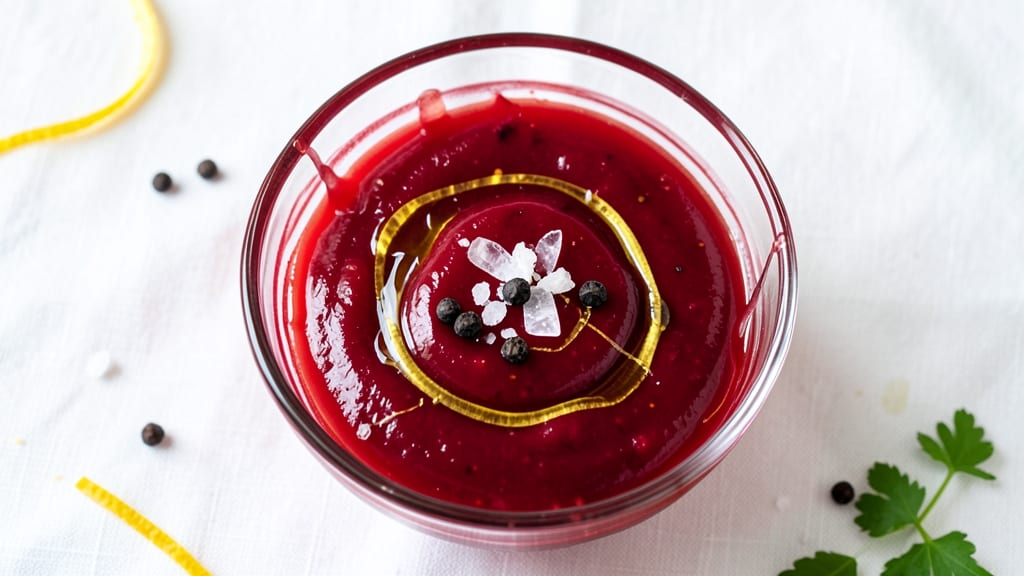
This blood orange vinaigrette salad dressing recipe transforms ordinary greens into a vibrant, zesty masterpiece with just 5 simple ingredients. The deep ruby hue and bright citrus notes cut through rich ingredients, making every bite refreshing and bold.
I developed this recipe after struggling to find a dressing that balanced sweetness with tang—now it's my go-to for summer salads and winter roasted vegetables alike.
The secret lies in the ratio of blood orange juice to apple cider vinegar, which creates a perfect balance of sweetness and acidity without overpowering. Dijon mustard adds depth, while high-quality olive oil ensures a silky texture that clings beautifully to leaves.
Unlike store-bought dressings, this version stays fresh for up to 10 days in the refrigerator, making it ideal for meal prep.
What makes this dressing truly special is how it elevates even the simplest greens—think butter lettuce, arugula, or kale—into something restaurant-worthy. The blood orange's natural sweetness pairs perfectly with savory toppings like grilled chicken, roasted nuts, or crispy prosciutto.
The dressing's vibrant color also makes any plate look instantly more appealing.
Ready in just 5 minutes, this recipe requires no special equipment beyond a whisk or jar. Whether you're prepping for a week of lunches or dressing a last-minute salad, this blood orange vinaigrette delivers consistent, professional-quality results every time. Let's make it—your taste buds will thank you.
Ingredients for blood orange vinaigrette salad dressing
Five ingredients create a restaurant-worthy dressing that transforms simple salads into vibrant masterpieces.
| Ingredient | Amount | Notes |
|---|---|---|
| Blood Orange Juice 🍊 | ½ cup | Freshly squeezed for vibrant flavor |
| Apple Cider Vinegar 🍎 | ¼ cup | Raw, unfiltered preferred |
| Extra-Virgin Olive Oil 🫒 | ½ cup | High-quality, fruity variety |
| Dijon Mustard 🌶️ | 1 tbsp | Mellow or strong to taste |
| Diamond Crystal Kosher Salt 🧂 | ½ tsp | Fine grain for even dissolving |
| Black Peppercorns 🌶️ | ¼ tsp | Freshly cracked for aroma |
| Honey 🍯 | 1 tsp | Raw honey for natural sweetness |
The blood orange juice is the star—look for deep ruby-colored oranges at specialty grocers or farmers markets. Whole Foods and Trader Joe's typically carry them in season. If you can't find fresh blood oranges, high-quality bottled juice works, though it lacks the same depth of flavor. The apple cider vinegar should be raw and unfiltered for that tangy complexity; Bragg or Texas Pete are reliable brands. For the olive oil, invest in a high-quality extra-virgin—California Olive Ranch or Colavita are excellent choices that won't overpower the citrus notes. The Dijon mustard adds the necessary depth, so don't skip it—even if you're not a mustard lover, the subtle heat balances the sweetness beautifully.
No blood oranges? Grapefruit juice works in a pinch, though it'll be slightly less sweet. Running out of apple cider vinegar? White wine vinegar maintains the acidity, but you'll lose some of that rich, malty depth. For the olive oil, if you're out of extra-virgin, light olive oil will work, though it lacks the fruity notes that elevate the dressing. The honey can be swapped for maple syrup if you're avoiding it, though the flavor profile will shift slightly. Freshly cracked peppercorns are ideal, but pre-ground works if you're in a hurry—just taste and adjust. The salt is crucial for balancing all the flavors, so don't skip it, even if your other ingredients are salted.
This dressing keeps beautifully for up to 10 days in the refrigerator, though it's best used within 5-7 days for peak freshness. Store it in an airtight jar or container, with the olive oil poured on top to preserve the vibrant color. If it thickens over time, simply whisk in a splash of water or a bit more vinegar to restore the desired consistency. For meal prep, divide it into small containers—this way, you can grab just what you need without worrying about spoilage. The dressing also freezes well for up to 3 months, though the texture may separate slightly upon thawing; just whisk vigorously to recombine.
Why You'll Love This Recipe
- Five-Ingredient Magic: I swear, this dressing comes together with just a whisk and a jar. No fancy gadgets, no measuring cups—just eyeballing the blood orange juice until it sings with that deep, citrusy brightness.
- Bright & Tangy: That first bite of blood orange juice cutting through the richness of olive oil? It’s like a wake-up call for your taste buds. The apple cider vinegar adds a sharp kick, while the Dijon mustard ties it all together with a velvety bite.
- Weeknight & Holiday: Slather it on a simple arugula salad for a quick lunch, or drizzle it over roasted veggies when guests show up. It’s my go-to for both lazy Tuesdays and fancy dinner parties—no one ever guesses how effortless it is.
- No-Waste Pantry Hero: Honestly, the blood orange juice and vinegar last me ages. I’ll make a big batch, store it in the fridge, and use it for days—even on grain bowls or grilled chicken. Plus, olive oil and mustard are already staples, so I’m not dropping cash on extra ingredients.
Step-by-step instructions for blood orange vinaigrette salad dressing
This vibrant dressing comes together in minutes with precise technique and bold flavors.
Whisk Together the Acidic Base
In a medium bowl, combine the 0.5 cup blood orange juice and 0.25 cup apple cider vinegar. Use a whisk to blend thoroughly, breaking up any pulp from the blood orange juice. The mixture should be completely smooth with no visible chunks—this ensures an elegant, professional finish. I like to press the juice through a fine-mesh strainer if I notice any fibrous bits, as they can interfere with the silky texture of the final dressing.
The acidity from the vinegar and citrus will create the bright, tangy foundation of your dressing. This step is where the flavor profile truly begins to develop, so take your time to emulsify these liquids completely. The ratio of juice to vinegar creates the perfect balance of sweetness and acidity that makes this dressing so versatile.
Incorporate the Dijon Mustard and Honey
Add the 1 tablespoon Dijon mustard and 1 teaspoon honey to the citrus-vinegar mixture. Whisk vigorously for about 30 seconds until fully combined and smooth. The Dijon mustard acts as an emulsifier, helping to bind the oil later, while the honey adds a subtle sweetness that rounds out the bright acidity. You'll notice the mixture thicken slightly as you whisk—this is normal and indicates the mustard is beginning to work its magic.
I always taste at this stage to check the balance. If the dressing tastes too sharp, add a touch more honey. If it needs more acidity, a splash of extra apple cider vinegar works wonders. This is your chance to adjust the flavor profile before adding the oil, which can dilute the taste if you make adjustments later.
Gradually Add the Olive Oil for Emulsion
With the whisk moving continuously, begin adding the 0.5 cup extra-virgin olive oil in a slow, steady stream. The key here is patience—adding the oil too quickly will prevent proper emulsification and result in a separated dressing. I use a pour spout or squeeze bottle to control the flow, letting the oil drip in while whisking vigorously. You'll see the mixture transform from a thin liquid to a thick, creamy emulsion as the oil incorporates.
Continue whisking for another 1-2 minutes after all the oil is added to ensure a smooth, velvety texture. The dressing should coat the back of a spoon and hold its shape when drizzled. If you notice any separation, simply whisk vigorously for another 30 seconds—this is normal and easily corrected. The olive oil should be high-quality, as its fruity notes complement the blood orange beautifully.
Season with Salt and Pepper
Add the 0.5 teaspoon Diamond Crystal kosher salt and 0.25 teaspoon freshly cracked black peppercorns to the dressing. Whisk for another 10-15 seconds to fully incorporate the seasoning. The salt enhances all the flavors, while the freshly cracked pepper adds a subtle warmth that cuts through the citrus brightness. Taste again and adjust the seasoning if needed—this is your final opportunity to perfect the balance before serving.
For the best results, let the dressing rest for 10-15 minutes before using. This allows the flavors to meld completely and ensures a perfectly emulsified texture. The dressing will keep in the refrigerator for up to 1 week, though I find it's best used within 3-4 days for maximum freshness and vibrancy.
Pro Tips For Making Blood Orange Vinaigrette Salad Dressing
- Strain the Juice: Blood oranges are messy—pulp ends up in your dressing, making it gritty. Use a fine-mesh sieve or cheesecloth, then press the fruit with a spoon. (Yes, it’s extra work, but your salad will actually taste smooth.)
- Whisk in Stages: Start with vinegar and mustard, then slowly drizzle in the olive oil while whisking. Stopping halfway to taste lets you adjust acidity or richness before committing. (I learned this after making a batch that was too sharp.)
- Salt the Mustard: Mix the kosher salt into the Dijon before adding liquids—it dissolves better and keeps your dressing from tasting flat. (This is the thing that matters most if you’re using unsalted mustard.)
- Store It Right: Keep the dressing in a sealed jar with a thin layer of olive oil on top. It’ll last 5–7 days in the fridge, and the oil barrier prevents the blood orange from turning bitter. (I skip this and regret it every time.)
Regional styles of blood orange vinaigrette salad dressing
Italian Citrus Twist
In Italy, blood oranges are a winter staple, and this dressing takes inspiration from their classic agrodolce (sweet-sour) balance. Replace the honey with 1 tsp orange blossom water for a floral depth—common in Sicilian cuisine.
Add 1 minced garlic clove and ½ tsp grated lemon zest for extra brightness, then finish with a pinch of freshly cracked fennel seeds. This variation works beautifully with arugula and prosciutto salads, mirroring flavors from Rome’s trattorias. 🍊
French Market Style
For a Parisian-inspired twist, swap the Dijon mustard for 1 tsp whole-grain mustard and add ½ tsp finely chopped shallots (soaked in ice water for 5 minutes to mellow). Use white balsamic vinegar instead of apple cider for a refined tang.
Garnish with chopped chives and serve with butter lettuce and roasted beets. This version feels elegant enough for a bistro table but still quick to make at home. 🥖
Spanish Sangria-Inspired
Infuse the dressing with Spanish flavors by adding 1 tsp brandy and ½ tsp smoked paprika. For extra depth, steep 2 thin slices of candied orange peel in the warm blood orange juice before whisking everything together.
This version pairs perfectly with mixed greens, roasted red peppers, and Manchego cheese. The smokiness complements the citrus beautifully, making it ideal for tapas-style salads. 🌶️
Mediterranean Herb Blend
Brighten up the dressing with fresh herbs by adding 1 tbsp finely chopped mixed herbs (parsley, tarragon, and basil). Use lemon juice instead of vinegar for a lighter touch, and add ½ tsp dried oregano for a Mediterranean flair.
This version works wonderfully with Greek salads or as a marinade for grilled fish. The herbs add a fresh, aromatic layer that elevates the dressing’s natural sweetness. 🌿
Winter Roasted Root Variation
For a heartier dressing, roast ½ cup diced sweet potatoes and beets with olive oil, salt, and pepper until tender. Blend them into a purée and mix into the dressing instead of honey. The earthy sweetness pairs beautifully with the blood orange’s acidity.
Serve over kale and walnuts for a winter salad that’s both vibrant and satisfying. This version feels indulgent but remains light enough for any season. ❄️
Nutrition facts
Frequently asked questions
Can I substitute regular oranges for blood oranges in this dressing?
The deep ruby color and unique sweet-tart flavor of blood oranges are irreplaceable for this recipe. For a similar citrus profile, try grapefruit juice (use 0.25 cup instead) or a mix of orange juice and a pinch of beet powder for color. Regular oranges will make the dressing too sweet and lack the signature complexity.
Why did my dressing separate? How do I fix it?
Separation happens when oil and vinegar aren't properly emulsified. Simply whisk vigorously for 1-2 minutes to recombine. For stubborn separation, add 1 tsp Dijon mustard or a splash of warm water and whisk again. Always add oil slowly while whisking continuously to prevent this issue in future batches.
How much dressing should I make for a family of 4?
This recipe yields about 1.5 cups, perfect for 4 servings. For larger gatherings, double the recipe—just ensure you're using a large enough bowl to whisk properly. Store extras in an airtight container in the fridge for up to 10 days. The dressing keeps well, so making extra is ideal for meal prep.
Can I make this dressing without honey?
Yes! Replace the honey with 1 tsp maple syrup or agave nectar for a vegan option. For a savory twist, omit it entirely—the dressing will still have great balance, though slightly more tart. If you prefer extra sweetness, add ½ tsp vanilla extract to complement the citrus notes.
What's the best way to store leftover dressing?
Transfer to an airtight glass jar or container, then pour a thin layer of olive oil on top to preserve color and flavor. Store in the fridge for up to 10 days. If it thickens, whisk in 1 tsp water to restore consistency. For longer storage, freeze for up to 3 months—thaw overnight in the fridge before using.