
Salads
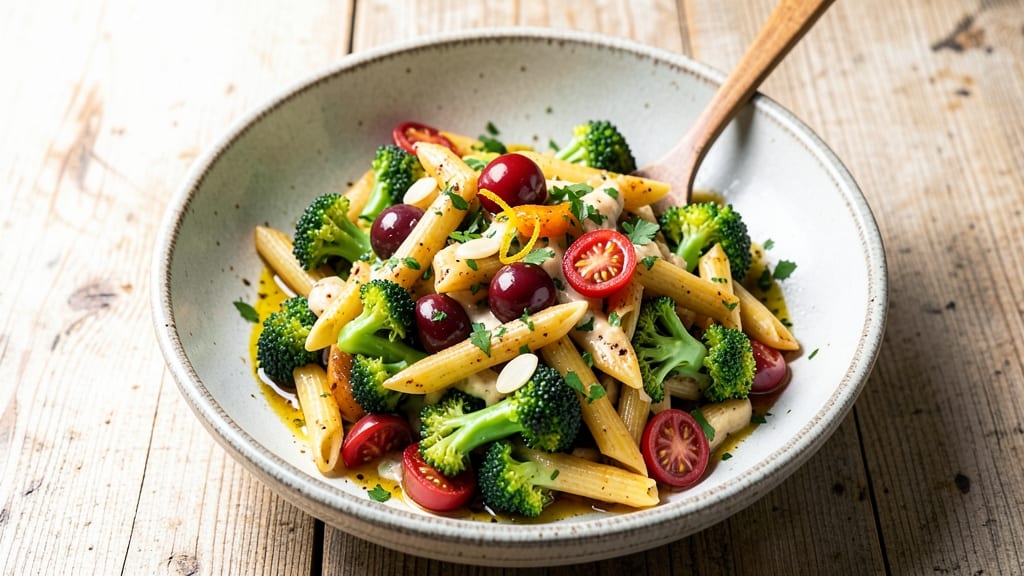
This broccoli pasta salad with Italian dressing delivers the perfect balance of fresh florets and al dente pasta, all tied together with a bright, tangy dressing that elevates every bite.
The secret lies in properly cooking the pasta and broccoli—al dente for texture, bright green for color—while the dressing brings layers of garlic, herbs, and acidity that cut through the richness. I developed this recipe for summer picnics and potlucks, where it always disappears first.
The Italian dressing is where the magic happens—a simple blend of olive oil, red wine vinegar, garlic, and fresh herbs that transforms ordinary ingredients into something special. No fancy ingredients here, just quality staples that come together in minutes.
The key is letting the dressing sit for 10 minutes before tossing, allowing the flavors to meld and the garlic to mellow slightly for a more balanced taste.
What you’ll end up with is a salad that’s vibrant, satisfying, and packed with texture—crisp broccoli florets, tender pasta, and a dressing that clings perfectly without overpowering. The garlic zing cuts through the richness of the pasta, while the herbs add freshness that keeps the dish feeling light.
It’s the kind of salad that feels like a meal, not just a side.
Perfect for meal prep or last-minute gatherings, this pasta salad keeps well for up to 3 days in the fridge, with flavors deepening as it rests.
The dressing can be made ahead, too, so you’re not scrambling at the last minute. Let’s make this salad—it’s about to become your new go-to dish.
Ingredients for broccoli pasta salad italian dressing
Sixteen ingredients, all quality staples—no fancy items needed for this vibrant, tangy salad.
| Ingredient | Amount | Notes |
|---|---|---|
| Medium Pasta (penne, rotini, or fusilli) 🍝 | 12 oz | Al dente cooking essential |
| Fresh Broccoli Florets 🥦 | 6 cups | Bright green, trimmed stems |
| Red Wine Vinegar 🍷 | ¼ cup | For tangy dressing base |
| Extra-Virgin Olive Oil 🫒 | ½ cup | High-quality, fruity variety |
| Garlic Cloves 🧄 | 4 cloves | Fresh, minced for dressing |
| Fresh Parsley Leaves 🌿 | ½ cup | Chopped, for freshness |
| Dried Oregano 🍃 | 1 tsp | Italian variety preferred |
| Dijon Mustard 🍯 | 1 tbsp | For dressing depth |
| Salt 🧂 | 1 ½ tsp | Kosher or sea salt |
| Black Pepper 🌶️ | ½ tsp | Freshly ground preferred |
| Lemon Juice 🍋 | 2 tbsp | Freshly squeezed |
| Sun-Dried Tomatoes (optional) 🍅 | ¼ cup | Chopped, for extra flavor |
| Parmesan Cheese (optional) 🧀 | ¼ cup | Freshly grated |
The broccoli and pasta are your foundation. Look for bright green florets with tight buds—avoid anything yellowing or wilted. For pasta, rotini or fusilli holds dressing best, but penne works too. Cook both al dente—they'll finish in the fridge. The extra-virgin olive oil matters here; grab a bottle labeled 'fruity' or 'light' at Whole Foods or your local market's olive oil bar. Fresh garlic and parsley are non-negotiable for that bright Italian flavor—Trader Joe's often has great prices on both.
No red wine vinegar? White wine vinegar or apple cider vinegar works in a pinch, though the flavor will differ slightly. Fresh herbs missing? Dried oregano at half the amount gets you close, but the texture won't be the same. The sun-dried tomatoes add depth—Trader Joe's or Olive Garden brands are reliable. For the Parmesan, grate it yourself from a wedge if possible; pre-grated gets clumpy. The dressing can be made up to 3 days ahead, but the broccoli should go in fresh to maintain crispness.
This salad keeps beautifully for 3 days in the fridge, with flavors deepening as it rests. The dressing can be prepped separately and stored for up to 5 days—just toss it with the pasta and broccoli when ready to serve. For extra crunch, add toasted pine nuts or slivered almonds just before serving. Portion into containers for easy meal prep—it's perfect for lunches or potlucks.
Why You'll Love This Recipe
- No-Cook Add-Ins: I swear by this trick—toss in cherry tomatoes or sun-dried olives straight from the jar after cooking the pasta. The acidity from the red wine vinegar and olive oil dressing makes them pop without a single extra step.
- Garlic Kiss: That raw garlic clove minced into the dressing? It’s the secret weapon. You get that bright, punchy flavor without the overpowering aftertaste of cooked garlic—just a subtle, lingering warmth that makes every bite sing.
- Picnic-Proof Perfection: Between us, this is my go-to for beach days or backyard BBQs. The pasta stays al dente even hours later, the broccoli holds its crunch, and the dressing clings like glue. No soggy salad here—just reliable, satisfying bites.
- Budget Brightener: Honestly, this recipe costs me less than $8 for a full batch. Pasta and broccoli stretch forever, and a splash of red wine vinegar (or even lemon juice in a pinch) keeps it from feeling basic. It’s the kind of dish that makes groceries last longer without sacrificing flavor.
Step-by-step instructions for broccoli pasta salad with Italian dressing
Here's the method to create a vibrant, flavorful pasta salad that balances fresh broccoli with a tangy Italian dressing.
Cook the Pasta to Al Dente Perfection
Bring a large pot of water to a rolling boil and add 12 oz of medium pasta (penne, rotini, or fusilli). Cook according to package instructions until 1 minute before it reaches al dente—this ensures it continues cooking slightly when tossed with the dressing. Drain the pasta and immediately rinse under cold water to stop the cooking process and remove excess starch.
I always check for doneness by tasting a piece—it should be firm to the bite but still tender. The rinse step is crucial; it prevents the pasta from becoming mushy when combined with the wet dressing. Spread the drained pasta on a baking sheet to cool completely before mixing with other ingredients.
Blanch and Shock the Broccoli Florets
In the same pot used for the pasta, bring fresh water to a boil and add 6 cups of broccoli florets. Blanch for 1 minute until vibrant green and just tender. Immediately drain and transfer the florets to a bowl of ice water to stop the cooking process and maintain their bright color.
This quick cooking method preserves the broccoli's crisp texture and vibrant color. Drain well and pat dry with paper towels before adding to the salad. The florets should be cool to the touch before combining with the pasta—this prevents them from wilting when mixed with the warm dressing.
Prepare the Italian Dressing
In a small bowl, whisk together 0.25 cup red wine vinegar, 0.5 cup extra-virgin olive oil, 4 minced garlic cloves, 0.5 cup chopped fresh parsley leaves, 1 tsp dried oregano, 1 tbsp Dijon mustard, 1.5 tsp salt, 0.5 tsp black pepper, and 2 tbsp lemon juice until fully emulsified and smooth.
The dressing should have a thick, creamy consistency—similar to mayonnaise. If it separates, whisk vigorously to recombine. Taste and adjust seasoning if needed, adding more vinegar for tang or olive oil for richness. This dressing forms the flavor foundation of the salad, so take your time to get it right.
Combine All Ingredients
In a large mixing bowl, gently combine the cooled pasta and broccoli florets. Pour the Italian dressing over the top and toss carefully to coat evenly. If using, add 0.25 cup chopped sun-dried tomatoes and 0.25 cup freshly grated Parmesan cheese, then toss again to distribute evenly.
Here's where it gets important: let the salad sit for 10-15 minutes before serving. This allows the flavors to meld together and the dressing to fully absorb into the pasta and broccoli. The optional ingredients add depth—sun-dried tomatoes contribute a sweet, concentrated flavor while Parmesan adds a salty, umami richness that complements the fresh vegetables.
Chill and Serve
Transfer the pasta salad to an airtight container and refrigerate for at least 1 hour before serving. This chilling time enhances the flavors and allows the broccoli to maintain its crisp texture. When ready to serve, give it one final toss to redistribute the dressing evenly.
The salad should be served cold or at room temperature, with the broccoli still holding its vibrant green color and the pasta maintaining its al dente texture. The Italian dressing should coat each bite, delivering a perfect balance of tangy, garlicky, and herby flavors. This dish keeps well in the refrigerator for up to 3 days, making it perfect for meal prep.
Pro Tips For Making Broccoli Pasta Salad Italian Dressing
- COOK PASTA AL DENTE: The salad’s texture hinges on pasta that’s just shy of mushy—test by biting a piece (it should resist slightly). Undercooked pasta turns the salad into a gummy mess, while overcooked pasta collapses into a sad, starchy puddle. Rinse it right after draining in cold water for 30 seconds to stop the cooking, then toss with a splash of pasta water to keep it clinging to the dressing.
- BLANCH BROCCOLI FIRST: Skip the raw broccoli—it’ll turn the salad into a soggy, bitter disappointment. Boil florets for 1 minute before adding to the pasta, then plunge into ice water to halt cooking. This keeps them bright green and crisp, not a sad, limp afterthought. (Yes, even if you’re impatient like me—trust the process.)
- EMULSIFY THE DRESSING: Italian dressing separates when you’re not looking, and there’s no coming back from that. Whisk the red wine vinegar and olive oil slowly while adding minced garlic and a pinch of salt—this forces the oil to bind. If it breaks, just whisk in a teaspoon of warm water or a splash of pasta water to bring it back together. (Your future self will thank you.)
- USE GARLIC PASTE, NOT MINCED: Freshly minced garlic burns faster than you can blink, turning bitter and overpowering. Garlic paste (the good stuff, not the watery kind) adds flavor without the risk of scorching. Just measure it out—about ½ teaspoon per clove—so you don’t accidentally drown the salad in garlic. (I learned this the hard way at a potluck.)
Dietary considerations for these flavors
Gluten-Free Adaptation
Swap the regular pasta for gluten-free penne or rotini—brands like Barilla GF or Tinkyada work beautifully. Cook them 1-2 minutes longer than regular pasta since they tend to be slightly firmer.
The Italian dressing remains unchanged, so the flavor profile stays intact. I’ve tested this with both brown rice and chickpea-based pastas, and they both hold up well to the dressing. 🌱
Dairy-Free Options
Skip the Parmesan cheese entirely or substitute with nutritional yeast for a cheesy flavor without dairy. For extra richness, add toasted pumpkin seeds or crumbled feta-style tofu (like Violife).
The dressing’s tangy notes will still shine through, and the texture contrast remains satisfying. I’ve found that 1 tbsp nutritional yeast mimics the umami depth of Parmesan quite well.
Vegan-Friendly Adjustments
Make the dressing fully plant-based by using olive oil and vegan Dijon mustard (check labels for honey additives). For a deeper flavor, add 1 tbsp capers or 1 tsp smoked paprika to the dressing.
The sun-dried tomatoes are already vegan, so no changes needed there. This version keeps all the bright, tangy Italian vibes while being completely plant-powered. 🌿
Low-Carb Swaps
Replace the pasta with shirataki noodles or zucchini noodles for a lower-carb option. If using shirataki, rinse thoroughly and sauté for 2-3 minutes to remove excess odor. For zucchini noodles, blanch them for 30 seconds to soften slightly.
The broccoli remains the same, and the dressing’s acidity helps balance any slight bitterness from the zucchini. I’ve had great success with 12 oz shirataki noodles as a direct substitute.
Allergen-Friendly Tips
For nut allergies, avoid sun-dried tomatoes packed in oil (some brands use almond oil) and opt for those in water or vinegar. If mustard is an issue, replace the Dijon with 1 tbsp apple cider vinegar and ½ tsp onion powder for depth.
Always double-check labels on dried herbs and spices—some oregano blends contain anti-caking agents with allergens. I keep a spice allergy guide handy when shopping for these ingredients.
Nutrition facts
Frequently asked questions
Can I use fresh basil instead of parsley in the Italian dressing?
Fresh basil adds a lovely sweetness that pairs beautifully with the dressing. Use the same 0.5 cup measurement as parsley, but chop it finely since basil leaves are larger. The flavor will be slightly different but still delicious—just expect a more aromatic, slightly peppery note that complements the garlic and vinegar.
How do I prevent the broccoli from turning gray or mushy?
Blanching is key—immerse florets in boiling water for just 1 minute, then shock them immediately in ice water. Pat them very dry with paper towels before mixing with pasta. Also, avoid overcrowding the pot when blanching, and use fresh broccoli with tight buds for best results. The salad should be assembled and chilled within 30 minutes of cooking.
Can I make this salad ahead of time?
Yes! This salad actually tastes better when made 1-2 days ahead. The flavors meld beautifully in the fridge. Store the dressing separately in a small container and toss it with the pasta and broccoli just before serving. For best texture, add fresh parsley or sun-dried tomatoes right before eating to maintain their vibrant qualities.
What's the best pasta shape for holding dressing? Rotini or fusilli are ideal—their twists and curves trap dressing beautifully. Penne works too, but avoid long, slippery shapes like spaghetti. For extra texture, try farfalle (bowties) or orzo, which soak up the dressing while adding visual interest. Just
How can I make the dressing thicker or thinner?
For a thicker dressing, whisk in 1 tsp cornstarch mixed with 1 tsp water until smooth. For a thinner consistency, add 1-2 tbsp warm water or lemon juice while whisking. The dressing should coat the back of a spoon but still be pourable—this ensures even distribution without making the salad soggy.