Salads
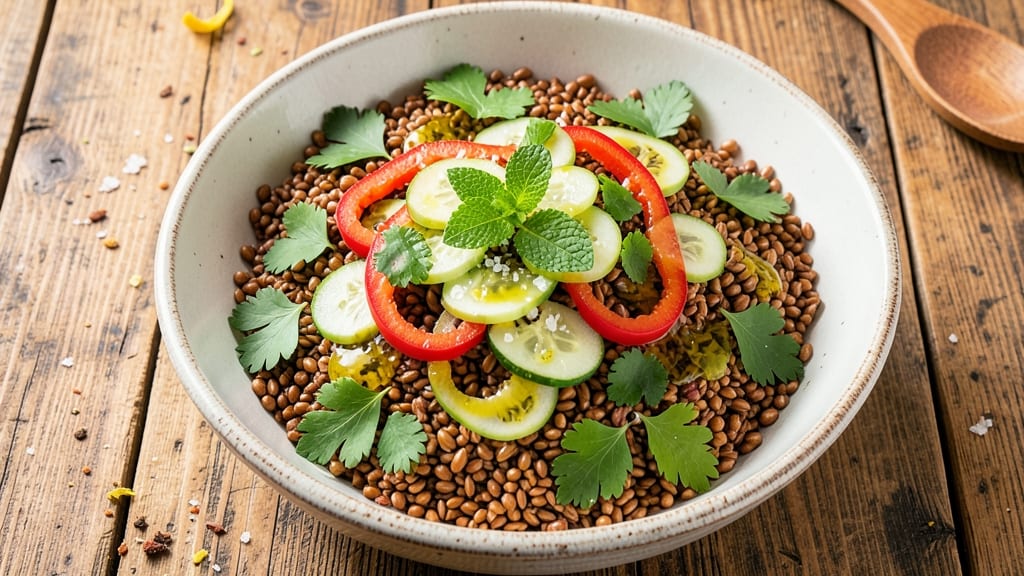
This buckwheat tabbouleh salad recipe transforms a Middle Eastern classic into a nutty, protein-packed vegetarian dish that still delivers that signature herby brightness. The key substitution—buckwheat instead of traditional bulgur—adds a satisfying crunch and earthy depth while keeping the dish light and refreshing.
I developed this version after realizing how many people wanted a heartier, gluten-free alternative that didn't sacrifice texture or flavor.
The foundation of this salad is the perfect balance of fresh herbs—parsley and mint—tossed with toasted buckwheat, crisp vegetables, and a zesty lemon-olive oil dressing that brightens every bite. Unlike traditional tabbouleh, the buckwheat holds its shape beautifully while absorbing the dressing, creating a satisfying bite with each spoonful.
The preparation is straightforward, requiring just 15 minutes of active time and 30 minutes of resting for optimal flavor development.
What you'll end up with is a vibrant, nutty salad that's packed with protein and fiber, yet still light enough to enjoy as a main dish or side. The toasted buckwheat provides a satisfying crunch, while the fresh herbs and lemon dressing keep it bright and refreshing.
This isn't just another salad—it's a complete meal that's perfect for summer picnics, potlucks, or a quick lunch when you're craving something fresh but substantial.
The beauty of this recipe lies in its versatility. You can customize it with additional vegetables like cucumber, tomato, or radishes, or even add protein with grilled chicken or chickpeas. Serve it as a standalone dish or pair it with grilled meats, fish, or crusty bread.
The possibilities are endless, but the foundation remains the same: a perfect balance of nutty buckwheat, fresh herbs, and bright citrus dressing.
Ingredients for buckwheat tabbouleh salad
Sixteen ingredients transform into a vibrant, protein-packed vegetarian salad that's gluten-free, nutty, and bursting with herby freshness.
| Ingredient | Amount | Notes |
|---|---|---|
| Buckwheat Groats 🌾 | 1 cup | Toasted until nutty aroma develops |
| Fresh Flat-Leaf Parsley 🌿 | 1 ½ cups | Stems removed, finely chopped |
| Fresh Mint Leaves 🍃 | ½ cup | Finely chopped, stems removed |
| English Cucumber 🥒 | 1 whole | Seeded, finely diced (about 1 cup) |
| Red Bell Pepper 🌶️ | 1 whole | Seeded, finely diced (about 1 cup) |
| Extra-Virgin Olive Oil 🫒 | ½ cup | High-quality, fruity variety |
| Fresh Lemon Juice 🍋 | 0.3 cup | From 2-3 medium lemons |
| Diamond Crystal Kosher Salt 🧂 | 1 ½ tsp | Adjust to taste |
| Freshly Ground Black Pepper 🌶️ | ½ tsp | Freshly cracked for best flavor |
| Garlic Cloves 🧄 | 3 cloves | Finely minced |
| Red Wine Vinegar 🍷 | 1 tbsp | For brightness (optional) |
| Toasted Pine Nuts 🥜 | ¼ cup | Optional for crunch |
| Chickpeas 🥜 | 1 cup | Cooked, for added protein |
The buckwheat is the star here—Kashi brand or any gluten-free groats work perfectly. Toast it in a dry skillet until golden and nutty (about 5 minutes)—this step is non-negotiable for that signature crunch. Fresh herbs are non-negotiable: Trader Joe's has the best parsley and mint bundles, but any bright green, vibrant leaves will do. For the cucumber and bell pepper, seed and dice them small—they should melt into the salad rather than overpower. The extra-virgin olive oil should have a peppery finish; California Olive Ranch is my go-to for this recipe.
No fresh herbs? Dried parsley and mint at half the amount will work in a pinch, but fresh is ideal. Short on time? Swap the chickpeas for white beans or lentils—just make sure they're rinsed well. The toasted pine nuts can be swapped for walnuts or almonds, but toast them first for that same nutty depth. The red wine vinegar adds brightness—substitute lemon juice if needed, but the acidity is key. For extra protein, add grilled halloumi or feta cheese (if vegetarian) or chickpeas for a plant-based boost.
This salad tastes even better after resting 30 minutes—the dressing soaks in perfectly. Store leftovers in an airtight container for up to 3 days, but the herbs will wilt over time. For meal prep, keep the dressing separate until ready to serve. The buckwheat holds up well, so double the batch for lunches all week—just toss in extra herbs when serving. If using chickpeas, rinse them well to avoid a mushy texture.
Why You'll Love This Recipe
- No-Chop Nightmare: I swear, the buckwheat holds its shape after just 15 minutes of soaking—no boiling, no fuss. Toss in roughly chopped parsley and mint (seriously, I use the same knife for everything), dice the cucumber while watching one episode of The Great British Bake Off, and boom. Done. That crisp bell pepper adds zero work but maximum freshness.
- Herb Bomb Combo: Here’s what sold me—the parsley and mint aren’t just in there, they’re singing. The buckwheat soaks up their brightness like a sponge, while the cucumber’s cool bite keeps it from being too intense. (Yes, even on a Tuesday night.) Honestly, the first time I made this, my roommate stole half before I could take a photo.
- Lunchbox Hero: This salad keeps perfectly for four days in the fridge—no sad wilted greens here. Pack it in jars (dressing on the side, obviously) for work lunches, or serve it cold at potlucks where no one expects gluten-free. Between us, it’s the only salad that doesn’t get ignored at picnics.
- Pocketbook Win: Buckwheat’s cheaper than quinoa, and you’re using whole veggies—not just the expensive pre-washed bags. A single cucumber and bell pepper stretch for three servings, and the herbs? Fresh or dried, either works. I’ll be real: this is how I feed my college-age kid without breaking the bank.
Step-by-step instructions for buckwheat tabbouleh salad
Transform traditional tabbouleh with nutty buckwheat for a protein-packed, herby twist that's anything but basic.
Toast the Buckwheat Groats Until Nutty
Heat a dry skillet over medium heat and add the 1 cup buckwheat groats. Toast them for 3-5 minutes, stirring constantly, until they release a rich, nutty aroma and turn a deeper golden color. This step develops their earthy flavor and prevents them from becoming mushy later. Watch closely—they cook quickly and can burn if you walk away.
As soon as you detect that toasted aroma (it's unmistakable), immediately transfer the buckwheat to a bowl. Let it cool completely before proceeding—this prevents the groats from absorbing moisture from the herbs and vegetables, which would make your salad soggy. While the buckwheat cools, prepare your herbs and vegetables for maximum freshness.
Prepare the Herbs and Vegetables
Finely chop the stems-removed 1.5 cups fresh flat-leaf parsley and 0.5 cup fresh mint leaves separately, then combine them in a large mixing bowl. For the vegetables, seed and finely dice the 1 whole English cucumber and 1 whole red bell pepper (about 1 cup each). You're aiming for small, even pieces that will distribute evenly throughout the salad.
Add the diced cucumber and bell pepper to the herb mixture. Give everything a gentle toss with your hands to combine. Here's the thing—don't chop these ingredients too finely. You want texture contrast in each bite, so aim for small dice rather than minced pieces. The vegetables should look like they've been cut into tiny cubes about 1/8-inch in size.
Create the Dressing and Combine Ingredients
In a small bowl, whisk together the 0.5 cup extra-virgin olive oil, 0.3 cup fresh lemon juice, 1.5 tsp diamond crystal kosher salt, 0.5 tsp freshly ground black pepper, 3 cloves finely minced garlic, and 1 tbsp red wine vinegar. This dressing is the soul of your tabbouleh—bright, tangy, and perfectly balanced. Taste it before adding to the salad and adjust the salt or lemon juice if needed.
Pour the dressing over the herb-vegetable mixture and toss gently but thoroughly. The herbs should be well-coated but not pulverized. Add the cooled 1 cup buckwheat groats and 1 cup cooked chickpeas (drained and rinsed if canned). Fold everything together with a large spoon, making sure the buckwheat and chickpeas are evenly distributed throughout the salad.
Add Crunch and Rest Before Serving
Sprinkle the 0.25 cup toasted pine nuts over the salad and toss one final time. These nuts add a delightful crunch that contrasts beautifully with the soft textures of the buckwheat and herbs. For best results, let the salad sit at room temperature for 15-20 minutes before serving. This allows the flavors to meld together and the dressing to fully absorb into the ingredients.
When ready to serve, give the salad one final toss and taste. The buckwheat should be tender but still hold its shape, the herbs vibrant and fresh-tasting, and the dressing perfectly balanced. Serve immediately while the pine nuts are still crisp and the salad is at its peak freshness. This tabbouleh keeps well in the refrigerator for up to 2 days, though the pine nuts may lose some of their crunch over time.
Pro Tips For Making Buckwheat Tabbouleh Salad
- Rinse Buckwheat Twice: Buckwheat groats cling to dirt like glue—skip the rinse, and you’ll taste it. Run them under cold water twice in a fine-mesh strainer, then give them a good shake. This removes the bitterness and prevents a gritty texture that’ll have you questioning why you bothered.
- Dice Cucumber Like Dice: Thin, uneven slices make this salad look like a sad bowl of mushy peas. Cut the cucumber into ¼-inch cubes—small enough to eat without chewing, but not so tiny they disappear. A sharp knife and steady hand make this faster than you’d think.
- Pulse Parsley Don’t Chop: I used to hack parsley into tiny pieces, but that releases too much liquid and turns the salad into a soggy mess. Pulse it in a food processor with the mint for 3-4 seconds—just until it’s confetti-sized. You’ll get even distribution without the waterworks.
- Let It Sit 10 Minutes: Toss everything together and walk away. The flavors need time to marry—like a bad first date, they need a little space. After 10 minutes, the buckwheat absorbs the dressing better, and the herbs go from "present" to "essential." (Yes, even if you’re impatient like me.)
Common mistakes when making great buckwheat tabbouleh salad
Over-toasting Buckwheat
I’ve seen this happen more than once—buckwheat groats turn bitter or even burn when left unattended. The key is constant stirring over medium heat for no more than 5 minutes.
Watch for that nutty aroma (it’s unmistakable!) and remove immediately. Burnt buckwheat will ruin your entire salad with an acrid taste. 🔥
Skipping the Cooling Step
This is a rookie mistake that leads to a soggy salad. Hot buckwheat absorbs moisture from the herbs and vegetables, turning your crisp tabbouleh into a mushy mess. Always let the groats cool completely before mixing with other ingredients. I promise you, 10 minutes of patience saves your salad.
Using Stems in Herbs
Herb stems add bitterness and bulk without flavor. Always remove them before chopping—especially with parsley and mint. For parsley, hold the stems between your thumb and forefinger and pull the leaves downward.
For mint, gently pinch the stem and pull the leaves away. This small step makes a huge difference in texture and taste. 🌿
Underestimating Dressing Time
Adding dressing too early makes buckwheat soggy and dilutes its nutty flavor. Always combine the dressing after the buckwheat has cooled and just before serving. If you need to prep ahead, store the dressing separately and toss it in right before eating.
The salad tastes best when the dressing is fresh and vibrant.
Overmixing the Salad
Vigorous tossing bruises the herbs and vegetables, turning your vibrant tabbouleh into a sad, wilted pile. Use gentle folds with a large spoon instead of vigorous stirring.
The herbs should stay bright and crisp—overmixing releases their juices too quickly, leading to a watery salad. Think "toss lightly" rather than "mix aggressively."
Ignoring the Resting Period
This salad needs 15-20 minutes at room temperature to let flavors meld. Skipping this step means you’ll miss the perfect balance of nutty buckwheat, bright herbs, and zesty dressing.
I know it’s tempting to serve immediately, but trust me—waiting makes all the difference. The dressing will fully coat the buckwheat, creating that signature tabbouleh texture. ⏳
Nutrition facts
Frequently asked questions
Why use buckwheat instead of traditional bulgur in tabbouleh?
Buckwheat adds a nutty, earthy depth that bulgur can't match while providing plant-based protein and gluten-free benefits. The toasted groats hold their shape better, creating satisfying texture without becoming mushy. Plus, it's a great alternative for those avoiding wheat or seeking a heartier base.
Can I make this salad ahead of time?
Yes, but with a key trick: store the dressing separately and mix it in just before serving. The buckwheat and herbs keep well in an airtight container for 2-3 days. For best texture, add the pine nuts fresh—they lose crunch when refrigerated. The flavors actually improve after 30 minutes of resting at room temperature.
What if I can't find fresh mint or parsley?
Use ½ the amount of dried herbs (½ tsp dried parsley/mint per 1 cup fresh) but expect less vibrant flavor. For parsley, cilantro works in a pinch, though it has a different taste profile. The key is maintaining that fresh, bright herb character—if you skip them, the nutty buckwheat will dominate.
How do I know when the buckwheat is properly toasted?
Look for golden color and an unmistakable nutty aroma (like toasted hazelnuts). It should take 3-5 minutes of constant stirring over medium heat. If it smells burnt or bitter, you've gone too far—immediately remove from heat. Properly toasted buckwheat should be fragrant but not dark.
Can I make this salad vegan?
Simply omit the optional pine nuts or use toasted walnuts instead. The recipe is already plant-based with chickpeas as the protein source. For extra richness, add avocado slices or toasted pumpkin seeds. The lemon-olive oil dressing remains perfectly vegan as written.