
Salads
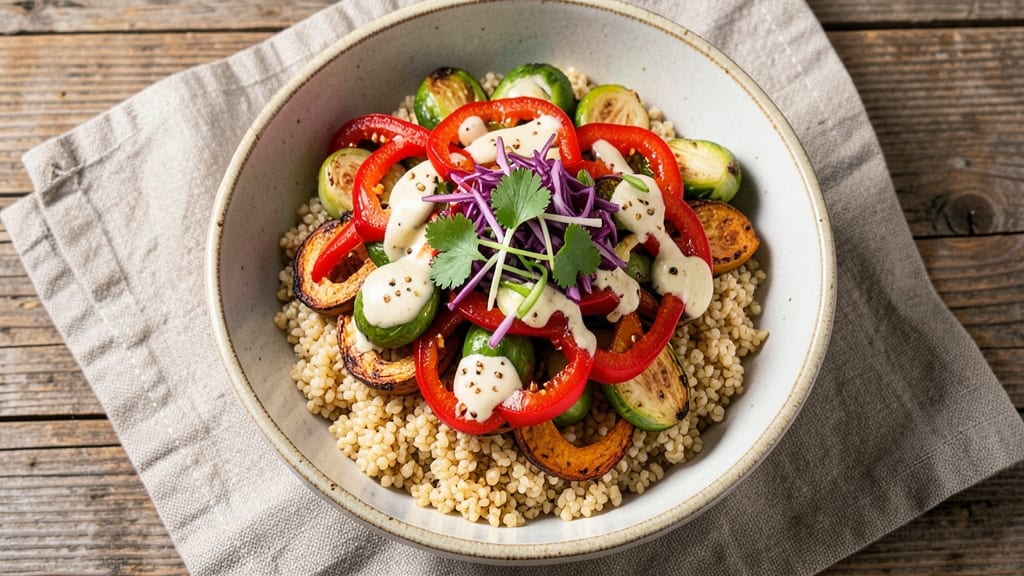
This Buddha bowl salad recipe transforms simple ingredients into a vibrant, nutrient-packed meal that’s as satisfying as it is visually stunning. The key lies in balancing textures—crispy roasted vegetables, hearty grains, and fresh greens—all tied together with a bright, tangy dressing that keeps every bite exciting.
I developed this version after years of experimenting with plant-based bowls, and it’s become my go-to for quick, customizable lunches that never feel repetitive.
The beauty of this recipe is its flexibility—swap in your favorite grains (quinoa, brown rice, or farro), proteins (tofu, chickpeas, or lentils), and vegetables (sweet potatoes, Brussels sprouts, or zucchini) to match what’s fresh at the market.
The roasting process caramelizes the vegetables, adding depth of flavor without extra oil, while the dressing cuts through the richness with a zesty kick. What you’ll end up with is a bowl that’s not just healthy but downright indulgent.
What sets this Buddha bowl apart is how the components work together: tender grains provide substance, roasted vegetables add crunch and sweetness, and fresh greens keep it light. The dressing binds everything with a perfect balance of acidity and richness, ensuring every bite is cohesive.
It’s the kind of meal that feels both nourishing and exciting—ideal for meal prep or a spontaneous weeknight dinner.
Ready to assemble your perfect bowl? Start with the base, build up the layers, and finish with the dressing for maximum flavor impact. The result is a dish that’s as beautiful as it is delicious, with enough variety to keep you coming back for more. Let’s get started!
Ingredients for buddha bowl salad
Crispy roasted veggies meet hearty grains and zesty dressing in this vibrant vegan bowl.
| Ingredient | Amount | Notes |
|---|---|---|
| Quinoa 🌾 | 1 cup | Rinsed thoroughly before cooking |
| Vegetable Broth 💧 | 2 cups | Low-sodium preferred |
| Sweet Potatoes 🍠 | 1 ½ lb | Medium size, peeled and cubed |
| Red Bell Peppers 🌶️ | 2 whole | Any color, sliced into strips |
| Brussels Sprouts 🥬 | 1 lb | Trimmed and halved |
| Red Cabbage 🧅 | ½ head | Thinly sliced, about 2 cups |
| Chickpeas 🥜 | 1 can | Drained and rinsed |
| Avocado 🥑 | 1 whole | Ripe, pitted and sliced |
| Fresh Spinach 🌿 | 4 cups | Baby spinach preferred |
| Extra-Virgin Olive Oil 🫒 | ¼ cup | For roasting vegetables |
| Lemon Juice 🍋 | 3 tbsp | Freshly squeezed |
| Maple Syrup 🍯 | 1 tbsp | For dressing sweetness |
| Tahini 🥛 | 2 tbsp | For creamy richness |
| Garlic Cloves 🧄 | 3 cloves | Minced for dressing |
| Sesame Seeds 🌰 | 1 tbsp | Toasted for garnish |
The sweet potatoes and Brussels sprouts are the flavor anchors here. Look for organic sweet potatoes at Whole Foods or your local farmers market—they hold their shape better when roasted. Brussels sprouts should be firm with no yellowing. For the quinoa, Trader Joe's sells pre-rinsed pouches that save time. The red cabbage adds that beautiful purple hue—any variety works, but the smaller heads tend to be more tender. Pro tip: slice it while wearing gloves if you're sensitive to staining. The avocado needs to be ripe but not mushy—press gently, it should yield slightly to touch.
No quinoa? Brown rice or farro works perfectly—just adjust cooking times. Swap chickpeas for white beans or lentils if you prefer. The dressing can be made ahead and stored for up to 5 days in the fridge, but the tahini will separate—just whisk it back together before using. For extra crunch, add toasted pumpkin seeds or crumbled tempeh. The Brussels sprouts can be roasted whole for a different texture, and the sweet potatoes can be cubed smaller if you like them extra crispy. If you're short on time, pre-cut veggies from the salad bar section work in a pinch—just pat them dry before roasting.
Roasted veggies keep well for 4-5 days in the fridge, so make extra for easy lunches. The dressing separates but always comes back together—just give it a good stir. Store the tahini and lemon juice separately if you're prepping ahead. For meal prep, assemble the bowls in containers with the dressing on the side—this keeps everything crisp. The spinach wilts fast, so add it last or store it separately. Garnish with sesame seeds right before eating to keep them toasty. This bowl reheats beautifully—just warm the grains and veggies separately and dress fresh for the best texture.
Why You'll Love This Recipe
- One-Pot Wonder: I swear by the quinoa-cooked-in-broth trick—it’s hands-off, flavorful, and cuts my cleanup time in half. No separate rice cooker, no sticky mess; just golden grains infused with umami from the broth.
- Sweet Heat Magic: That roasted sweet potato meets crispy Brussels sprout combo? It’s where the bowl gets real. The caramelized edges on the potatoes and the nutty char from the sprouts make every bite taste like a hug—no fancy sauce needed.
- Meal Prep MVP: Between us, this is my go-to for lunches that don’t taste like leftovers. Quinoa holds up for days, and the roasted veggies stay crispy when stored right. Pack it in jars or containers—your future self will high-five you.
- Budget Bright Spot: Quinoa and sweet potatoes stretch like crazy, and Brussels sprouts are cheaper than you think when you buy them in bulk. I feed four for under $10, and honestly? No one skips seconds over this.
Step-by-step instructions for crunchy roasted veggie Buddha bowls
Here's how to assemble vibrant, nutrient-packed bowls with perfect textures every time.
Roast the Sweet Potatoes and Brussels Sprouts
Preheat your oven to 425°F and line two baking sheets with parchment paper. Toss the 1.5 lb cubed sweet potatoes with 2 tablespoons of the extra-virgin olive oil, ½ teaspoon salt, and ¼ teaspoon black pepper. Spread them in a single layer on one sheet. For the Brussels sprouts, halve them and toss with 1 tablespoon of the remaining olive oil, ½ teaspoon salt, and ¼ teaspoon black pepper, then arrange them on the second sheet.
Roast both sheets for 20-25 minutes, stirring halfway through, until the sweet potatoes are tender when pierced with a fork and the Brussels sprouts are deep golden brown with crispy edges. The sweet potatoes should be caramelized on the edges but still slightly firm in the center—they'll finish cooking when assembled. Remove from oven and set aside.
Cook the Quinoa and Roast Remaining Vegetables
While the vegetables roast, rinse the 1 cup quinoa thoroughly under cold water to remove any bitterness. In a medium saucepan, combine the quinoa with the 2 cups vegetable broth and bring to a boil. Once boiling, reduce heat to low, cover, and simmer for 15 minutes until the liquid is absorbed. Remove from heat and let sit covered for 5 minutes—this steaming step ensures perfectly fluffy grains.
Meanwhile, toss the 2 whole sliced red bell peppers and ½ head thinly sliced red cabbage with the remaining 1 tablespoon olive oil, ½ teaspoon salt, and ¼ teaspoon black pepper. Spread them on the same baking sheets and roast for 12-15 minutes until tender and slightly blistered. The cabbage should soften while maintaining a slight crunch, and the peppers should develop a charred sweetness.
Prepare the Tahini-Lemon Dressing
In a small bowl, whisk together the 2 tablespoons tahini, 3 tablespoons lemon juice, 1 tablespoon maple syrup, 3 minced garlic cloves, 1 tablespoon water, and ¼ teaspoon salt. The mixture will be thick, so gradually add 1-2 tablespoons water at a time until it reaches a smooth, pourable consistency. The dressing should coat the back of a spoon but still flow easily—this balance ensures it clings to the vegetables without overwhelming them.
Taste and adjust seasoning: add more maple syrup if you prefer it sweeter, or extra lemon juice if you want more tang. The dressing should have a perfect harmony of nutty tahini, bright citrus, and subtle sweetness. Cover and refrigerate until ready to use.
Assemble the Buddha Bowls
Divide the cooked quinoa evenly among four bowls. For each bowl, add 1 cup roasted sweet potatoes, ¼ cup roasted Brussels sprouts, ½ cup roasted red peppers and cabbage, and ½ cup drained chickpeas. The chickpeas should be warmed through—if they're cold, toss them in a dry skillet over medium heat for 2-3 minutes to crisp slightly.
Top each bowl with 1 cup fresh spinach and ¼ of the avocado slices. Drizzle generously with the tahini-lemon dressing, about 1 tablespoon per bowl, and sprinkle with ¼ teaspoon toasted sesame seeds. The contrast of warm roasted vegetables, cool avocado, and crispy chickpeas creates the perfect texture profile. Serve immediately while everything is at its peak temperature and texture.
Garnish and Serve with Confidence
Before serving, give each bowl a final taste check—adjust seasoning if needed with extra lemon juice or salt. The ideal Buddha bowl should balance sweetness from the roasted vegetables, creaminess from the avocado and dressing, and crunch from the spinach and chickpeas. Garnish with additional sesame seeds and a sprinkle of flaky salt if desired.
This recipe yields four hearty bowls, each packed with protein, fiber, and vibrant colors. The key to success lies in the roasting technique—achieving that perfect caramelization on the vegetables while keeping them tender. Serve with a side of warm naan or crusty bread to soak up any remaining dressing. Enjoy your nutrient-dense, restaurant-quality creation!
Pro Tips For Making Buddha Bowl Salad
- ROAST SWEET POTATOES IN HALVES: Cut them into even ½-inch thick slices—not cubes—so they cook through without drying out. I learned this the hard way after serving undercooked centers that tasted like sad, gummy glue. Toss with olive oil, salt, and pepper before roasting at 425°F (220°C) for 20-25 minutes, flipping halfway.
- SALT THE QUINOA WATER: Add ½ teaspoon salt per cup of vegetable broth—yes, even if your broth is already labeled "low-sodium." Quinoa absorbs flavor like a sponge, and skipping this step leaves it tasting bland. Rinse the quinoa first, though, or it’ll turn to mush.
- CUT BRUSSELS SPROUTS INTO EVEN PIECES: Trim the ends and slice them into quarters (not halves) so they cook uniformly. Whole or uneven pieces end up with some parts burnt and others still crunchy. Roast them at 400°F (200°C) for 18-20 minutes with a drizzle of oil and a pinch of salt—they’ll crisp up nicely.
- USE LEFT OVER BROTH FOR QUINOA: Save the starchy water from cooking sweet potatoes or roasting veggies—it’s liquid gold for quinoa. Mix it 50/50 with fresh vegetable broth to deepen the flavor without extra effort. Just strain out any big bits first, or you’ll end up with a gritty bowl.
Troubleshooting perfect results
Veggie Overcrowding
If your roasted vegetables turn out soggy instead of crispy, you’ve likely overcrowded the baking sheets. Spread the Brussels sprouts and sweet potatoes in a single layer with at least ½ inch between pieces for proper airflow.
Overcrowding traps steam, which steams instead of roasts the veggies. I’ve made this mistake too—next time, use two sheets if needed. 🌱
Quinoa Texture Issues
Mushy quinoa usually means it absorbed too much liquid or didn’t steam long enough. Rinse the quinoa thoroughly first, then cook it in a 1:2 ratio (1 cup quinoa to 2 cups broth).
After simmering, let it sit covered for 5 minutes—this steaming step is crucial. If it’s still undercooked, add a splash of broth and steam another 3-5 minutes.
Dressing Too Thick
The tahini-lemon dressing can thicken if not thinned properly. Start with 1 tablespoon water and whisk gradually, adding more until it reaches a pourable but thick consistency. If it separates, whisk vigorously or thin with 1 teaspoon warm water.
The dressing should coat the back of a spoon but still flow easily—this ensures it clings to the bowl without pooling.
Spinach Wilting Too Fast
Fresh spinach wilts quickly when mixed with warm components. Add it last or store it separately until assembly. If prepping ahead, keep the spinach in a sealed container with a damp paper towel to maintain crispness.
For extra freshness, toss it with 1 teaspoon lemon juice right before serving—this brightens the greens and balances the dish’s richness.
Uneven Roasting
If some vegetables roast faster than others, arrange them in single layers and rotate the pans halfway through cooking. Brussels sprouts and sweet potatoes have different cooking times—roast them on separate sheets if possible.
For even browning, use two baking sheets and switch their positions in the oven if yours has hot spots. A wire rack on a baking sheet also promotes better airflow for crispier results.
Dressing Separating
Tahini and lemon juice naturally separate when stored. Before using, whisk vigorously or shake the container to re-emulsify. For extra stability, add ½ teaspoon Dijon mustard to the dressing—it acts as a natural emulsifier.
Store the dressing in a small jar with a tight lid to minimize separation. If it’s too thick after refrigeration, thin with 1 teaspoon warm water before serving.
Nutrition facts
Frequently asked questions
Can I make this Buddha bowl recipe gluten-free?
This recipe is naturally gluten-free as long as you use certified gluten-free quinoa and check your vegetable broth for gluten additives. For extra assurance, opt for tamari instead of regular soy sauce if you add any in the dressing. Most store-bought quinoa is gluten-free, but always verify the packaging.
How do I store leftovers to keep everything crisp?
Store components separately in airtight containers. Keep the grains, roasted veggies, and chickpeas in one container, and the fresh spinach and avocado in another. Reheat grains and veggies separately, then assemble fresh with dressing on the side. The spinach should be added last to maintain crispness, and avocado should always be added fresh.
What are the best protein swaps for this vegan bowl?
Try crispy baked tofu (marinated in soy sauce and maple syrup), tempeh (pan-fried for nutty flavor), or white beans for a creamier texture. For extra protein, add roasted edamame or lentils. Each option brings different textures—crispy tofu adds crunch, while tempeh offers a meaty bite. Always warm proteins through before assembling.
Can I use frozen vegetables in this recipe?
Yes, but with adjustments. Thaw and pat frozen veggies completely dry before roasting to prevent steaming. Brussels sprouts and bell peppers work well frozen, but sweet potatoes are better fresh. For best results, roast frozen veggies 5-10 minutes longer than fresh, stirring frequently. The texture will be slightly softer but still delicious.
How do I make this dish more flavorful without extra ingredients?
Boost flavor by roasting vegetables at a higher temperature (450°F) for deeper caramelization. Add a pinch of smoked paprika or cumin to the roasting mix, or finish with a sprinkle of flaky sea salt and fresh herbs like cilantro or parsley. The tahini dressing can also be enhanced by adding a dash of garlic powder or a squeeze of extra lemon.