Salads
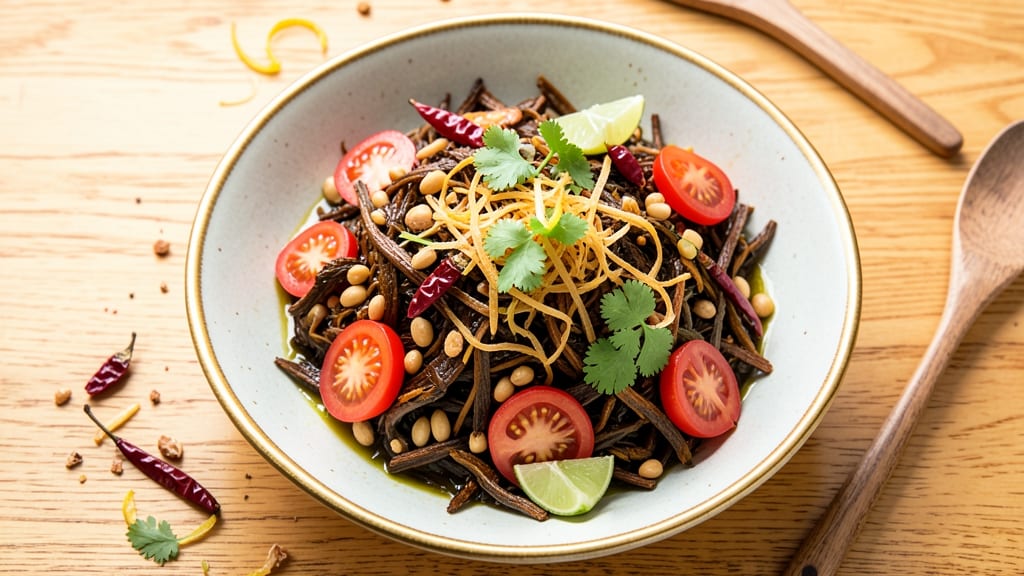
This Burmese fermented tea leaf salad delivers a complex dance of flavors—tangy, umami-rich, and crispy—that transforms simple ingredients into a restaurant-worthy dish. The secret lies in fermenting tea leaves for 2-3 weeks, a process that develops their signature funky depth and nutty crunch.
I first discovered this recipe during a trip to Myanmar, where street vendors served it with grilled fish and rice, proving it’s both satisfying and deeply traditional.
The preparation balances four essential flavors: the fermented tea leaves provide earthy umami, while chili, lime, and fish sauce bring heat, brightness, and saltiness. Toasting the tea leaves before fermenting enhances their nuttiness, and adding crunchy peanuts and fresh tomatoes creates texture contrast.
This salad is bold, refreshing, and packed with character—perfect for adventurous eaters or anyone craving a dish that’s more than just greens.
What makes this recipe special is its authentic fermentation process, which can’t be rushed. The tea leaves develop their signature funk and crunch over time, creating a flavor profile unlike any other salad.
Once ready, the assembly is quick—tossing the fermented leaves with fresh ingredients and a tangy dressing that ties everything together. The result is a dish that’s equally at home as a light lunch or a bold side to grilled proteins.
For pescatarian adaptations, simply replace fish sauce with soy sauce or coconut aminos while keeping the same balance of flavors. The dish pairs beautifully with steamed rice, grilled fish, or even as a topping for noodle bowls.
Let’s bring the vibrant flavors of Myanmar to your table with this authentic, fermented tea leaf salad—where every bite tells a story.
Ingredients for burmese fermented tea leaf salad
Fourteen ingredients transform into a bold, umami-rich salad with fermented tea leaves as its heart.
| Ingredient | Amount | Notes |
|---|---|---|
| Fermented Burmese Tea Leaves ☕ | 1 ½ cups | Fermented for 2-3 weeks, toasted |
| Fresh Tomatoes 🍅 | 2 medium | Seedless, diced (about 1 cup total) |
| Dried Red Chili Peppers 🌶️ | 1 tbsp | Crushed, adjust for heat preference |
| Fresh Lime Juice 🍋 | ¼ cup | Freshly squeezed, strained |
| Fish Sauce 🍜 | 1 ½ tbsp | Vegetarian alternative: soy sauce |
| Peanuts 🥜 | ½ cup | Crushed, unsalted preferred |
| Fresh Cilantro 🌿 | ¼ cup | Chopped stems and leaves |
| Garlic Cloves 🧄 | 3 cloves | Minced, for dressing |
| Sugar 🍚 | 1 tbsp | White or brown, for fermentation |
| Vegetable Oil 🫒 | 1 tbsp | For toasting tea leaves |
| Salt 🧂 | 1 tsp | Kosher or sea salt |
| White Vinegar 💧 | 1 tbsp | For fermentation balance |
| Shallots 🧅 | 2 whole | Thinly sliced, for garnish |
The fermented tea leaves are the soul of this dish—authentic Burmese tea leaves are essential (substitutes like black tea won't deliver the same funky depth). Toast them lightly in vegetable oil before fermenting to enhance their nuttiness. For fermentation, use a 1:1 ratio of tea leaves to sugar, adding just enough water to moisten. Myanmar specialty shops or Asian markets typically carry the right leaves, though some online retailers specialize in fermented tea products. If you can't find them, Lapsang Souchong tea is a distant second—just ferment it longer (4-5 weeks) for deeper flavor development.
No fish sauce? Soy sauce or coconut aminos work beautifully—just reduce the salt in other ingredients slightly. The tomatoes should be ripe but firm; vine-ripened varieties have the best flavor. For the chili, bird's eye peppers add authentic heat, but any dried red chili will suffice. The peanuts should be crushed but not powdered—a rolling pin works perfectly. Fresh cilantro is ideal, but if you must use dried, reduce to 1/4 teaspoon and add it at the end. The shallots add a subtle sweetness; if unavailable, green onions work in a pinch, though they won't have the same depth.
Fermented tea leaves keep for up to 6 months in the fridge once opened, though their flavor peaks at 2-3 weeks. Store them in an airtight container with a damp paper towel to maintain moisture. The assembled salad holds for 3-4 days in the fridge, though the tomatoes may soften—add them fresh when serving. For best texture, toss the peanuts and shallots just before eating. This dish is best served at room temperature, allowing the flavors to fully meld.
Why You'll Love This Recipe
- I swear by this trick: just tear the tomatoes by hand—no knife skills required. The fermented tea leaves add that funky depth without needing to balance anything fancy.
- No-Chop Needed: I swear by this trick: just tear the tomatoes by hand—no knife skills required. The fermented tea leaves add that funky depth without needing to balance anything fancy.
- Umami Bomb: That fish sauce and dried chili combo? It’s like a flavor explosion. The tea leaves hit first with their tangy funk, then the lime and tomatoes brighten it up—every bite’s a little adventure.
- Lunchbox Hero: Pack it cold for work or school—it stays crisp and delicious. Honestly, I’ve had it for breakfast (yes, really) and it’s still my go-to when I’m too tired to cook.
Step-by-step instructions for Burmese fermented tea leaf salad
This method balances fermentation depth with fresh acidity for a salad that delivers complex umami and vibrant texture.
Toast the Fermented Tea Leaves
Heat the 1 tablespoon vegetable oil in a dry skillet over medium heat. Add the 1.5 cups fermented Burmese tea leaves and toast for 3-4 minutes, stirring constantly until they darken slightly and release their aromatic oils. The leaves should smell earthy and slightly smoky—this indicates proper activation of their flavor compounds.
Remove from heat immediately as they can burn quickly. Let cool completely before adding to the salad base. Toasting enhances their fermented depth while reducing any potential bitterness. If you notice any leaves appear overly dark or charred, remove them immediately as they'll dominate the flavor profile with ashy notes.
Prepare the Fermentation Base
In a small bowl, combine the 1 tablespoon sugar, 1 tablespoon white vinegar, and 1.5 tablespoons fish sauce. Whisk until the sugar fully dissolves and the mixture becomes syrupy. This creates the fermentation balance that will marry with the tea leaves' complexity.
Add the toasted tea leaves to this mixture and let sit for 10 minutes at room temperature. The leaves will begin absorbing the liquid, developing their signature fermented character. This resting period allows the flavors to meld without overpowering the fresh components we'll add later. The mixture should look moist but not soupy when ready.
Assemble the Salad Components
In a large mixing bowl, combine the 2 medium fresh tomatoes (diced), 0.5 cup crushed peanuts, 0.25 cup chopped fresh cilantro, and 2 whole shallots (thinly sliced). Gently toss to distribute all elements evenly. The tomatoes should be cut into ¼-inch dice for optimal texture contrast with the tea leaves.
Add the fermented tea leaf mixture to the bowl and toss again, being careful not to overmix which could bruise the tomatoes. The salad should appear vibrant with dark tea leaves interspersed among the bright tomato pieces. At this stage, taste a small portion—you'll notice the initial umami punch from the fermented leaves that needs balancing.
Create the Dressing and Finish
In a small bowl, whisk together the 0.25 cup fresh lime juice, 1 tablespoon crushed dried red chili peppers, 3 cloves minced garlic, and 1 teaspoon salt. This dressing should be thick but pourable—adjust the lime juice slightly if needed to reach the perfect consistency. The chili peppers should be finely crushed to avoid texture issues in the final salad.
Pour the dressing over the salad and toss gently to coat all components evenly. Let sit for 5 minutes before serving to allow the flavors to fully integrate. The final salad should have a perfect balance of fermented depth from the tea leaves, bright acidity from the lime, and subtle heat from the chili peppers. Each bite should deliver a complex interplay of textures and flavors.
Pro Tips For Making Burmese Fermented Tea Leaf Salad
- Soak the Chili Properly: I learned this the hard way—dried chilies straight from the jar taste like sawdust. Crush them first, then soak in warm water for 10 minutes. The heat softens, and the flavor actually unfolds instead of hitting you like a wall. Drain well before mixing, or your salad will taste like a wet sock.
- Tear Tomatoes, Don’t Dice: Big, uneven tears keep the texture exciting—no mushy chunks. Grab handfuls and rip them like lettuce, leaving the skins intact where possible. This salad’s all about contrast, and perfect cubes just don’t cut it (pun intended).
- Balance Fish Sauce Gradually: Start with half the recipe’s fish sauce, taste, then add the rest. What I’ve seen happen too often? People dump it all in and suddenly their salad tastes like a boat’s fuel tank. Lime juice and fermented tea leaves are already bold—let them shine first.
- Chill the Tea Leaves First: If your fermented tea leaves are still warm from the jar, give them 20 minutes in the fridge before tossing. Cold leaves release their funky, umami punch more evenly—no sudden flavor bombs when you mix. (Yes, even if you’re impatient like me.)
Make-ahead tips for this dish
Ferment Prep Ahead
The fermented tea leaves are the heart of this salad, and they need time—2-3 weeks minimum for optimal flavor development. Start your fermentation process 3 weeks before you plan to serve the salad.
Store the fermenting leaves in a clean glass jar with a loose lid, keeping them in a cool, dark place (like your pantry). I like to label the jar with the date so I don’t forget when they’re ready.
The longer they ferment, the deeper and funkier the flavor becomes, but never exceed 6 weeks or they’ll turn bitter. 🕰️
Dressing Prep
Make the dressing 1 day ahead to let the flavors meld—it’s a game-changer for depth. Combine the lime juice, crushed chili peppers, minced garlic, and salt in a small airtight container and refrigerate. The lime juice will mellow slightly, and the garlic will soften, creating a smoother dressing.
If you’re using fish sauce, add it to the dressing mix as well. This step ensures the dressing is ready to toss when you assemble the salad, saving time on serving day. ✨
Component Prep
Chop all the fresh ingredients—tomatoes, cilantro, and shallots—1 day before serving and store them separately in airtight containers in the fridge. The tomatoes will stay firm, and the cilantro will retain its brightness.
Crush the peanuts ahead of time and store them in a sealed container to prevent oil separation. When you’re ready to assemble, just toss everything together with the fermented leaves and dressing. This prep work makes serving this bold salad feel effortless. 🥜
Fermented Leaf Storage
Once your fermented tea leaves are ready, store them in an airtight container with a damp paper towel to maintain moisture. They’ll keep in the fridge for up to 6 months, though their flavor peaks at 2-3 weeks.
If you’re making this salad regularly, ferment a large batch all at once—it’s worth the effort. The leaves can be used in other dishes too, like soups or stews, for that signature umami kick. 💫
Final Assembly Timing
Assemble the salad 30-60 minutes before serving to let the flavors fully meld. The fermented leaves and dressing need time to integrate with the fresh ingredients. If you’re serving at room temperature, take the salad out of the fridge 15 minutes before eating so it’s not chilled.
The contrast between the warm, room-temperature salad and cold drinks (like a Burma-style beer) is divine. Trust me, the wait is worth it for that perfect balance of funky, tangy, and fresh. 🍋
Nutrition facts
Frequently asked questions
What can I substitute for fish sauce in this recipe?
Use soy sauce or coconut aminos as a 1:1 substitute. Reduce the salt in other ingredients slightly since these alternatives already contain sodium. For extra umami depth, add 1 teaspoon mushroom powder or a splash of vegetable broth to the dressing. The flavor won't be identical, but it'll maintain the dish's bold character.
How do I know when my fermented tea leaves are ready?
Your tea leaves are ready when they develop a deep, funky aroma (like wet leaves mixed with dark chocolate) and a nutty, slightly sour taste. They should be moist but not mushy, with a crisp texture when squeezed. If they smell overly sharp or taste bitter, they've fermented too long. The ideal window is 2-3 weeks—any less and the flavor won't be fully developed.
Can I make this salad without fermented tea leaves?
While the fermented leaves are essential for authentic flavor, you can create a simplified version using 2 tablespoons Lapsang Souchong tea leaves (fermented for 4-5 weeks) or 1 cup dried black tea leaves steeped in 1 cup hot water for 10 minutes, then drained. The flavor will be milder but still deliver umami depth. For extra funk, add 1 teaspoon miso paste to the dressing.
Why does my salad taste too salty?
Check your fish sauce or salt measurements—this dish relies on balancing four key flavors: fermented (umami), sour (lime), salty (fish sauce/salt), and spicy (chili). If it's too salty, dilute with 1-2 tablespoons fresh lime juice or add 1 extra tomato to cut the saltiness. For future batches, reduce fish sauce by 0.5 tablespoon or use a lower-sodium alternative.
What's the best way to serve this salad?
This salad shines as a light lunch with steamed jasmine rice or as a bold side for grilled proteins like fish or chicken. For a traditional Burmese meal, pair it with hot tea or a cold Burma-style beer. The salad also works beautifully as a topping for rice noodle bowls or as a filling for lettuce wraps. Serve at room temperature to let the flavors fully develop.