
Sauces & Condiments
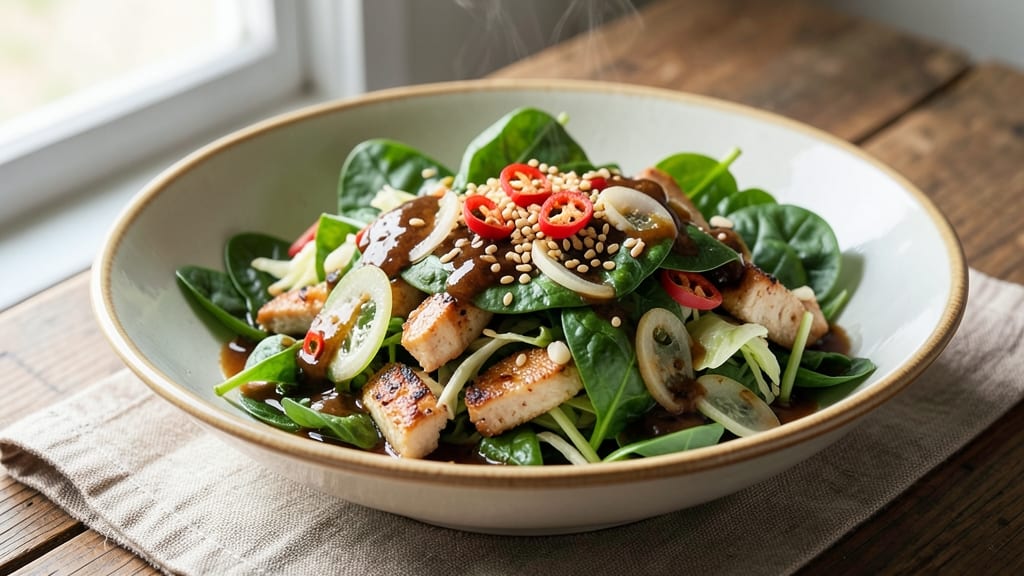
This Burmese salad dressing recipe transforms simple greens into a vibrant, tangy masterpiece with just a few bold ingredients. The secret lies in tamarind paste, toasted sesame oil, and a touch of fish sauce—each playing a crucial role in balancing sweet, sour, and umami flavors.
I developed this version after years of exploring Myanmar’s street food culture, where such dressings elevate humble salads into unforgettable bites.
The recipe begins with a fragrant paste of shallots, garlic, and chili, toasted to deepen their flavors before blending with tamarind’s signature tang. Toasted sesame oil adds nutty richness, while lime juice brightens the mix.
What makes this dressing special is its versatility—adjust the sweetness or heat to suit your taste, yet maintain that authentic Burmese zing that’s impossible to resist.
Perfect for tossing with mixed greens, shredded cabbage, or even drizzled over grilled meats, this dressing keeps well in the fridge for up to a week.
Its complexity comes from the harmony of ingredients, not overpowering techniques—just a few minutes of prep for a flavor punch that lingers long after the last bite.
For those avoiding fish sauce, a dash of soy sauce or vegan fish alternative works beautifully. The key is patience: let the flavors meld for at least 30 minutes before serving. Trust me, once you taste this dressing, you’ll never reach for bottled again.
Ingredients for burmese salad dressing
Nine ingredients, one bold dressing—authentic Burmese zing in minutes.
| Ingredient | Amount | Notes |
|---|---|---|
| Tamarind Paste 🍯 | ½ cup | High-quality, unsweetened preferred |
| Toasted Sesame Oil 🫒 | ¼ cup | For nutty depth, not regular sesame oil |
| Fish Sauce 🐟 | 2 tbsp | Red Boat preferred for authentic flavor |
| Shallots 🧅 | 3 whole | Finely minced, not sliced |
| Garlic Cloves 🧄 | 4 cloves | Toasted until fragrant, then minced |
| Bird's Eye Chilies 🌶️ | 2 whole | Adjust for heat preference |
| Fresh Lime Juice 🍋 | ¼ cup | Freshly squeezed, no bottled |
| Brown Sugar 🍚 | 2 tbsp | Light or dark, packed |
| Sesame Seeds 🌾 | 1 tbsp | Toasted for garnish |
| Water 💧 | ¼ cup | For thinning if needed |
Tamarind paste is the heart of this dressing, so don’t skimp on quality. The good stuff comes in blocks at Asian markets—look for deep, tangy flavor, not sweetened varieties. Toasting the shallots, garlic, and chilies in sesame oil until fragrant (about 2 minutes) is non-negotiable—it builds layers of flavor. Red Boat fish sauce is my go-to for that umami punch, but any reputable brand works. If you can’t find tamarind paste, tamarind concentrate from the international aisle works in a pinch, though it’s thicker.
No fish sauce? Swap in soy sauce or vegan fish sauce—just halve the amount. Short on sesame oil? Toasted peanut oil adds richness, though it’ll taste different. The brown sugar balances the tang, but coconut sugar or palm sugar work beautifully for a deeper caramel note. Chilies too spicy? Remove seeds and membranes first. For a smoother texture, blend everything until silky, but leave it slightly chunky for that rustic touch. This dressing is all about balance—taste as you go and adjust the tamarind or sugar to suit your palate.
Store in a glass jar with a tight seal in the fridge for up to 1 week. The flavors deepen overnight, so make it a day ahead if possible. For longer storage, freeze in ice cube trays—thaw and whisk before using. Garnish with toasted sesame seeds right before serving, or sprinkle over salads for extra crunch. This dressing is magic on shredded cabbage, butter lettuce, or even grilled tofu. Trust me, you’ll want to make extra—it disappears fast.
Why You'll Love This Recipe
- Five-Ingredient Magic: I swear by this—just tamarind, sesame oil, fish sauce, and two chopped aromatics. No fancy gadgets, no waiting for hours. Honestly, the hardest part is deciding whether to drizzle it on noodles or raw veggies first.
- Umami Bomb: That first hit of toasted sesame oil and fish sauce? Chef’s kiss. The tamarind’s tang cuts through the richness, while the garlic and shallots add a punchy depth. It’s the kind of flavor that makes you pause mid-bite—like a secret handshake for your taste buds.
- Dresses Everything: Stuck with a sad salad? Dull grilled chicken? Even plain rice. This dressing turns lackluster meals into something special. Between us, it’s my go-to for quick lunches or when I’m too tired to cook but still crave something vibrant.
- Lasts All Week: Make a big batch—it keeps in the fridge for days without separating or losing its kick. I’ll be real: I’ve had it linger past its prime, and it still tastes solid. Plus, fish sauce and tamarind are cheap staples, so you’re not breaking the bank for flavor.
Step-by-step instructions for Burmese salad dressing
This dressing balances sweet, sour, spicy, and umami in perfect harmony—just follow these steps.
Toast the Garlic and Prepare Aromatics
Heat a dry skillet over medium heat and add the 4 cloves garlic cloves whole. Toast them for 2-3 minutes until fragrant and just beginning to turn golden—this deepens their flavor without burning. Remove from heat immediately and let cool for 1 minute, then finely mince them with a knife or pulse in a food processor.
While the garlic toasts, peel and finely mince the 3 whole shallots using a sharp knife. You want them so small they practically dissolve when mixed—this ensures a silky dressing. Set both aside in separate small bowls. Here's the thing—if your shallots are large, mince them extra finely so they don't create texture in your dressing.
Build the Base with Tamarind and Sugar
In a medium bowl, combine the 0.5 cup tamarind paste with the 2 tbsp brown sugar. Use a whisk to break up any lumps in the tamarind—it's naturally sticky and can clump. Add the 0.25 cup fresh lime juice and mix until fully incorporated. The paste should transform into a smooth, tangy syrup with a deep caramel hue.
This is the flavor foundation. The tamarind's natural acidity will brighten as it mixes with the sugar, creating a complex sweet-sour balance. Taste at this stage—the dressing should be intensely tart with just a hint of sweetness. If it's too thick, we'll adjust with water later, but let's see how it comes together first.
Blend All Ingredients for a Silky Texture
Add the minced shallots, toasted garlic, 2 whole bird's eye chilies (seeds removed if you prefer less heat), and 2 tbsp fish sauce to the tamarind mixture. Give it a quick stir with a spoon to distribute everything evenly. Then, using an immersion blender or regular blender, purée until completely smooth—you want no visible texture at all.
Now add the 0.25 cup toasted sesame oil and blend again. This is where the magic happens—the oil carries the nutty depth while emulsifying the dressing. If the mixture looks too thick after blending, add the 0.25 cup water 1 tablespoon at a time until it reaches a pourable consistency. It should coat the back of a spoon but still flow freely.
Taste and Adjust for Perfect Balance
Taste your dressing immediately—this is critical. You're aiming for four distinct flavors: the bright tang of tamarind, the umami punch of fish sauce, the sweet caramel notes from the brown sugar, and the lingering heat from the chilies. If it needs more sweetness, add another ½ teaspoon brown sugar. For extra tang, squeeze in 1 teaspoon more lime juice. Need more heat? Add a tiny pinch of finely minced bird's eye chili.
Let the dressing sit for 10 minutes at room temperature before using. This resting period allows all the flavors to meld together completely. The texture will thicken slightly as it comes to equilibrium—this is normal and actually improves the dressing's cling to greens and proteins.
Finish and Store Properly
Just before serving, sprinkle the 1 tbsp sesame seeds over the surface and give it one final stir. These toasted seeds add both visual contrast and a nutty crunch that cuts through the dressing's richness. The seeds should be evenly distributed but still visible—this is your garnish.
Transfer the dressing to a clean glass jar with a tight-sealing lid. It'll keep in the refrigerator for up to 1 week, though I find it's best used within 3-4 days for maximum freshness. The flavors actually deepen slightly as it sits, so if you can, make it the day before using. When ready to serve, give it a good shake before pouring—this ensures the sesame seeds and any settled ingredients are evenly distributed.
Pro Tips For Making Burmese Salad Dressing
- Bloom the Tamarind: Dump that paste into warm water first—about ¼ cup per 2 tablespoons of paste—and let it sit for 10 minutes. Stir occasionally, and you’ll avoid clumpy gunk in your dressing. I used to just mix it dry, and it turned into a gritty mess every time.
- Toast Shallots Low: Slice those shallots thin—almost paper-thin—and cook them on low heat with a splash of water. High heat burns them before they soften, and you’ll end up with bitter, blackened bits. Low and slow keeps them golden and sweet.
- Fish Sauce First: Add the fish sauce before the garlic and shallots hit the pan. The acid cuts through the oil’s heat, so you don’t scorch the aromatics. I learned this after one batch tasted like burnt garlic soup—never again.
- Save the Oil: Strain the dressing through a fine-mesh sieve into a clean jar, then press the solids with a spoon. That last bit of liquid—golden and packed with flavor—is worth the effort. Skip it, and you’re throwing away the good stuff.
Troubleshooting great burmese salad dressing
Thick or Grainy Texture
If your dressing turns out too thick after blending, don’t panic—this happens when the tamarind paste absorbs too much moisture from other ingredients. The fix? Add water 1 tablespoon at a time while blending until it reaches a smooth, pourable consistency.
For graininess, ensure your shallots and garlic are finely minced (almost paste-like) before blending. If you still see texture, pulse the ingredients in a blender for an extra 10-15 seconds while adding 1-2 teaspoons of water to help emulsify. 💫
Overpowering Heat
Bird’s eye chilies pack serious heat, and sometimes the dressing can become too spicy. To balance it, add ½ teaspoon brown sugar or 1 teaspoon lime juice—both help mellow the heat while adding depth.
If the heat is still too intense, strain the dressing through a fine-mesh sieve to remove excess chili particles. For future batches, reduce the number of chilies by 1 or remove seeds entirely before blending.
Separation After Mixing
If the dressing separates after blending, it’s likely due to insufficient oil or improper emulsification. The toasted sesame oil is key here—it acts as the emulsifier that binds the tamarind’s tanginess with the other ingredients. To fix separation, whisk in 1 teaspoon more sesame oil and blend again.
For prevention, blend the dressing for at least 30 seconds after adding the oil to ensure a smooth, cohesive texture. A splash of lime juice can also help stabilize the emulsion.
Too Sweet or Sour
Balancing sweet and sour is an art, but luckily, it’s easy to adjust. If your dressing tastes too sweet, add 1 teaspoon lime juice or ½ teaspoon fish sauce to cut through the sugar.
For a too-sour dressing, stir in ½ teaspoon brown sugar or a pinch of salt to round out the flavors. Taste as you go—small adjustments make all the difference. Remember, the dressing should sing with all four flavors: sweet, sour, spicy, and umami.
Fish Sauce Smell Lingers
The strong aroma of fish sauce can be off-putting if the dressing isn’t balanced properly. To tame the smell, add 1 extra teaspoon of lime juice or ½ teaspoon brown sugar—both help mask the funk while enhancing other flavors.
If the smell persists, reduce the fish sauce by ½ teaspoon in future batches. Toasting the garlic and shallots first also helps mellow the fish sauce’s intensity by adding depth to the overall flavor profile.
Dressing Too Thin
A dressing that’s too thin can happen if you over-diluted it with water or lime juice. To thicken it, simmer the dressing in a small saucepan over low heat for 2-3 minutes, stirring constantly, until it reduces slightly.
Alternatively, blend in 1 teaspoon of toasted sesame seeds—they’ll absorb excess liquid while adding texture. If the thinning was accidental, reduce the water or lime juice in future batches by 1 tablespoon to maintain the perfect consistency.
Nutrition facts
Frequently asked questions
What makes this Burmese dressing different from other Asian dressings?
This dressing stands out with its unique tamarind base, which creates a distinct sweet-sour balance unlike soy-based or vinegar-heavy dressings. The toasted sesame oil adds nutty depth, while fish sauce provides that signature umami kick. Unlike many Asian dressings that rely on rice vinegar, this one gets its tang from tamarind—a fruit native to Southeast Asia that's essential in Burmese cuisine.
Can I make this dressing without fish sauce?
For a vegan version, replace the fish sauce with soy sauce or vegan fish sauce substitute, using half the amount. You can also try coconut aminos for a slightly different flavor profile. The key is maintaining that umami depth—just taste as you go and adjust with a pinch of salt if needed. The dressing will still have that authentic Burmese zing!
How spicy should the dressing be?
The recipe uses 2 bird's eye chilies for moderate heat, but you can adjust based on preference. For milder heat, remove seeds and membranes before blending, or reduce to 1 chili. If you love spice, add an extra chili or a pinch of chili flakes. Remember, the heat will mellow slightly as the dressing sits, so don't be shy with the chilies!
What's the best way to store leftover dressing?
Transfer to a clean glass jar with a tight lid and store in the fridge for up to 1 week. The flavors actually improve overnight! For longer storage, freeze in ice cube trays—thaw and whisk before using. Always shake well before serving to redistribute any settled ingredients. Pro tip: Make a double batch—this dressing disappears quickly!
What can I use this dressing for besides salads?
This versatile dressing works beautifully on grilled meats, noodle bowls, or even as a dipping sauce for spring rolls. Try drizzling it over steamed vegetables or using it as a marinade for tofu. The balance of sweet, sour, and spicy makes it perfect for Asian-inspired dishes where you want that authentic Burmese flavor without the full meal!