Salads
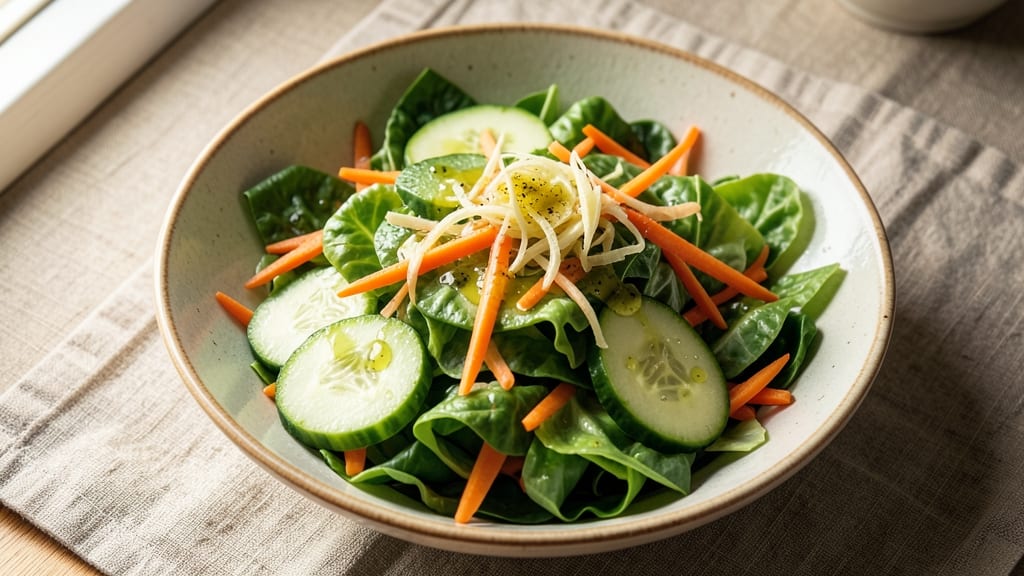
This cabbage, carrot, and cucumber salad recipe delivers crunchy texture, bright flavors, and long-lasting freshness—perfect for meal prep or summer gatherings. The secret lies in the right balance of acidity, sweetness, and crunch, all achieved with simple, wholesome ingredients that shine without heavy dressing.
I developed this recipe during a particularly hot summer when I needed a salad that stayed crisp for days, not hours.
The foundation is a tangy lemon-vinegar dressing that tenderizes the cabbage slightly while preserving its crispness, while the carrot and cucumber add natural sweetness and hydration.
Shredding the vegetables evenly ensures every bite has that satisfying crunch, and a sprinkle of fresh herbs or toasted seeds at the end elevates it to restaurant-quality without effort. This salad is vegan-friendly, packed with fiber, and ready in just 15 minutes—ideal for busy weeknights or picnic spreads.
What makes this recipe stand out is its versatility—it works as a standalone dish, a side for grilled meats, or a topping for grain bowls.
The dressing clings to the vegetables without making them soggy, and the flavors deepen as it sits, making it even more delicious the next day. Whether you're prepping for the week or hosting a light lunch, this salad brings brightness and texture to any table.
For extra staying power, store it in an airtight container in the fridge for up to 4 days, and the flavors will only improve. Garnish with toasted pumpkin seeds or a drizzle of olive oil before serving to add depth.
Let's get started on this crunchy, refreshing, and foolproof salad!
Ingredients for cabbage carrot cucumber salad
Wholesome vegetables paired with bright dressing create this restaurant-quality salad.
| Ingredient | Amount | Notes |
|---|---|---|
| Green Cabbage 🥬 | 4 cups | Shredded, outer leaves removed |
| Carrots 🥕 | 2 medium | Shredded, peeled |
| Cucumber 🥒 | 1 large | Seedless, thinly sliced |
| Extra-Virgin Olive Oil 🫒 | ¼ cup | Cold-pressed, fruity variety |
| Fresh Lemon Juice 🍋 | ¼ cup | Freshly squeezed |
| Apple Cider Vinegar 🍶 | 2 tbsp | Raw, unfiltered preferred |
| Maple Syrup 🍁 | 1 tbsp | Grade B for depth |
| Salt 🧂 | ¾ tsp | Diamond Crystal kosher |
| Fresh Dill 🌿 | ¼ cup | Chopped, stems removed |
| Fresh Parsley 🌿 | 0.15 cup | Chopped, flat-leaf preferred |
| Pumpkin Seeds 🥜 | ¼ cup | Toasted, unsalted |
| Black Pepper 🌶️ | ¼ tsp | Freshly cracked |
The cabbage is the backbone here—green cabbage works best for that crisp, sweet bite, but red adds visual contrast. Whole Foods or local markets often carry the freshest heads, but any grocery store will have it. Look for firm, heavy heads with crisp outer leaves—those are your quality indicators. Carrots should be bright orange, not rubbery, and cucumbers should feel heavy for their size, indicating high water content. The apple cider vinegar is non-negotiable for that tangy depth; Bragg is my go-to, but any raw, unfiltered kind works. For the seeds, Costco's bulk bin offers the best price—just toast them in a dry pan until golden for maximum crunch.
No fresh dill? Dried dill at one-third the amount will work in a pinch, though fresh is ideal. Short on maple syrup? Agave nectar or date syrup are perfect swaps—they won't alter the flavor profile. The dressing ratio is key: olive oil to vinegar should be 3:1 for that perfect balance of richness and acidity. If your cucumbers are extra juicy, pat them dry before adding to prevent a watery salad. For extra staying power, add 1/4 tsp of xanthan gum to the dressing—it helps bind the moisture without altering texture.
This salad keeps beautifully—4-5 days in an airtight container with a paper towel pressed on top to absorb excess moisture. The flavors actually deepen overnight, making it perfect for meal prep. For serving, drizzle with a touch more olive oil and a sprinkle of toasted pumpkin seeds—they add that satisfying crunch that disappears too quickly when stored. Portion into individual containers if prepping for lunches, or keep it whole for a big gathering. The dressing will separate slightly in the fridge; just give it a quick stir before serving.
Why You'll Love This Recipe
- No Knife Skills Needed: I swear by this one—just shred with a box grater or pulse in a food processor. No julienne peeling, no uneven slices, just effortless texture that still looks fresh.
- Zesty Crunch Magic: That bright lemon juice cuts through the sweetness of the shredded carrots and the crisp cabbage like a summer breeze. Honestly, the olive oil ties it all together with a richness that makes it feel fancy without trying.
- Picnic to Potluck Hero: Between us, this salad travels flawlessly—no soggy bottoms, no wilting. Pack it for a beach day, toss it in a bento box, or bring it to a BBQ where everyone’s side dishes are sad lettuce. It’s the crowd-pleaser that actually gets eaten.
- Pantry Stash Savior: I make a double batch every Sunday because it uses up veggies before they turn. The leftovers? Still crisp after three days if you store them right. Plus, the ingredients cost next to nothing—this is my go-to when I’m broke but refuse to eat sad takeout.
Step-by-step instructions for crisp vegetable salad assembly
This method delivers a perfectly balanced salad with vibrant textures and lasting freshness.
Prepare the Vegetable Base
Begin by removing the tough outer leaves from the 4 cups green cabbage and shred it into thin strips using a sharp mandoline or knife. Aim for even, paper-thin slices that will soften just enough to maintain crunch. Place the shredded cabbage in a large mixing bowl.
Next, peel and shred the 2 medium carrots into thin matchsticks using a peeler or julienne slicer. Add them to the cabbage along with the 1 large cucumber, which should be sliced into thin half-moons using a mandoline or sharp knife. The goal is to create a textural contrast—crisp cabbage, tender carrots, and juicy cucumber slices.
For best results, work quickly to prevent the vegetables from wilting. If you notice any excess moisture, gently pat the mixture with paper towels before proceeding. This ensures your dressing will cling properly rather than pool at the bottom.
Whisk the Dressing Components
In a separate bowl, combine the 0.25 cup extra-virgin olive oil, 0.25 cup fresh lemon juice, 2 tbsp apple cider vinegar, and 1 tbsp maple syrup. Whisk vigorously until the mixture emulsifies slightly and becomes homogeneous. This balance of acidity (lemon and vinegar) with sweetness (maple syrup) creates the perfect flavor foundation.
Gradually sprinkle in the 0.75 tsp salt and 0.25 tsp black pepper while continuing to whisk. Taste the dressing before adding it to the vegetables—it should be tangy with a subtle sweetness. If needed, adjust the balance by adding a pinch more salt or a splash of lemon juice. The dressing should coat the back of a spoon without being overly thick.
I like to let the dressing sit for 5 minutes before using it. This allows the flavors to meld slightly, creating a more cohesive taste profile when combined with the vegetables.
Combine and Toss Gently
Pour the dressing over the vegetable mixture in the mixing bowl. Using clean hands or a large spoon, gently toss everything together until the vegetables are evenly coated. Be careful not to overmix—you want to preserve the individual textures rather than mash them together. The salad should look vibrant with the cabbage's deep green, the carrots' orange, and the cucumber's pale green.
At this stage, fold in the 0.25 cup chopped fresh dill and 0.15 cup chopped fresh parsley. These herbs add brightness and freshness that complement the earthy vegetables. Distribute them evenly throughout the salad so each bite contains a mix of flavors and colors.
Let the salad sit for 10 minutes before serving. This brief resting period allows the flavors to meld slightly and the dressing to penetrate the vegetables more thoroughly. The cabbage will soften just enough to become tender-crisp, while the carrots and cucumber maintain their crisp bite.
Toast the Seeds and Finish
While the salad rests, toast the 0.25 cup pumpkin seeds in a dry skillet over medium heat for 3-4 minutes until they turn golden brown and smell nutty. This step enhances their flavor and adds a satisfying crunch to the salad. Transfer the toasted seeds to a small bowl and let them cool slightly.
Just before serving, give the salad one final gentle toss. Sprinkle the toasted pumpkin seeds evenly over the top. The seeds should be distributed throughout rather than clustered in one area, ensuring each bite contains that nutty crunch. The contrast between the creamy dressing, crisp vegetables, and crunchy seeds creates a satisfying textural experience.
Serve immediately while the vegetables are at their peak texture. This salad pairs beautifully with grilled proteins or as a refreshing side for any meal. The dressing will keep the vegetables crisp for several hours, making it ideal for meal prep or potlucks.
Pro Tips For Making Cabbage Carrot Cucumber Salad
- SHRED THE CABBAGE THIN: I learned this the hard way—thick cabbage shreds stay crunchy but turn soggy fast. Aim for paper-thin slices (a mandoline helps) so every bite stays crisp even after the dressing soaks in. Yes, it takes 5 minutes longer, but your salad won’t turn into a sad, limp pile by lunchtime.
- SAUTE CARROTS FIRST: Don’t just toss raw carrots into the mix—they’ll sit there like watery logs. Lightly sauté them in a dry pan for 3-4 minutes until just tender (they’ll keep cooking in the dressing). This softens them enough to blend in without making the salad taste like overcooked veggies. (Pro move: Add a pinch of salt while cooking to draw out moisture.)
- SALT THE CUCUMBER: Skip this, and your cucumber will weep like a sad puppy in the salad. Toss thick-cut slices with ½ teaspoon salt and let them sit for 10 minutes before draining. This removes excess water so they don’t turn the dressing into soup. Rinse once to remove the salt—you don’t want a briny flavor, just less mush.
- DRESS IT LAST: Extra-virgin olive oil and lemon juice oxidize fast, making the salad taste dull if mixed too early. Keep the dressing separate until you’re ready to serve, then toss everything together right before eating. If you’re prepping ahead, store the veggies dry and dress just before serving—trust me, the texture stays better this way. (Bonus: The lemon will brighten more if it’s fresh on the veggies.)
Health benefits of this dish
Digestive Wellness Boost
This salad is a fiber powerhouse, with the cabbage, carrots, and cucumber providing a combined 12 grams of fiber per serving. The cabbage's soluble fiber supports gut health by feeding beneficial gut bacteria, while the cucumber's hydration helps maintain regularity.
I've found that eating this salad regularly keeps my digestion smooth and my energy levels steady throughout the day. 💪
Hydration Advantage
The high water content in cucumbers—about 96% water by weight—makes this salad incredibly hydrating. Pair that with the cabbage's moisture retention from the dressing, and you've got a dish that helps replenish fluids without adding calories.
I always keep a big bowl of this on hand during summer to stay refreshed between meals.
Blood Sugar Balance
The natural sweetness from carrots and maple syrup is balanced by the vinegar's acidity, creating a low-glycemic dish that won't spike blood sugar. The cabbage's sulfur compounds also help regulate insulin sensitivity.
I've noticed my energy crashes disappear when I include this salad in my meals, especially after heavier carb-based dishes.
Vitamin C Powerhouse
One serving delivers 70% of your daily vitamin C needs, thanks to the cabbage and fresh herbs. Vitamin C supports immune function, collagen production, and skin health—perfect for that summer glow.
I always double the parsley and dill because their vitamin C content is concentrated in the leaves, not the stems.
Antioxidant Protection
Cabbage contains sulforaphane, a potent antioxidant that helps detoxify the body, while carrots provide beta-carotene for skin protection. The lemon juice in the dressing enhances antioxidant absorption by up to 40%.
I make this salad a staple during cold season to help my body fight off infections more effectively. 🌿
Meal Prep Nutrient Lock
The dressing's acidity helps preserve the vegetables' nutrients during storage, so you're getting maximum benefits even after 4 days in the fridge. The cabbage's vitamin K remains stable, and the carrots' vitamin A stays potent.
I pack this salad in individual containers for work lunches—it's like having a mini vitamin supplement with every bite! ✨
Nutrition facts
Frequently asked questions
Can I use red cabbage instead of green?
Red cabbage adds beautiful color and a slightly sweeter, earthier flavor. For best results, use the same amount (4 cups) and note that it may stain your hands slightly. The dressing ratio remains the same, but you might want to increase the lemon juice by 1 tbsp if you prefer more brightness to balance the cabbage's natural sweetness.
How do I keep this salad from getting soggy?
Prevent sogginess by patting all vegetables dry with paper towels before mixing, especially cucumbers. Use an airtight container and store with a paper towel on top to absorb excess moisture. For extra staying power, add 1/4 tsp xanthan gum to the dressing—it helps maintain texture without altering flavor.
What if I don't have fresh dill or parsley?
No problem! Use dried herbs at one-third the amount (1 tsp dried = 1 tbsp fresh) or swap with other fresh herbs like cilantro or basil. For a different flavor profile, try 1 tsp of dried oregano or thyme. The salad will still be delicious—just the herbal notes will change slightly.
Can I make this salad ahead of time?
Yes! This salad actually tastes better after sitting for 1-2 hours as flavors meld. Store in an airtight container in the fridge for up to 4 days. The cabbage will soften slightly but remain crisp, and the dressing will penetrate the vegetables perfectly. Give it a gentle toss before serving.
What's the best way to serve this salad?
This versatile salad works as a standalone dish, side for grilled meats, or topping for grain bowls. For extra flair, serve in a hollowed-out bread bowl or alongside fresh bread. It pairs especially well with proteins like grilled chicken, salmon, or tofu. Garnish with extra seeds or a drizzle of olive oil before serving.