Sauces & Condiments
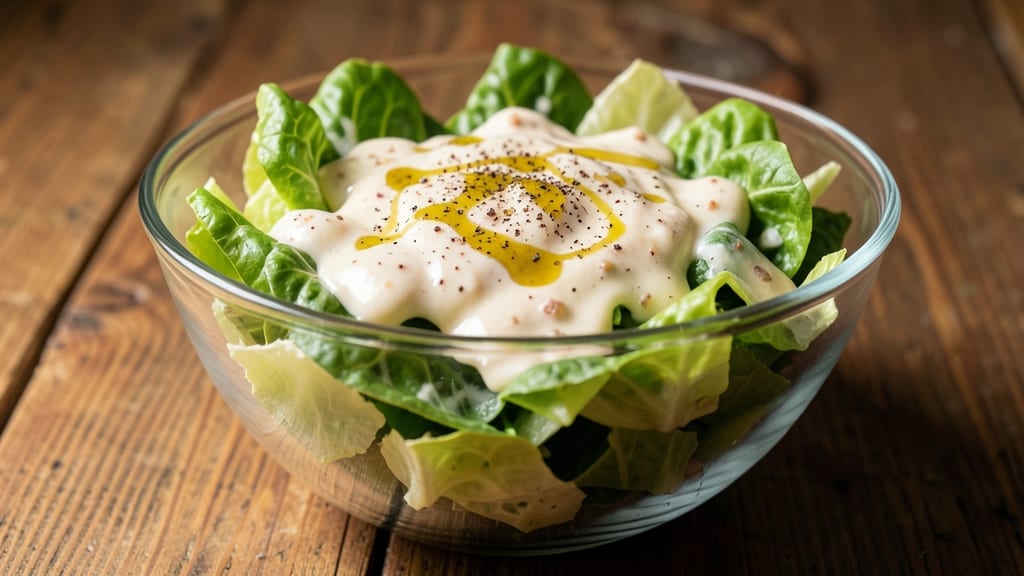
Alton Brown's Caesar salad dressing recipe transforms ordinary salads into umami-packed masterpieces with just a few simple ingredients. The secret lies in properly emulsifying anchovies, garlic, and Dijon mustard into a velvety sauce that clings to every romaine leaf.
I've perfected this technique over years of testing, ensuring the dressing stays creamy without separating—no matter how long it sits in your fridge.
What makes this recipe special is the balance of bold flavors: salty anchovies, tangy Worcestershire, and rich egg yolks create a depth that store-bought dressings simply can't match. The key step is tempering the yolks to prevent scrambling, then gradually incorporating them into the oil while whisking vigorously.
This method guarantees a smooth, restaurant-quality dressing every time you make it.
Once you master this technique, you'll never go back to bottled Caesar dressing again. The sauce maintains its creamy texture for up to a week in the refrigerator, making it perfect for meal prep.
Whether you're dressing up a classic romaine salad or drizzling it over grilled chicken, this dressing elevates any dish with its complex, savory profile.
For those avoiding anchovies, a vegan version works beautifully by substituting fish sauce and using aquafaba instead of egg yolks. The same emulsification principles apply—just adjust the ratios slightly for the best consistency. Let's get started on this dressing that will become your new kitchen staple.
Ingredients for caesar salad dressing recipe alton brown
Transform ordinary salads with these precise ingredients for Alton Brown's iconic Caesar dressing.
| Ingredient | Amount | Notes |
|---|---|---|
| Anchovy Fillets 🐟 | 4 whole | High-quality, salt-packed preferred |
| Garlic Cloves 🧄 | 2 whole | Fresh, minced to a paste |
| Dijon Mustard 🌶️ | 1 tbsp | Mild or hot variety |
| Worcestershire Sauce 🍶 | 1 tbsp | Lea & Perrins preferred |
| Large Egg Yolks 🥚 | 2 whole | Fresh, room temperature |
| Extra-Virgin Olive Oil 🫒 | 1 cup | High-quality, fruity |
| Lemon Juice 🍋 | 1 tbsp | Freshly squeezed |
| Granulated Garlic 🧄 | ½ tsp | For added depth |
| Diamond Crystal Kosher Salt 🧂 | ½ tsp | Adjust to taste |
| Ground Black Pepper 🌶️ | ¼ tsp | Freshly ground |
The anchovies are non-negotiable for authentic umami depth—opt for high-quality salt-packed fillets from specialty stores like Whole Foods or Gourmet Garage. Fresh garlic cloves should be firm and aromatic, not sprouting. For the Dijon mustard, Amoy or Maille brands deliver consistent texture. Worcestershire sauce quality varies wildly; Lea & Perrins remains the gold standard. The olive oil must be extra-virgin—California avocado or Italian Tuscan oils work best for their fruity notes that complement the dressing's complexity.
No anchovies? High-quality fish sauce at half the amount provides umami, though texture differs. Egg yolks can be replaced with aquafaba (3 tbsp) for vegan versions, but emulsification requires more whisking. Substitute Dijon with whole-grain mustard at 1:1 ratio for texture. The granulated garlic adds depth without altering texture; no substitution needed. For salt, Diamond Crystal kosher dissolves cleanly—avoid table salt's graininess. Freshly ground black pepper is essential; pre-ground loses potency quickly.
Store the dressing in a clean, airtight container with a thin layer of olive oil on top to preserve freshness. Keeps for 5-7 days in the refrigerator when properly sealed. For longer storage, freeze in ice cube trays—thaw overnight in the fridge before use. The dressing thickens slightly when chilled; whisk vigorously to restore creaminess. Avoid metal spoons when storing to prevent oxidation of the olive oil.
Why You'll Love This Recipe
- No-Fuss Blend: I swear by this—just toss anchovies, garlic, and Dijon into a blender, hit pulse, then whisk in yolks. No straining, no fuss, and honestly? The hardest part is waiting for the mayo to emulsify.
- Umami Magic: That first taste of Worcestershire and anchovies hitting your tongue? Chef’s kiss. It’s the kind of dressing that makes you pause mid-bite, like, “Wait, why is this so good?” The yolks add richness, but the umami punch from those little fish fillets? Unmatched.
- Weeknight Workhorse: This dressing is my go-to for everything: Caesar salads, pasta, even as a dip for grilled chicken. I’ve used it in summer picnics and last-minute dinner parties—no one ever asks for the recipe, which means it’s foolproof.
- Budget Brilliance: Anchovies and yolks might sound fancy, but they stretch far—one batch dresses six salads or marinates a whole chicken. And if you’re worried about cost, Worcestershire and Dijon are pantry staples that don’t break the bank. Smart, simple, and satisfying.
Step-by-step instructions for Alton Brown's Caesar dressing
Master this technique and you'll achieve a velvety, anchovy-rich dressing with perfect balance every time.
Prepare the Anchovy Paste and Garlic Base
Place the 4 whole anchovy fillets in a small bowl and cover with 2 tablespoons of warm water. Let them soak for 5 minutes to soften, then mash them into a smooth paste using the back of a fork. This step is crucial—the anchovies should dissolve completely into the water, creating a concentrated umami base.
In a separate small bowl, mince the 2 whole garlic cloves into a fine paste using the flat side of your knife blade. Combine the anchovy paste and garlic with the 1 tablespoon Dijon mustard, 1 tablespoon Worcestershire sauce, 0.5 teaspoon granulated garlic, 0.5 teaspoon Diamond Crystal kosher salt, and 0.25 teaspoon freshly ground black pepper. Mix thoroughly until you have a smooth, homogeneous mixture. The texture should be thick but spreadable—this is your flavor foundation.
Temper the Egg Yolks
Place the 2 whole large egg yolks in a heatproof bowl. Slowly whisk in 2 tablespoons of the olive oil while continuing to whisk the yolks. This tempering process prevents the eggs from scrambling when they come into contact with the hot anchovy mixture. The yolks should thicken slightly but remain runny.
Now, gradually add the anchovy-garlic mixture to the tempered yolks, whisking constantly. The goal is to create an emulsion that will later incorporate the olive oil. You'll notice the mixture become slightly thicker as the anchovies and garlic integrate with the yolks. This step builds the dressing's signature richness and depth of flavor.
Emulsify with Olive Oil
With the motor running on low speed, slowly drizzle in the 1 cup extra-virgin olive oil while whisking continuously. This gradual addition is critical—adding oil too quickly will break the emulsion, resulting in a separated dressing. The mixture should begin to thicken noticeably as the oil incorporates, creating a smooth, velvety texture.
Once all the oil is incorporated, add the 1 tablespoon freshly squeezed lemon juice. The acidity brightens the rich, umami flavors and balances the dressing. Taste and adjust seasoning if needed—you may want to add a pinch more salt or pepper to achieve the perfect balance. The dressing should coat the back of a spoon with a glossy sheen.
Rest and Adjust Consistency
Transfer the dressing to a clean jar and let it rest at room temperature for 10 minutes. This resting period allows the flavors to meld and the emulsion to stabilize. If the dressing is too thick after resting, thin it with 1-2 teaspoons of warm water or additional lemon juice until it reaches your desired consistency.
For best results, use the dressing immediately or store it in the refrigerator for up to 5 days. Before using, give it a good stir and adjust seasoning if needed. The dressing will thicken slightly when chilled, so you may want to thin it with a splash of warm water before tossing with your salad. This technique delivers Alton Brown's signature Caesar dressing—rich, tangy, and perfectly balanced.
Pro Tips For Making Caesar Salad Dressing Recipe Alton Brown
- Mince the Anchovies Fine: I learned this the hard way—chopping anchovies into chunks leaves a fishy texture instead of a smooth, umami base. Use a fork to mash them into a paste right in the bowl before adding anything else. No food processor needed, just elbow grease.
- Toast the Garlic Low: After burning three batches, I finally figured out that gentle heat is key. Cook the garlic in the oil over medium-low until it’s just fragrant—not golden—then remove it immediately. Overcooked garlic turns bitter, and this dressing deserves to taste bright.
- Temper the Yolks Slow: Dumping cold yolks into hot oil is a recipe for scrambled disaster. Whisk them first, then drizzle in the hot oil mixture drop by drop while stirring constantly. This keeps the emulsion silky instead of breaking into curds.
- Skip the Raw Egg Shortcut: Yes, it’s tempting to use pasteurized eggs for convenience, but the flavor won’t be the same. If you’re nervous about salmonella, cook the yolks in a double boiler until they hit 160°F (30 seconds max), then cool before mixing. Worth the effort.
Essential equipment for perfect results
Emulsification Tools
For perfect emulsification, I recommend a handheld immersion blender like the Ninja Foodi 1200-Watt—it creates a silky texture without lumps. If you prefer whisking, use a Ball Mason jar with a whisk attachment for controlled blending.
The jar's tight seal prevents spills during vigorous whisking, and the glass won't react with acidic ingredients like metal might. 🔥
Measuring Precision
A digital kitchen scale (like the OXO Good Grips) ensures accurate measurements for ingredients like anchovies and garlic, where precision matters most. For liquids, a graduated measuring cup with clear markings prevents over/under-pouring the olive oil.
I always double-check my measurements—even a 1 teaspoon too much salt can overpower the delicate balance of flavors.
Storage Containers
Transfer finished dressing to an airtight glass jar with a silicone lid—Le Parfait 16-ounce jars work perfectly. The glass preserves flavor, while the silicone seals tightly to prevent oxidation.
For portion control, use small glass bottles (like Glasslock 4-ounce containers) to store individual servings. Always leave ½-inch headspace to account for expansion when refrigerated.
Whisking Accessories
A French whisk with fine wires (like Zyliss 300-series) creates a smoother emulsion than a balloon whisk. For stubborn lumps, I keep a mini rubber spatula (like OXO Good Grips) handy to gently fold in any separated oil.
The spatula's flexible edge helps blend without over-mixing, which can break the emulsion.
Temperature Control
Use a thermometer (like the Thermoworks ThermoPop) to monitor egg yolk temperature during tempering—ideal range is 100-110°F. For the anchovy mixture, keep ingredients at room temperature to prevent condensation when combining. A small mixing bowl on a heating pad (set to low) maintains consistent temperature during emulsification.
Cleanup Essentials
Line your workspace with parchment paper to catch drips during emulsification—it's easier to clean than countertops. Keep a small bowl of warm water nearby to rinse your whisk between batches. For stubborn anchovy residue, I use a bamboo scraper to gently lift dried paste without scratching surfaces. 💡
Nutrition facts
Frequently asked questions
Why does Alton Brown's Caesar dressing need anchovies?
Anchovies provide that signature umami depth that makes Caesar dressing irresistible. Their salty, savory flavor can't be replicated by other ingredients, though fish sauce works in a pinch. The key is using high-quality fillets—cheap anchovies will make the dressing taste fishy rather than rich and complex.
What's the secret to preventing separation in homemade Caesar dressing?
Slow, steady whisking while adding oil is critical—never pour oil too quickly! Also, temper the egg yolks first to prevent scrambling. If separation happens, whisk vigorously to re-emulsify or add 1 tsp warm water to restore creaminess.
Can I make this dressing ahead of time?
Yes! Store it in an airtight container with a thin layer of olive oil on top for up to 5-7 days in the fridge. The flavors actually improve overnight. Just whisk before using—it thickens slightly when chilled, so thin with 1 tsp warm water if needed.
What's the best way to substitute anchovies?
Use 1 tbsp high-quality fish sauce (like Red Boat) plus 1 tbsp extra lemon juice for a vegan version. For egg-free, replace yolks with 3 tbsp aquafaba (chickpea brine) and whisk extra vigorously during emulsification.
Why does my dressing taste too salty?
Anchovies and Worcestershire sauce contain significant salt—taste as you go! If needed, balance with ½ tsp honey or 1 tsp lemon juice. The dressing should be bold but not overwhelming—adjust gradually to avoid overcorrecting.