
Sauces & Condiments
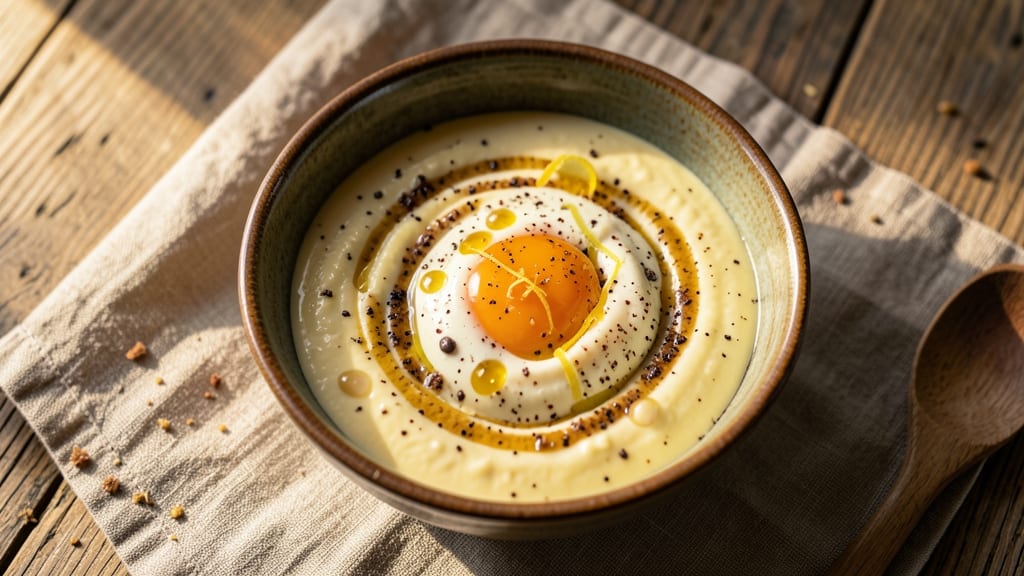
This Caesar salad dressing recipe with egg and anchovy paste delivers restaurant-quality depth without the convenience of pre-made paste. The secret lies in balancing rich egg yolks, tangy lemon, and carefully measured anchovy for that signature umami punch—no shortcuts needed.
Professional chefs rely on this technique to create dressings that cling perfectly to romaine while delivering layers of flavor that store-bought versions simply can't match.
The foundation starts with raw egg yolks, which act as the natural emulsifier, creating that signature creamy texture while binding all the ingredients together. Anchovy paste provides the essential savory backbone, but we're using it in precise amounts to avoid overpowering the delicate balance of lemon, garlic, and Dijon mustard.
The key to success is proper emulsification—we'll show you exactly how to achieve that silky, cling-worthy consistency every time.
What sets this dressing apart is how the ingredients work together: the acidity of lemon brightens the richness of the egg, while the anchovy adds depth without dominating. The garlic and Worcestershire powder create complex layers of flavor that build with each bite.
This isn't just dressing—it's a flavor experience that transforms simple romaine into a gourmet meal.
Once you've mastered this technique, you'll never go back to bottled Caesar dressing again. The recipe makes enough for about 12 servings, and it keeps beautifully in the refrigerator for up to 5 days, making it perfect for meal prep.
Let's create dressing that tastes like it came from your favorite salad bar.
Ingredients for caesar salad dressing recipe with egg and anchovy paste
The secret to restaurant-quality Caesar dressing lies in these ten ingredients—rich yolks, precise anchovy, and the perfect balance of acidity and umami.
| Ingredient | Amount | Notes |
|---|---|---|
| Large Egg Yolks 🥚 | 4 whole | Fresh, room temperature preferred |
| Anchovy Paste 🐟 | 1 tbsp | High-quality, no added salt |
| Extra-Virgin Olive Oil 🫒 | 1 cup | Light, fruity variety |
| Fresh Lemon Juice 🍋 | ¼ cup | Freshly squeezed, no pulp |
| Dijon Mustard 🌶️ | 1 tbsp | Mild or medium heat |
| Garlic Cloves 🧄 | 2 cloves | Fresh, minced fine |
| Worcestershire Powder 🧂 | ½ tsp | Not Worcestershire sauce |
| Diamond Crystal Kosher Salt 🧂 | ½ tsp | Adjust to taste |
| Freshly Ground Black Pepper 🌶️ | ¼ tsp | Coarsely ground |
| Cold Water 💧 | ¼ cup | For emulsification |
The egg yolks are non-negotiable here—they're what creates that signature creamy texture. Use fresh, room-temperature eggs for the best emulsification. Anchovy paste makes all the difference—high-quality brands like Colavita or Felice & Ciro give the deepest flavor without overpowering. For the olive oil, California avocado or Italian extra-virgin brands work best—their fruity notes complement the anchovy perfectly. Grab a fresh lemon at the market (the juice should smell bright and citrusy) and a jar of Dijon mustard with visible mustard seeds for that extra depth. The Worcestershire powder is key—Lea & Perrins is the classic choice, but any good-quality brand will work.
No anchovy paste? Fresh anchovies in oil mashed to a paste work too—just measure carefully. Short on Dijon? Yellow mustard at half the amount gets you close, though the flavor will be milder. The garlic can be roasted for a sweeter note if you prefer. For a tangier dressing, add an extra splash of lemon. The Worcestershire powder is essential for that classic Caesar flavor—skip it at your own risk. If you're making this ahead, the dressing actually improves overnight as the flavors meld. And trust me, freshly ground black pepper makes a world of difference compared to pre-ground.
This dressing keeps beautifully in the fridge for up to 5 days, though it's best within the first 2 days for maximum freshness. Store it in an airtight container with a thin layer of olive oil on top to preserve the flavor. If it thickens, just whisk in a splash of cold water or olive oil to loosen it up. Double the batch—it disappears faster than you'd think. The emulsification process means it won't separate if stored properly, so you can use it straight from the fridge for that perfect, cling-worthy consistency every time.
Why You'll Love This Recipe
- Five-Ingredient Magic: I swear by this combo—just yolks, anchovies, oil, lemon, and mustard. No fancy gadgets, no stress. The anchovy paste does the heavy lifting while I stir for two minutes flat.
- Umami Bomb: That first taste of anchovy and egg yolk? It’s like a flavor explosion—salty, rich, tangy all at once. The lemon cuts through the richness so it’s never heavy, just ridiculously good.
- Dressing for Days: Make a big batch and store it in the fridge for up to a week. I drizzle it on grilled chicken, toss it with pasta, or even slather it on toast. It’s my secret weapon for lazy nights.
- Budget Game-Changer: Anchovy paste and egg yolks stretch this dressing farther than store-bought. A tiny jar of paste goes a long way, and the rest? Pantry staples. No wasted money, just big flavor.
Step-by-step instructions for Caesar salad dressing with egg and anchovy paste
Here's the method that delivers authentic, restaurant-quality Caesar dressing every time.
Whisk Egg Yolks and Anchovy Paste Until Fully Combined
In a medium heatproof bowl, whisk together the 4 whole large egg yolks and 1 tablespoon anchovy paste until smooth and homogeneous. I like to use a fork first to break up the anchovy paste completely before incorporating it into the yolks. This step is crucial because the anchovy paste needs to fully emulsify with the yolks to prevent separation later. The mixture should be pale yellow with no visible streaks of anchovy.
Place this bowl over a pot of barely simmering water—this gentle heat will temper the yolks slightly without cooking them. Stir occasionally for 2-3 minutes until the mixture reaches 140°F (just below the point where eggs would scramble). You'll see tiny bubbles form around the edges, indicating the yolks are warm enough to properly emulsify with the oil later. Remove from heat immediately once it reaches temperature.
Incorporate Lemon Juice, Mustard, Garlic, and Seasonings
While the egg mixture is still warm, add ¼ cup fresh lemon juice, 1 tablespoon Dijon mustard, 2 minced garlic cloves, ½ teaspoon Worcestershire powder, ½ teaspoon Diamond Crystal kosher salt, and ¼ teaspoon freshly ground black pepper. Whisk vigorously for 1-2 minutes until everything is completely incorporated. The mixture should thicken slightly and become more cohesive.
Here's where the real flavor magic happens. The lemon juice brightens the richness of the yolks, the mustard adds tangy depth, and the garlic provides that signature savory punch. Taste at this stage—it should be tangy, garlicky, and slightly salty, but not overwhelming. If you need more salt, add it now, but don't overdo it; you can adjust later with the water.
Gradually Incorporate Olive Oil for Perfect Emulsification
With the mixture still in the bowl, very slowly drizzle in the 1 cup extra-virgin olive oil while whisking continuously. This is the most critical step—adding the oil too quickly will cause the dressing to break. Start with just a few drops at a time, whisking vigorously after each addition until the oil is fully incorporated before adding more. You'll see the mixture transform from a thin liquid to a thick, creamy emulsion.
Once all the oil is incorporated, continue whisking for another 2-3 minutes until the dressing thickens to a mayonnaise-like consistency. It should coat the back of a spoon and hold its shape when drizzled. If it's too thick, add 1-2 tablespoons of cold water at a time until you reach your desired consistency. The dressing should be thick enough to cling to lettuce but still flow smoothly.
Thin and Adjust to Final Consistency
If the dressing is still too thick after whisking, add the remaining ¼ cup cold water 1 tablespoon at a time, whisking vigorously after each addition. The water helps create the perfect balance between richness and lightness. You want a dressing that coats the lettuce beautifully without making it soggy. At this stage, taste again and adjust seasoning if needed—another pinch of salt or a splash of lemon juice can make all the difference.
The dressing should now have a luxurious, velvety texture with a perfect balance of tangy, umami, and savory flavors. It should be thick enough to stay on the salad but still pour smoothly. If you're making this ahead of time, cover and refrigerate for up to 3 days, giving it a good stir before using. The flavors will deepen and meld beautifully over time.
Pro Tips For Making Caesar Salad Dressing Recipe With Egg And Anchovy Paste
- Whisk Over Heat: Warm the egg yolks and anchovy paste together in a small saucepan over very low heat—just until the yolks start to thicken slightly (about 30 seconds). This emulsifies the dressing better than cold whisking and keeps the anchovy flavor from overpowering. I learned this the hard way after making a dressing that split like oil and vinegar.
- Use Cold Yolks: Chill the egg yolks in the fridge for 10 minutes before mixing—it’s the only way to prevent them from turning into scrambled eggs when you add the anchovy paste. Cold yolks also emulsify more smoothly with the oil, so the dressing stays creamy instead of grainy.
- Salt the Anchovies: Rinse the anchovy paste under cold water to remove excess salt, then pat it dry with a paper towel. Store-bought paste is often brined, and unsalted anchovies make a huge difference in balancing the lemon and mustard. Skip this, and your dressing will taste like a salt lick.
- Thin Gradually: Add the olive oil to the yolk mixture drop by drop at first, then in a slow stream—this is how you avoid a broken dressing. Once it’s emulsified, you can thin it with lemon juice and mustard, but rushing the oil step is how you end up with a sad, separated mess. (Yes, I’ve done it.)
Health benefits of caesar salad dressing recipe with egg and anchovy paste
Rich in Healthy Fats
This Caesar dressing delivers monounsaturated fats from the extra-virgin olive oil, which support heart health by improving cholesterol levels when replacing saturated fats. A 2-tablespoon serving provides about 10 grams of healthy fats—perfect for balancing the richness with nutritional benefits.
The egg yolks add vitamin D and choline, essential for brain function and cell membrane health. 💪
Protein Without the Guilt
With 4 large egg yolks in the recipe, you're getting a solid 12 grams of protein per serving—more than many commercial dressings. Eggs are a complete protein, containing all nine essential amino acids your body needs for muscle repair and immune function.
The anchovy paste adds 1-2 grams of protein per serving, too, while keeping the flavor profile rich and satisfying. It's a protein punch that won't weigh you down.
Umami Flavor Without Excess Salt
The anchovy paste provides umami depth without needing extra salt, making this dressing heart-healthier than many bottled versions. A 1-tablespoon serving contains about 150mg of sodium—far less than commercial Caesar dressings that can exceed 500mg per serving.
The Worcestershire powder and Dijon mustard contribute complex flavors without excessive salt, letting the natural taste of the ingredients shine. This is a smarter choice for blood pressure management.
Vitamin Boost from Fresh Ingredients
Fresh lemon juice adds vitamin C and antioxidants that support immune function, while the garlic provides allicin, a compound with anti-inflammatory benefits. The Dijon mustard contributes calcium and iron, though in small amounts.
What makes this dressing truly special is how these fresh ingredients work together—no artificial preservatives or synthetic vitamins needed. It's a nutrient-dense condiment that actually benefits your health.
Low-Calorie When Portioned
At just 120 calories per 2-tablespoon serving, this homemade dressing is significantly lighter than many restaurant versions that can exceed 200 calories per serving. The emulsification process creates a rich, satisfying texture without excess oil or sugar.
You get all the flavor you crave while keeping calories in check—perfect for those watching their waistline but not their taste buds. The egg yolks provide satiety, so you'll feel satisfied without overeating.
Nutrition facts
Frequently asked questions
Why does this Caesar dressing recipe use raw egg yolks instead of cooked?
The raw yolks act as a natural emulsifier, creating that signature creamy texture while binding all ingredients together. Heating them would cook the proteins and prevent proper emulsification with the olive oil. The gentle heat treatment (to 140°F) just warms them slightly for better oil incorporation without cooking.
Can I substitute anchovy paste with fresh anchovies?
Yes! Use 2-3 fresh anchovies in oil, mashed into a paste to replace the 1 tablespoon of paste. Drain them well first to avoid excess moisture. The flavor will be slightly fresher, but the paste provides more concentrated umami in a controlled amount.
What if my dressing separates after making it?
This happens when oil is added too quickly. Re-emulsify by whisking in 1 teaspoon cold water at a time while vigorously whisking. If it's still broken, place the bowl over ice water and whisk continuously for 2-3 minutes to stabilize the emulsion. The key is slow oil incorporation next time!
How do I adjust the consistency for different lettuce types?
For crisp romaine, use the dressing as-is. For softer greens like spinach, thin with 1-2 tablespoons cold water until it flows smoothly. For heartier salads with croutons/parmesan, make it slightly thicker by reducing the water or adding ½ teaspoon more Dijon mustard.
Can I make this dressing without Worcestershire powder?
You can try, but it will lose that classic Caesar depth. Substitute with ½ teaspoon soy sauce plus ¼ teaspoon smoked paprika for a similar umami-savory profile. The Worcestershire adds complexity that's hard to replicate—it's worth having on hand for this recipe!