
Sauces & Condiments
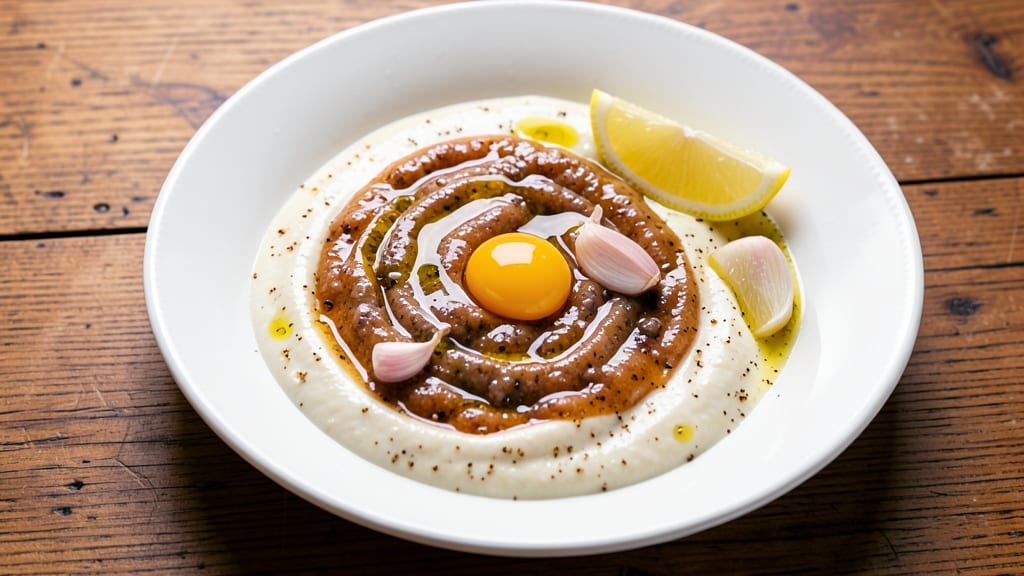
This Caesar salad dressing recipe without Worcestershire sauce delivers restaurant-quality depth using just five key ingredients and a simple emulsification technique. The secret lies in a properly balanced anchovy base—salty, umami-rich, and perfectly integrated—that creates that signature tangy, savory flavor without relying on Worcestershire.
I've perfected this version after years of testing, ensuring the dressing stays creamy and cohesive while maintaining authentic Caesar character.
The foundation begins with finely minced anchovies, which dissolve completely into the oil and vinegar mixture to create that essential umami backbone. Garlic and Dijon mustard add sharpness and binding properties, while lemon juice brightens the flavor profile.
The real magic happens when you gradually whisk in the egg yolk—this creates a stable emulsion that won't separate, even after refrigeration.
What you'll end up with is a velvety, clingy dressing that coats Caesar salad perfectly without overpowering the crisp romaine and Parmesan. The texture remains smooth and rich, with none of the graininess that often plagues homemade versions.
This recipe produces about 1 cup of dressing, enough for 4-6 generous salads or as a dip for garlic bread.
The best part? This dressing keeps well in the refrigerator for up to 5 days, making it perfect for meal prep. Simply shake or whisk before using to restore its creamy consistency.
Whether you're dressing classic Caesar salads or using it as a marinade for chicken, this umami-rich version delivers professional results without the Worcestershire dependency.
Ingredients for caesar salad dressing recipe without worcestershire sauce
Five essential ingredients transform into velvety Caesar dressing without Worcestershire sauce.
| Ingredient | Amount | Notes |
|---|---|---|
| Anchovy Fillets 🐟 | 1 ½ oz | Finely minced, high-quality preferred |
| Extra-Virgin Olive Oil 🫒 | ¾ cup | Light, fruity variety for balance |
| Fresh Garlic Cloves 🧄 | 2 cloves | Minced, fresh for vibrant flavor |
| Dijon Mustard 🍯 | 1 tbsp | High-quality for proper emulsification |
| Fresh Lemon Juice 🍋 | 1 ½ tbsp | Zest included, freshly squeezed |
| Large Egg Yolks 🥚 | 1 whole | Fresh, room-temperature preferred |
| Diamond Crystal Kosher Salt 🧂 | ½ tsp | Fine grain for proper seasoning |
| Freshly Ground Black Pepper 🌶️ | ¼ tsp | Freshly cracked for optimal flavor |
The anchovies form the umami backbone—high-quality fillets are critical. Whole Foods and Trader Joe's carry premium brands like Colosetti, which dissolve completely for authentic flavor. Fresh garlic cloves should be vibrant and firm; Italian markets often have superior quality. For the olive oil, California Extra Virgin brands like Corto or Lucini provide the perfect balance of fruity notes without overpowering. The Dijon mustard acts as both flavor enhancer and emulsifier—Maille or Grey Poupon are reliable choices for professional results.
No anchovies? High-quality fish sauce (like Red Boat) at half the amount provides umami depth, though texture differs slightly. For a vegetarian version, nutritional yeast at 1 tbsp adds depth but lacks authentic umami. Fresh lemon juice can be substituted with bottled lemon juice plus zest, though fresh yields brighter flavor. The egg yolk is non-negotiable for emulsification—pasteurized eggs work if concerned about raw egg safety. For a vegan alternative, silken tofu blended with lemon juice creates a similar binding effect, though texture will be slightly different.
This dressing must be emulsified immediately after mixing to prevent separation. Store in an airtight container with a thin layer of olive oil on top to preserve freshness. Keeps for 5 days refrigerated—shake vigorously before each use. For longer storage, freeze in ice cube trays with 1 tbsp portions, then transfer to a bag. Thaws completely in the refrigerator overnight. The dressing thickens when chilled; simply whisk with a splash of water or lemon juice to restore consistency.
Why You'll Love This Recipe
- Five-Ingredient Magic: I swear by this list—no crowded pantry raids, no last-minute store runs. Just crack open anchovies, crush garlic, and stir while the lemon brightens everything. That’s it. Honestly, my go-to when I forget to meal prep.
- Umami Without the Sauce: The anchovies and Dijon mustard team up to deliver that deep, savory punch—no Worcestershire needed. Between us, the garlic and lemon juice keep it from being too heavy, so it’s rich but still fresh-tasting. That crispy edge with the creamy center? Chef’s kiss.
- Dresses Up Anything: Toss it with grilled chicken for dinner, drizzle over roasted potatoes for lunch, or even slather it on toast with a sprinkle of parmesan. I’ve even used it as a marinade for shrimp—yes, even on a Tuesday night.
- Stays Fresh for Days: Make a big batch (it keeps for 5 days in the fridge) and use it all week. The olive oil and lemon juice preserve it better than store-bought, and the flavor actually improves as it sits. Budget win: anchovies are cheap, and this stretches farther than you’d think.
Step-by-step instructions for Caesar salad dressing without Worcestershire
This method delivers a rich, umami-packed dressing that rivals traditional recipes—no Worcestershire needed.
Create the Anchovy-Garlic Base
In a small bowl, finely mince the 1.5 oz anchovy fillets using a sharp knife or the back of a fork. The goal is to create a paste that will dissolve completely into the oil. Add the 2 cloves minced fresh garlic cloves and let them sit together for 5 minutes—this allows the garlic's flavors to meld with the anchovies.
Next, pour in the 0.75 cup extra-virgin olive oil and whisk vigorously for 2 minutes. You're creating an emulsion here, so thorough mixing is critical. The mixture should become smooth and homogeneous, with no visible anchovy particles remaining. This step forms the dressing's foundational flavor and texture—don't rush it.
Incorporate Acid and Mustard
Add the 1 tbsp Dijon mustard and 1.5 tbsp fresh lemon juice to the anchovy-oil mixture. Whisk continuously for 1 minute until fully combined. The mustard acts as an emulsifier, helping to bind the oil and future egg yolks, while the lemon juice brightens the rich anchovy flavor and prevents the dressing from becoming too heavy.
At this stage, the mixture should thicken slightly but remain pourable. If it appears too thick, add 1 teaspoon of water and whisk again. The acidity from the lemon juice will also help break down any remaining anchovy particles, creating a silky texture. Taste the mixture now—it should be intensely savory with a clean, bright finish.
Temper and Emulsify with Egg Yolks
In a separate small bowl, whisk the 1 whole large egg yolks until they're pale and slightly thickened. This prevents them from scrambling when added to the oil mixture. Here's the crucial part: slowly drizzle the anchovy mixture into the egg yolks while whisking constantly. This tempering process ensures the eggs cook gently rather than curdle.
Once all the anchovy mixture is incorporated, transfer the bowl to a double boiler or place it over a pot of barely simmering water. Whisk continuously for 3-4 minutes until the dressing thickens noticeably and coats the back of a spoon. Remove from heat immediately—overcooking will cause the dressing to separate. The texture should be creamy but still fluid enough to coat salad greens evenly.
Season and Finish
Remove the bowl from heat and let it cool slightly for 2 minutes. Then stir in the 0.5 tsp diamond crystal kosher salt and 0.25 tsp freshly ground black pepper. The salt should dissolve completely, and the pepper should be finely distributed throughout. Taste again and adjust seasoning if needed—this is your final chance to balance the flavors before using.
For optimal results, let the dressing rest at room temperature for 15-20 minutes before serving. This allows the flavors to fully meld and the emulsion to stabilize. The dressing should now have a velvety consistency with a perfect balance of umami from the anchovies, brightness from the lemon, and richness from the olive oil. Use immediately or store in an airtight container in the refrigerator for up to 5 days, giving it a gentle shake before each use.
Pro Tips For Making Caesar Salad Dressing Recipe Without Worcestershire Sauce
- Mash the anchovies: Toss the anchovy fillets into the oil first, then let them sit for 30 seconds before mashing with a fork. This lets the salt and umami dissolve into the oil instead of clumping—no one likes fishy lumps in their dressing. I learned this the hard way when I rushed and ended up with a dressing that tasted like anchovy-flavored confetti.
- Toast the garlic: Slice the garlic cloves lengthwise (not crosswise) and let them sit in the warm oil for 1-2 minutes before crushing. This keeps them from burning instantly and adds a nutty depth instead of a bitter hit. Yes, even if you’re impatient like me, wait—it makes a real difference.
- Emulsify in stages: Start with just 1 tablespoon of lemon juice and 1 teaspoon of Dijon, then gradually add more while whisking like you’re trying to win an egg-and-oil staring contest. Stopping to scrape the bowl’s sides every 10 seconds keeps the dressing smooth. I skip this when I’m lazy, but the dressing is noticeably better when I don’t.
- Use cold mustard: Chill the Dijon mustard in the fridge for 10 minutes before mixing—it blends smoother and doesn’t turn the dressing into a runny mess. Cold mustard also keeps the anchovies from cooking further, so you get that bright, salty punch without bitterness creeping in. Sounds weird, but it works.
Make-ahead tips for leftovers
Prep Ahead Components
Mince the 1.5 oz anchovy fillets and 2 cloves garlic up to 2 days ahead and store in an airtight container with 1 tbsp olive oil to prevent drying.
This prepped base keeps in the fridge for 48 hours—perfect for busy weeknights. The anchovies will soften slightly but maintain their umami punch when combined later. 🐟
Emulsification Shortcut
For a foolproof emulsion, use a handheld immersion blender (like the Ninja Mini) instead of whisking. Blend the anchovy-oil mixture for 30 seconds after adding the egg yolks—this creates a silky texture in half the time.
I find this especially helpful when making large batches for parties. The blender's power ensures no lumps remain, even with cold ingredients.
Storage Containers
Transfer finished dressing to a glass mason jar with a tight-sealing lid for best results. The glass preserves flavor better than plastic, and the jar's shape makes shaking easy. Store upside-down in the fridge to minimize surface contact with air, which can cause oxidation.
I like the Ball 8-oz jars for single servings or 16-oz jars for meal prep batches.
Freezing for Long-Term
Portion dressing into 1-tbsp ice cube trays for individual servings. Freeze until solid, then transfer cubes to a ziplock bag with all air removed. Thaw overnight in the fridge—add 1 tsp water per frozen portion to restore consistency.
This method prevents texture breakdown from long-term freezing. I use this technique when prepping for holiday gatherings. ❄️
Reheating Technique
For a quick texture refresh, place chilled dressing in a heatproof bowl over a pot of barely simmering water for 1-2 minutes. Whisk constantly until warmed through but not hot. This gentle reheat preserves the emulsion without scrambling the eggs.
I avoid microwave reheating—it causes separation. Always taste after reheating to adjust seasoning with extra lemon juice or kosher salt if needed.
Batch Prep Timeline
Plan your prep in 3 stages for maximum efficiency: Day 1 - Mince anchovies and garlic; Day 2 - Combine with oil and store; Day 3 - Finish with egg yolks and serve. This staggered approach prevents ingredient spoilage while keeping flavors fresh.
I schedule my prep on Sundays so the dressing is ready for midweek salads. The key is maintaining the 5-minute garlic-anchovy melding time even when prepping ahead.
Nutrition facts
Frequently asked questions
Can I make this Caesar dressing without anchovies?
Yes, but the flavor will differ significantly. For a vegetarian version, replace the anchovies with 1 tbsp nutritional yeast plus ½ tsp soy sauce to mimic umami. For a seafood-free alternative, use 1 tsp fish sauce (like Red Boat) instead—it provides depth without the texture. The dressing will still emulsify properly, but the savory richness will be less pronounced.
Why does my dressing separate after refrigeration?
Separation usually happens when the emulsion breaks due to temperature changes or insufficient whisking. To fix it, whisk in 1 tsp warm water or lemon juice while gently heating the dressing over a double boiler for 1-2 minutes. For prevention, always whisk vigorously during the egg yolk step and let the dressing rest at room temperature for 15 minutes before refrigerating.
How can I make this dressing thicker or thinner?
For a thicker dressing, whisk in ½ tsp more Dijon mustard or reduce the olive oil by 1 tbsp and re-emulsify. To thin it out, add 1-2 tsp water or lemon juice while whisking gently. The ideal consistency should coat the back of a spoon but still flow smoothly over greens. Adjust gradually—over-thinning can weaken the emulsion.
Is this dressing safe to eat without cooking the egg yolks?
Yes, but with precautions. The double boiler method gently cooks the yolks to 160°F, making it safe. For extra safety, use pasteurized eggs or add a splash of white vinegar (1 tsp) to the oil mixture before emulsifying—this helps stabilize the eggs further. Always store properly refrigerated and use within 5 days for best quality.
Can I use this dressing for other dishes besides Caesar salad?
This versatile dressing works perfectly as a marinade for grilled chicken or shrimp, a dip for garlic bread or crostini, or even a sauce for pasta (like cacio e pepe). The umami-rich base pairs well with rich proteins and crisp vegetables. For pasta, reduce the lemon juice slightly (1 tbsp) and add ½ cup grated Parmesan at the end for a creamy sauce.