
Sauces & Condiments
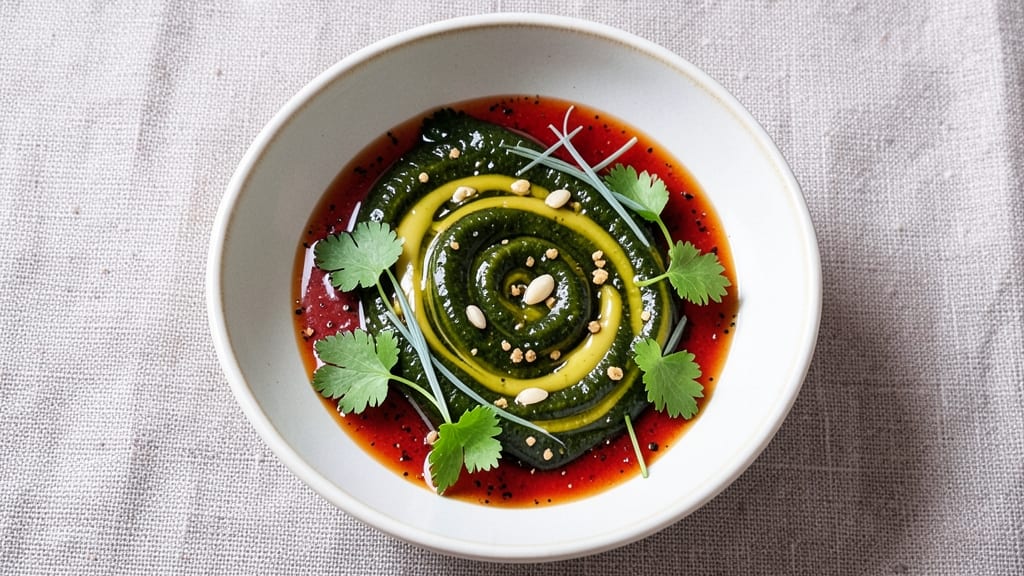
Café Rio vinaigrette transforms simple salads into vibrant, restaurant-quality dishes with its bold herb-packed crunch. 💛 This classic recipe balances tangy Dijon mustard and sharp vinegar with rich olive oil, creating a dressing that clings perfectly to greens while adding layers of flavor. I developed this version after years of perfecting the right ratio—where the acidity brightens without overpowering the natural taste of fresh vegetables.
The secret lies in the herb blend: fresh parsley and chives lend brightness, while a touch of garlic and shallot add depth. Unlike store-bought versions, this dressing stays fresh for up to 10 days in the fridge, making it ideal for meal prep.
The texture is velvety yet lively, with just enough body to coat every leaf without weighing it down.
What makes this vinaigrette truly special is its versatility—it elevates everything from crisp romaine Caesar salads to hearty grain bowls. The dressing’s balance of acidity and richness ensures each bite is vibrant and satisfying. Whether you're prepping lunches or dressing a last-minute dinner, this recipe delivers consistent, professional results.
For an extra touch, whisk in a spoonful of lemon juice just before serving to revive the dressing’s tang. Store it in an airtight container, and you’ll have a flavorful, ready-to-use dressing at your fingertips whenever inspiration—or hunger—strikes. Let’s make it!
Ingredients for cafe rio vinaigrette salad dressing
Nine ingredients transform your salads into vibrant, restaurant-quality dishes with bold herb-packed crunch.
| Ingredient | Amount | Notes |
|---|---|---|
| Extra-Virgin Olive Oil 🫒 | ¾ cup | High-quality, fruity, not bitter |
| Red Wine Vinegar 🍷 | ⅓ cup | Dry, not sweetened variety |
| Dijon Mustard 🌶️ | 1 ½ tbsp | Not yellow mustard |
| Fresh Parsley Leaves 🌿 | ½ cup | Finely chopped, stems removed |
| Fresh Chives 🌱 | ¼ cup | Finely chopped, not minced |
| Garlic Cloves 🧄 | 3 cloves | Minced, not powdered |
| Shallots 🧅 | 2 whole | Minced, not chopped |
| Granulated Sugar 🍚 | 1 tsp | Balances acidity |
| Salt 🧂 | 1 tsp | Kosher or sea salt |
| Fresh Lemon Juice 🍋 | 1 tbsp | Added just before serving |
The olive oil is non-negotiable—look for extra-virgin with fruity notes at Whole Foods or Trader Joe's. Their bulk bins have the best prices, and you can taste-test before buying. The vinegar should be dry, not sweetened—check the label or ask the wine department. Fresh herbs make all the difference: parsley and chives from the grocery store’s produce section should be bright green, not wilted. If they’re sad, skip them and use dried at half the amount (though it won’t be as vibrant). The garlic and shallots? Freshly minced adds depth—powdered just won’t cut it.
No red wine vinegar? Apple cider vinegar or balsamic works in a pinch, but the flavor will shift slightly. Running out of fresh parsley? Substitute cilantro or basil, but reduce to 0.25 cup to avoid overpowering. The Dijon mustard is key—yellow mustard won’t give the same tangy depth. If you’re prepping ahead, skip the lemon juice until serving—it keeps the dressing fresh longer. The sugar balances the acidity, but if you’re avoiding it, add a pinch of honey instead (though that’s not vegan).
This dressing stays fresh for 10 days in the fridge, sealed tightly in a jar. For extra shelf life, pour a thin layer of olive oil on top before storing. I make a double batch every Sunday—one for salads, one for drizzling on roasted veggies. The lemon juice is a game-changer, so always add it last. If the dressing thickens, whisk in a splash of water or olive oil to loosen it up. Leftovers? Perfect for grain bowls or as a marinade.
Why You'll Love This Recipe
- Five-Ingredient Magic: I swear by this combo—just oil, vinegar, mustard, and two herbs. No fancy gadgets, no measuring cups (seriously, eyeball it), and you’re done. That Dijon mustard cuts through the richness while the parsley and chives add a fresh punch without overpowering.
- Bright & Tangy: The red wine vinegar gives it a sharp, restaurant-worthy bite, but the olive oil softens it into something balanced and addictive. Honestly, I’ve made vinaigrettes that tasted like vinegar soup—this one actually tastes like food.
- Salad’s Best Friend: Drizzle it over greens, toss it with roasted veggies, or even use it as a marinade for chicken. I keep a jar in my fridge for when I’m too tired to make dressing from scratch—it’s my go-to for everything from quick lunches to fancy dinner sides.
- Lasts All Week: Make a big batch and store it in the fridge for up to 10 days. Between us, I’ve had this dressing last me through three salads, a pasta dish, and even a quick dip for crusty bread. No waste, all flavor—my wallet thanks me.
Step-by-step instructions for café Rio vinaigrette
Whisk together this vibrant dressing with fresh herbs and bright acidity for a bold, restaurant-quality finish.
👨🍳 Step 1: Finely Chop All Fresh Ingredients
Start by mincing the 3 cloves garlic cloves and 2 whole shallots using a sharp knife. I like to use the rock-chop technique for even, fine pieces—this prevents any harsh textures in the dressing. Next, finely chop the 0.5 cup fresh parsley leaves and 0.25 cup fresh chives, removing stems first. The smaller the pieces, the more evenly they'll distribute throughout the dressing.
Here's the thing—don't skip this step. Fresh herbs add the signature Café Rio brightness, but if they're not finely chopped, you'll get herb bits instead of a smooth, herby flavor in every bite. I use a chef's knife for this, but a food processor works too if you pulse quickly to avoid over-chopping.
🍳 Step 2: Whisk Vinegar, Mustard, Sugar, and Salt
In a medium bowl, combine the 0.33 cup red wine vinegar, 1.5 tbsp Dijon mustard, 1 tsp granulated sugar, and 1 tsp salt. Whisk vigorously for 30 seconds until the sugar and salt dissolve completely. This mixture should look smooth with no visible sugar crystals—if you see any, whisk for another 10 seconds.
The Dijon mustard is key here—it adds depth and helps emulsify the dressing later. I always use a whisk for this step because it creates more air, which prevents the dressing from being too heavy. If you're short on time, a fork works, but you'll need to whisk more vigorously later to compensate.
🥘 Step 3: Gradually Add Olive Oil While Whisking
With the whisk still in the bowl, slowly drizzle in the 0.75 cup extra-virgin olive oil while whisking constantly. Start with a slow stream, then gradually increase to a steady drizzle. This gradual addition is crucial—it allows the oil to emulsify properly with the vinegar mixture instead of separating. Keep whisking for 2-3 minutes until the dressing thickens slightly and looks creamy.
If the dressing starts to look curdled or separates, don't panic. Just whisk vigorously for another 30-60 seconds—it should come back together. The goal is a smooth, slightly thick dressing that coats the back of a spoon. If it's too thick, add 1-2 teaspoons of water to loosen it.
⏰ Step 4: Fold in Fresh Herbs and Rest
Gently fold in the finely chopped parsley and chives using a rubber spatula. This keeps the herbs intact while distributing them evenly. Taste the dressing and adjust seasoning if needed—you might want to add a pinch more salt or a splash of vinegar to balance the flavors. The dressing should be tangy, herby, and just slightly sweet.
Let the dressing sit at room temperature for 10 minutes before using. This resting time allows all the flavors to meld together. I know it's tempting to use it immediately, but this step makes a world of difference in the final taste. Store any leftovers in an airtight container in the refrigerator for up to 5 days—shake well before each use.
🍽️ Step 5: Finish with Lemon Juice Before Serving
Just before using, stir in the 1 tbsp fresh lemon juice. This final touch brightens the dressing and prevents it from becoming flat over time. The lemon juice should be freshly squeezed—bottled juice won't give you the same vibrant flavor. Give it one final taste and adjust seasoning if needed, then drizzle generously over your favorite salads.
This dressing works beautifully with mixed greens, grain salads, or even as a marinade for grilled vegetables. The herby crunch and bright acidity make it perfect for hearty winter salads or light summer dishes. Remember, the secret to great vinaigrette is balance—tangy, herby, and just enough sweetness to round out the flavors.
Pro Tips For Making Cafe Rio Vinaigrette Salad Dressing
- WHISK IN STAGES: Mix the Dijon mustard and vinegar first—this emulsifies the mustard properly before adding oil. I used to dump everything in at once and end up with a broken dressing every time.
- CHOP HERBS FINE: Stack parsley and chives, roll tightly, and slice thinly for even distribution. Lumpy herbs ruin the texture, and this method saves time compared to snipping.
- USE COLD OIL: Let your extra-virgin olive oil sit out for 10 minutes if it’s straight from the fridge—cold oil doesn’t blend as smoothly. Warm oil just enough to coat your fingers, not heat it.
- SALT THE MUSTARD: Add a pinch of salt to the Dijon before mixing—it balances the acidity and cuts through the mustard’s sharpness. Trust me, your dressing will taste more refined without extra salt later.
Make-ahead tips for cafe rio vinaigrette salad dressing
Batch Prep Strategy
Double the recipe and store in two 16-ounce glass jars with airtight lids—I use Ball mason jars for their durability. Label with the date and store in the fridge for up to 10 days.
The dressing actually improves as flavors meld over time, making it perfect for meal prep Sundays. 💛
For freezer storage, divide into 4-ounce portions in silicone ice cube trays—once frozen, transfer cubes to a freezer bag. Thaw overnight in the fridge and shake well before using. This method preserves texture and prevents freezer burn.
Storage Containers
Use amber glass bottles or dark plastic containers to protect the dressing from light, which can degrade the olive oil's quality. I avoid clear containers because they let light through, causing the dressing to lose its vibrant color and freshness over time.
For travel, pack individual 4-ounce mason jars in a bento box with your salad ingredients. The dressing stays fresh for 3-4 days at room temperature if kept sealed tightly—great for office lunches or picnics.
Reviving Stale Dressing
If your dressing separates after a few days, whisk in 1 teaspoon of Dijon mustard and 1 tablespoon of fresh lemon juice to re-emulsify. The acidity and mustard help break up any oil separation and restore the creamy texture. 💡
For extra freshness, add ½ teaspoon of fresh minced garlic or 1 tablespoon of water to thin it out. Store again in an airtight container and give it a shake before each use to redistribute the ingredients.
Flavor Preservation
To maximize shelf life, always add the lemon juice fresh—never store it with the dressing. The acidity accelerates flavor degradation, so keep it separate until serving. This simple trick extends freshness by 2-3 extra days.
For a longer shelf life, reduce the fresh herbs to 0.25 cup total and add ½ teaspoon of dried herbs (like thyme or oregano) when storing. This keeps the dressing stable for up to 2 weeks while maintaining most of its flavor profile.
Nutrition facts
Frequently asked questions
Can I use this vinaigrette on non-salad dishes?
This herb-packed vinaigrette works beautifully as a marinade for grilled chicken or fish, a drizzle for roasted vegetables, or even a dip for crusty bread. The bright acidity and fresh herbs elevate everything from hearty winter dishes to light summer meals.
What if I don't have Dijon mustard?
You can substitute with 1 tablespoon of whole-grain mustard or ½ teaspoon of mustard powder mixed with 1 tablespoon water. Avoid regular yellow mustard—it lacks the depth that makes this dressing special. The texture will be slightly different but still delicious.
How do I adjust the thickness of the dressing?
If it's too thick, whisk in 1 teaspoon of water at a time until you reach your desired consistency. For a thicker dressing, reduce the oil by 1 tablespoon or let it sit for 15 minutes before using—it naturally thickens as it rests. Always shake before serving!
Can I make this dressing without fresh herbs?
Yes, but the flavor will be less vibrant. Use 1 teaspoon dried parsley and ½ teaspoon dried chives instead of fresh. For extra flavor, add ½ teaspoon dried dill or thyme. The dressing will still taste great, just with a slightly different herbal profile.
Why did my dressing separate?
Separation happens when oil and vinegar aren't properly emulsified. Whisk in ½ teaspoon of Dijon mustard and 1 tablespoon of lemon juice, then shake vigorously. The acidity and mustard help re-emulsify it. For future batches, whisk more slowly when adding oil to prevent this issue.