
Sauces & Condiments
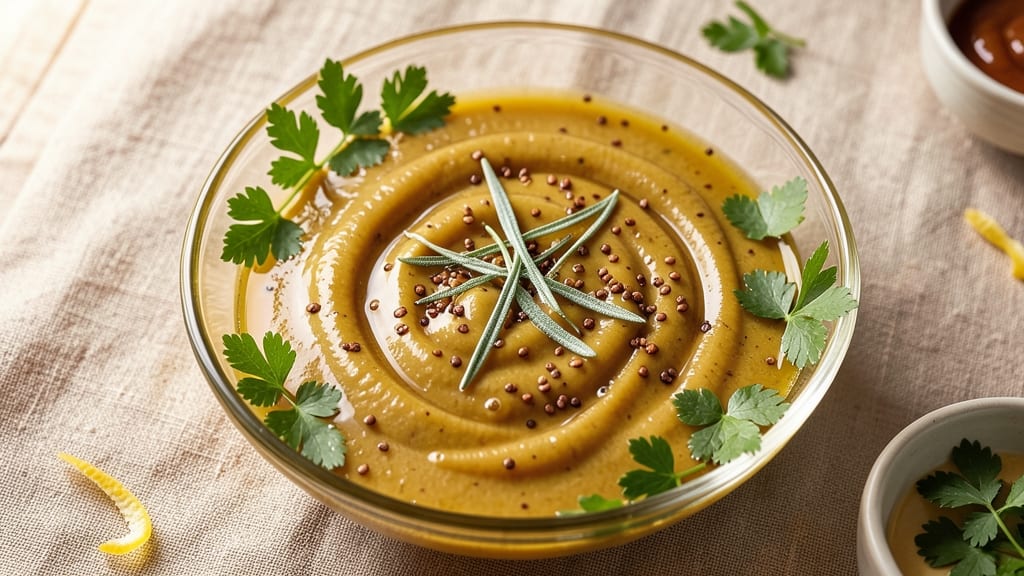
This California salad dressing recipe transforms ordinary salads into vibrant, zesty masterpieces with just six simple ingredients. The secret lies in balancing bright citrus with fresh herbs and a touch of honey—creating a dressing that’s tangy, slightly sweet, and packed with herbaceous depth.
I developed this while craving a dressing that could elevate everything from grain bowls to fresh greens without overpowering delicate flavors.
The magic happens in the ratios: a perfect blend of olive oil and apple cider vinegar forms the base, while Dijon mustard adds subtle tang and Dijon mustard seeds contribute a delightful crunch.
Fresh tarragon and parsley bring that signature California herb brightness, and a hint of honey rounds out the acidity for a dressing that’s as versatile as it is flavorful. This recipe yields about 1 cup, perfect for a standard batch.
What sets this dressing apart is its ability to adapt—drizzle it over mixed greens, toss it with roasted vegetables, or use it as a marinade for grilled chicken.
The herbs stay fresh for up to 5 days in the fridge, and the dressing itself keeps its vibrant flavor for nearly a week, making it ideal for meal prep. The texture is silky yet slightly textured, ensuring every bite feels fresh and lively.
For an extra pop of color and flavor, add a pinch of smoked paprika or a dash of hot sauce to the finished dressing. Store it in an airtight container, and you’ll have a dressing ready to elevate any dish with minimal effort.
Let’s make this bright, herb-infused dressing that’s as easy to whip up as it is delicious.
Ingredients for california salad dressing
Six ingredients balance citrus brightness, herbaceous depth, and subtle sweetness for a dressing that elevates any salad.
| Ingredient | Amount | Notes |
|---|---|---|
| Extra-Virgin Olive Oil 🫒 | ¾ cup | High quality, fruity flavor preferred |
| Apple Cider Vinegar 🍏 | ¼ cup | Raw, unfiltered for depth |
| Dijon Mustard 🌶️ | 1 tbsp | Grainy texture adds crunch |
| Dijon Mustard Seeds 🌿 | ½ tsp | Lightly toasted for aroma |
| Fresh Tarragon Leaves 🌿 | ¼ cup | Chopped finely for brightness |
| Fresh Flat-Leaf Parsley 🌿 | ¼ cup | Chopped, stems removed |
| Honey 🍯 | 1 tbsp | Wildflower preferred |
| Smoked Paprika 🌶️ | ¼ tsp | Optional for color depth |
| Salt 🧂 | ½ tsp | Diamond Crystal preferred |
| Black Pepper 🌶️ | ¼ tsp | Freshly ground |
The olive oil is the foundation—look for extra-virgin with a fruity aroma at stores like Whole Foods or Trader Joe's. Apple cider vinegar should be raw and unfiltered for that tangy depth; Bragg is my go-to. Fresh tarragon is non-negotiable here—dried just won't cut it. If you can't find it, substitute equal parts fresh basil and dill. Dijon mustard adds body, but if you only have smooth, add an extra 0.5 tsp of mustard seeds for texture. The honey should be wildflower or clover for that floral note that rounds out the acidity.
No Dijon mustard seeds? Skip them entirely—the dressing will still shine. Short on tarragon? Fresh basil or chives work in a pinch, though the flavor will shift slightly. Want extra heat? Add a dash of hot sauce or cayenne to the finished dressing. The smoked paprika is optional but adds that signature California vibe—Penzeys has a great selection if you want to experiment. For a sweeter dressing, increase honey to 1.5 tbsp. If you prefer less tang, reduce vinegar to 0.2 cup and add 1 tsp lemon juice instead.
This dressing keeps beautifully in an airtight container for up to 1 week in the fridge. The texture thickens slightly when chilled, so shake or whisk before using. For longer storage, transfer to a sterilized jar and keep for up to 3 months in the freezer. I like to make a double batch—one for salads, one for marinades. The herbs stay vibrant longest when stored separately and added fresh before each use, but they’ll hold up for 3-4 days in the fridge once chopped.
Why You'll Love This Recipe
- No Fuss, No Mess: I swear by this dressing because it’s actually just stirring—no blender, no whisking until my arm falls off. The Dijon mustard seeds add a tiny crunch without extra work, and the tarragon? Just a handful of leaves, no measuring, no fuss.
- Herb-Packed Punch: That tarragon is the star—bright, almost anise-like, cutting through the richness of the olive oil like a summer breeze. Honestly, the apple cider vinegar ties it all together with a tang that makes every bite feel fresh, even on day-old greens.
- Weeknight to Picnic: This dressing is my go-to for everything—tossed with grilled chicken, drizzled on roasted veggies, or packed in a jar for lunch. It’s the kind of thing that makes me look like a chef when I’m really just throwing ingredients together last-minute.
- Make It Last: Between us, I double the batch every time because it keeps for weeks in the fridge. The oil and vinegar base means no weird separation, and the mustard seeds keep it interesting even after a month. Budget-friendly? Yes. Lazy-friendly? Absolutely.
Step-by-step instructions for California salad dressing
This vibrant dressing comes together in minutes with simple technique and fresh ingredients.
Toast the Mustard Seeds for Depth
Heat a small dry skillet over medium-low heat. Add the 0.5 teaspoon Dijon mustard seeds and toast for 30-45 seconds until they begin to pop and release their nutty aroma. Watch carefully—they burn quickly once they start sizzling.
Transfer the toasted seeds immediately to a small bowl and let them cool for 2 minutes. This brief toasting enhances their flavor dramatically, adding a subtle crunch that balances the smooth dressing. Keep the skillet warm for the next step.
Whisk Together Wet Ingredients
In a medium bowl, combine the 0.75 cup extra-virgin olive oil, 0.25 cup apple cider vinegar, and 1 tablespoon Dijon mustard. Whisk vigorously for 1 minute until the mixture is completely emulsified and smooth. The vinegar will initially separate from the oil, but persistent whisking breaks down the oil molecules into tiny droplets that suspend evenly.
Add the 1 tablespoon honey and whisk again for 30 seconds until fully incorporated. The honey will mellow the acidity of the vinegar while adding a delicate floral sweetness. Taste the mixture now—it should be tangy with a bright, clean finish.
Add Herbs and Seasonings
Gently fold in the 0.25 cup chopped fresh tarragon leaves and 0.25 cup chopped fresh flat-leaf parsley using a rubber spatula. The herbs should be evenly distributed but not mashed—you want visible flecks of green throughout the dressing. Add the cooled toasted mustard seeds, 0.25 teaspoon smoked paprika, 0.5 teaspoon salt, and 0.25 teaspoon black pepper. Stir well to combine.
Emulsify and Adjust Consistency
Return to whisking for 2-3 minutes until the dressing thickens slightly and coats the back of a spoon. The herbs will release their oils during this process, creating a silky texture. If the dressing appears too thick, gradually add 1-2 teaspoons water while whisking continuously until you reach a pourable consistency.
Taste and adjust seasoning if needed—you may want to add a pinch more salt or a splash of vinegar for brightness. The dressing should be balanced between tangy, sweet, and herby with a subtle smokiness from the paprika. Let it rest for 5 minutes before serving to allow flavors to meld completely.
Store and Use
Transfer the dressing to a clean glass jar with a tight-fitting lid. Store in the refrigerator for up to 1 week, shaking gently before each use. The flavors will continue to develop over time, becoming even more complex. This dressing works beautifully with mixed greens, grilled vegetables, or as a marinade for chicken and fish.
For best results, use within 3-4 days for peak freshness. The herbs will maintain their vibrant color and crisp texture, while the emulsion will remain perfectly stable. Serve chilled over your favorite salad or drizzle over warm grilled dishes for a bright, herbaceous finish.
Pro Tips For Making California Salad Dressing
- Whisk in stages: Don’t dump all the olive oil in at once—start with just 2 tablespoons and whisk until the mustard and vinegar emulsify (about 30 seconds). Then add the rest slowly. I learned this the hard way when my dressing split into greasy puddles the first time.
- Toast the mustard seeds: Lightly toast the Dijon mustard seeds in a dry pan for 30 seconds until fragrant—this deepens their flavor without burning. Skip this, and your dressing will taste flat, even if everything else is perfect.
- Strain the tarragon: Chop the fresh tarragon leaves finely, then strain the dressing through a fine-mesh sieve after whisking. The stems add bitterness, and you’ll notice the difference immediately. (Yes, it’s extra work, but your future self will thank you.)
- Use aged vinegar: Grab apple cider vinegar that’s been aged at least 6 months—it’s smoother and less harsh than the cheap stuff. The flavor mellows out the acidity, making the dressing taste more complex. I was skeptical until I tried it.
Serving suggestions for california salad dressing
Salad Pairings
This dressing shines brightest with mixed greens like butter lettuce, arugula, and spinach—its citrusy tang cuts through delicate leaves beautifully. I love tossing it with roasted heirloom carrots and shaved fennel for a California-inspired crunch.
For a heartier bowl, add quinoa, avocado slices, and toasted almonds to balance the dressing's acidity. 🥗
Protein Pairings
Use this dressing as a marinade for grilled chicken breast or salmon fillets—the tarragon and honey create a stunning glaze. I marinate 6-ounce portions for 30 minutes before grilling, then drizzle the remaining dressing over the cooked protein.
It also works wonderfully with seared shrimp or pan-seared scallops for a restaurant-worthy finish.
Grain Bowls
Transform your grain bowls with this dressing—it elevates farro, couscous, or brown rice bowls instantly. I love pairing it with roasted sweet potatoes, black beans, and crumbled feta for a Mediterranean-inspired twist. For extra depth, sprinkle toasted pumpkin seeds or crispy chickpeas on top before drizzling.
Vegetable Sides
Drizzle this dressing over grilled asparagus, roasted Brussels sprouts, or steamed green beans for a flavor boost. The smoky paprika in the dressing adds a subtle warmth that pairs perfectly with charred vegetables.
For a showstopper, toss sliced radishes and cucumber ribbons with the dressing and serve chilled as a refreshing side.
Breakfast Boost
Don’t limit this dressing to lunch or dinner—it’s fantastic on avocado toast or breakfast salads with poached eggs and crispy bacon. I also use it as a dip for warm tortilla chips with sautéed mushrooms and goat cheese for a brunch-worthy appetizer.
The honey and herbs add a surprisingly sophisticated touch to morning meals. 💛
Dessert Surprise
For a sweet twist, drizzle this dressing over fresh berries (like strawberries or raspberries) with a sprinkle of toasted coconut flakes. The citrus and honey balance the fruit’s natural sweetness perfectly.
I also use it as a glaze for baked apples or peaches—just reduce the dressing by simmering it for 5 minutes to thicken before brushing on fruit.
Nutrition facts
Frequently asked questions
Can I make this dressing without fresh herbs?
You can substitute dried herbs, but the flavor won't be as vibrant. Use 1 teaspoon dried tarragon and 1 teaspoon dried parsley (about 1/4 the fresh amount) and add 1/2 teaspoon lemon zest to compensate for the lost brightness. The texture will also be smoother without herb flecks.
How do I fix a broken emulsion?
If the dressing separates, whisk in 1 teaspoon warm water or 1/2 teaspoon Dijon mustard while vigorously whisking. For stubborn separation, add 1/2 teaspoon cornstarch mixed with 1 teaspoon cold water and whisk until smooth. The mustard seeds help stabilize the emulsion naturally.
Can I use this dressing as a marinade?
This dressing makes an excellent marinade for chicken, fish, or shrimp. For 30-60 minutes of marinating, use it as-is. For longer marinating (2+ hours), reduce the vinegar to 2 tablespoons to prevent over-acidifying the protein. Always discard unused marinade after contact with raw meat.
What's the best way to store leftover dressing?
Transfer to an airtight glass jar and refrigerate for up to 1 week. The herbs will stay freshest if stored separately and added fresh before each use. For longer storage, freeze in ice cube trays—thaw overnight in the fridge before using. Always shake well before serving as chilling can thicken the texture.
How can I make this dressing spicier?
Add 1/4 teaspoon cayenne pepper or 1/2 teaspoon hot sauce to the finished dressing. For a smoky kick, increase smoked paprika to 1/2 teaspoon. To make it extra bold, toast 1/4 teaspoon red pepper flakes in the same skillet as the mustard seeds and mix them in while warm.