
Sauces & Condiments
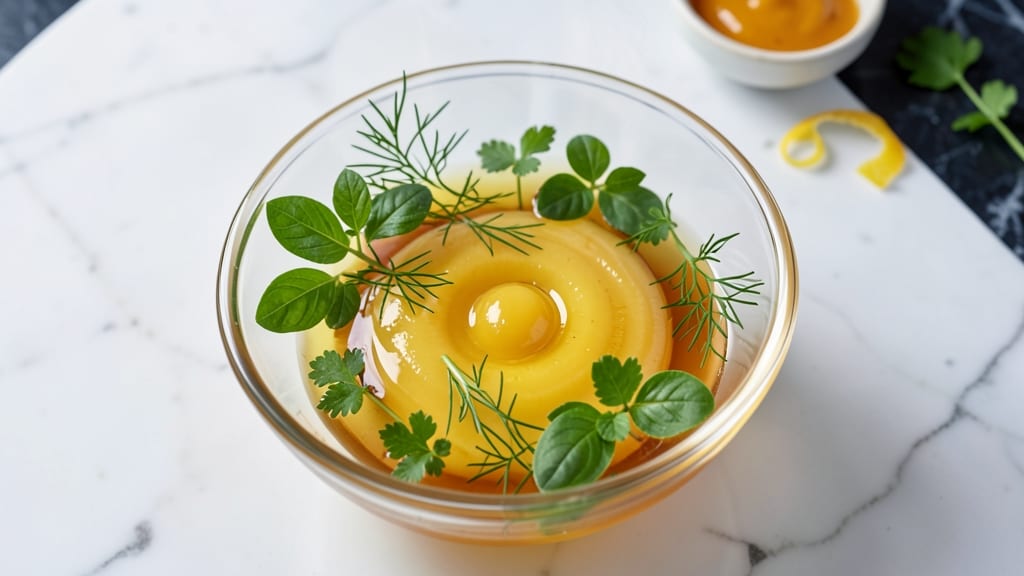
This calorie-free salad dressing recipe delivers bold flavor without a single calorie—perfect for health-conscious eaters who refuse to compromise on taste. ✨ The secret lies in a bright citrus base, fresh herbs, and a touch of vinegar that creates a tangy, zesty dressing packed with personality.
No oils, no sugar, and no guilt—just pure, vibrant flavor that transforms any salad from bland to brilliant.
What sets this dressing apart is its simplicity: just four core ingredients that work together to create depth and complexity. Fresh lemon juice provides the acidity, while apple cider vinegar adds a subtle tang.
A blend of fresh herbs—like dill, parsley, and basil—brings aromatic freshness, and a sugar-free sweetener (like stevia or monk fruit) balances the flavors without adding calories. The result? A dressing that’s as nutritious as it is delicious.
The best part? This dressing stays fresh in the fridge for up to a week, making it ideal for meal prep. It’s versatile enough to elevate simple greens, hearty grain bowls, or even grilled proteins.
The citrus notes brighten rich flavors, while the herbs add a garden-fresh finish that makes every bite feel like a celebration of clean eating.
Ready to revolutionize your salads? This dressing proves that healthy eating doesn’t mean sacrificing flavor—just smart ingredient choices. Let’s get started!
Ingredients for calorie free salad dressing
Four citrusy ingredients plus herbs that brighten any salad bowl—zero calories, maximum flavor.
| Ingredient | Amount | Notes |
|---|---|---|
| Fresh Lemon Juice 🍋 | ½ cup | Freshly squeezed, no seeds |
| Apple Cider Vinegar 🍶 | ¼ cup | Raw and unfiltered preferred |
| Fresh Dill 🌿 | ¼ cup | Chopped, stems removed |
| Fresh Parsley 🌿 | ¼ cup | Flat-leaf preferred, chopped |
| Fresh Basil 🌿 | ⅛ cup | Chopped, for subtle sweetness |
| Stevia Sweetener 🍯 | 1 tsp | Liquid or powdered form |
| Garlic Cloves 🧄 | 1 clove | Minced, for subtle depth |
| Sea Salt 🧂 | ½ tsp | Fine grain preferred |
| Black Pepper 🌶️ | ¼ tsp | Freshly ground for warmth |
| Water 💧 | ¼ cup | Filtered preferred for purity |
The lemon juice is non-negotiable for that zesty punch—organic lemons from the grocery store's produce section work best, but any fresh lemon will do. Apple cider vinegar should be the raw, unfiltered kind—Bragg or Annie's are solid choices, but any brand labeled 'raw' will have more flavor. Fresh herbs are where the magic happens: Whole Foods or Trader Joe's often have the brightest selections. Look for herbs with vibrant color and no wilting—those are your telltale signs of freshness. For the garlic, one clove is plenty—too much can overpower the delicate citrus notes.
No fresh dill? Dried dill at one-fourth the amount works in a pinch, but fresh is ideal. Short on lemon juice? Lime juice at the same quantity gives a similar tang. The stevia can be swapped for monk fruit sweetener if preferred—both are zero-calorie. Want extra depth? Add a pinch of red pepper flakes for a subtle kick. The water helps thin the dressing to your preferred consistency—start with less and adjust as needed. If you're prepping ahead, store the herbs and citrus separately until ready to mix.
This dressing keeps beautifully in the fridge for up to 7 days when stored in an airtight container. Shake well before each use, as the herbs will settle. For meal prep, divide into small jars—4-ounce portions are perfect for individual salads. Freezing isn't recommended due to the herbs, but you can freeze the citrus and vinegar base separately for up to 3 months. Always taste before serving—adjust sweetness or acidity as needed. It's calorie-free, but the flavor is anything but.
Why You'll Love This Recipe
- No-Chop Necessary: I swear by this one—just muddle the herbs with a pinch of salt, add the lemon and vinegar, and stir. That’s it. No knife skills required, no fancy tools, just freshness in a jar.
- Bright & Tangy Magic: The lemon and apple cider vinegar give it this lift—sharp, clean, and just a little funky. Throw in the dill and parsley, and suddenly your greens taste like a Mediterranean vacation. (Yes, even on a Tuesday night.)
- Meal Prep MVP: Make a big batch on Sunday, and you’ve got dressing for salads, grilled fish, or even drizzled over roasted veggies all week. It keeps for days in the fridge, and honestly? I’ve never had dressing go bad before.
- Pocketbook Hero: Fresh herbs can be pricey, but a few sprigs stretch far when you’re just chopping them fine. Vinegar and lemon are cheap staples, and this recipe uses them wisely—no waste, just flavor. My wallet thanks me every time.
Step-by-step instructions for zero-guilt zing dressing
Here's how to blend vibrant flavors into a light, calorie-free dressing that enhances salads without guilt.
👨🍳 Step 1: Combine Liquid Base Ingredients
In a medium bowl, whisk together the 0.5 cup fresh lemon juice and 0.25 cup apple cider vinegar until fully incorporated. The acidity from the vinegar will brighten the lemon's citrus notes, creating a balanced foundation. I like to use a fork for this step—it helps break up any remaining seeds from the lemon juice while ensuring smooth integration.
Add the 0.25 cup water next, whisking gently to blend. This step is crucial for achieving the perfect consistency—too thick and it won't coat your salad evenly; too thin and it becomes watery. The water also helps dilute the acidity slightly, creating a more approachable flavor profile. Taste at this stage—you should notice a sharp, tangy flavor with no sweetness yet.
👨🍳 Step 2: Sweeten and Season the Base
Stir in the 1 teaspoon stevia sweetener until completely dissolved. I prefer to add this gradually—start with half the amount, taste, then adjust if needed. Stevia's intensity varies by brand, so this step requires a light hand. The mixture should now have a subtle sweetness that balances the acidity without overpowering it.
Add the 0.5 teaspoon sea salt and 0.25 teaspoon black pepper, whisking until fully combined. The salt enhances all flavors while the pepper adds warmth. Taste again—this is where the dressing starts to come together. You should detect a harmonious blend of citrus, acidity, and subtle sweetness with a hint of peppery depth. If the mixture tastes too sharp, add a pinch more stevia; if too mild, add a tiny splash more vinegar.
👨🍳 Step 3: Incorporate Fresh Herbs and Aromatics
Add the 0.25 cup chopped fresh dill, 0.25 cup chopped fresh parsley, and 0.125 cup chopped fresh basil to the bowl. Use your hands to gently muddle the herbs with a wooden spoon—this releases their essential oils and oils them into the dressing. The parsley adds freshness, the dill contributes a bright, slightly fishy note, and the basil brings subtle sweetness.
Finally, add the 1 minced garlic clove and mix thoroughly. The garlic should be finely minced—not chopped—to avoid texture issues. Let the mixture sit for 2-3 minutes while the flavors meld. You'll notice the herbs soften slightly and the garlic mellows, integrating its depth without overpowering the citrus notes.
⏰ Step 4: Adjust Consistency and Rest
Taste the dressing again and assess the balance. If it's too thick, add 1 teaspoon water at a time until it reaches a pourable consistency that coats the back of a spoon without being watery. If it's too thin, add 1 teaspoon apple cider vinegar to intensify the flavor and thicken slightly.
Transfer the dressing to a clean jar with a tight-sealing lid. Let it rest at room temperature for 10-15 minutes before using. This resting period allows the flavors to fully develop and the herbs to release their maximum aroma. The dressing will keep in the refrigerator for up to 5 days, making it perfect for meal prep. Shake well before each use to redistribute the herbs.
Pro Tips For Making Calorie Free Salad Dressing
- STRAIN THE HERBS: Skip the muddy texture by pressing the dill, parsley, and basil through a fine-mesh sieve after chopping—no strainer? Use a fork and a clean dish towel. I learned this the hard way when my dressing looked like herbal soup.
- MEASURE BY DROPS: Lemon juice is finicky—use a squeeze bottle and count 10-12 drops per tablespoon instead of eyeballing it. Apple cider vinegar’s stronger, so start with 6-8 drops per tablespoon and adjust. (Yes, it’s tedious, but your dressing won’t taste like a science experiment.)
- WAIT FOR THE FIZZ: Let the lemon juice and vinegar sit for 5 minutes before adding herbs—this lets the acidity mellow slightly. I used to mix everything at once, and the dressing always tasted sharp and one-note. Patience here makes a real difference.
- SALT THE VINEGAR: Add a pinch of salt directly to the apple cider vinegar before mixing—it balances the acidity better than salting the whole dressing. My grandmother swore by this, and she was right: the herbs taste brighter, not bitter.
Serving suggestions for leftovers
Salad Pairings
This bright, herbaceous dressing shines on mixed greens like arugula, spinach, or butter lettuce—its citrus notes cut through the bitterness beautifully. I love tossing it with shredded cabbage and carrots for a crunchy, refreshing bowl.
For extra protein, add grilled chicken breast or white beans—the dressing's acidity complements both perfectly. 🥗
Grain Bowls
Transform quinoa or farro bowls with this dressing—its tangy profile balances hearty grains and roasted veggies. Try it with roasted sweet potatoes, avocado slices, and toasted pumpkin seeds for a nutrient-packed meal.
The herbs add freshness while the citrus brightens the earthy flavors. For a twist, drizzle over cold soba noodles with edamame and cucumber.
Protein Pairings
Grilled shrimp skewers or seared salmon get an instant upgrade with this dressing—its acidity cleanses the palate between bites. I also love it with baked tofu or chickpeas for a plant-based protein boost.
The dressing's lightness prevents heaviness, making it ideal for warm weather meals. For a complete dish, serve with quinoa and steamed broccoli.
Meal Prep Ideas
Prep individual jars of this dressing to keep in your fridge—it’s perfect for quick lunches. Pair it with pre-cut veggies and hard-boiled eggs for grab-and-go salads. For overnight oats, add a splash of dressing and top with berries and chia seeds—the citrus adds a refreshing twist.
The dressing also elevates stuffed bell peppers or zucchini noodles when tossed in at the end. ✨
Dessert Twist
Yes, really! Lightly drizzle this dressing over fresh berries or sliced peaches for a zesty, calorie-free dessert. The acidity balances natural fruit sweetness, and the herbs add an unexpected herbal note.
For a savory-sweet combo, toss it with mango and jicama sticks—it’s a refreshing snack or party appetizer. The dressing’s versatility extends beyond salads!
Storage Hacks
Store leftovers in an airtight glass jar in the fridge for up to 7 days. For longer storage, freeze the herb-free base (citrus, vinegar, water) separately for 3 months, then mix in fresh herbs when ready to use.
To preserve freshness, keep the herbs in a separate container until mixing. Always shake well before serving—herbs settle quickly. 💫
Nutrition facts
Frequently asked questions
Can I use this dressing on hot salads?
Yes, but wait until the salad is fully cooled to avoid breaking down the herbs. The citrus and vinegar base can handle heat, but the fresh herbs will wilt if added to piping hot dishes. For warm salads, drizzle the dressing over just before serving to preserve texture and flavor.
What if I don't like dill or parsley?
No problem! Swap the herbs for what you prefer—try cilantro for a bold flavor or tarragon for a sweeter note. Just keep the same total volume (0.25 cup) to maintain balance. Basil or mint also work beautifully with citrus. The key is freshness!
Will this dressing clump if left in the fridge?
Shake it well before using—herbs naturally settle, but the water-based formula prevents clumping. For extra insurance, store the herbs separately in a small container and mix them in just before dressing your salad. This keeps everything fresh and prevents separation.
Can I make this dressing without stevia?
Use other zero-calorie sweeteners like monk fruit or erythritol in the same amount. For a natural option, skip the sweetener entirely—some find the citrus and herbs perfectly balanced without it. Taste as you go and adjust to your preference.
How does this compare to store-bought low-calorie dressings?
This recipe has zero additives and no artificial ingredients—just real food. Many store-bought versions contain hidden sugars or thickeners. The fresh herbs and citrus also provide antioxidants and nutrients you won't find in processed dressings, plus you control the exact flavor!