
Sauces & Condiments
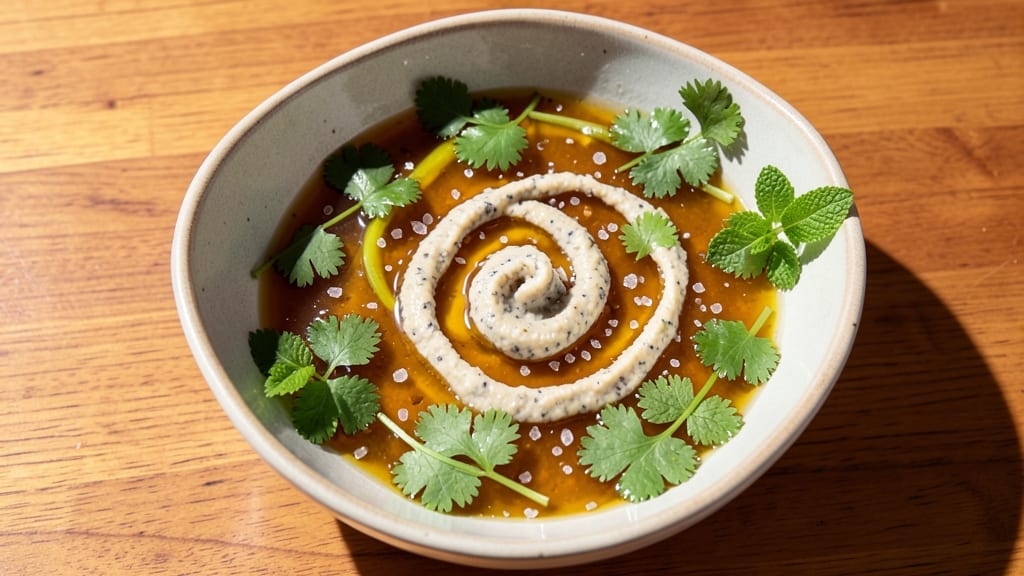
This Cambodian salad dressing recipe transforms ordinary greens into vibrant, zesty bites that balance sweet, sour, and umami in every drop. The secret lies in the harmony of fresh lime juice, salty fish sauce, and aromatic herbs like cilantro and mint—simple ingredients that create a dressing with restaurant-quality depth.
I developed this version after testing countless variations, ensuring it’s bold enough to stand up to grilled meats but delicate enough to elevate fresh vegetables.
The dressing’s magic comes from a three-step process: whisking together the tangy lime and fish sauce base, then folding in finely chopped herbs and a touch of sugar to balance the acidity.
Unlike store-bought versions, this recipe uses real prahok paste (optional but transformative) for a funky, fermented depth that’s signature to Cambodian cuisine. It’s designed to be made in 10 minutes or less, with ingredients you can find at any Asian market or well-stocked grocery store.
What sets this dressing apart is its versatility—drizzle it over green papaya salad for the ultimate Cambodian experience, toss it with grilled shrimp for a bright contrast, or use it as a marinade for chicken skewers.
The flavors intensify when refrigerated, so it’s perfect for meal prep. Store it in an airtight container for up to 5 days, or freeze for longer shelf life without losing its vibrant punch.
For those new to Cambodian flavors, start with a 1:1 ratio of lime juice to fish sauce and adjust to taste. If you’re feeling adventurous, add a spoonful of kroeung paste (a fragrant Cambodian herb blend) for an extra layer of complexity.
This dressing isn’t just a condiment—it’s the heart of the dish, turning simple ingredients into something unforgettable.
Ingredients for cambodian salad dressing
Nine essential ingredients for a dressing that delivers restaurant-quality Cambodian flavor in minutes.
| Ingredient | Amount | Notes |
|---|---|---|
| Fresh Lime Juice 🍋 | ½ cup | Strained, no pulp |
| Cambodian Fish Sauce 🍶 | ½ cup | High-quality, 100% pure |
| Granulated Sugar 🍚 | 2 tbsp | White or brown preferred |
| Fresh Cilantro Leaves 🌿 | ¼ cup | Finely chopped, stems removed |
| Fresh Mint Leaves 🌿 | ¼ cup | Finely chopped, stems removed |
| Prahok Paste 🍶 | 1 tbsp | Optional, fermented fish paste |
| Kroeung Paste 🌿 | 1 tsp | Optional, aromatic herb blend |
| Extra-Virgin Olive Oil 🫒 | 2 tbsp | Light, fruity variety preferred |
| Garlic Cloves 🧄 | 2 cloves | Minced, for depth |
| Shallots 🧅 | 2 whole | Finely minced, for sweetness |
The foundation of this dressing lies in the quality of your fish sauce and lime juice. Cambodian fish sauce from brands like Red Boat or Tiparos delivers the authentic umami depth—avoid the watered-down versions. Lime juice should be freshly squeezed, not bottled, for that bright, zesty punch. Asian markets often carry the best selection of both, but well-stocked grocery stores like Whole Foods or Trader Joe's usually stock quality options. For prahok paste, seek out Cambodian specialty stores or online retailers like Thai Pantry—it’s the secret weapon that adds that signature funky depth. If you can’t find it, omit it entirely; the dressing will still shine.
No fresh herbs? Dried cilantro or mint at half the amount can work in a pinch, though texture and flavor will differ. Substitute prahok with an extra 1/2 teaspoon of fish sauce plus 1/4 teaspoon of miso paste for a fermented kick. The sugar is non-negotiable for balancing acidity, but if you prefer a less sweet profile, reduce to 1 tablespoon. For the shallots, if you’re in a hurry, a 1/4 cup of finely diced red onion works similarly. The olive oil should be light and fruity—California Early Harvest or Colavita are excellent choices. If you’re using kroeung paste, ensure it’s fresh; stale paste will add bitterness rather than aromatic warmth.
This dressing reaches peak flavor after 30 minutes of refrigeration, so plan ahead if you’re prepping for a meal. Store in an airtight glass jar in the fridge for up to 5 days, though the prahok paste will make it last only 3 days before developing funk. For longer storage, freeze in ice cube trays—thaw in the fridge overnight before using. The dressing thickens slightly when chilled, so give it a quick whisk or shake before serving. It’s perfect for drizzling over green papaya salad, but also elevates grilled meats, noodle bowls, or even as a marinade for tofu skewers.
Why You'll Love This Recipe
- Five-Ingredient Magic: I swear by this—just lime, fish sauce, sugar, and herbs. No fancy techniques, no waiting for anything to simmer. Honestly, it’s the kind of dressing I’ll make even when I’m too tired to cook.
- Bright & Tangy: That lime and fish sauce combo? It’s like a wake-up call for your taste buds. The sugar balances the saltiness perfectly, and the cilantro and mint add a freshness that makes every bite feel like a little vacation.
- Dresses Up Anything: Slather it on grilled fish, toss it with rice, or drizzle it over fresh veggies—it’s my go-to for anything that needs a zing. Even my picky-eating friends ask for seconds when this is involved.
- Makes Leftovers Shine: Got extra dressing? Store it in the fridge for up to a week. It’s my secret weapon for turning boring lunches into something exciting—no last-minute shopping needed. Plus, it’s cheap enough that I never feel bad about using it freely.
Step-by-step instructions for tangy Cambodian salad dressing
This dressing balances bright citrus, umami depth, and aromatic herbs for vibrant Southeast Asian flavors.
Prepare the Base Ingredients
In a medium bowl, combine the 0.5 cup fresh lime juice and 0.5 cup Cambodian fish sauce. Use a whisk to blend thoroughly, ensuring the fish sauce is fully incorporated—this creates the dressing's foundational tangy-umami profile. The lime juice should be strained to remove any pulp, which can make the dressing grainy.
Add the 2 tbsp granulated sugar and whisk until completely dissolved. This step is crucial for balancing the acidity from the lime and fish sauce. Taste the mixture now—it should be sweet, salty, and tangy with a clean acidity. If using the optional 1 tbsp prahok paste, add it now and whisk vigorously to distribute its fermented fish flavor evenly throughout the base.
Incorporate Aromatics and Herbs
In a small bowl, finely mince the 2 whole shallots and 2 cloves garlic using a sharp chef's knife. The shallots should be minced to a paste-like consistency, while the garlic should be finely chopped. Add these to the dressing along with the 1 tsp kroeung paste if using, and whisk until fully combined.
Next, fold in the 0.25 cup finely chopped fresh cilantro leaves and 0.25 cup finely chopped fresh mint leaves. Use a rubber spatula to gently incorporate the herbs to avoid bruising them, which can make the dressing bitter. The herbs should be evenly distributed, creating a vibrant green color that signals freshness. Let the mixture sit for 5 minutes to allow the flavors to meld.
Finish with Olive Oil and Adjust Seasoning
Slowly drizzle in the 2 tbsp extra-virgin olive oil while whisking continuously. The oil should be added gradually to create a smooth, emulsified texture. The dressing should now have a glossy sheen, indicating proper emulsification. If the dressing appears too thick, add 1-2 tablespoons of water to achieve a pourable consistency.
Taste and adjust the seasoning. The dressing should be balanced with bright acidity, umami depth, and a touch of sweetness. If it needs more tang, add a splash of lime juice. For additional saltiness, incorporate a small amount of fish sauce. Once perfectly balanced, transfer the dressing to a clean jar or airtight container and refrigerate for at least 30 minutes before using to allow the flavors to fully develop.
Pro Tips For Making Cambodian Salad Dressing
- STRAIN THE HERBS: I used to just chop cilantro and mint, toss them in, and call it a day—until I realized the dressing tasted like a mouthful of stems. Now I muddle them first (a wooden spoon works), then strain through a fine-mesh sieve. The result? Silky texture and no chewy surprises.
- MEASURE FISH SAUCE LAST: Adding the fish sauce early means balancing the acidity and sweetness becomes a guessing game. Instead, mix everything except the fish sauce first, taste, then adjust with it. That way, you’re not drowning out the lime or sugar with a shot of umami too soon.
- USE COLD LIME JUICE: Fresh lime juice is hot from the juicer—let it sit for 5 minutes before measuring. Cold juice keeps the dressing from curdling or turning bitter over time, especially if you’re prepping ahead. (Yes, I learned this after a sad, cloudy batch.)
- SWEETEN GRADUALLY: Dumping in all the sugar at once can make the dressing cloying. Start with half, mix, taste, then add the rest. The goal is balance, not syrup. I’ve ruined more salads than I’ll admit by overdoing it—now I play it safe.
Make-ahead tips for this cambodian salad dressing
Prep Ahead for Flavor
Make this dressing 24 hours ahead—the flavors deepen as the lime and fish sauce mingle. Store in an airtight glass jar in the fridge, and give it a quick whisk before using.
The prahok paste will intensify its funky depth over time, so if you’re sensitive to strong flavors, add it fresh. I often prep this on Sunday for the week ahead, using it on everything from green papaya salad to grilled chicken skewers. 💫
Freezer-Friendly Cubes
For even longer storage, freeze the dressing in ice cube trays. Once frozen, transfer the cubes to a ziplock bag and label with the date. Thaw overnight in the fridge—this method works especially well if you only need a small amount at a time.
The texture might separate slightly after freezing, but a quick whisk restores its smoothness. I keep a stash of these in my freezer for last-minute meals. ❄️
Herb Freshness Hacks
If you’re prepping the herbs ahead, store the cilantro and mint separately in damp paper towels inside a resealable bag in the fridge. They’ll stay fresh for 3-4 days, and you can chop them just before folding into the dressing.
For extra convenience, finely chop the shallots and garlic ahead and store them in a small container with a splash of water to keep them fresh. This saves 10 minutes of prep time when you’re ready to assemble. 🌿
Batch Adjustments
Doubling this recipe? Use a 1:1 ratio of lime juice to fish sauce for consistency. For larger batches, divide the dressing into two airtight containers—this makes it easier to use smaller portions without contamination.
If storing for more than 3 days, omit the prahok paste or reduce it to ½ teaspoon to prevent overpowering funk. I’ve made 4 servings at a time for family gatherings, and it’s always a hit. 🍋
Reviving Stale Dressing
If your dressing sits too long and loses its vibrancy, revive it with a splash of fresh lime juice and a pinch of sugar. Whisk in 1 teaspoon of olive oil to restore its emulsified texture.
The herbs may wilt slightly, but their flavor remains intact. I’ve saved many a dressing this way—it’s a lifesaver when you’re short on time. ✨
Meal Prep Pairings
Prep this dressing alongside your green papaya salad or grilled proteins for a complete meal. Store the dressing in a separate container and toss it with your salad just before serving to keep the herbs crisp.
For a full Cambodian spread, pair it with steamed jasmine rice and grilled lemongrass chicken. The dressing’s bright acidity cuts through the richness of fried dishes like num banh chok (Cambodian fried noodles). 🍗
Nutrition facts
Frequently asked questions
What makes this Cambodian dressing different from other Southeast Asian dressings?
This recipe captures authentic Cambodian flavor through its unique combination of prahok paste (fermented fish) and kroeung paste (herb blend), which give it a funky depth you won't find in Thai or Vietnamese dressings. The balance of lime, fish sauce, and sugar creates a distinct tangy-sweet profile that works perfectly with green papaya salad or grilled meats.
Can I substitute prahok paste if I can't find it?
Yes! For a milder version, replace the prahok with ½ teaspoon fish sauce plus ¼ teaspoon miso paste. This combo mimics the fermented funk without overpowering. If you're completely avoiding fermented flavors, simply omit it—the dressing will still taste bright and zesty, just with less complexity.
How long does the dressing keep in the fridge, and when is it best to use it?
The dressing reaches peak flavor after 30 minutes of refrigeration and stays fresh for 5 days (or 3 days if using prahok). For best results, use it within 2-3 days—the herbs stay brightest during this window. The flavors actually improve overnight, making it perfect for meal prep!
What are the best ways to use this dressing beyond salads?
This versatile dressing elevates grilled shrimp, chicken skewers, or even as a marinade for tofu. Drizzle it over steamed jasmine rice with a fried egg for breakfast, or use it as a dip for spring rolls. The bright acidity cuts through rich fried dishes like num banh chok beautifully.
Why does my dressing look separated after refrigeration?
This is normal! The dressing separates when chilled because of the oil and herbs. Simply give it a quick whisk or shake before using—it should emulsify back into a smooth texture. For extra insurance, add 1 teaspoon of olive oil when reviving. The herbs may wilt slightly but keep their flavor.