
Sauces & Condiments
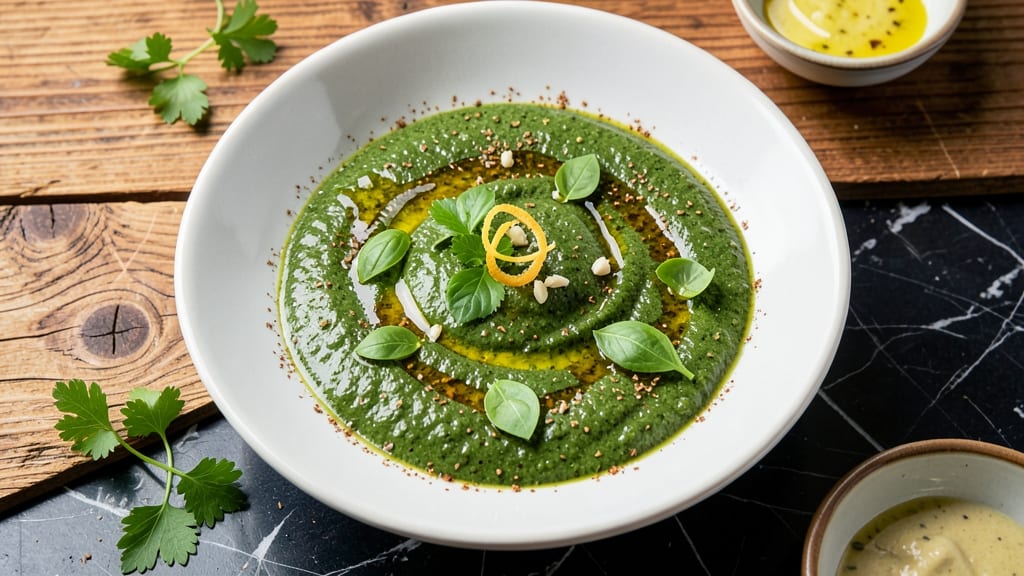
This Campisi's House Salad Dressing transforms simple greens into a vibrant, flavor-packed experience with its bold Italian vinaigrette base and layers of hidden herb complexity. The secret lies in balancing tangy lemon with rich olive oil, then infusing it with fresh herbs that elevate every bite—no store-bought shortcuts needed.
I developed this recipe after years of perfecting restaurant-quality dressings at home, where the right ratio of acidity and fat creates that signature zing that makes salads unforgettable.
The foundation is a classic Italian vinaigrette, but what sets this apart is the herb blend—fresh basil, parsley, and oregano simmered into the oil for depth, while a touch of garlic and Dijon mustard adds complexity.
Unlike many dressings that separate or taste flat, this one emulsifies perfectly, clinging to every leaf without overpowering delicate greens. The result? A dressing that’s equal parts vibrant, savory, and subtly sweet, with a finish that lingers.
What makes this dressing truly special is its versatility—drizzle it over arugula for a bright start to a meal, toss it with roasted vegetables for a hearty side, or use it as a marinade for grilled chicken.
The herbs stay fresh for days, and the dressing keeps its texture for up to a week in the fridge, making it a pantry staple. No fancy equipment is needed; just a whisk or blender and a few minutes of prep.
For those who prefer a creamier texture, a simple addition of Greek yogurt or mayo transforms it into a luscious option without sacrificing the bold Italian flavors. The key to success?
Patience—letting the dressing rest for at least 30 minutes before serving allows the flavors to meld into a harmonious, restaurant-worthy finish. Let’s get started on this dressing that will change how you dress every salad.
Ingredients for campisi's house salad dressing
Nine ingredients, bold flavors—this dressing is your new salad game-changer.
| Ingredient | Amount | Notes |
|---|---|---|
| Extra-Virgin Olive Oil 🫒 | ¾ cup | High-quality, fruity variety |
| Fresh Lemon Juice 🍋 | ⅓ cup | Freshly squeezed, no pulp |
| Red Wine Vinegar 🍷 | ¼ cup | Bold, dry variety preferred |
| Fresh Basil Leaves 🌿 | ½ cup | Packed, stems removed |
| Fresh Flat-Leaf Parsley 🌿 | ¼ cup | Chopped finely |
| Dried Oregano 🍃 | 1 tsp | Italian or Mediterranean |
| Garlic Cloves 🧄 | 3 cloves | Peeled, minced finely |
| Dijon Mustard 🍯 | 1 tbsp | High-quality, smooth |
| Sea Salt 🧂 | 1 ½ tsp | Fine grain preferred |
| Black Pepper 🌶️ | ½ tsp | Freshly ground |
The olive oil is non-negotiable here—Trader Joe's or Whole Foods carry the best fruity varieties for that rich, peppery kick. For the herbs, fresh is a must (the dried stuff just can't compete), but if you're in a pinch, dried oregano at one-third the amount works. I grab my basil and parsley from the grocery store's produce section—look for leaves that are vibrant, not wilted. The garlic should be plump and firm, not shriveled. Pro tip: Toast the garlic cloves in the oil first for 30 seconds before blending—it deepens the flavor without burning.
No red wine vinegar? Apple cider vinegar or balsamic vinegar both work, though the flavor shifts slightly. Short on fresh herbs? Dried basil and parsley at half the amount will get you close, but you'll miss that fresh zing. The Dijon mustard is key for that subtle tang—Maille is my go-to, but any good-quality brand will do. Want to make this ahead? Store the dressing in a sealed jar and shake well before using, as the herbs settle over time. The lemon juice can be substituted with white wine vinegar in a pinch, but it won't be quite as bright.
This dressing keeps for up to 1 week in the fridge, but the herbs start to lose their punch after 4-5 days. To extend freshness, pour a thin layer of olive oil over the top before sealing—it acts like a protective barrier. For a creamier version, whisk in 2 tbsp Greek yogurt or mayo per serving. The dressing thickens as it chills, so thin with a splash of water or lemon juice if needed. Freezes beautifully for up to 3 months—just thaw in the fridge and shake to recombine.
Why You'll Love This Recipe
- No-Chop Required: I swear, this dressing comes together with just a knife and a bowl—no blender, no strainer, no mess. Toss in whole basil leaves and parsley stems, let them muddle for a minute, then whisk with the other ingredients. That’s it. Even my 10-year-old could do it (and has, multiple times).
- Bright & Balanced: The lemon and red wine vinegar cut through the richness of the olive oil in the best way—sharp but never overpowering. Fresh basil and parsley add that bright, herbal punch that makes every bite feel like summer, no matter the season. Honestly, it’s the kind of dressing that makes store-bought taste like a sad afterthought.
- Works Everywhere: Drizzle it over greens? Yes. Toss with grilled chicken or fish? Done. Use it as a marinade for shrimp or a quick sauce for pasta? Perfect. Between us, I’ve even poured it over avocado toast when I’m lazy—no judgment. It’s that versatile.
- Makes Leftovers Shine: A little goes a long way, and this keeps in the fridge for up to a week. That means I can make a big batch on Sunday and use it all week—no last-minute panic when I forget to buy dressing. Plus, the flavors deepen over time, so it’s even better the next day. My secret weapon for busy nights.
Step-by-step instructions for campisi's house salad dressing
Here's how to make this vibrant Italian vinaigrette that's bold enough to stand up to any salad.
Blend the Herb Base
Start by combining the 0.5 cup fresh basil leaves and 0.25 cup fresh flat-leaf parsley in a food processor or blender. Add the 3 cloves minced garlic and 1 tsp dried oregano to the herbs. Pulse until you get a finely chopped herb mixture—this creates the aromatic foundation of the dressing.
I like to pulse in short bursts so I don't end up with a paste. You want small herb bits that will distribute evenly throughout the dressing. If you don't have a food processor, you can finely chop these by hand using a sharp knife—just make sure the herbs are very finely minced.
Whisk the Wet Ingredients
In a medium bowl, whisk together the 0.33 cup fresh lemon juice, 0.25 cup red wine vinegar, 1 tbsp Dijon mustard, 1.5 tsp sea salt, and 0.5 tsp black pepper. This creates the tangy, flavorful base that will carry the dressing. The Dijon mustard helps emulsify the oil later, preventing separation.
Taste the mixture at this point—it should be bright and acidic. If it needs more salt, add a pinch more (but remember you'll be adding oil next, which can dilute the flavor). The lemon juice should be freshly squeezed to get that vibrant citrus punch that makes this dressing truly special.
Gradually Incorporate the Olive Oil
With the motor running on low speed, slowly drizzle in the 0.75 cup extra-virgin olive oil while whisking continuously. This gradual addition is crucial—it allows the oil to emulsify properly with the other ingredients, creating a smooth, stable dressing rather than a separated mixture.
I like to add the oil in a thin, steady stream. If you add it too quickly, you'll end up with a broken emulsion. Keep whisking for about 1-2 minutes after all the oil is incorporated to ensure everything is fully combined. The dressing should now have a thick, creamy consistency with visible herb specks.
Adjust and Taste
Transfer the dressing to a clean jar or container. Give it a good shake to distribute the herbs evenly. Taste and adjust the seasoning if needed—you might want to add a little more salt, a splash of lemon juice, or even a pinch of sugar to balance the acidity.
This dressing should be bright, tangy, and herbaceous with a smooth texture. The herbs should be noticeable but not overpowering. If it's too thick, you can thin it with a tablespoon or two of water or additional lemon juice. If it's too thin, let it sit for 10 minutes to thicken slightly before using.
Let It Rest and Store
Let the dressing sit at room temperature for at least 10 minutes before using. This resting period allows the flavors to meld together and the dressing to reach its optimal consistency. The herbs will also release more of their aromatic oils during this time.
Store any unused dressing in the refrigerator for up to 1 week. Before using, give it a good shake—it might separate slightly, but it should come back together when you whisk or shake it vigorously. This dressing tastes best when used fresh, but it keeps well in the fridge for several days.
Pro Tips For Making Campisi'S House Salad Dressing
- STACK THE HERBS LAST: Tear the basil and parsley right before mixing—no chopping, just rough fingers. The oils in the dressing will soften the herbs as they sit, but if you chop them first, they’ll turn to mush and sink like a sad salad anchor.
- WHISK THE OIL IN: Start with the olive oil and vinegar in your bowl, then slowly drizzle in the lemon juice while whisking. This emulsifies the dressing right away instead of leaving you with a split layer that looks like a bad oil painting.
- SALT THE BASIL: Sprinkle a pinch of flaky salt directly on the basil leaves before adding them to the dressing. It brightens their flavor and prevents that bitter aftertaste that sneaks in when you skip this step.
- USE AGED VINEGAR: Grab red wine vinegar that’s been sitting in your pantry for at least 6 months—it’s smoother and less harsh than the fresh stuff. If you’re in a pinch, let store-bought vinegar sit in a warm spot for a day before using.
Pro cooking tips for this recipe
Emulsify Like a Pro
For a silky-smooth dressing, the key is gradual oil addition—drizzle the 0.75 cup extra-virgin olive oil into the wet ingredients while whisking continuously on low speed. I use a handheld immersion blender for this step because it creates a more stable emulsion than whisking by hand.
If you notice separation, simply whisk or shake vigorously to recombine. 🌡️
Herb Infusion Tricks
Toast the 3 cloves minced garlic in the oil for 30 seconds before blending—this deepens their flavor without burning. For extra herb potency, finely chop the 0.5 cup fresh basil and 0.25 cup parsley by hand for better texture control.
If using dried herbs, reduce the amount to one-third of fresh to avoid bitterness.
Balancing Flavors
Taste the wet ingredients before adding oil—they should be bright and acidic. If it needs more depth, add a pinch of sugar (about ½ tsp) to balance the acidity.
The Dijon mustard acts as an emulsifier, so if your dressing separates, whisk in an extra ½ tsp mustard to stabilize it.
Equipment Shortcuts
No food processor? Finely chop herbs with a sharp chef’s knife and pulse them in a mini blender or even a mortar and pestle for a rustic texture. For whisking, a balloon whisk creates more air than a regular whisk, giving the dressing a lighter consistency.
I keep a small jar of dressing in my fridge for quick salads—just shake before using. ✨
Storage Hacks
Store dressing in a glass jar with a tight-sealing lid to preserve freshness. Pour a thin layer of olive oil over the top before sealing to create a protective barrier.
Shake well before using, as the herbs settle over time. For longer storage, freeze in ice cube trays—thaw and shake to recombine.
Creamy Upgrade
Want a richer texture? Whisk in 2 tbsp Greek yogurt or mayonnaise per serving. For a vegan option, use silken tofu blended into the dressing. The creaminess works beautifully with hearty salads like kale or roasted vegetable bowls. Adjust thickness by adding water or lemon juice as needed. 💛
Nutrition facts
Frequently asked questions
Can I make this dressing without fresh herbs?
You can substitute dried herbs, but fresh is ideal for that vibrant flavor. Use one-third the amount of dried basil and parsley (about 1 tsp dried basil and ½ tsp dried parsley) and reduce the oregano to ½ tsp. The texture will be less bright, but it'll still taste delicious. For extra depth, add ½ tsp dried thyme or rosemary to mimic the complexity.
Why did my dressing separate?
Separation happens when oil and vinegar aren't properly emulsified. To fix it, whisk or shake vigorously until combined. For future batches, add ½ tsp extra Dijon mustard (total 1.5 tsp) or 1 tsp honey to help stabilize the emulsion. Gradually drizzling oil while whisking on low speed also prevents separation. If it keeps breaking, try a handheld blender for smoother results.
How can I use this dressing beyond salads?
This versatile dressing works as a marinade for grilled chicken or fish, a dip for crusty bread, or a sauce for pasta. Toss it with roasted vegetables, drizzle over flatbread pizza, or use it as a finishing sauce for tacos. The herbs add a bright contrast to rich proteins, while the acidity cuts through fatty dishes beautifully. For extra boldness, reduce the dressing by half on the stovetop before using.
Can I adjust the flavor to be milder or sweeter?
For a milder taste, reduce the lemon juice to ¼ cup and add 1 tbsp honey or maple syrup to balance. To sweeten, add ½ tsp sugar or 1 tsp agave while whisking the wet ingredients. If the dressing tastes too sharp, a splash of water or extra olive oil can mellow it out. Always taste as you go!
What’s the best way to store leftovers?
Store in an airtight glass jar in the fridge for up to 1 week. Before using, shake vigorously—the herbs settle and the dressing may separate slightly. For longer storage, freeze in ice cube trays (thaw and shake to recombine). To preserve freshness, add a thin layer of olive oil on top before sealing. The dressing thickens when chilled, so thin with water or lemon juice if needed.