
Sauces & Condiments
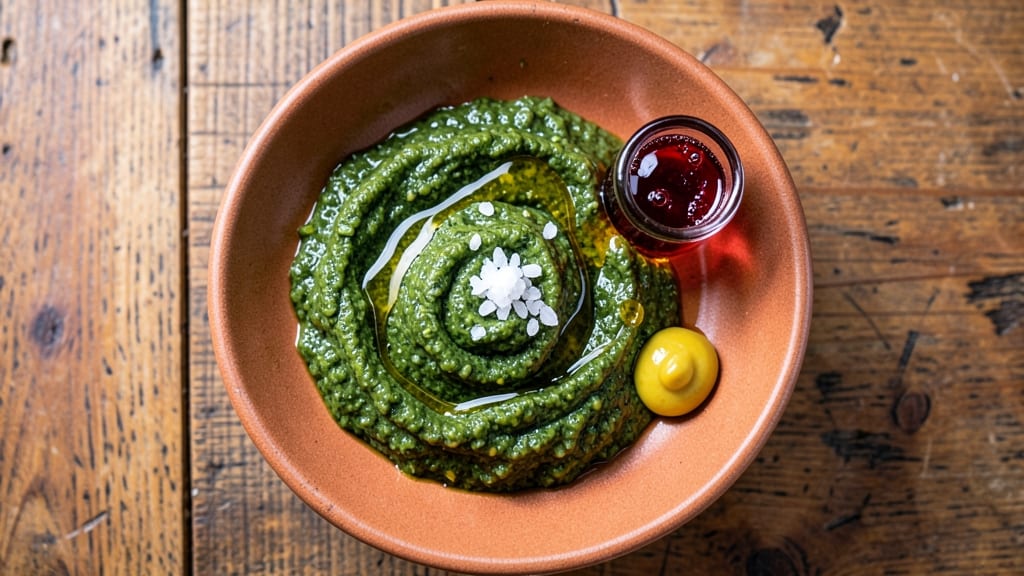
This antico salad dressing recipe brings the bright, herby essence of Italy to your table with just five ingredients and 5 minutes of prep time. The secret lies in the perfect balance of extra-virgin olive oil and aged balsamic vinegar, elevated by fresh basil, garlic, and a touch of Dijon mustard for depth. I developed this version after years of testing—it's the one that finally convinced even my basil-skeptical roommates to drizzle it on everything.
The classic ratio of 3 parts oil to 1 part vinegar creates a rich, velvety texture that clings beautifully to greens while still cutting through rich ingredients like tomatoes or roasted vegetables.
Fresh basil and garlic infuse the dressing with authentic Italian flavor, while Dijon mustard adds subtle tang and helps emulsify the mixture for a silky finish. Unlike many vinaigrettes, this one actually improves after 30 minutes of resting—flavors meld perfectly in the fridge.
What makes this dressing truly special is its versatility. Use it as a vibrant topping for Caprese salads, a marinade for grilled chicken, or a finishing drizzle over roasted vegetables. The herbs stay fresh for up to 5 days in the refrigerator, making it perfect for meal prep.
Each batch delivers that restaurant-quality taste you crave without the fuss of homemade pesto or complicated emulsions.
For an extra touch of sophistication, add a pinch of red pepper flakes or a drizzle of honey to balance the acidity. The dressing's simplicity is its strength—just whisk, taste, and adjust. Here's how to make it perfectly every time.
Ingredients for antico salad dressing
Five ingredients transform into Italy's most beloved dressing in minutes.
| Ingredient | Amount | Notes |
|---|---|---|
| Extra-Virgin Olive Oil 🫒 | ¾ cup | High-quality, fruity, cold-pressed |
| Aged Balsamic Vinegar 🍷 | ¼ cup | 12+ years aged for depth |
| Fresh Basil Leaves 🌿 | ½ cup | Tightly packed, stems removed |
| Garlic Cloves 🧄 | 2 cloves | Fresh, peeled, roughly chopped |
| Dijon Mustard 🌶️ | 1 tbsp | Mild or hot variety preferred |
| Diamond Crystal Kosher Salt 🧂 | ½ tsp | Fine grain for balance |
| Freshly Ground Black Pepper 🌶️ | ¼ tsp | Cracked peppercorns preferred |
The olive oil is non-negotiable—look for extra-virgin with a harvest date within the last year. Trader Joe's and Whole Foods carry excellent options, but any reputable brand works. Aged balsamic vinegar (12+ years) adds complexity—giant jars from specialty stores are worth the investment. Fresh basil should be vibrant green with no browning; Italian markets often have the best selection. For garlic, elephant garlic adds a milder, sweeter flavor if you're sensitive to bite. The Dijon mustard should be smooth and tangy—Maille is my go-to, but any quality brand works.
No aged balsamic? Red wine vinegar with 1 tsp maple syrup mimics the depth. Fresh basil? Dried basil at 1/4 the amount works in a pinch, though texture suffers. Short on garlic? Garlic powder at 1/2 tsp gets you close. Mustard too strong? Mix with 1 tsp honey to mellow it. The salt and pepper are simple but critical—Diamond Crystal dissolves cleanly, while table salt can leave grit. For extra sophistication, add a pinch of red pepper flakes or a drizzle of honey to balance acidity.
This dressing tastes even better after 30 minutes in the fridge—flavors meld perfectly. Store in a clean glass jar with a tight seal; keeps 5 days refrigerated. For meal prep, double the batch and portion into small containers. The basil stays fresh longer if you pack it in a damp paper towel before storing. Freezing isn't recommended—the texture changes, but you can freeze the oil and vinegar separately if needed.
Why You'll Love This Recipe
- Five-Ingredient Magic: I swear by this combo—just oil, balsamic, basil, garlic, and mustard. No fancy gadgets, no measuring cups required. Honestly, I’ve made it blindfolded (okay, maybe not, but you get the point).
- Garlic-Kissed Umami Bomb: That aged balsamic and Dijon mustard? They’re the secret weapons here. The garlic softens just enough to melt into the oil, while the basil leaves add a bright, herby finish that cuts through anything—even the most stubborn salads.
- Weeknight Workhorse: This dressing is my go-to for everything: a quick Caprese, grilled chicken, or even drizzled over roasted veggies. Between us, it’s the reason I stopped buying store-bought—it’s cheaper, tastier, and always saves me 10 minutes of decision-making.
- Lasts All Week: Make a big batch (I do) and it keeps perfectly in the fridge for days. The flavors actually deepen over time—so it’s my meal prep MVP. Plus, the balsamic’s acidity means no weird textures or off smells, even after a few days.
Step-by-step instructions for antico salad dressing
This classic Italian herb vinaigrette comes together in minutes with bold, balanced flavors.
Prepare the Herb Base
In a small food processor or blender, combine the 0.5 cup fresh basil leaves and 2 cloves garlic cloves. Pulse until you achieve a fine, chunky paste—think of it as a fragrant green purée rather than a smooth sauce. You want visible texture to carry through to the dressing, but nothing too coarse.
Here's the thing—don't skip the garlic. It's the backbone of this dressing's depth, but fresh is non-negotiable. If you're using a food processor, pulse in short bursts to avoid overheating the basil, which can make it bitter. The mixture should smell intensely herbal and garlicky—this is your flavor foundation.
Whisk Together Wet Ingredients
Transfer the basil-garlic mixture to a medium bowl. Add the 0.75 cup extra-virgin olive oil, 0.25 cup aged balsamic vinegar, 1 tbsp Dijon mustard, 0.5 tsp Diamond Crystal kosher salt, and 0.25 tsp freshly ground black pepper. Using a whisk, combine everything until fully emulsified—this should take about 2 minutes of steady whisking.
Start with a slow, gentle motion to incorporate all the ingredients, then increase speed as the mixture begins to thicken. You're looking for a velvety texture with no visible streaks of oil or vinegar. The Dijon mustard acts as an emulsifier here, helping the oil and vinegar blend seamlessly. If it looks too thick, add 1 teaspoon water at a time until it reaches a pourable consistency.
Taste and Adjust for Balance
Taste the dressing immediately—this is critical. The flavors should be harmonious but vibrant: bright from the basil, rich from the olive oil, tangy from the balsamic, and with a subtle peppery kick. If it needs more acidity, add another ½ teaspoon balsamic vinegar. For more saltiness, use ¼ teaspoon kosher salt. Need more depth? Add another ½ teaspoon Dijon mustard or a pinch of black pepper.
I always adjust in small increments—you can't take flavor back once you've added it. The dressing should coat the back of your spoon without being cloying. Let it sit for 5 minutes at room temperature before using, which allows the flavors to meld even further. This waiting period makes all the difference in achieving that authentic Antico taste.
Store and Use for Maximum Freshness
Transfer the dressing to an airtight jar and refrigerate for up to 1 week. The flavors will continue to develop and deepen over time, making it even more complex. Before using, give it a good shake—especially if you've stored it for a few days—as the ingredients may separate slightly.
This dressing works beautifully on mixed greens, caprese salads, or even drizzled over grilled vegetables. The key is to use it within 2 hours of making for the freshest herb notes, but it's still delicious straight from the fridge. For extra vibrancy, add a few torn basil leaves just before serving—it'll look stunning and taste incredible.
Pro Tips For Making Antico Salad Dressing
- Infuse the oil: DESCRIPTION: Heat the olive oil just until it shimmers—no smoking—and drop in the whole garlic cloves for 30 seconds. That’s all it takes to wake up the flavors without burning them (I learned this the hard way when my kitchen smelled like regret).
- Whisk the mustard first: DESCRIPTION: Mix the Dijon mustard into the balsamic vinegar before adding oil—it emulsifies better and won’t curdle later. Skipping this step means you’ll end up with a dressing that separates faster than a bad relationship.
- Pulse, don’t chop, basil: DESCRIPTION: Tear the basil leaves by hand or give them one quick pulse in a food processor—just enough to break them up, not turn them into paste. Over-processing turns the dressing bitter, and nobody wants that.
- Rest the dressing: DESCRIPTION: Let the dressing sit for at least 10 minutes before using—it thickens slightly and the flavors meld. I used to pour it straight over salads and wondered why it never tasted as rich as the ones at my favorite Italian spot.
Best sauces and condiments for this dish
Classic Italian Upgrades
Elevate your dressing with 1 tsp aged balsamic glaze instead of regular vinegar—it adds caramelized sweetness that mimics the depth of a 12-year balsamic. For extra richness, stir in 1 tbsp finely grated Parmesan cheese just before serving; it dissolves beautifully and adds umami.
I love adding 1 tsp honey to balance acidity while keeping the dressing bright and complex. 🍯
Herb Variations
Swap basil for cilantro (use 0.4 cup packed leaves) and add 1 tsp lime zest for a Mexican-inspired twist. For a Mediterranean flair, mix in 1 tbsp finely chopped oregano and 1 tsp dried thyme.
Fresh dill works beautifully too—try 0.3 cup chopped dill with 1 tbsp white wine vinegar for a lighter, crisper dressing perfect on potato salads.
Spicy and Sweet Adaptations
Crank up the heat with 1 tsp chili flakes or 1 tsp hot honey for a sweet-spicy kick. For a smoky depth, add ½ tsp smoked paprika and 1 tsp apple cider vinegar.
My go-to for summer is 1 tsp maple syrup and ½ tsp cinnamon, which pairs perfectly with roasted squash or grilled peaches. These variations work especially well with heartier salads like kale or arugula. 🌶️
Creamy Alternatives
For a velvety texture, replace ¼ cup of the olive oil with ¼ cup Greek yogurt or ricotta cheese. Thin with 1 tsp lemon juice if needed, then whisk vigorously for a creamy dressing that clings beautifully to greens.
This version works wonders on warm grain bowls or as a dip for crusty bread. For extra tang, add 1 tsp lemon zest and a pinch of freshly cracked black pepper.
Long-Term Storage Hacks
Freeze the dressing in 1-tbsp portions in ice cube trays for easy single-use servings. Once frozen, transfer cubes to a bag and store for up to 1 month. Thaw overnight in the fridge—no microwave needed.
For extended shelf life, remove the basil before storing and add fresh leaves when ready to use. I also like making a double batch and keeping one in the fridge while freezing the other for future use. ❄️
Nutrition facts
Frequently asked questions
Can I make this dressing without fresh basil?
Yes! Use 1 tablespoon dried basil instead of fresh, but expect a slightly different texture. For extra flavor, add ½ teaspoon basil oil or a pinch of basil extract. The dressing will still taste delicious, though the fresh herb notes will be less vibrant.
How do I fix a dressing that separated?
Simply whisk vigorously for 1-2 minutes to re-emulsify. If it's still too thick, add 1 teaspoon water or lemon juice to thin it out. The Dijon mustard helps stabilize, so if this keeps happening, try adding ½ teaspoon extra mustard next time. A quick shake also works in a pinch!
What's the best way to store leftovers?
Keep in an airtight glass jar in the fridge for up to 5 days. The flavors actually improve over time! For longer storage, remove the basil before refrigerating and stir in fresh leaves when ready to use. Avoid freezing—the texture changes, but you can freeze the oil and vinegar base separately if needed.
Can I use this dressing as a marinade?
It works perfectly for chicken, fish, or vegetables. For best results, marinate for 30 minutes to 2 hours (no longer, or the acid may over-tenderize). Reserve some dressing to drizzle after cooking for extra flavor. The garlic and herbs infuse beautifully into proteins.
Why does my dressing taste too strong?
This usually means the garlic or vinegar overpowers the balance. Start by adding 1 teaspoon extra olive oil to mellow the flavors. If it's still too sharp, stir in ½ teaspoon honey or maple syrup to balance the acidity. Taste as you go—small adjustments make all the difference!