Sauces & Condiments
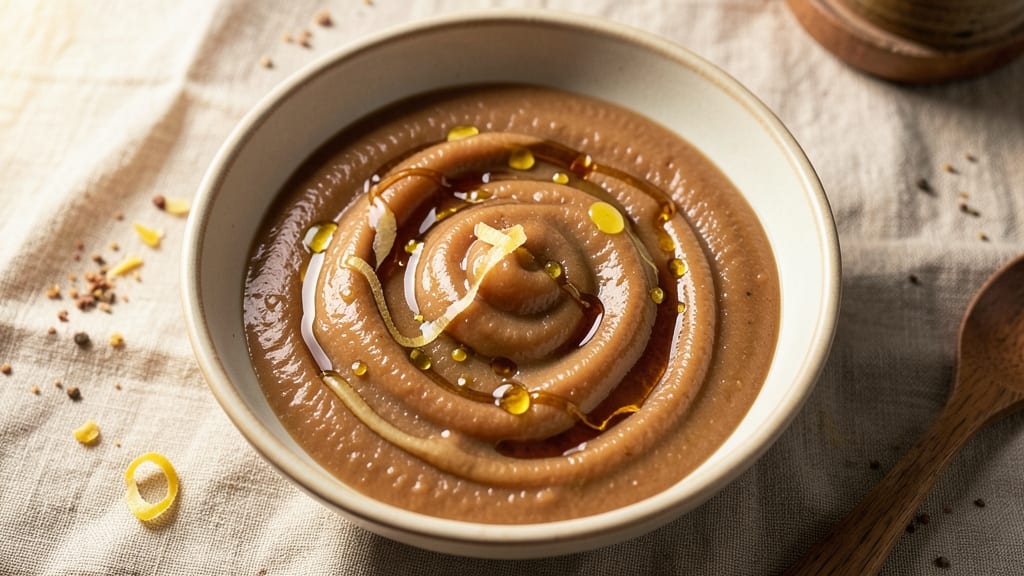
This applesauce salad dressing recipe transforms simple pantry staples into a creamy, tangy-sweet sauce that elevates everything from greens to grain bowls. The secret lies in whisking—not blending—unsweetened applesauce with vinegar and oil to create a perfectly balanced, emulsified dressing without mayo or dairy.
I developed this recipe after craving that familiar sweet-tart flavor of applesauce-based dressings but wanting a lighter, plant-based version that still clings beautifully to salads.
The magic happens with a 3:1 oil-to-applesauce ratio, where the oil stabilizes the mixture while the applesauce adds natural sweetness and body. A splash of lemon juice brightens the flavor, and Dijon mustard ensures it clings to ingredients like a dream.
Unlike store-bought versions, this dressing stays fresh for up to 5 days in the fridge, making it perfect for meal prep. The texture is velvety yet light, with none of the heaviness of traditional creamy dressings.
What makes this recipe truly versatile is its adaptability—drizzle it over mixed greens, toss it with roasted vegetables, or use it as a sandwich spread. The subtle sweetness pairs beautifully with savory elements like bacon, nuts, or grilled meats, while the tangy vinegar keeps it from being too cloying.
It’s the kind of dressing that turns a simple salad into a restaurant-worthy meal with minimal effort.
Ready in just 5 minutes with ingredients you likely already have, this dressing proves that plant-based doesn’t mean sacrificing flavor. The best part? No blender required—just whisk, taste, and adjust. Let’s make dressing that’s as good for you as it is delicious.
Ingredients for applesauce salad dressing
Pantry staples transform into a velvety, plant-based dressing with perfect sweet-tart balance.
| Ingredient | Amount | Notes |
|---|---|---|
| Unsweetened Applesauce 🍎 | ½ cup | Smooth, unsweetened variety preferred |
| Extra-Virgin Olive Oil 🫒 | 1 ½ cups | Light, fruity flavor for balance |
| Apple Cider Vinegar 🍏 | 2 tbsp | For authentic tangy flavor |
| Fresh Lemon Juice 🍋 | 1 tbsp | Brightens and balances sweetness |
| Dijon Mustard 🌿 | 1 tsp | Ensures dressing clings perfectly |
| Pure Maple Syrup 🍁 | 1 tsp | Enhances natural sweetness |
| Sea Salt 🧂 | ½ tsp | Diamond Crystal preferred |
| Freshly Ground Black Pepper 🌶️ | ¼ tsp | Enhances depth of flavor |
| Water 💧 | 1 tbsp | Adjusts consistency if needed |
The unsweetened applesauce is non-negotiable—sweetened versions will throw off the delicate balance. Look for Mott's or Starkist in the refrigerated section for consistency. Extra-virgin olive oil should be fruity and peppery, not harsh; California Olive Ranch or Bertolli are reliable choices. Apple cider vinegar adds depth, so avoid the cheap white vinegar substitutes—Bragg or Texas Pete work well. Fresh lemon juice is essential; bottled lacks brightness. For Dijon mustard, Grey Poupon delivers the best flavor without overpowering, and Diamond Crystal sea salt dissolves smoothly without graininess.
No applesauce? Unsweetened applesauce from concentrate (like Mott's) works in a pinch, but expect slightly less velvety texture. Substitute maple syrup with agave nectar at the same ratio, though maple adds subtle complexity. Running short on olive oil? Avocado oil maintains stability, but the flavor profile shifts slightly. Lemon juice can be swapped for white wine vinegar (reduce to 1 tsp), though it lacks the citrus brightness. For a tangier dressing, increase vinegar by 1/2 tsp; for more sweetness, add another 1/2 tsp maple syrup. The water is optional but helps thin if the dressing feels too thick—add gradually while whisking.
Store in an airtight container in the fridge for up to 5 days, though flavor peaks within 3 days. The dressing thickens slightly when chilled, so whisk vigorously before each use. For meal prep, divide into small jars—mason jars work best. Freeze for up to 3 months if needed, but texture may separate; whisk thoroughly before use. Avoid metal spoons when storing, as they can react with the vinegar over time. This dressing reheats beautifully for warm salads, though texture softens slightly.
Why You'll Love This Recipe
- No-Fuss Whisking: I swear, this dressing comes together in one bowl—no blender, no strainer, just a quick stir. The applesauce thickens it instantly, so you’re not left with a watery mess like some other recipes.
- Sweet-Tart Magic: That balance of unsweetened applesauce and sharp apple cider vinegar? It’s like a hug for your taste buds. The Dijon mustard adds a little kick, and the lemon juice keeps it bright—no cloying sweetness here.
- Picnic to Potluck: Slather it on greens for a lunchbox, drizzle it over roasted veggies for dinner, or toss it with pasta—it’s my go-to for anything that needs a little zing. Honestly, I’ve even used it as a marinade for chicken (yes, really).
- Pantry Goldmine: You’re probably already using these ingredients—applesauce, olive oil, vinegar—so no extra shopping. And since it keeps for weeks in the fridge, I make a big batch and forget about it until I need it. Budget-friendly and foolproof.
Step-by-step instructions for applesauce salad dressing
This method delivers a perfectly emulsified dressing with vibrant sweet-tart balance—no blender required.
Whisk the Sweet-Tart Base
In a medium bowl, combine the 0.5 cup unsweetened applesauce, 1 tsp pure maple syrup, 2 tbsp apple cider vinegar, and 1 tbsp fresh lemon juice. Use a sturdy whisk to blend these ingredients thoroughly for 30 seconds until fully incorporated and smooth. The applesauce will provide natural thickening while the vinegar and lemon juice create that signature tangy brightness.
Here's the thing—this initial mixture should be slightly thick but pourable. If it's too stiff, add 1 tbsp water and whisk again. The texture at this stage should resemble heavy cream, not pudding. This foundation ensures your dressing will emulsify properly when combined with the oil later.
Incorporate the Mustard and Seasonings
Next, add the 1 tsp Dijon mustard, 0.5 tsp sea salt, and 0.25 tsp freshly ground black pepper to the sweet-tart mixture. Whisk vigorously for another 20-30 seconds until the mustard is completely dissolved and the seasonings are evenly distributed. The Dijon mustard acts as an emulsifier here, which is crucial for preventing separation later.
I always press the salt and pepper directly into the mixture rather than sprinkling—this ensures even distribution and prevents clumping. The mustard should create a slight thickening effect, making the base more cohesive. At this point, your mixture should have a smooth, slightly glossy appearance with no visible streaks of seasoning.
Gradually Emulsify the Olive Oil
With the whisk still in the bowl, begin adding the 1.5 cups extra-virgin olive oil very slowly—about 1 tablespoon at a time. After each addition, whisk continuously for 5-10 seconds until the oil is fully incorporated. This gradual approach is what creates the stable emulsion that prevents separation.
Watch closely as you add the oil—the mixture should begin to thicken and develop a creamy, velvety texture. If you add the oil too quickly, the dressing may break and separate. The key is patience; this step determines whether your dressing stays luscious or becomes oily. Once all the oil is incorporated, whisk for an additional 30 seconds to ensure complete homogeneity.
Adjust Consistency and Taste
After emulsifying, taste the dressing and adjust the seasoning if needed. If it tastes too sweet, add a splash more of the apple cider vinegar or lemon juice. If it needs more depth, add a pinch more sea salt or a crack of black pepper. For a thicker dressing, whisk in another ½ teaspoon of Dijon mustard. For a thinner consistency, add 1 teaspoon of water at a time.
The dressing should have a balanced sweet-tart profile with a subtle peppery finish. The texture should be creamy but still pourable—like a thick vinaigrette. If you're unsure about the consistency, remember that it will thicken slightly when refrigerated, so err on the side of slightly thinner rather than too thick.
Rest and Serve
Transfer the dressing to a clean jar or airtight container and let it rest at room temperature for 10 minutes before using. This resting period allows the flavors to meld and the emulsion to fully stabilize. The dressing will keep in the refrigerator for up to 1 week, making it perfect for meal prep.
Before serving, give the dressing a quick stir—this ensures any natural separation is re-emulsified. The flavor profile should now be harmoniously balanced, with the sweetness of the applesauce and maple syrup complementing the bright acidity of the vinegar and lemon. This dressing works beautifully on mixed greens, grain bowls, or even as a dip for fresh vegetables.
Pro Tips For Making Applesauce Salad Dressing
- STIR BEFORE MEASURING: The applesauce you buy often separates—thick at the top, watery at the bottom. Give the jar a good shake (or whisk it in the bowl) right before scooping, or you’ll end up with a dressing that’s either too thin or clumpy. Trust me, that’s a quick fix that saves you from scraping the bottom of the jar later.
- USE COLD APPLESAUCE: Room-temperature applesauce turns this dressing into a greasy mess. Keep the jar in the fridge until you’re ready to use it, or pop it in the freezer for 10 minutes if you’re in a rush. Cold applesauce emulsifies better with the oil and keeps the dressing from breaking when you add it to salads.
- LEMON JUICE FIRST: Add the lemon juice before the olive oil—this is the thing that actually makes the dressing hold together. The acid cuts through the fat, creating a better bond with the applesauce. If you add the oil first, you’re fighting an uphill battle, and your dressing will split faster than you can say “rancid.”
- SALT THE APPLESAUCE: Don’t just salt the finished dressing—mix a pinch (about ¼ teaspoon) directly into the applesauce at the start. It balances the sweetness and rounds out the flavors before everything else gets stirred in. I learned this the hard way after making a batch that tasted flat until I added salt at the end—it’s a game-changer.
Wine and beer pairings for this applesauce salad dressing
White Wine Pairings
For this applesauce dressing, I reach for dry Riesling—its crisp acidity and subtle apple notes mirror the dressing's sweet-tart balance perfectly. A 2022 German Riesling from the Mosel region, with its bright citrus and stone fruit undertones, creates a beautiful harmony.
The wine's natural sweetness won't overpower the dressing, while its acidity cuts through the richness of hearty salads like kale or roasted vegetable bowls. 🍷
Crisp Beer Options
When it comes to beer, a Belgian witbier like Hoegaarden is my go-to choice. The coriander and orange peel notes complement the dressing's sweetness, while the effervescence cleanses your palate between bites.
For a more robust option, try a German Helles Lager—its malty backbone stands up to the dressing's tangy elements without competing. Avoid heavy stouts or IPAs, as their bold flavors can clash with the delicate balance. 🍺
Sparkling Wine Harmony
If you're serving this dressing with a more elegant meal, a dry sparkling wine like Prosecco or Cava works beautifully. The bubbles and citrus notes enhance the dressing's brightness, making it feel like a restaurant-worthy pairing.
I particularly love La Marca Prosecco—its crisp, clean finish lets the dressing's flavors shine without overpowering them. This combination is perfect for summer gatherings or special occasions. ✨
Cider Pairing
For a more casual or autumnal vibe, pair your applesauce dressing with a dry hard cider. Look for brands like Angry Orchard or Strongbow—their slight tartness and apple undertones create a seamless flavor connection.
The cider's natural effervescence also helps balance the dressing's creaminess, making each bite feel refreshing. This pairing is especially great with apple-based salads or when serving the dressing as a dip. 🍏
Nutrition facts
Frequently asked questions
Can I make this applesauce dressing without Dijon mustard?
The Dijon mustard is key for emulsification and cling, but you can substitute 1 tsp whole-grain mustard or ½ tsp ground flaxseed + 1 tsp water (let sit 5 mins to thicken). Without it, the dressing may separate faster—whisk vigorously when using and store in the fridge for no more than 3 days. For extra cling, add 1 tsp cornstarch dissolved in 1 tsp water instead.
Why does my dressing separate after refrigerating?
Natural separation happens with oil-based dressings when chilled. Always whisk vigorously before using—this re-emulsifies the ingredients. To prevent future separation, add ½ tsp xanthan gum when whisking in oil, or reduce oil by 2 tbsp and add 1 tbsp water instead. Store in a tightly sealed jar to maintain stability for 5 days.
What are the best salads to use this dressing with?
This dressing excels on bitter greens like arugula or kale (where sweetness balances), roasted vegetable bowls, or grain salads with quinoa. Try it as a dip for crudités or sandwich spread—its creamy texture works surprisingly well with turkey or chicken. For extra flavor, toss with toasted pecans or crumbled feta.
Can I make this dressing with sweetened applesauce?
Sweetened applesauce will make the dressing overly sweet—reduce the 1 tsp maple syrup to ½ tsp and increase apple cider vinegar to 2.5 tbsp to rebalance. For best results, use unsweetened applesauce—it provides the perfect foundation for the sweet-tart profile. If you must use sweetened, taste as you go and adjust seasoning carefully.
How do I adjust the flavor if it's too sweet?
Add ½ tsp more Dijon mustard and 1 tsp apple cider vinegar to cut sweetness, then whisk well. For a tangier kick, add ½ tsp lemon juice or ¼ tsp smoked paprika for depth. If the dressing tastes flat, a pinch of sea salt enhances all flavors. Always taste after each adjustment—small changes make a big difference!