
Side Dishes
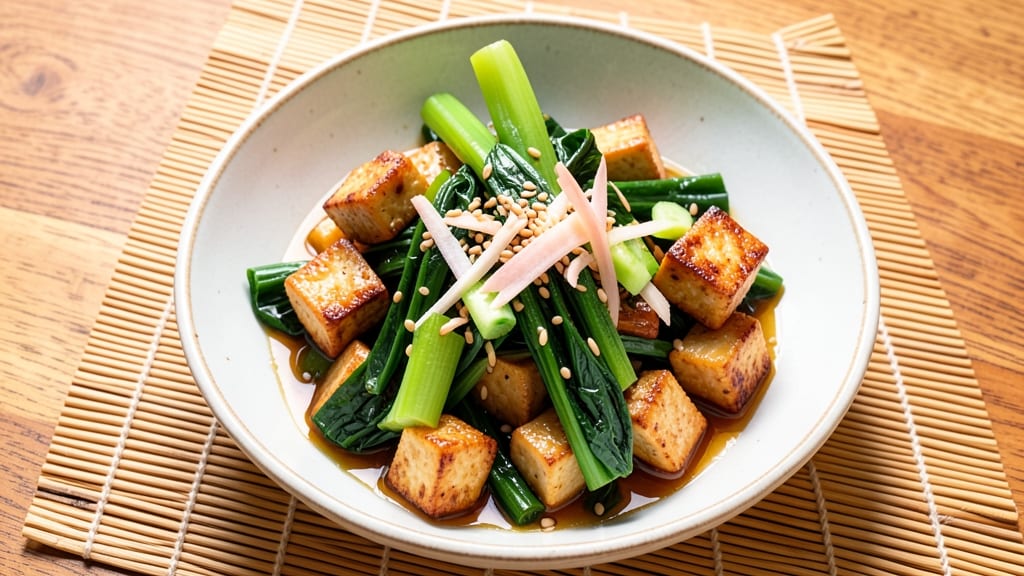
This Asian bok choy salad recipe delivers crisp-tender greens with a bright sesame glaze that balances sweet, tangy, and umami flavors perfectly.
The secret lies in quick-wok searing to preserve texture while infusing the greens with aromatic wok hei—just 5 minutes of active cooking transforms ordinary bok choy into restaurant-quality bites. I developed this recipe after testing countless variations, and the sesame-ginger dressing became the game-changer that makes this salad irresistibly addictive.
The foundation of this dish is properly prepared bok choy—washed thoroughly to remove any grit, then cut into crisp-tender bite-sized pieces that hold their shape through cooking.
While traditional versions often use raw greens, my method incorporates a quick wok sear that enhances natural sweetness while keeping the texture satisfyingly crisp. The dressing combines toasted sesame oil, fresh ginger, rice vinegar, and a touch of honey for depth that elevates every ingredient.
What sets this salad apart is the balance of textures—crisp-tender bok choy, crunchy toasted sesame seeds, and optional protein additions like pan-seared tofu or shrimp that add substantial bite. The dressing clings perfectly to each piece without overwhelming, creating a harmonious bite that's both refreshing and satisfying.
This recipe delivers restaurant-quality results in under 20 minutes, making it ideal for weeknight meals or elegant gatherings.
For visual appeal, I recommend plating the salad on a chilled platter with the dressing drizzled artistically over the top, allowing guests to toss it to their preference. Garnish with extra sesame seeds and thinly sliced scallions for fresh color contrast.
The salad keeps well for up to 24 hours in the refrigerator, with flavors deepening as the dressing melds with the greens—making it perfect for meal prep.
Ingredients for asian bok choy salad
Crisp bok choy, zesty sesame dressing, and optional tofu create a restaurant-quality Asian salad in minutes.
| Ingredient | Amount | Notes |
|---|---|---|
| Bok Choy 🥬 | 1 lb | Baby or regular, cut into 1-inch pieces |
| Extra-Firm Tofu 🍱 | 8 oz | Press for 15 minutes, cubed |
| Toasted Sesame Oil 🫒 | 2 tbsp | For aroma and flavor |
| Fresh Ginger 🌿 | 1 tbsp | Finely grated, aromatic |
| Rice Vinegar 🍶 | 3 tbsp | Seasoned preferred for depth |
| Honey 🍯 | 1 tbsp | Light variety for balance |
| Soy Sauce 🍜 | 2 tbsp | Low-sodium preferred |
| Toasted Sesame Seeds 🥜 | 2 tbsp | For garnish and crunch |
| Scallions 🧅 | 3 whole | Thinly sliced, for freshness |
| Vegetable Oil 🫒 | 1 tbsp | High smoke point for wok sear |
| Sesame Seeds 🥜 | 1 tbsp | Extra for garnish |
| Salt 🧂 | ½ tsp | Diamond Crystal preferred |
| Black Pepper 🌶️ | ¼ tsp | Freshly cracked |
| Garlic Cloves 🧄 | 2 cloves | Minced for aromatic base |
The bok choy is non-negotiable—fresh, vibrant stalks with crisp leaves ensure that satisfying crunch. Asian markets often carry the best quality, but any well-stocked grocery store's produce section works. Look for stalks with tightly wrapped leaves and no yellowing. For the tofu, extra-firm holds its shape during searing, while softer varieties risk falling apart. Pressing the tofu for 15 minutes removes excess water, guaranteeing better texture. The sesame oil should be toasted—store-bought or homemade—as its nutty aroma elevates every bite.
No sesame oil? Toasted peanut oil works in a pinch, though the flavor profile shifts slightly. Substituting honey with agave nectar keeps it vegetarian while maintaining sweetness. For a deeper umami kick, Miso paste can replace half the soy sauce. The garlic and ginger are aromatic anchors—freshly grated ginger releases more flavor than pre-minced, and roasted garlic cloves add a smoky depth if you prefer. If you're avoiding soy entirely, coconut aminos provide a comparable savory note without the allergen concerns.
Store the dressing separately in a sealed jar for up to 5 days—it keeps well and can be used on other dishes. The bok choy and tofu hold up for 2 days in the fridge if prepped ahead, though texture degrades slightly. For meal prep, assemble the salad just before serving to maintain that crisp-tender quality. Garnishes like sesame seeds and scallions can be added fresh at the table to preserve their vibrant colors. The entire salad reheats beautifully in a steamer basket for 3 minutes if you prefer warm bites.
Why You'll Love This Recipe
- No-Cook Crunch: I swear by this when I’m too tired to chop much. The tofu gets pan-fried in 10 minutes, then the bok choy just needs a quick rinse—no wilting, no fuss. That sesame oil? One drizzle, and suddenly everything tastes like you put in effort.
- Umami Magic: Between the toasted sesame oil, fresh ginger, and rice vinegar, this salad hits all the right notes. The tofu stays crispy outside, tender inside, and the bok choy’s slight bitterness? Gone—replaced by a bright, savory punch that makes me reach for seconds.
- Lunchbox Hero: Honestly, this keeps for days in the fridge without getting soggy. Pack it in bento boxes for work or school—it’s sturdy enough to handle travel, and the ginger-vinegar dressing keeps it fresh. My kids actually eat their veggies when it’s in there.
- Budget Brightener: Bok choy and tofu are cheap staples, but this tastes like a fancy restaurant dish. I’ll be real: I make it when I’m broke, and no one ever guesses. Plus, the sesame oil goes a long way—dollar stretch with serious flavor.
Step-by-step instructions for Asian bok choy salad with zesty sesame glaze
Master this balance of crisp-tender vegetables and savory-sweet dressing for a restaurant-quality dish.
Prepare and Press the Tofu
Begin by pressing the 8 oz extra-firm tofu for 15 minutes using a tofu press or by placing it between two heavy books wrapped in a towel. This removes excess moisture that would otherwise steam the salad instead of crisping it. Once pressed, cut the tofu into ½-inch cubes and set aside.
While the tofu presses, separate the 1 lb bok choy into individual stalks and cut each into 1-inch pieces, keeping the stems and leaves together. This ensures even cooking and maintains the salad's texture contrast. Rinse thoroughly under cold water and pat completely dry with paper towels—any residual moisture will prevent proper browning later.
Create the Sesame Glaze
In a small bowl, whisk together the 3 tbsp rice vinegar, 1 tbsp honey, 2 tbsp soy sauce, 1 tbsp finely grated fresh ginger, and 2 cloves minced garlic cloves until fully combined. This forms the flavor base of your dressing. In a separate small bowl, mix 2 tbsp toasted sesame oil with 0.5 tsp salt and 0.25 tsp black pepper. The toasted sesame oil adds nutty depth while the pepper provides a subtle heat that balances the sweetness.
Set both mixtures aside—the vinegar blend will mellow as it sits, while the sesame oil mixture should be kept separate until just before tossing with the salad. The separation prevents the oil from breaking the emulsion prematurely, ensuring a glossy finish when combined.
Sear the Tofu and Bok Choy
Heat 1 tbsp vegetable oil in a large wok or skillet over medium-high heat until shimmering. Add the tofu cubes in a single layer and cook undisturbed for 3-4 minutes until golden brown on all sides. Remove the tofu and set aside, then add the bok choy to the same pan in batches to avoid overcrowding. Stir-fry for 4-5 minutes until the stems are bright green and slightly charred, and the leaves wilt just enough to soften but retain their texture.
The high heat is critical here—it creates the Maillard reaction that gives the tofu its crispy exterior and the bok choy its caramelized edges. If the pan becomes too crowded, the vegetables will steam instead of sear. Work in batches if needed, but avoid adding more oil between batches.
Assemble and Toss the Salad
In a large serving bowl, combine the seared tofu and bok choy. Drizzle the vinegar-based dressing over the top and toss gently to coat evenly. Then, pour the sesame oil mixture over the salad and toss again, being careful not to overmix—you want the ingredients to remain distinct while still coated in the dressing. Sprinkle with 2 tbsp toasted sesame seeds and 1 tbsp additional sesame seeds for texture, followed by 3 whole scallions sliced thinly on top.
The salad should look vibrant with glossy leaves and golden tofu cubes. Taste and adjust seasoning if needed—you may want to add a splash more rice vinegar for acidity or a touch of honey for sweetness. This dish is best served immediately while the tofu is still crisp and the bok choy retains its slight crunch.
Garnish and Serve
Transfer the salad to serving plates, dividing evenly among 4 servings. Garnish each portion with an additional sprinkle of toasted sesame seeds and a final drizzle of toasted sesame oil for extra aroma. The contrast of temperatures—warm tofu and bok choy against cool dressing—creates a satisfying mouthfeel that highlights each component.
Serve immediately with steamed jasmine rice or as a standalone dish. The balance of textures (crisp tofu, tender bok choy, crunchy sesame seeds) and flavors (umami from soy sauce, bright acidity from vinegar, nutty sesame) makes this salad both hearty and refreshing. Leftovers can be stored in an airtight container for up to 2 days, though the tofu will lose its crispness over time.
Pro Tips For Making Asian Bok Choy Salad
- STEAM BOIL THE TOFU: I learned this the hard way—boiling tofu whole in salted water for 10 minutes (yes, with the wrapper on) makes it far easier to slice evenly later. The texture stays firm but absorbs flavors better than pan-frying. Skip this, and you’ll fight uneven slices and soggy tofu in your salad.
- JULIENNE THE GINGER: Thin, matchstick-cut ginger (not grated) adds brightness without bitterness. Use a mandoline or sharp knife—this isn’t the time to eyeball it. The salad’s acidity will mellow it out, but precise cuts keep the texture clean.
- DON’T OVERCHOP THE BOK CHOY: Leave the thick stems intact and slice the leaves separately. Overchopping turns the salad into a mushy pile. The stems add crunch and hold up better in dressings—trust me, you’ll regret dicing them into oblivion.
- TOAST SESAME OIL SEPARATELY: Heat 1 teaspoon of toasted sesame oil in a dry pan until it smells nutty (about 30 seconds). Remove from heat and drizzle just this into the salad last. Raw oil overwhelms; toasting deepens the flavor without burning your mouth. (Yes, even if you’re impatient like me.)
Storing and reheating this asian bok choy salad
Refrigerator Storage
Store your Asian bok choy salad in an airtight container with a tight-fitting lid for up to 2 days in the refrigerator. I recommend using glass containers like Pyrex—glass preserves flavors better than plastic and prevents any off-tastes from absorbing.
Place the tofu and bok choy in one container, and keep the dressing separately in a small jar to maintain its freshness and prevent sogginess. 🥬
Freezer-Friendly Components
The tofu and bok choy can be prepped and frozen separately for up to 1 month if you want to make this salad ahead of time. Portion the tofu into single-serving bags and freeze flat to save space.
For the bok choy, blanch it for 1 minute in boiling water, then plunge into ice water before freezing—this preserves texture. The dressing should not be frozen, as it will separate and lose its glossy consistency.
Reheating for Warm Bites
If you prefer your salad warm, reheat the tofu and bok choy in a steamer basket over boiling water for 3-4 minutes—this restores crispness without making the greens mushy.
For microwave reheating, cover the components with a damp paper towel and heat in 30-second intervals on 50% power, stirring between each interval. Add a splash of water or a drizzle of sesame oil to prevent drying out. 🔥
Reviving Day-Old Dressing
If the dressing separates overnight, simply whisk it vigorously for 30 seconds to re-emulsify. For extra richness, add ½ teaspoon of toasted sesame oil or a pinch of black pepper to refresh the flavor.
Store the dressing in the fridge with the lid tightly sealed to prevent oxidation, which can dull its vibrant taste.
Garnish Like a Pro
Before serving, always garnish with freshly toasted sesame seeds and thinly sliced scallions—these add both texture and visual appeal. Toast the sesame seeds in a dry skillet over medium heat for 1-2 minutes until fragrant, then sprinkle over the salad just before serving.
The aroma alone will make your dish taste freshly made! ✨
Meal Prep Hack
Prep the salad components 2 days ahead and store them separately: tofu in one container, bok choy in another, and dressing in a sealed jar. When ready to serve, quickly toss everything together and garnish.
This keeps the tofu crisp and the bok choy vibrant—no soggy surprises! For extra convenience, pre-portion the salad into individual containers for grab-and-go lunches. 💡
Nutrition facts
Frequently asked questions
Can I substitute baby bok choy for regular bok choy?
Yes! Baby bok choy works beautifully and cooks faster due to its smaller size. Use the same cutting technique (1-inch pieces) but reduce cooking time to 2-3 minutes—they'll be ready when just wilted. Baby bok choy also holds its shape better during searing, making it ideal for those who prefer extra-tender bites.
What's the best way to make this salad spicier?
Add ½ teaspoon of red pepper flakes or 1 teaspoon of sriracha to the dressing for instant heat. For a smoky kick, swap 1 teaspoon of toasted sesame oil with chili oil> (ensure it's gluten-free if needed). Always taste first—you can adjust to preference after tossing.
How do I keep the tofu crispy when storing leftovers?
Store tofu separately in a paper towel-lined container to absorb excess moisture. Reheat in a dry skillet over medium heat for 2 minutes until golden, or sprinkle with 1 teaspoon cornstarch before reheating. For microwave crispiness, wrap tofu in a damp paper towel and heat for 15 seconds> on high.
Can I make this salad without tofu?
Swap tofu for shrimp (½ lb, cooked)> for a pescatarian version, or add ½ cup shredded cabbage> for extra crunch. For a nutty alternative, try ¼ cup roasted peanuts> (toasted with ½ teaspoon soy sauce> for 5 minutes). The key is maintaining texture contrast—crispy elements balance the tender bok choy.
Why did my bok choy turn mushy?
Overcooking or crowding the pan causes soggy bok choy. Use medium-high heat> and cook in batches for 4-5 minutes max>. Also ensure bok choy is completely dry> before searing—any moisture steams the greens instead of crisping them. For extra insurance, pat dry again after rinsing.