
Sauces & Condiments
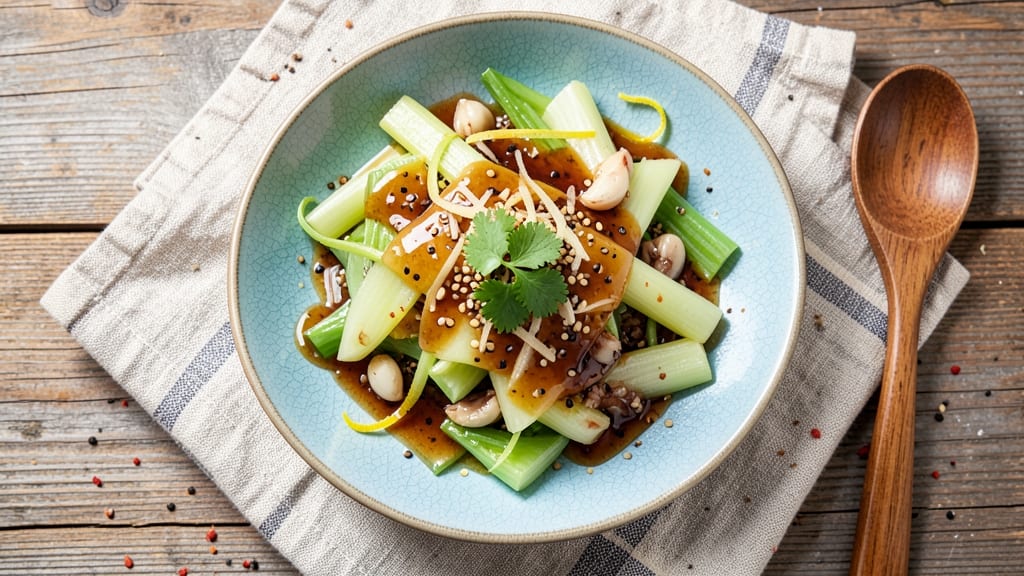
This umami-packed sesame ginger dressing transforms simple bok choy salads into vibrant, restaurant-worthy meals with just a few pantry staples. The secret lies in balancing salty sesame oil, bright ginger, and tangy rice vinegar—creating a dressing that clings perfectly to crisp greens while enhancing their natural sweetness.
What sets this recipe apart is its versatility—it works equally well with raw bok choy, quick-pickled versions, or even as a marinade for tofu or grilled chicken. The dressing keeps for up to 5 days in the fridge, making it ideal for meal prep without sacrificing freshness.
Each component plays a crucial role: toasted sesame seeds add crunch, fresh garlic brings depth, and a touch of honey or maple syrup balances the ginger's sharpness. The result is a smooth, glossy dressing that elevates any salad from ordinary to extraordinary.
Perfect for vegans, vegetarians, or anyone craving bold Asian-inspired flavors, this dressing is your new go-to for quick, healthy meals. Let’s make it!
Ingredients for bok choy salad dressing
Eight simple ingredients blend into a vibrant dressing that brings umami depth to bok choy salads.
| Ingredient | Amount | Notes |
|---|---|---|
| Toasted Sesame Oil 🫒 | ½ cup | High-quality, nutty flavor |
| Fresh Ginger 🌿 | ¼ cup | Finely grated, aromatic |
| Rice Vinegar 🍶 | ⅓ cup | Light, tangy variety |
| Sesame Seeds 🌰 | ¼ cup | Toasted lightly for crunch |
| Maple Syrup 🍁 | 2 tbsp | Pure, grade B preferred |
| Garlic Cloves 🧄 | 3 cloves | Minced, fresh for depth |
| Low-Sodium Soy Sauce 🍜 | 2 tbsp | For umami balance |
| Extra-Virgin Olive Oil 🫒 | ¼ cup | Smooth finish |
| Sesame Seeds 🌰 | 1 tbsp | Extra for garnish |
The sesame oil and seeds are the heart of this dressing—look for toasted varieties at Asian markets or bulk bins. Kikkoman or San-J sesame oil delivers that authentic nutty flavor. Fresh ginger is non-negotiable here; young, firm rhizomes (not woody) work best. For soy sauce, low-sodium options prevent over-salting the dressing. The maple syrup adds just enough sweetness to balance the ginger's sharpness—grade B has more complex flavor than pure maple syrup.
No sesame oil? Toasted peanut oil or avocado oil works in a pinch, though the flavor won't be identical. Substitute dried ginger at half the amount if fresh isn't available, but fresh is ideal. For vinegar, apple cider vinegar can replace rice vinegar, though it'll have a slightly different tang. The olive oil is optional but adds a smooth finish—skip it if you're watching calories. If you prefer a sweeter dressing, add an extra tablespoon of maple syrup. For extra crunch, lightly toast the sesame seeds in a dry pan before adding them to the dressing.
Store in an airtight container in the fridge for up to 5 days. The dressing thickens slightly when chilled—stir before using. For best texture, add the sesame seeds just before serving. This dressing doubles as a marinade for tofu or grilled veggies—use within 2 days if marinating proteins. Freezes for 3 months if stored in a sealed container. Garnish with extra sesame seeds and chopped scallions for presentation.
Why You'll Love This Recipe
- Five-Ingredient Magic: Honestly, I swear by this dressing because it’s that simple—just whisk together toasted sesame oil, grated ginger, rice vinegar, a drizzle of maple syrup, and sesame seeds. No blender, no straining, no fuss. I’ve made it while waiting for takeout to arrive, and it still comes out perfect every time.
- Umami Bomb: Between us, that first drop of toasted sesame oil into warm ginger and vinegar? Chef’s kiss. The maple syrup rounds out the sharpness, and the sesame seeds add this nutty crunch that makes it taste like you slaved over it for hours. (Spoiler: You didn’t.)
- Works Anywhere: I’ve tossed this with raw bok choy for a quick salad, drizzled it over steamed greens, and even used it as a marinade for tofu. It’s my go-to for lunches, potlucks, or when I’m too tired to think. The ginger keeps it bright, so it never feels heavy—just right.
Step-by-step instructions for bok choy salad dressing
This umami-packed dressing comes together in minutes with vibrant, balanced flavors.
Toast the Sesame Seeds for Nutty Depth
Heat a dry skillet over medium-low heat and add the 0.25 cup sesame seeds. Toast them for 2-3 minutes, stirring constantly, until they turn a rich golden brown and release an intoxicating aroma. You're looking for a deep nutty fragrance—not burnt—so keep a close eye on them. Remove from heat immediately and transfer to a small bowl to cool completely.
This step is crucial for building the dressing's complexity. Toasted sesame seeds add a satisfying crunch and their nutty flavor carries through the entire dressing. Let them cool completely before grinding, as any residual heat will affect the dressing's texture once combined.
Grate and Mince the Fresh Ingredients
Using a fine grater, grate the 0.25 cup fresh ginger into a small mixing bowl. In a separate bowl, finely mince the 3 cloves garlic using a sharp knife or microplane. I prefer using a microplane for garlic as it creates a smoother texture without the chunkiness of chopped pieces. Set both aside—they'll form the aromatic base of your dressing.
The freshness of these ingredients is what makes this dressing sing. If using pre-minced garlic, be sure it's fresh and not preserved in oil. For the ginger, grating it finely ensures it dissolves completely into the dressing rather than creating gritty texture. Both ingredients should be measured precisely to maintain the perfect balance of flavors.
Whisk Together the Wet Ingredients
In a medium bowl, combine the 0.5 cup toasted sesame oil, 0.33 cup rice vinegar, 2 tbsp maple syrup, 2 tbsp low-sodium soy sauce, and the freshly grated ginger and minced garlic. Using a whisk, combine thoroughly until all ingredients are fully incorporated and the mixture appears homogeneous. This should take about 1-2 minutes of consistent whisking.
The toasted sesame oil and rice vinegar form the dressing's base, while the maple syrup and soy sauce create the perfect balance of sweet and umami. Whisking thoroughly at this stage ensures all flavors are evenly distributed, preventing any clumping from the ginger or garlic. The mixture should be smooth with no visible streaks of oil.
Incorporate the Olive Oil and Adjust Consistency
Slowly drizzle in the 0.25 cup extra-virgin olive oil while whisking continuously. This gradual addition prevents the dressing from separating. Taste the mixture and adjust the balance as needed: Add a touch more rice vinegar for acidity, maple syrup for sweetness, or soy sauce for umami. The dressing should coat the back of a spoon with a silky, velvety texture.
This is where the dressing comes together. The olive oil adds richness and helps emulsify the mixture, creating that signature silky texture. If the dressing appears too thick, whisk in 1-2 teaspoons of warm water to reach your desired consistency. Conversely, if it's too thin, add a small amount of toasted sesame oil to thicken it slightly.
Finish with Toasted Sesame Seeds
Transfer the dressing to a clean jar or airtight container. Sprinkle the 1 tbsp toasted sesame seeds on top and seal tightly. Shake gently to distribute the seeds throughout the dressing before use. This dressing will keep in the refrigerator for up to 1 week, making it perfect for meal prep. Shake well before each use to re-emulsify any separated oils.
The toasted sesame seeds not only add a final nutty crunch but also serve as a visual indicator of the dressing's quality. Each shake before serving ensures you get that perfect balance of texture and flavor. For the best experience, serve this dressing immediately over fresh bok choy salad, where its vibrant flavors will truly shine.
Pro Tips For Making Bok Choy Salad Dressing
- GRATE GINGER FINE: I learned this the hard way—chunky ginger bits make the dressing taste uneven. Use a microplane and go for it; you want the texture to dissolve completely into the vinegar and syrup. No food processor here—it turns the dressing into a paste.
- WHISK IN STAGES: Start with the rice vinegar and maple syrup, then whisk in the toasted sesame oil last—just a drizzle at first. This keeps the dressing from breaking into a greasy mess. If it looks curdled, you’ve added too much oil too soon.
- TOAST SEEDS DRY: Skip the pan if you’re in a rush, but don’t skip toasting the sesame seeds. Toss them in a dry skillet over medium heat for 30 seconds until they smell nutty. Cold seeds just sit there like decorative confetti—no flavor payoff.
- BALANCE THE SWEET: Maple syrup is sneaky—too much and the dressing tastes like dessert. Start with 1 teaspoon, taste, then adjust. If it’s too cloying, add a splash of rice vinegar to cut through. You’re aiming for harmony, not a candy glaze.
Best sauces and condiments for bok choy salad dressing
Sesame-Ginger Marinade
This dressing doubles as an amazing marinade for tofu, shrimp, or chicken. Toss 8 oz firm tofu or ½ lb shrimp in ¼ cup dressing and let sit for 15-20 minutes before cooking.
The sesame oil tenderizes proteins while the ginger and garlic infuse bold flavor. For extra texture, add 1 tbsp cornstarch to the marinade before applying. 🌟
Pickled Bok Choy Dip
Use the dressing as a base for quick-pickled bok choy! Thin it with 2 tbsp water and toss with 1 cup shredded bok choy, 1 tbsp rice vinegar, and ½ tsp sugar.
Let sit for 10 minutes before serving. The tangy dressing enhances the bok choy's natural crunch, creating a refreshing side dish. Store leftovers in the fridge for up to 3 days.
Asian-Inspired Coleslaw
Combine the dressing with 3 cups shredded cabbage, ½ cup shredded carrots, and 2 tbsp chopped cilantro for a vibrant coleslaw. The sesame-ginger flavors cut through the cabbage's crispness beautifully.
For extra crunch, add 2 tbsp toasted peanuts or 1 tbsp crushed wonton strips. Serve chilled as a side to grilled meats or as a standalone dish. ✨
Garnish Ideas
Elevate your salad with these finishing touches: Sprinkle 1 tbsp chopped scallions or cilantro for freshness, add crushed red pepper flakes for heat, or drizzle with extra sesame oil for richness.
A sprinkle of toasted coconut flakes adds tropical notes. Garnishes should be added just before serving to preserve texture and flavor. 💫
Storage Tips
Store the dressing in an airtight container in the fridge for up to 1 week. The sesame seeds may separate—just shake before use. For longer storage, freeze the dressing (without seeds) in ice cube trays for up to 3 months.
Thaw overnight in the fridge before using. Always add seeds fresh to maintain crunch. ❄️
Flavor Variations
Sweet & Spicy: Add 1 tsp sriracha or ½ tsp chili flakes for heat. Creamy: Stir in 1 tbsp tahini for richness. Lighter: Replace sesame oil with avocado oil and reduce maple syrup to 1 tbsp. Each variation keeps the dressing's signature umami balance while offering new twists. 🔥
Nutrition facts
Frequently asked questions
Can I make this dressing without sesame oil?
For a similar nutty flavor, use toasted peanut oil or avocado oil in equal amounts. If you're avoiding all nut oils, try toasted coconut oil for a tropical twist. Just note the flavor will differ slightly from the original sesame profile.
How do I prevent the dressing from separating?
Separation happens when oil and liquid ingredients don't fully emulsify. To prevent this, whisk the dressing vigorously for 2-3 minutes after adding olive oil. For extra insurance, add 1 tsp xanthan gum or ½ tsp cornstarch to the wet ingredients before whisking. Always store it in an airtight container.
Is this dressing vegan?
Yes! All ingredients in this recipe are naturally vegan. The maple syrup and soy sauce are plant-based, and the sesame seeds are a complete protein. Just ensure your soy sauce is vegan (most are) and check maple syrup labels for potential honey cross-contamination if that's a concern.
Can I use this dressing on other vegetables besides bok choy?
This dressing works beautifully on shredded cabbage, green beans, carrot sticks, or even steamed broccoli. The sesame-ginger flavors complement the natural sweetness of many vegetables. For heartier veggies like Brussels sprouts, consider adding 1 tsp smoked paprika to the dressing for extra depth.
Why does my dressing taste too strong?
The most likely culprits are over-salting from soy sauce or too much ginger. Start by reducing the soy sauce to 1 tbsp and ginger to 1 tbsp grated. For balance, add 1 tsp honey or ½ tsp vanilla extract to mellow the flavors. Taste as you go—you can always adjust with more dressing rather than fixing an overly strong base.