
Sauces & Condiments
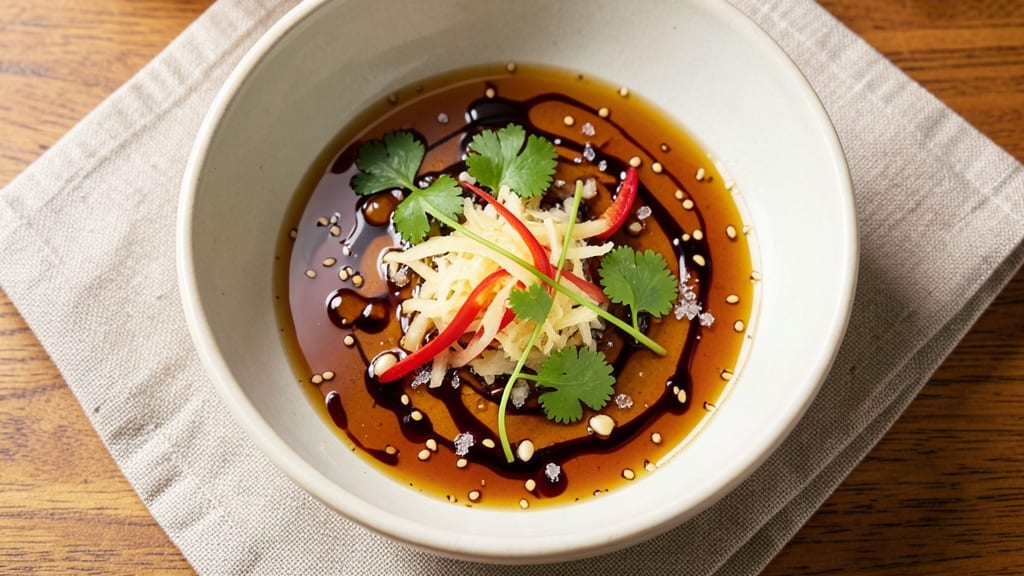
This Asian vinaigrette salad dressing recipe delivers a perfect balance of umami, tang, and subtle sweetness in just minutes—no fancy techniques required. The secret lies in the ratio of toasted sesame oil to rice vinegar, elevated by fresh ginger, garlic, and a touch of soy sauce for depth. I developed this version after years of testing store-bought dressings that always fell flat against Asian-inspired salads.
The dressing comes together with just five core ingredients, all measured precisely for consistency. Toasted sesame oil adds nutty richness, while rice vinegar provides the signature tang. Fresh ginger and garlic infuse warmth, and a splash of soy sauce ties everything together with umami complexity.
This version stays vibrant in the fridge for up to 10 days, making it perfect for meal prep.
What sets this dressing apart is its versatility—it elevates everything from simple greens to heartier Asian-inspired bowls. The balance of flavors works beautifully with cucumber, shredded cabbage, or even as a marinade for grilled proteins. Each component plays a specific role, ensuring the dressing enhances rather than overpowers your dish.
For best results, whisk all ingredients together thoroughly and let the dressing sit for at least 15 minutes before using. This allows the flavors to meld, creating a cohesive taste profile that's far more complex than store-bought alternatives.
The dressing maintains its quality for up to 10 days when stored properly, making it a pantry staple worth repeating.
Ingredients for asian vinaigrette salad dressing
Nine ingredients transform into a restaurant-quality dressing that elevates every Asian-inspired dish.
| Ingredient | Amount | Notes |
|---|---|---|
| Toasted Sesame Oil 🫒 | ¼ cup | High-quality, nutty aroma preferred |
| Rice Vinegar 🍶 | ½ cup | Seasoned variety adds depth |
| Fresh Ginger 🌿 | 1 ½ tbsp | Finely grated for zing |
| Garlic Cloves 🧄 | 3 cloves | Minced for aromatic punch |
| Soy Sauce 🍜 | 1 ½ tbsp | Light or dark variety works |
| Granulated Sugar 🍚 | 1 tbsp | Balances acidity perfectly |
| Water 💧 | ¼ cup | Thins for ideal consistency |
| Diamond Crystal Kosher Salt 🧂 | ½ tsp | Enhances all flavors |
| Black Pepper 🌶️ | ¼ tsp | Freshly cracked for heat |
The toasted sesame oil is non-negotiable—its nutty aroma is the heart of this dressing. Trader Joe's carries the best pre-toasted variety, but any high-quality sesame oil works. Fresh ginger and garlic should be vibrant, not woody or dried out. Whole Foods often has the freshest ginger root, but any grocery store's produce section will do. The rice vinegar should be seasoned—plain won't cut it here. For soy sauce, Kikkoman is my go-to, but any light or dark variety adds that umami magic. The sugar balances the acidity beautifully, so don't skip it.
No sesame oil? Avocado oil or walnut oil in a pinch, though the flavor will differ slightly. Fresh ginger too strong? Substitute with 1 tsp ginger powder—it's less potent but gets the job done. Garlic hating you? Garlic powder at half the amount works, but fresh is ideal. The water is key—this dressing should coat greens without being watery. Diamond Crystal kosher salt is my preference, but any fine sea salt works. The black pepper is optional but adds a subtle warmth that rounds out the flavors perfectly.
This dressing keeps beautifully in an airtight jar for up to 10 days in the fridge. The flavors actually meld and improve over time, so it's perfect for meal prep. For extra shelf life, add a thin layer of olive oil on top before sealing. The dressing works wonders on cucumber, shredded cabbage, or even grilled proteins—it's that versatile. Double the batch and store it in ice cube trays for single-serving portions.
Why You'll Love This Recipe
- Five-Ingredient Magic: I swear by this combo—just toasted sesame oil, rice vinegar, ginger, garlic, and soy sauce. No fancy gadgets, no stress, just a blender or whisk and you’re done. Honestly, I’ve made it while waiting for my pasta to boil.
- Umami Bomb: That first hit of garlic and ginger? Pure flavor payoff. The toasted sesame oil adds this nutty depth, while the soy sauce ties it all together—salty, tangy, and just right. I’ll be real: it’s the kind of dressing that makes you reach for seconds.
- Lunchbox Hero: This keeps beautifully for days, so I double the batch every Sunday. Drizzle it over prepped greens, toss it with cold noodles, or even use it as a marinade. My kids take it to school in little jars—no soggy salads here.
- Budget Brightener: Fresh ginger and garlic are cheap staples, and a little sesame oil goes a long way. I’ve used this to dress up store-bought lettuce or even stir-fried veggies. It’s my secret weapon for making simple meals feel special without breaking the bank.
Step-by-step instructions for Asian vinaigrette salad dressing
This umami-packed dressing comes together in minutes—bright, balanced, and bursting with flavor.
Grate and Mince Aromatics for Maximum Flavor
Start by finely grating the 1.5 tablespoons of fresh ginger using a microplane or fine grater. You want a paste-like consistency that will dissolve completely into the dressing. The finer the grating, the more evenly distributed the zingy flavor will be.
Next, mince the 3 cloves of garlic as finely as possible—this ensures they blend seamlessly without any noticeable texture. I like to use the flat side of my chef's knife to crush the cloves first, then finely chop them. The goal is to create a smooth, aromatic base that will infuse the entire dressing with its savory depth.
Combine Wet Ingredients for Perfect Balance
In a medium bowl, whisk together the 0.5 cup rice vinegar, 1.5 tablespoons soy sauce, and 1 tablespoon granulated sugar until the sugar dissolves completely. This step is crucial for creating the foundational balance of acidity, umami, and sweetness that defines this dressing. The sugar should dissolve within 30-45 seconds of whisking—if it doesn't, add a splash of warm water to help it along.
Add the grated ginger and minced garlic to the bowl and whisk vigorously for another 30 seconds. You'll notice the mixture will darken slightly as the garlic and ginger release their oils and flavors. This is where the magic happens—the aromatics meld with the vinegar and soy to create a complex, layered flavor profile that's far more interesting than any store-bought dressing.
Incorporate Oil and Water for Rich Texture
With the bowl still over the sink (just in case), slowly drizzle in the 0.25 cup toasted sesame oil while whisking continuously. This gradual addition creates an emulsified dressing rather than a separated one. The oil should be incorporated completely within 1 minute of whisking—you'll know it's working when the mixture becomes thick and glossy rather than streaky.
Add the 0.25 cup water and continue whisking for another 30 seconds to reach your desired consistency. The dressing should coat the back of a spoon but still be pourable. If it's too thick, add 1 teaspoon water at a time until it reaches the perfect drizzling consistency. If it's too thin, whisk in 1 teaspoon toasted sesame oil to thicken it back up.
Season and Taste for Perfect Harmony
Add the 0.5 teaspoon Diamond Crystal kosher salt and 0.25 teaspoon black pepper to the bowl and whisk to combine. Taste immediately—this is where you'll make any final adjustments. The dressing should have a bright tang from the vinegar, a subtle sweetness from the sugar, and a deep umami richness from the soy sauce and garlic.
If it needs more acidity, add 1 teaspoon rice vinegar. If it needs more sweetness, add ½ teaspoon granulated sugar. If it needs more umami punch, add ½ teaspoon soy sauce. Remember, you can always adjust the flavor, but you can't un-emulsify a broken dressing, so take your time with this step. The perfect balance should make your taste buds sing with every spoonful.
Rest and Store for Maximum Freshness
Cover the bowl with plastic wrap and let the dressing rest at room temperature for 10 minutes. This brief resting period allows all the flavors to fully meld together and the dressing to reach its optimal consistency. Don't skip this step—it makes a noticeable difference in the final product.
For best results, store the dressing in an airtight container in the refrigerator for up to 1 week. The flavors will continue to develop and deepen over time, making it even more delicious as you use it. Before each use, give it a good shake or whisk to re-emulsify any separated oil. This dressing is incredibly versatile—use it on Asian-inspired salads, as a marinade, or even as a dipping sauce for spring rolls.
Pro Tips For Making Asian Vinaigrette Salad Dressing
- MINCE THAT GINGER: Fresh ginger loses its punch when it’s grated too finely or sits exposed—it turns to mush like overcooked rice. Use a microplane and grate it right before mixing, then immediately add it to the vinegar. (Yes, even if you’re impatient like me—ginger’s flavor drops fast once it’s exposed to air.)
- STIR, DON’T SHAKE: This isn’t a cocktail—aggressive shaking with toasted sesame oil will turn your dressing into a greasy mess. Instead, whisk the vinegar, soy sauce, and minced garlic first, then drizzle in the oil slowly while stirring with a fork. The emulsion will hold better, and you won’t end up with a sad, separated puddle.
- SALT THE GARLIC: Raw garlic cloves can taste bitter in dressings, especially when paired with soy sauce. Toss them in a pinch of salt (about ¼ teaspoon per 2 cloves) and let sit for 5 minutes before mincing. It mellows the harshness—trust me, I’ve tasted the unsalted version.
- SWAP FOR SESAME PASTE: Running out of toasted sesame oil? Swap in ½ teaspoon of tahini or sesame paste mixed with 1 teaspoon water—it’ll thicken the dressing and add depth without overpowering. (Just reduce the oil by ½ tablespoon to balance the richness.) I learned this after burning through a bottle of oil in one week.
Pro cooking tips for great asian vinaigrette salad dressing
Emulsify Like a Pro
The key to a silky, not-separated Asian vinaigrette is slow oil incorporation. I use a whisk (not a fork!) and add the ¼ cup toasted sesame oil in a thin, steady stream while whisking vigorously.
This creates tiny oil droplets that suspend evenly in the vinegar base. For extra insurance, I like to pre-mix the wet ingredients (vinegar, soy, sugar) first—they should be completely dissolved before adding oil. 💫
Ginger-Garlic Prep Matters
Fresh ginger and garlic make all the difference—finely grate the ginger using a microplane for maximum surface area and flavor extraction. For garlic, I crush the cloves first with the flat of my knife, then mince them into a paste.
This ensures no texture remains and the flavors distribute evenly. Pro tip: Let the grated ginger sit for 5 minutes before mixing—it softens and releases more aroma. 🌿
Adjust Consistency Precisely
This dressing should coat greens without being gluey. If it's too thick after adding water, whisk in 1 tsp toasted sesame oil at a time. Too thin? Add ½ tsp rice vinegar to tighten it up.
I test consistency by dripping a small amount onto a plate—it should spread slightly but still cling together. For meal prep, I divide the dressing into small jars (like 4-oz mason jars) so each portion can be whisked separately before use. ⚡
Flavor Layering Secret
The magic happens when you let the dressing rest for 10 minutes before using. This allows the ginger's heat to mellow slightly while the garlic's sharpness softens. I also find that the sugar and soy sauce flavors deepen during this time.
For extra complexity, I sometimes add ½ tsp sesame seeds to the final dressing—it adds a nutty crunch that elevates any salad. 💡
Storage Hacks for Freshness
Store your dressing in an airtight glass jar (plastic can absorb flavors) with a thin layer of neutral oil (like avocado oil) on top to prevent oxidation. Before each use, give it a good shake or whisk—any separation will re-emulsify completely.
For long-term storage, I freeze portions in ice cube trays, then transfer to a freezer bag. Thaw overnight in the fridge for perfect consistency. 🧊
Troubleshooting Common Issues
If your dressing separates after refrigeration, don't panic! Simply whisk in 1 tsp toasted sesame oil and 1 tsp water, then whisk vigorously for 30 seconds. The emulsion will reform beautifully. For a stronger garlic flavor, add an extra ½ clove (minced) to the dressing.
If it tastes too sweet, balance it with ½ tsp extra rice vinegar. Remember: you can always adjust, but you can't un-emulsify! 🔥
Nutrition facts
Frequently asked questions
Can I make this dressing without sesame oil?
Yes! For a similar nutty depth, substitute with avocado oil or walnut oil—though the flavor will differ slightly. If you're avoiding all nut-based oils, use light olive oil instead, but expect a milder taste. The key is to maintain the same ¼ cup total oil measurement for proper emulsification.
How do I fix a dressing that separated after refrigeration?
Whisk in 1 teaspoon toasted sesame oil and 1 teaspoon water, then whisk vigorously for 30 seconds. The emulsion will reform completely. For prevention, store with a thin layer of neutral oil (like avocado) on top or use smaller containers to minimize separation. Always shake or whisk before using!
What's the best way to store leftovers?
Keep in an airtight glass jar in the fridge for up to 10 days. For longer storage, freeze in ice cube trays (thaw overnight in the fridge). Add a thin oil layer on top before sealing to preserve freshness. Glass containers prevent flavor absorption better than plastic.
Can I use this dressing on non-salad dishes?
It works beautifully as a marinade for grilled proteins (like chicken or tofu) or as a dipping sauce for spring rolls. The balance of flavors also makes it perfect for drizzling over steamed vegetables or cold noodle dishes. Just adjust the amount—use 1-2 tablespoons for dipping and ¼ cup for marinating.
Why does my dressing taste too sweet or sour?
Adjust with ½ teaspoon rice vinegar for extra tang or ½ teaspoon sugar to balance acidity. For deeper umami, add ½ teaspoon soy sauce. Taste as you go—this dressing is designed to be easily tweaked! The 10-minute rest helps flavors settle, so wait before final adjustments.