Salads
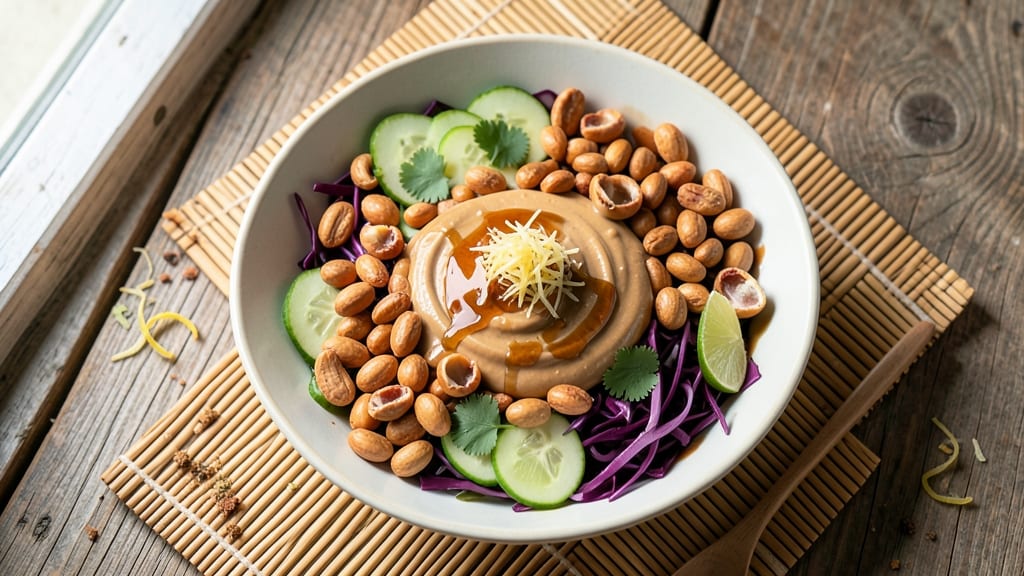
This Asian peanut salad recipe transforms simple ingredients into a vibrant, crunchy masterpiece that balances nutty richness with bright, tangy flavors. 🌟 The secret lies in a creamy peanut sauce infused with soy, lime, and ginger, while crisp vegetables and toasted peanuts add satisfying texture.
I developed this dish after years of perfecting the sauce-to-veggie ratio—it’s the kind of salad that disappears faster than you can say "second helping." What sets this recipe apart is its adaptability. The sauce works with fresh greens, shredded cabbage, or even as a dipping sauce for spring rolls.
For a vegan-friendly version, simply swap fish sauce for coconut aminos and honey for maple syrup. The result? A dish that’s equally at home as a light lunch or a bold side for grilled meats.
The magic happens in the sauce—where roasted peanuts blend with tangy lime juice and aromatic ginger to create a dressing that clings perfectly to every bite. Crisp shredded carrots, cucumber, and bell peppers add freshness, while cilantro and scallions bring a bright, herby finish.
It’s the kind of salad that feels restaurant-quality but comes together in under 20 minutes. Serve it chilled for a refreshing meal or at room temperature for deeper flavors. The possibilities are endless—whether you’re meal prepping for the week or hosting a dinner party. Let’s get started!
Ingredients for asian peanut salad
Peanut sauce meets fresh veggies in this vibrant, restaurant-quality salad with perfect nutty-tangy balance.
| Ingredient | Amount | Notes |
|---|---|---|
| Raw Peanuts 🥜 | 1 cup | Roasted for nutty depth |
| Natural Peanut Butter 🥜 | ½ cup | Creamy, unsweetened preferred |
| Fresh Lime Juice 🍋 | ¼ cup | Strained for smooth texture |
| Fresh Ginger 🌿 | 1 tbsp | Grate finely for zing |
| Soy Sauce 🍜 | ¼ cup | Low-sodium preferred |
| Honey 🍯 | 2 tbsp | Or maple syrup for vegan |
| Sesame Oil 🫒 | 1 tbsp | Toasted for aroma |
| Shredded Carrots 🥕 | 1 ½ cups | Julienned for crispness |
| English Cucumber 🥒 | 1 whole | Seedless, thinly sliced |
| Red Bell Pepper 🌶️ | ½ whole | Thinly sliced, seeds removed |
| Fresh Cilantro 🌿 | ¼ cup | Chopped, stems removed |
| Green Onions 🧅 | 3 whole | Thinly sliced, white parts trimmed |
| Extra-Virgin Olive Oil 🫒 | 1 tbsp | For crisping vegetables |
| Sesame Seeds 🌾 | 1 tbsp | Toasted for garnish |
| Salt 🧂 | ½ tsp | Kosher or sea salt |
The peanuts are the heart of this salad—raw, unsalted peanuts toasted until golden give the best flavor. Costco or bulk bins usually have the best prices for large quantities. For the peanut butter, natural, unsweetened is key—it has no added oils or sugars that can throw off the balance. If you can't find natural peanut butter, creamy peanut butter with no added sugar works too. The ginger should be fresh and vibrant—look for firm, smooth roots with no soft spots. If you're prepping ahead, grate the ginger and store it in an airtight container in the fridge for up to 3 days.
No soy sauce? Coconut aminos work perfectly for a vegan version. Running out of honey? Maple syrup or agave keeps it sweet without overpowering. The sesame oil adds depth—toast it lightly in a dry pan before using to bring out its nutty aroma. For the vegetables, pre-shredded carrots are convenient but lose crispness fast, so fresh is better. If you're short on time, baby carrots work in a pinch. The bell pepper can be any color—red, yellow, or orange—but make sure it's firm and free of blemishes. The cucumber should be crisp; if it feels soft, skip it and use extra carrots or shredded cabbage instead.
This salad keeps beautifully for 3 days in the fridge, but the peanuts and cucumber lose crispness over time. Store the sauce and vegetables separately—mix just before serving for the best texture. For meal prep, portion the sauce into small containers and keep the veggies in a separate container with a paper towel to absorb moisture. If you're making this ahead for a party, assemble it 1-2 hours before serving so the flavors meld. The sesame seeds should be toasted fresh before garnishing—heat them in a dry skillet for 30 seconds until fragrant. Leftovers? The sauce makes a great dip for spring rolls or grilled meats.
Why You'll Love This Recipe
- I swear by this trick: just toss raw peanuts into a hot pan for 3 minutes—they toast up perfectly without any chopping. The ginger? Grate it fresh, but even that’s just a few seconds with a microplane.
- No-Chop Needed: I swear by this trick: just toss raw peanuts into a hot pan for 3 minutes—they toast up perfectly without any chopping. The ginger? Grate it fresh, but even that’s just a few seconds with a microplane.
- Tangy-Creamy Magic: That lime juice cuts through the richness of the peanut butter like a breeze, while the soy sauce adds this je ne sais quoi depth. Honestly, the first bite makes you wonder why you ever ate store-bought salad dressing.
- Lunchbox Hero: Pack it in jars for work—it stays fresh for days, and the crunch never disappears. My kids actually eat their veggies when it’s mixed with shredded carrots and cucumber. (Yes, even on a Tuesday.)
Step-by-step instructions for Asian peanut salad
Here's how to balance nutty richness with bright, tangy flavors for a perfect Asian-inspired salad.
👨🍳 Step 1: Toast and Prepare the Peanuts
Preheat your oven to 350°F and spread the 1 cup raw peanuts evenly on a baking sheet. Toast for 8-10 minutes until they're fragrant and lightly golden. Let them cool completely before processing—this prevents the peanut butter from becoming greasy.
Once cool, transfer the peanuts to a food processor and pulse until they form a coarse powder. I like to leave some texture so the salad has that satisfying crunch. Set aside in a small bowl—you'll need this for both the dressing and garnish.
🍳 Step 2: Create the Signature Dressing
In a medium bowl, whisk together the 0.5 cup natural peanut butter, 0.25 cup soy sauce, 2 tbsp honey, and 1 tbsp sesame oil. The mixture will be thick—this is normal. Gradually whisk in the 0.25 cup fresh lime juice until smooth.
Add the 1 tbsp finely grated fresh ginger and 0.5 tsp salt, then whisk again. The dressing should be thick but pourable. If it's too stiff, add 1-2 teaspoons warm water to reach your desired consistency. Taste and adjust seasoning—you want a balance of sweet, salty, and tangy.
🥘 Step 3: Prep and Crisp the Vegetables
In a large bowl, combine the 1.5 cups shredded carrots, 1 whole English cucumber (thinly sliced), and 0.5 whole red bell pepper (thinly sliced). Sprinkle with 1 tbsp extra-virgin olive oil and toss gently to coat.
For extra crunch, heat a dry skillet over medium heat and quickly sear the vegetables for 1-2 minutes until just tender but still crisp. Immediately transfer to an ice bath to stop cooking—this preserves their crunch. Drain well before adding to the salad.
🥘 Step 4: Assemble and Garnish the Salad
In a large serving bowl, combine the dressed vegetables with the 0.25 cup chopped fresh cilantro and 3 whole green onions (thinly sliced). Drizzle the peanut dressing over the top and toss gently to coat everything evenly. The salad should look vibrant with a glossy sheen from the dressing.
For the final touch, sprinkle with the reserved toasted peanut powder and 1 tbsp toasted sesame seeds. Serve immediately while the vegetables are still crisp. The contrast of warm peanuts, cool vegetables, and tangy dressing makes every bite exciting.
Pro Tips For Making Asian Peanut Salad
- TOAST PEANUTS LOW: Skip the high-heat blitz that turns peanuts into bitter dust. Roast them at 325°F (160°C) for 8-10 minutes, stirring once, until they’re fragrant and just starting to brown—this deepens their flavor without burning.
- GRATE GINGER FINE: No microplane? Use the smallest holes on a box grater, then press the shreds through a sieve to catch the fibrous bits. Fresh ginger should taste sharp and bright, not like wallpaper paste.
- WHISK PEANUT BUTTER: If your peanut butter’s thick, microwave it for 10 seconds first. Then whisk it with the lime juice and soy sauce—this emulsifies the sauce better than just stirring, giving you a smoother, silkier dressing.
- SALT THE PEANUTS: Toss the toasted peanuts with a pinch of flaky salt (½ tsp) right after roasting. It cuts through the richness and makes the whole salad taste more balanced—don’t skip this, even if the recipe doesn’t mention it.
Storing and reheating this recipe
Fridge Storage Secrets
Store the peanut sauce and vegetables separately in airtight containers to maintain crispness and prevent sogginess. The sauce keeps well for 3 days in the fridge—its rich peanut base resists spoilage better than most dressings.
I use glass containers (like Pyrex) because they preserve flavors longer than plastic. For the vegetables, wrap them in a damp paper towel to absorb excess moisture, which helps them stay crunchy. 🥪
Freezer-Friendly Sauce
If you're prepping ahead for a week, freeze the peanut sauce in ice cube trays—this makes it easy to thaw just what you need. Once frozen, transfer cubes to a ziplock bag and store for up to 3 months.
When ready to use, thaw overnight in the fridge and whisk to restore smoothness. The sauce thickens slightly after freezing, so add 1 tsp warm water per cube to reach your preferred consistency.
Reviving Crispness
When reheating the vegetables, avoid microwaving—they’ll turn mushy. Instead, toss them with 1 tsp sesame oil and warm in a dry skillet over medium heat for 1-2 minutes until just heated through.
For extra crunch, sprinkle with toasted sesame seeds right before serving. I also like adding chilled cucumber slices last minute to restore freshness. 🌿
Meal Prep Timeline
For maximum freshness, assemble the salad 1-2 hours before serving—this lets flavors meld without sacrificing texture. Store components separately: sauce in one container, veggies in another with a paper towel. When ready to eat, toss everything together and garnish with toasted peanut powder for that fresh-from-the-oven crunch.
Pro tip: Keep the sesame seeds separate until serving to prevent them from sticking to the dressing.
Leftovers Reinvented
Turn leftover peanut sauce into a dipping sauce for spring rolls or grilled chicken skewers. The extra veggies make a great addition to grain bowls—just toss with cooked quinoa and a fried egg.
For a quick lunch, spread the sauce on toasted baguette slices and top with sliced avocado. The versatility of this salad’s components means minimal waste and maximum flavor in new forms. 🍽️
Nutrition facts
Frequently asked questions
Can I make this salad without peanuts?
For a nut-free version, swap the peanuts with toasted pumpkin seeds or crushed sunflower seeds in equal amounts. The texture will be slightly different but still provide that satisfying crunch. Just reduce the peanut butter to 0.25 cup and add 1 tbsp tahini to maintain richness.
How do I adjust the spice level?
The recipe is mild, but you can add heat by mixing in 1 tsp sriracha or 0.5 tsp chili flakes with the dressing. For a smoky kick, add 0.5 tsp smoked paprika to the sauce. If you prefer less spice, simply omit the ginger or reduce it to 0.5 tbsp—it's the most flavorful ingredient!
What's the best way to store leftover dressing?
Transfer the dressing to an airtight container and store it in the fridge for up to 5 days. It may thicken slightly—just whisk in 1-2 tsp warm water to restore smoothness. For longer storage, freeze it in ice cube trays for up to 3 months. Thaw overnight in the fridge before using.
Can I use this dressing on other dishes?
This versatile sauce works beautifully as a dipping sauce for spring rolls, grilled chicken, or veggie sticks. It also elevates grain bowls—just toss with cooked quinoa or rice. For a quick sandwich spread, mix with Greek yogurt and use on toasted baguette slices. The possibilities are endless!
Why did my salad turn soggy?
Sogginess usually happens when vegetables sit too long in dressing or moisture. To prevent this, store components separately in airtight containers and toss them together right before serving. For extra crunch, pat vegetables dry with a paper towel before adding the dressing. If it's already soggy, sprinkle with toasted sesame seeds and serve immediately.