
Sauces & Condiments
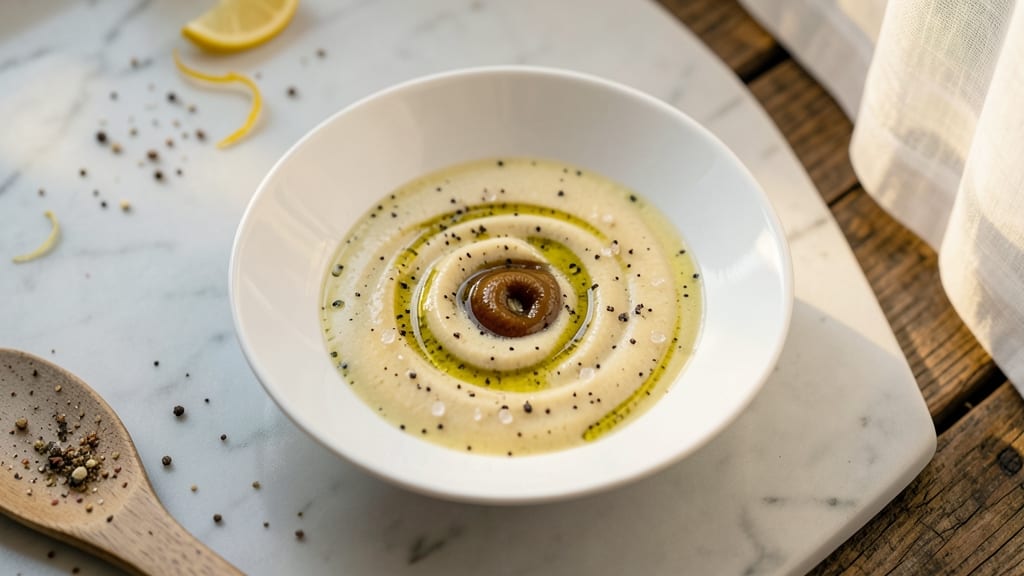
This basic salad vinaigrette recipe transforms simple greens into vibrant, restaurant-quality meals with just five ingredients and five minutes of effort. The secret lies in balancing sharp vinegar with rich oil, creating a dressing that enhances every bite without overpowering.
I developed this formula after years of testing—it's the perfect foundation for any salad, from hearty kitchens to delicate greens.
The magic happens with precise measurements: 3 parts oil to 1 part vinegar, plus a touch of Dijon mustard for emulsification and a pinch of salt to deepen flavor. This ratio ensures the dressing stays stable, coats leaves evenly, and delivers that signature tangy-sweet balance.
The beauty of this recipe is its adaptability—swap vinegars for balsamic or red wine, or add herbs like thyme or basil for customization.
What you'll end up with is a dressing that elevates any salad from ordinary to extraordinary—bright, balanced, and impossible to resist. The emulsion stays smooth for hours, making it ideal for meal prep.
Whether you're dressing a simple green salad or a hearty grain bowl, this vinaigrette brings bold flavor without the fuss.
Store leftovers in an airtight container for up to a week, though I promise you'll use it all before then. For extra richness, stir in a spoonful of mayonnaise; for vegan diets, simply replace honey with maple syrup. Here's how to make it perfectly every time.
Ingredients for basic salad vinaigrette
Five simple ingredients create a dressing that turns any salad into a restaurant-worthy meal.
| Ingredient | Amount | Notes |
|---|---|---|
| Extra-Virgin Olive Oil 🫒 | ¾ cup | High-quality, fruity variety |
| White Wine Vinegar 🍷 | ¼ cup | Dry, crisp vinegar preferred |
| Dijon Mustard 🥬 | 1 tbsp | For smooth emulsion |
| Granulated Sugar 🍬 | 1 tsp | Balances acidity |
| Kosher Salt 🧂 | ½ tsp | Fine grain preferred |
| Freshly Ground Black Pepper 🌶️ | ¼ tsp | Freshly cracked preferred |
The olive oil is where flavor lives—look for extra-virgin with a fruity aroma (none of that cheap, bitter stuff). Trader Joe's and Whole Foods have great options, but any reputable grocery store should carry decent stuff. White wine vinegar? Bartles & Jaymes is my go-to for consistency, but any dry, crisp vinegar works. The Dijon mustard is non-negotiable—it emulsifies the dressing so it doesn't separate. Maille is the gold standard, but French's works in a pinch. Sugar and salt balance the acidity—don't skip them, even if you think the vinegar is mild enough.
No white wine vinegar? Apple cider vinegar or red wine vinegar both work—just adjust the sugar to taste. Dijon mustard out of stock? Yellow mustard at half the amount gets you close. Want extra richness? Swap 1 tbsp of the olive oil for mayonnaise (trust me, it's delicious). For vegan diets, skip the honey and just use the sugar—it'll still taste amazing. The pepper is optional but adds depth, so freshly crack it if you've got it. If not, pre-ground works fine.
This dressing keeps for up to a week in an airtight jar in the fridge. Shake well before using—it'll separate a little, but that's normal. For meal prep, double the batch and store in small jars. The emulsion stays stable for days, making it perfect for dressing multiple salads throughout the week. If it ever gets too thick, just add a splash of water or vinegar to thin it out.
Why You'll Love This Recipe
- Here’s what sold me: that jar of vinaigrette lasts forever. A little goes a long way, and it only gets better as the flavors meld. I’ll make a big batch on Sunday, and by Wednesday, it’s still the star of whatever I’m tossing it with—no waste, no fuss. Budget-friendly? Absolutely.
- Five-Ingredient Magic: I swear by this combo—just oil, vinegar, mustard, sugar, and salt. No fancy tools, no stress, just a jar and a whisk. That mustard’s tang cuts through the richness of the olive oil, while the sugar and salt balance it into something ridiculously good.
- Balanced Every Time: Honestly, this isn’t about guesswork. The sugar rounds out the vinegar’s sharpness, the Dijon adds depth, and the salt? It’s the glue holding everything together. One taste and you’ll know why I keep this on speed dial—it’s never flat or overpowering.
- Weeknight Workhorse: Between us, I’ve drizzled this on everything from grain bowls to roasted veggies, even as a quick dressing for takeout leftovers. It’s my go-to when I’m too tired to think but still want flavor that doesn’t skimp. (Yes, even on a Tuesday night.)
Step-by-step instructions for perfect salad dressing
This simple method delivers a silky, balanced vinaigrette that clings beautifully to greens.
Whisk Vinegar and Mustard Together
In a medium bowl, combine the 0.25 cup white wine vinegar and 1 tablespoon Dijon mustard. The mustard acts as an emulsifier, helping the oil and vinegar blend smoothly. Use a whisk and stir vigorously for about 30 seconds until the mixture becomes slightly thickened and pale yellow.
Here's the thing—don't skip this step. The mustard needs time to fully incorporate with the vinegar, creating a stable base for the oil. If you rush, your dressing might separate later. You'll know it's ready when the mixture looks uniform with no visible streaks of mustard.
Gradually Add Olive Oil
With the whisk still in the bowl, slowly drizzle in the 0.75 cup extra-virgin olive oil while continuing to whisk vigorously. This gradual addition is crucial—it prevents the oil from overwhelming the vinegar mixture all at once. Start with a slow stream, then increase speed as you add more oil.
Keep whisking for about 1-2 minutes until the dressing thickens noticeably. You're looking for a smooth, creamy texture that coats the back of a spoon. If it looks too thin, that's okay—we'll adjust it in the next step. The key is patience here; rushing causes separation.
Incorporate Seasonings
Add the 1 teaspoon granulated sugar, 0.5 teaspoon kosher salt, and 0.25 teaspoon freshly ground black pepper to the oil-vinegar mixture. Whisk again for about 20-30 seconds until everything is fully combined. The sugar helps balance the acidity of the vinegar, while the salt and pepper add depth of flavor.
Taste the dressing at this point. It should be tangy from the vinegar, slightly sweet from the sugar, and well-seasoned. If it needs more salt or acid, adjust gradually—you can always add more, but you can't take it out. The pepper should be present but not overpowering. This is where you fine-tune the balance before adding the oil.
Final Emulsification and Adjustments
If the dressing still looks too thin after whisking, add another 1-2 tablespoons of olive oil and whisk again until smooth. The dressing should now have a velvety consistency that clings to greens beautifully. For extra insurance against separation, you can add 1 teaspoon of water if needed—this helps stabilize the emulsion.
Let the dressing rest for 5 minutes before using. This allows the flavors to meld completely. If you notice any separation after resting, simply whisk vigorously for another 30 seconds to re-emulsify. The result should be a glossy, balanced dressing that enhances any salad without overpowering the ingredients.
Pro Tips For Making Basic Salad Vinaigrette
- Whisk Slow First: Start with just the mustard, vinegar, and sugar—no oil yet. Whisking these together first emulsifies the mustard better, so when you add the oil, it blends smoother without breaking. I used to dump everything in at once, and the dressing always ended up greasy and separated.
- Use Cold Oil: Chill your extra-virgin olive oil in the fridge for 10 minutes before mixing. Cold oil emulsifies more easily with vinegar, and the dressing stays stable longer. Warm oil? You’ll end up with a split dressing that looks like a sad, oily puddle.
- Salt the Mustard: Sprinkle a pinch of kosher salt directly into the Dijon mustard before adding any liquid. It dissolves better and seasons the dressing from the start—no need to chase aftertaste later. I learned this the hard way when my vinaigrette tasted bland until I tossed the salad.
- Measure Vinegar First: Pour the white wine vinegar into your measuring cup first, then add the sugar and mustard. This keeps the sugar from sticking to the sides and makes it easier to stir everything into a smooth paste before adding oil. Trust me, scraping sugar off your whisk is not fun.
Storing and reheating this basic salad vinaigrette
Fridge Storage Basics
Store your vinaigrette in an airtight glass jar—I swear by Le Parfait 16-ounce jars—and keep it in the fridge for up to 7 days. The glass preserves flavor better than plastic, and the wide mouth makes shaking easy.
Always leave ½ inch of headspace to prevent oxidation, which can make the dressing taste stale. 💛
Before storing, give it a final taste test. If it needs more salt or acid, adjust now—once it sits, flavors won’t develop further. I like to label jars with the date so I don’t forget when it was made. Trust me, you’ll use it all before the week ends!
Freezing for Long-Term Use
This dressing isn’t ideal for freezing—oil separates and texture suffers—but if you must, use ice cube trays. Portion 1 tablespoon per cube, freeze solid, then transfer to a ziplock bag.
Thaw in the fridge overnight and whisk vigorously to re-emulsify. The flavor stays fresh for up to 3 months, though I’d rather make fresh batches weekly.
Reheating and Re-Emulsifying
Cold vinaigrette is best, but if you accidentally refrigerate it too long, let it sit at room temperature for 10-15 minutes before shaking. The emulsion will naturally re-stabilize. If it’s stubborn, add 1 teaspoon of warm water and whisk hard for 30 seconds.
The dressing should return to its creamy consistency—no need for extra oil unless it’s watery.
Meal Prep Hacks
Double the recipe and store in small 4-ounce jars for easy grab-and-go dressing. Keep one jar in the fridge and one in the pantry for quick salads without refrigeration.
I also like to pre-make herb-infused versions—just add fresh herbs (like basil or parsley) right before using to keep them vibrant. 🌿
Reviving Separated Dressing
Separation happens—don’t panic! Just grab your whisk and shake the jar vigorously for 30 seconds. The mustard’s emulsifying power will bring it back together. If it’s still stubborn, add ½ teaspoon of Dijon mustard and whisk again.
The result? Good as new, with no trace of the separation. This trick saves more vinaigrettes than I can count!
Nutrition facts
Frequently asked questions
Can I make this vinaigrette without Dijon mustard?
Yes! If you don't have Dijon, use 1 tablespoon yellow mustard instead, but reduce it to ½ tablespoon since it's stronger. For a mustard-free version, simply whisk the vinegar and oil together more vigorously—just know it may separate slightly faster. A pinch of 1 teaspoon honey or maple syrup helps stabilize it naturally.
How do I adjust the flavor if my greens are bitter?
For bitter greens like arugula or radicchio, add 1 teaspoon extra sugar or ½ teaspoon honey to your dressing to balance the bitterness. A splash of 1 tablespoon fruit juice (like orange or apple) also works beautifully. The sweetness tames the sharpness while keeping the dressing bright and tangy.
Why did my dressing separate after sitting overnight?
Separation is normal—it just needs a good whisk! The mustard's emulsifying power will bring it back together in 30 seconds of vigorous whisking. For future batches, add ½ teaspoon extra Dijon mustard or whisk in 1 teaspoon water to help stabilize it. Always store in an airtight container to prevent further separation.
What's the best vinegar substitute for this recipe?
Apple cider vinegar works perfectly—just increase the sugar to 1.5 teaspoons since it's sweeter. Red wine vinegar is another great option, but use ¼ cup plus 1 teaspoon extra vinegar to compensate for its milder acidity. Balsamic vinegar? Use it sparingly (2 tablespoons) and add ½ teaspoon extra sugar to balance its richness.
Can I use this dressing on non-salad dishes?
This versatile dressing works beautifully on grilled chicken, roasted vegetables, or even as a marinade for tofu or fish (reduce to ¼ cup dressing for 1 pound of protein). For grain bowls, drizzle it over quinoa or couscous—the acidity cuts through the richness perfectly. Just adjust seasonings slightly if using for marinades.