
Side Dishes
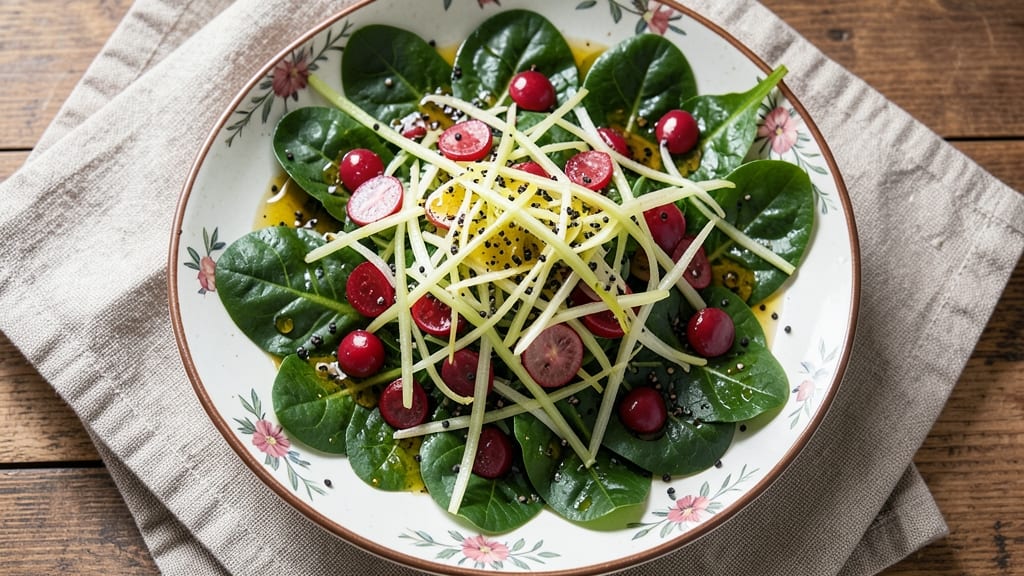
This beet leaf salad recipe transforms humble greens into a vibrant, earthy dish that steals every meal. 🌿 The secret lies in massaging the leaves to soften their natural bitterness while preserving their rich color, then balancing them with bright citrus and nutty poppy seeds for a flavor profile that's both sophisticated and approachable.
What sets this salad apart is the technique: gently wilting the leaves with lemon juice and olive oil creates a tender texture that holds up beautifully to dressing. The citrus-poppyseed vinaigrette adds layers of complexity—zesty, tangy, and slightly sweet—without overpowering the natural earthiness of the beets.
By the time you plate this salad, you'll have a dish that's visually striking with deep reds, vibrant greens, and golden seeds, while the flavors deliver a perfect harmony of fresh, tangy, and nutty notes. It's the kind of side that elevates any meal from ordinary to extraordinary.
The best part? This recipe comes together in just 15 minutes with ingredients you likely already have on hand. Whether you're serving it alongside roasted vegetables, grilled meats, or as a standalone vegan main, this beet leaf salad proves that simple ingredients can create something truly special.
Ingredients for beet leaf salad
Earthy greens meet bright citrus and nutty poppy seeds in this vibrant beet leaf salad.
| Ingredient | Amount | Notes |
|---|---|---|
| Beet Leaves 🌿 | 6 cups | Stems removed, roughly chopped |
| Extra-Virgin Olive Oil 🫒 | ¼ cup | High-quality, fruity variety |
| Fresh Lemon Juice 🍋 | 2 tbsp | Freshly squeezed preferred |
| Poppy Seeds 🌰 | 2 tbsp | Toasted for extra flavor |
| Red Wine Vinegar 🍷 | 1 tbsp | Dry variety preferred |
| Maple Syrup 🍁 | 1 tbsp | Pure, grade B preferred |
| Salt 🧂 | ½ tsp | Kosher or sea salt |
| Black Pepper 🌶️ | ¼ tsp | Freshly ground preferred |
| Cooked Beets 🍠 | 1 ½ cups | Diced, medium size pieces |
| Red Onion 🧅 | ¼ cup | Thinly sliced, for crunch |
| Fresh Parsley 🌿 | ¼ cup | Chopped, for garnish |
Beet leaves are the star here, so pick the freshest, most vibrant greens—avoid any with yellowing edges or wilted spots. Most grocery stores carry beet greens near the root vegetables, but farmers markets often have the freshest selection. Look for leaves that are deep green and crisp. If you can't find beet greens, swiss chard or spinach works in a pinch, though the flavor will differ slightly. The key is to handle them gently—they bruise easily. For the beets, roasted or steamed until tender is ideal; canned beets also work but have a slightly softer texture.
No poppy seeds? Toasted sesame seeds or sunflower seeds add a similar nutty crunch. Running short on maple syrup? Agave nectar or date syrup keeps it vegan while maintaining that subtle sweetness. The olive oil matters here—extra-virgin with fruity notes elevates the dressing. If you're using store-bought vinegar, Bragg or Annie's are solid choices, but fresh lemon juice is always better. For extra depth, add a pinch of smoked paprika to the dressing. And if you're prepping ahead, store the dressing separately until ready to toss—it keeps for 1 week in the fridge.
This salad tastes even better the next day as the flavors meld. Store the greens and beets in one container with a paper towel to absorb moisture, and keep the dressing separate. It keeps for 2-3 days in the fridge. For extra staying power, pack the dressing in a small jar and shake before using. The poppy seeds and parsley can be added fresh right before serving to keep them crisp. If you're prepping for a crowd, double the dressing and store it in a sealed container—it's ready to use straight from the fridge.
Why You'll Love This Recipe
- No Waste, All Flavor: I swear by this salad because it turns something I’d usually toss into something ridiculously good. Those beet leaves? They’re packed with earthy, slightly sweet depth—like spinach’s cooler, more sophisticated cousin—and the lemon and vinegar cut right through the richness.
- Toss-And-Go Freshness: Honestly, this is the kind of salad I make when I’m too busy to overthink it. A quick chop, a drizzle of olive oil, a squeeze of lemon, and those poppy seeds add a tiny crunch that makes it feel special—no fancy techniques required.
- Lunchbox Hero: Between us, this salad keeps perfectly for days in the fridge, and it’s my go-to for packed lunches. The dressing clings to the leaves just enough to stay fresh, and the poppy seeds keep it interesting—no sad wilted greens here.
- Budget Brightener: I buy beets for roasting, then use the leaves for this salad, and suddenly I’m getting twice the veggie bang for my buck. The red wine vinegar adds a bright tang that makes it taste like a restaurant salad, not just whatever’s on sale.
Step-by-step instructions for earthy greens with citrus-poppyseed zing
Transform humble beet leaves into a vibrant, nutrient-packed salad with bold flavors.
👨🍳 Step 1: Prepare the Beet Leaves and Diced Beets
Start by rinsing the 6 cups beet leaves thoroughly under cold water to remove any dirt or sand. Gently pat them dry with paper towels or a clean kitchen towel—you want them damp but not dripping. Remove any thick stems and tear the leaves into bite-sized pieces by hand. For the 1.5 cups cooked beets, dice them into medium-sized cubes—about ½-inch pieces work perfectly. This size ensures they're easy to eat but still hold their shape in the salad.
Here's the thing—beet leaves have a slightly earthy, almost spinach-like flavor, but they're more tender than kale. The key is handling them gently to avoid bruising, which can make them bitter. If you notice any yellowed or wilted leaves, remove them before using.
🥘 Step 2: Assemble the Dressing Ingredients
In a small bowl, whisk together the 0.25 cup extra-virgin olive oil, 2 tablespoons fresh lemon juice, 1 tablespoon red wine vinegar, and 1 tablespoon maple syrup. The lemon juice and vinegar will brighten the earthy flavors, while the maple syrup adds a touch of sweetness to balance the acidity. Season with 0.5 teaspoon salt and 0.25 teaspoon black pepper, then whisk until fully combined. The dressing should have a smooth, emulsified texture—if it separates, whisk vigorously for another 10-15 seconds to bring it back together.
I like to toast the 2 tablespoons poppy seeds in a dry skillet over medium heat for 1-2 minutes until they're fragrant and lightly golden. This adds a nutty depth to the salad. Let them cool slightly before adding to the dressing or sprinkling on top later.
🍳 Step 3: Combine Salad Components
In a large bowl, combine the prepared beet leaves, diced beets, and 0.25 cup thinly sliced red onion. The red onion adds a sharp crunch that cuts through the earthiness of the greens. Pour the dressing over the salad and toss gently with your hands or a large spoon. You want to coat the leaves evenly without tearing them—beet leaves are delicate, so go easy on the tossing.
Taste the salad before serving. The dressing should balance the flavors without overpowering them. If the leaves need more moisture, add 1-2 tablespoons of water and toss again. The goal is a salad that's vibrant, slightly tangy, and perfectly dressed.
🔪 Step 4: Garnish and Serve
Transfer the salad to serving plates or a large platter. Sprinkle the toasted poppy seeds evenly over the top, then scatter the 0.25 cup chopped fresh parsley for a pop of color and freshness. The parsley not only looks beautiful but also adds a bright, herbal note that complements the earthy flavors.
Serve immediately while the leaves are still crisp. This salad holds up well for 1-2 hours in the refrigerator if needed, but the texture is best when fresh. Pair it with grilled proteins or crusty bread for a complete meal that's as nutritious as it is delicious.
Pro Tips For Making Beet Leaf Salad
- STRIP THOSE STEMS: Remove beet stems before cooking—those fibrous bits turn bitter and ruin the texture. Just snap them off at the base where they meet the leaf, like breaking celery stalks. (Yes, even if it feels like overkill.)
- WILT IN STAGES: Start with high heat to crisp the edges, then lower it to finish wilting—this keeps the leaves tender without turning them to mush. I used to blast them on medium the whole time, and they’d end up soggy by the time the stems softened.
- SALT THE LEMON: Toss a pinch of salt into the lemon juice before mixing it in—it balances the acidity better and cuts through the earthy beet flavor. I skipped this once, and the dressing tasted sharp and one-dimensional.
- TOAST THE SEEDS: Poppy seeds need a quick dry toast in a skillet (just 30 seconds) before sprinkling—they’ll add nutty depth instead of just crunch. Raw seeds taste bland, and this step takes 30 seconds that’ll make a real difference. (Use a small pan, or they’ll burn before they toast.)
Regional styles of this recipe
Italian Garden Style
In Italy, beet leaf salad often takes center stage as a contorno (side dish) for pasta or grilled meats. The Italians focus on simple, bright flavors—think lemon zest instead of juice, garlic-infused olive oil, and toasted pine nuts replacing poppy seeds.
I love adding cherry tomatoes and shaved fennel for extra crunch and sweetness. The key is to massage the leaves with just 1 tablespoon olive oil and 1 teaspoon lemon juice to soften them without overpowering the natural taste.
Serve with a sprinkle of flaky sea salt and fresh basil for an authentic touch. 🌿
French Rustic Approach
French cuisine transforms beet leaves into a rustic salad with a mustardy twist. Use Dijon mustard (1 tablespoon) in the dressing along with walnut oil for depth. Add thinly sliced radishes and crumbled goat cheese (if not vegan) for a creamy contrast.
The French often wilt the leaves in a dry pan with a pinch of salt for 30 seconds before tossing with dressing. Garnish with chopped chives and a drizzle of balsamic glaze for a sophisticated finish. This version works beautifully as a standalone lunch with crusty baguette. 🥖
Middle Eastern Twist
In Middle Eastern cuisine, beet leaves shine in a harissa-spiced salad with sumac and pomegranate seeds. Start by massaging the leaves with 1 tablespoon harissa paste and 1 tablespoon tahini for a nutty, spicy kick.
The dressing becomes a tahini-lemon sauce with garlic, cumin, and a touch of honey (or maple syrup). Add diced cucumbers, red bell peppers, and toasted almonds for texture. Finish with pomegranate seeds and a sprinkle of sumac for tangy brightness.
This version pairs perfectly with grilled lamb or falafel. 🌶️
American South Comfort
The Southern U.S. embraces beet leaves in a sweet-and-smoky style, often served alongside fried chicken or barbecue. The dressing here includes apple cider vinegar, brown sugar, and a smoked paprika kick. Add crispy fried onions and diced apples for sweetness.
Some Southern cooks even braise the leaves lightly in the dressing for 5 minutes to soften them further. Garnish with chopped pecans and a drizzle of hot honey for a decadent touch. This hearty version is a crowd-pleaser at summer potlucks. 🍗
Japanese Minimalist
Japanese chefs prepare beet leaves in a light, umami-rich style with ponzu sauce and sesame. The dressing combines ponzu, sesame oil, and a touch of mirin for sweetness. Add thinly sliced scallions, toasted sesame seeds, and shredded nori for depth.
The Japanese often blanch the leaves for 20 seconds in boiling water to soften them before chilling in ice water. Serve with sushi rice or miso soup for a lighter, refreshing meal. This version highlights the natural sweetness of the beets without overpowering flavors. 🍣
Modern Fusion Twist
For a contemporary take, blend the dressing with avocado for creaminess and lime juice for brightness. Add toasted coconut flakes, diced mango, and cilantro for a tropical vibe. This fusion style works as a vegan main dish with quinoa or chickpeas for protein.
Garnish with lime zest and tajín for a zesty kick. It’s perfect for brunch or as a light lunch with grilled fish. The contrast of earthy beets and sweet mango creates a bold, unexpected flavor that’s both fresh and satisfying. 🌴
Nutrition facts
Frequently asked questions
Why do beet leaves need massaging?
Massaging beet leaves with olive oil and lemon juice softens their texture and reduces bitterness by breaking down tough fibers. This technique also helps the dressing cling better to the leaves, creating a more cohesive salad. Think of it like a quick "cooking" process that happens right in your bowl!
Can I use beet greens instead of beet leaves? Yes! Beet greens and beet leaves are essentially the same thing—just different names for the same vibrant green tops. The recipe works perfectly with either, as long as you're using the fresh, leafy portion (not the stems). Just
What if I don't have poppy seeds?
No problem! Swap them for toasted sesame seeds, sunflower seeds, or pine nuts for a similar nutty crunch. If you want a different texture, try crumbled feta (non-vegan) or toasted coconut flakes for a tropical twist. The key is adding something for texture and flavor contrast.
How do I store leftover beet leaf salad?
Store the salad components separately in airtight containers. Keep the greens and beets in one container with a paper towel to absorb moisture, and the dressing in another. It'll keep fresh for 2-3 days in the fridge. When ready to serve, just toss everything together and add any fresh garnishes like parsley or poppy seeds.
Can I make this salad ahead of time?
Prep the salad up to 1 day ahead by storing the dressed leaves and beets separately from the dressing. The flavors actually meld better overnight. Just before serving, give it a gentle toss and add any fresh garnishes. For the best texture, serve within 2 hours of final assembly.