
Sauces & Condiments
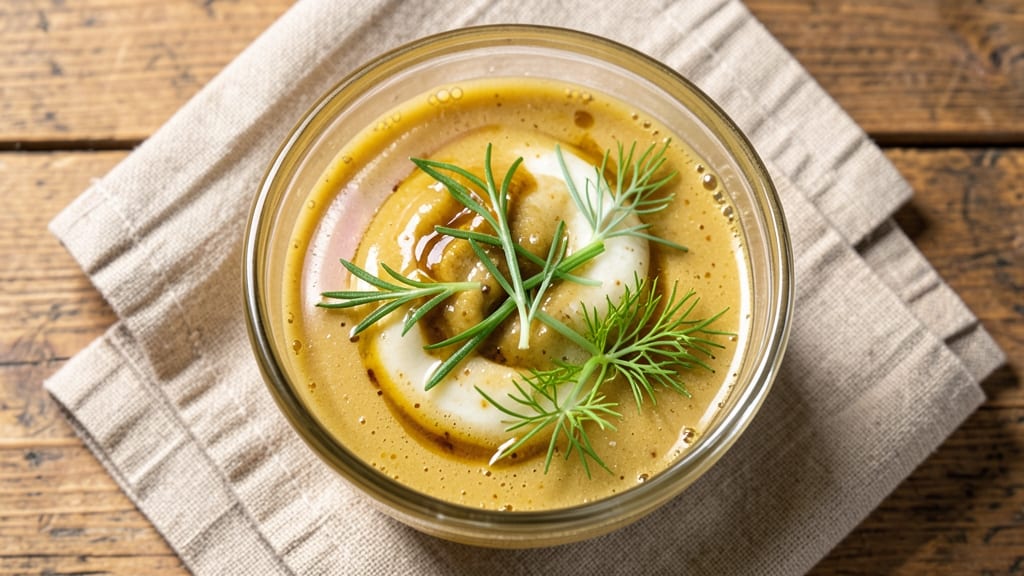
Betty Timko's salad dressing recipe delivers restaurant-quality herb vinaigrette using just six pantry staples and a whisk—no special equipment required. This versatile dressing transforms simple greens into vibrant, flavorful meals with its bright acidity and aromatic herb blend. The secret lies in balancing vinegar, oil, and fresh herbs to create a dressing that clings perfectly to every leaf.
What makes this recipe stand out is its simplicity and adaptability. With just olive oil, red wine vinegar, Dijon mustard, and a mix of fresh herbs, you can create a dressing that's bold enough for hearty salads but delicate enough for delicate greens.
The key technique is proper emulsification—whisking vigorously to combine the oil and vinegar for a smooth, silky texture that won't separate.
Once mixed, this dressing elevates any salad from ordinary to extraordinary, adding layers of flavor with its tangy, herby profile. It keeps well in the refrigerator for up to a week, making it perfect for meal prep or gifting.
Whether you're dressing a simple green salad or a hearty grain bowl, this herb vinaigrette brings a professional touch to every dish.
The beauty of this recipe is its versatility—adjust the herb blend to suit your taste or the season. For a richer dressing, add a touch of honey; for extra depth, stir in a pinch of garlic powder.
The possibilities are endless, but the foundation remains the same: bright, balanced, and always delicious.
Ingredients for betty timko salad dressing
Six simple ingredients transform ordinary salads into restaurant-quality meals with this classic herb vinaigrette.
| Ingredient | Amount | Notes |
|---|---|---|
| Extra-Virgin Olive Oil 🫒 | ¾ cup | High-quality, fruity variety preferred |
| Red Wine Vinegar 🍷 | ⅓ cup | Dry, robust flavor recommended |
| Dijon Mustard 🌶️ | 1 tbsp | Whole-grain preferred for texture |
| Fresh Tarragon Leaves 🌿 | ¼ cup | Finely chopped, stems removed |
| Fresh Chives 🌱 | 0.17 cup | Minced for even distribution |
| Fresh Dill 🌿 | 0.17 cup | Finely chopped, stems removed |
| Granulated Sugar 🍬 | 1 tsp | Balances acidity, optional |
| Kosher Salt 🧂 | ½ tsp | Fine grain preferred |
The olive oil is the foundation—look for extra-virgin with a fruity, peppery finish at stores like Whole Foods or Trader Joe's. Red wine vinegar should be dry and robust; Bragg or Annie's are reliable brands. Fresh herbs make all the difference—tarragon and dill give it that signature brightness, while chives add a subtle onion note. If you can't find fresh tarragon, dried works at one-third the amount, but the flavor won't be as vibrant. For Dijon mustard, Maille or Whole Foods brand are top choices—they have that perfect balance of tang and smoothness.
No tarragon? Substitute with equal parts fresh basil and parsley for a different but still delicious profile. Short on dill? Fresh parsley at double the amount mimics its mild, grassy note. The sugar and salt are optional but recommended—they round out the sharpness of the vinegar. For a richer dressing, add 1 tsp honey or maple syrup. If you prefer a garlic kick, mince 1 garlic clove and whisk it in. This dressing stays balanced even when adjusted, so don't be afraid to experiment with proportions.
Store in an airtight jar in the fridge for up to 1 week. The flavors meld beautifully overnight, so it actually tastes better the next day. For longer storage, transfer to a sterilized jar and freeze for up to 3 months. Shake well before each use, as the oil and vinegar will naturally separate. This dressing is perfect for meal prepping—double the batch and keep it on hand for quick, flavorful salads all week.
Why You'll Love This Recipe
- Here’s what sold me: this dressing improves with age. Make a big batch on Sunday, and by Thursday, it’s deeper, more complex—like a fine wine, but for salads. Plus, it’s stupidly budget-friendly; a little goes a long way, and those fresh herbs stretch across multiple meals. I’ll be real: my grocery bill dropped when I started relying on this instead of pre-made bottles.
- Five-Ingredient Magic: Honestly, this dressing is the kind of recipe that makes me feel like a genius—just olive oil, vinegar, mustard, and two herbs. No fancy gadgets, no measuring cups that require a magnifying glass, just a jar and a whisk. I’ve made it while waiting for pasta to boil, during commercial breaks, and even once while my dog sat judgmentally on my feet.
- Tarragon-Kissed Brightness: That fresh tarragon? It’s the star. The anise-like punch cuts through the richness of the olive oil, while the chives add a delicate, oniony whisper. Between us, I’ve tried store-bought dressings that cost twice as much—none hit this crisp, herbal high note. It’s the kind of flavor that makes you pause mid-bite and think, “Wait, did I just make this?”
- Weeknight to Potluck: I keep a jar of this in my fridge for everything—tossed with greens for a quick lunch, drizzled over grilled chicken, or even stirred into cold pasta. Honestly, it’s my go-to for when I’m hosting and need something that says “I put in effort” without actually slaving away. And yes, even on a Tuesday night when I’m too tired to think.
Step-by-step instructions for betty Timko's herb-vinaigrette
This classic herb vinaigrette comes together in minutes with simple technique.
Whisk Together the Base Ingredients
In a medium bowl, combine the 0.33 cup red wine vinegar, 1 tablespoon Dijon mustard, 1 teaspoon granulated sugar, and ½ teaspoon kosher salt. Use a whisk to blend these ingredients thoroughly until the sugar and salt dissolve completely. This step creates the foundational tang and balance that makes the dressing work.
The Dijon mustard acts as an emulsifier, helping to bind the oil and vinegar later. If you notice the sugar isn't dissolving fully, give it a few extra strokes with the whisk. This mixture should be smooth and uniform before adding any other ingredients.
Finely Chop the Fresh Herbs
While the base mixture sits, finely chop the 0.25 cup fresh tarragon leaves, 0.17 cup fresh chives, and 0.17 cup fresh dill. Remove and discard any thick stems from the herbs. For the tarragon, I like to chop it slightly finer than the chives and dill to ensure even distribution throughout the dressing.
Fresh herbs add vibrant flavor and texture to the dressing. If you're using particularly fibrous herbs, give them an extra minute of chopping. The goal is to have all the herbs in small, even pieces so they disperse smoothly when whisked into the dressing.
Gradually Incorporate the Olive Oil
With the herbs chopped and ready, slowly drizzle in the 0.75 cup extra-virgin olive oil while whisking continuously. Start with a slow stream and gradually increase the pace as you add more oil. This gradual approach is crucial—it allows the dressing to emulsify properly without separating.
Keep whisking for about 1-2 minutes after all the oil is added. The dressing should thicken slightly and become creamy in texture. If you notice any separation, simply whisk vigorously for another 30 seconds to re-emulsify. The final consistency should be smooth and well-blended, with no visible streaks of oil.
Taste and Adjust the Seasoning
Taste the dressing immediately after whisking. At this point, it should have a bright, herby flavor with a balanced tang from the vinegar. If the dressing tastes too sharp, add a pinch more of the granulated sugar or a splash of water to mellow it out. If it needs more depth, add a tiny bit more kosher salt or a dash of freshly cracked black pepper.
This is also the time to adjust the herb intensity. If you want a more pronounced herby flavor, add an extra 1 tablespoon of finely chopped fresh herbs of your choice. The dressing should be well-seasoned but not overpowering—each component should complement the others without competing for attention.
Let It Rest Before Using
Transfer the dressing to a clean jar or airtight container and let it sit at room temperature for at least 15 minutes before using. This brief rest allows the flavors to meld together and ensures the dressing reaches its full potential. Stir well before serving to redistribute any settled herbs.
The dressing will keep in the refrigerator for up to 1 week, making it perfect for meal prep. If the dressing separates after refrigeration, simply whisk it vigorously before using. This herb vinaigrette pairs beautifully with mixed greens, grilled vegetables, or as a marinade for proteins.
Pro Tips For Making Betty Timko Salad Dressing
- STIR LIKE YOU MEAN IT: Whisk that Dijon mustard into the olive oil first—don’t just toss it in. The mustard needs time to emulsify with the oil before the vinegar hits, or you’ll end up with a broken dressing. I used to rush this, and the result was always grainy. Take 10 seconds extra and whisk vigorously.
- CHOP CHIVES FINE: Don’t just snip those chives into rough chunks. Use a sharp knife and mince them almost to a paste—this way, they distribute evenly and add brightness without clumping. I learned this after seeing my first batch look pretty but taste unevenly seasoned.
- USE COLD VINEGAR: Measure and chill your red wine vinegar for at least 10 minutes before mixing. Cold vinegar blends smoother and sharpens the flavor instead of dulling it. I was skeptical until I tried it—now it’s non-negotiable for this dressing.
- TARRAGON STEMS MATTER: Don’t toss the tarragon stems—they’re packed with flavor. Strip the leaves, but save the tender stems and finely chop them too. They add depth without overpowering. I used to skip them, but adding them makes the dressing taste more complex.
Best sauces and condiments for this recipe
Classic Pairings
This herb vinaigrette shines with mixed greens like butter lettuce or arugula, but I love it even more on grilled asparagus or roasted Brussels sprouts. The bright acidity cuts through the richness of seared salmon or grilled chicken breast, making it a perfect weeknight dinner sauce.
For a heartier option, toss it with warm farro or quinoa and top with shaved Parmesan and toasted pine nuts. 🌿
Sweet & Tangy Twist
For a dessert-friendly version, reduce the vinegar to 0.25 cup and add 2 teaspoons honey or maple syrup instead of sugar. This sweet-tangy dressing works beautifully with fresh berries, sliced apples, or grilled peaches.
I drizzle it over vanilla ice cream for a sophisticated palate cleanser that feels like a restaurant treat. The key is balancing the sweetness with just enough vinegar to keep it bright. 🍯
Spicy Kick Options
Add ½ teaspoon hot sauce or 1 teaspoon sriracha for a spicy variation that pairs perfectly with charred corn or blackened shrimp. For a smoky depth, stir in ½ teaspoon smoked paprika or a pinch of chipotle powder.
If you love garlic, mince 1 clove and whisk it in—it adds a bold, aromatic punch. This spicier version is ideal for bold flavors like grilled steak or spicy tuna rolls. 🌶️
Creamy Upgrade
For a velvety texture, whisk in 1 tablespoon Greek yogurt or crème fraîche after emulsifying. This richer version works beautifully with creamy avocado salads or roasted sweet potatoes. I also love adding 1 tablespoon finely chopped walnuts or pecans for crunch.
The yogurt adds a subtle tang that complements the herbs without overpowering them. Perfect for a cozy fall salad with butternut squash and pecans. 🥛
Global Variations
Transform this dressing into a French-inspired vinaigrette by adding 1 teaspoon capers and 1 anchovy fillet (finely chopped) for umami depth. For a Mediterranean twist, swap the red wine vinegar for lemon juice and add 1 teaspoon dried oregano.
A Thai-inspired version uses rice vinegar, 1 teaspoon fish sauce, and 1 teaspoon lime zest, perfect for grilled shrimp skewers. Each variation keeps the core technique but adapts to global flavors. 🌍
Nutrition facts
Frequently asked questions
Can I make this dressing without fresh herbs?
Yes, but the flavor will be less vibrant. Use 1 teaspoon dried tarragon, 1 teaspoon dried dill, and 1 teaspoon dried chives as substitutes. For best results, toast the dried herbs lightly in a dry pan for 30 seconds before adding to release their aromas. If you're short on time, 1 tablespoon finely chopped parsley can add freshness, though it won't match the complexity of the original herbs.
Why did my dressing separate after refrigeration?
This is completely normal! Vinaigrettes naturally separate when chilled because oil and vinegar have different densities. Simply whisk vigorously for 30-60 seconds before using—it'll re-emulsify perfectly. For a more stable dressing, reduce the oil by 1 tablespoon or add ½ teaspoon xanthan gum (a natural thickener) when whisking. The original recipe's emulsification technique ensures it lasts up to 1 week in the fridge.
How can I adjust this for a gluten-free diet?
This recipe is already gluten-free! The Dijon mustard is the only potential concern—check the label for gluten-free certification. If needed, substitute with 1 tablespoon gluten-free mustard or 1 teaspoon white wine vinegar (to mimic the mustard's tang). All other ingredients are naturally gluten-free, making this dressing perfect for gluten-sensitive diets while keeping the same bright, herby flavor.
Can I use this dressing as a marinade?
This herb vinaigrette makes an excellent marinade for chicken breast, salmon, or tofu. For best results, marinate proteins for 30-60 minutes (never longer than 4 hours for safety). The acidity in the vinegar helps tenderize meats, while the herbs infuse amazing flavor. For extra protection, reserve 2 tablespoons of the dressing to use as a sauce after cooking—it'll complement the grilled or pan-seared proteins beautifully.
What's the best way to store leftovers?
Store in an airtight glass jar in the refrigerator for up to 1 week. The glass preserves flavor better than plastic. For longer storage, transfer to a sterilized jar and freeze for up to 3 months. Thaw overnight in the fridge—never at room temperature. When reheating, gently warm in a saucepan over low heat (don't boil) or microwave for 10-15 seconds to maintain texture. Always shake well before using.