
Sauces & Condiments
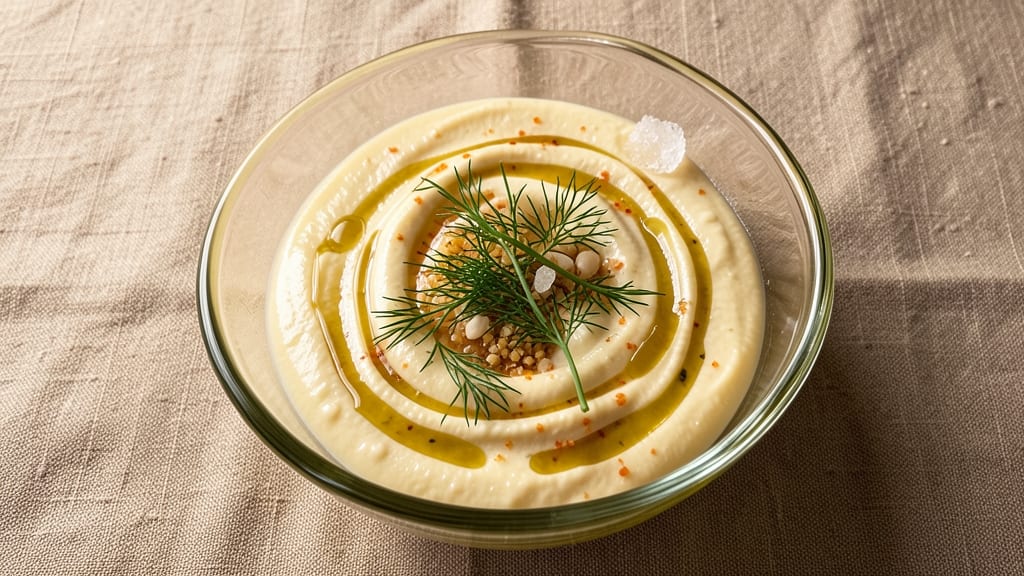
This Boursin salad dressing recipe transforms simple ingredients into a velvety, herb-infused sauce that skips the extra oil yet delivers rich, creamy depth. The secret lies in blending Boursin cheese with Dijon mustard and fresh herbs—no emulsifiers or complicated techniques required.
I developed this recipe after craving a lighter dressing that still packed bold flavor, and it quickly became my go-to for everything from crisp salads to hearty sandwiches.
The magic happens when you whisk together the Boursin with Dijon mustard, fresh dill, and a splash of apple cider vinegar. The mustard acts as a natural emulsifier, binding the cheese and creating a smooth, stable dressing without the need for heavy cream or excessive oil.
This version stays creamy for days in the fridge, making it perfect for meal prep.
What you’ll end up with is a dressing that’s tangy, herby, and rich—ideal for tossing with greens, drizzling over grilled chicken, or spreading on crostini. The Boursin’s natural garlic and shallot notes shine through, while the herbs add freshness that cuts through richer ingredients.
It’s the kind of dressing that elevates simple meals into something special without overpowering them.
For extra versatility, try swapping dill for tarragon or adding a pinch of smoked paprika for depth. Store it in an airtight container for up to a week, or freeze for longer shelf life.
Whether you’re dressing a salad or using it as a dip, this recipe delivers restaurant-quality flavor with minimal effort.
Ingredients for boursin salad dressing
Eight simple ingredients blend into a velvety dressing that rivals store-bought but tastes fresher.
| Ingredient | Amount | Notes |
|---|---|---|
| Boursin Cheese 🧀 | ½ cup | Soft herbed variety preferred |
| Dijon Mustard 🌶️ | 2 tbsp | High-quality for tangy flavor |
| Fresh Dill 🌿 | ¼ cup | Finely chopped, stems removed |
| Apple Cider Vinegar 🍏 | 1 tbsp | For tangy brightness |
| Extra-Virgin Olive Oil 🫒 | ¼ cup | Light touch for silkiness |
| Granulated Sugar 🍚 | 1 tsp | Balances acidity |
| Salt 🧂 | ½ tsp | Diamond Crystal preferred |
| Black Pepper 🌶️ | ¼ tsp | Freshly cracked |
| Garlic Cloves 🧄 | 1 clove | Minced, for subtle depth |
The Boursin is the star—herbed variety adds natural flavor without extra herbs. Grab the 8 oz tub from Whole Foods or any grocery store's deli section. If you can't find Boursin, herbed cream cheese mixed with a pinch of garlic powder works in a pinch. The Dijon mustard should be bright yellow, not pale—that means it's fresh. For the dill, farmers market bunches stay fresher longer than the grocery store containers. If you're using dried dill, cut the amount to one-third since it's more concentrated.
No Dijon? Yellow mustard thinned with a splash of vinegar mimics the tang. Swap dill for tarragon or chives if you prefer different herbal notes. Want extra richness? Add 1 tbsp sour cream or 1 oz goat cheese. The olive oil is just for silkiness—don't skip it entirely, but don't overdo it. For a smoky twist, add a pinch of smoked paprika. If your vinegar tastes harsh, balance it with an extra pinch of sugar. The garlic clove is optional but adds subtle depth that complements the Boursin's natural flavors.
This dressing keeps beautifully—up to 1 week in the fridge sealed tightly. For longer storage, portion into ice cube trays, freeze, then transfer to a bag. Thaw overnight in the fridge. If it separates, just whisk vigorously. The flavor actually improves after 24 hours as the ingredients meld. Store in a glass jar to preserve freshness. Use within 3 months if frozen. A little goes a long way—start with 1 tbsp per salad and adjust to taste.
Why You'll Love This Recipe
- Five-Ingredient Magic: I swear by this combo—just blend, drizzle, and boom, flavor explosion. No measuring cups, no stress, and honestly? The Boursin’s herby richness cuts through the mustard’s bite like it was made for each other.
- Tangy-Creamy Balance: That apple cider vinegar gives it a bright kick, but the Boursin softens it into something silky. Fresh dill? It’s the secret weapon—bright, grassy, and just enough to make this dressing feel like a hug for your greens.
- Weeknight Workhorse: Dress a simple salad for lunch, toss it with grilled chicken for dinner, or even drizzle it over roasted potatoes. Between us, I’ve used it on everything from charcuterie boards to lazy weekend breakfasts—no judgment if you do too.
- Leftovers That Shine: Make a big batch—it keeps for days in the fridge, and the flavors actually deepened after sitting overnight. I’ll be real: I’ve had moments where I forgot to eat lunch and just spooned it straight from the jar. (Don’t tell my dietitian.)
Step-by-step instructions for Boursin salad dressing
This creamy, herb-infused dressing comes together in minutes with no extra oil needed.
Prepare the Herb Base
In a small bowl, combine the 0.25 cup finely chopped fresh dill with the minced 1 clove garlic. This herb mixture forms the aromatic foundation of the dressing. I like to press the garlic with the flat side of my knife first to release its oils before mincing—this ensures maximum flavor extraction. Let the mixture sit for 2 minutes while you prepare the remaining ingredients. The garlic will soften slightly, making it easier to blend later.
While the herbs marinate, transfer the 0.5 cup Boursin Cheese to a food processor or blender. The soft, herbed variety is ideal here as it naturally contains herbs that complement the fresh dill. If using a different type, be sure to adjust the seasoning later to taste. The Boursin will form the creamy base of our dressing, so its quality matters most in this step.
Blend Wet Ingredients
Add the 2 tbsp Dijon Mustard, 1 tbsp Apple Cider Vinegar, 1 tsp Granulated Sugar, 0.5 tsp Salt, and 0.25 tsp Black Pepper to the food processor with the Boursin Cheese. The Dijon mustard provides that signature tangy depth, while the vinegar brightens the flavor profile. The sugar might seem unusual, but it balances the acidity beautifully—think of it as a subtle sweetness that rounds out the sharpness.
Pulse the mixture 2-3 times until everything is combined but still slightly chunky. Over-blending at this stage can turn the dressing into a paste. You want to see small specks of mustard and herbs still visible. This texture ensures the dressing remains silky rather than thick and heavy. If using a blender, scrape down the sides with a spatula to ensure even blending.
Incorporate Olive Oil and Herbs
With the processor running on low speed, slowly drizzle in the 0.25 cup Extra-Virgin Olive Oil. This gradual addition prevents the dressing from separating. The oil should emulsify with the other ingredients, creating a smooth, velvety texture. If the mixture looks too thick, add 1-2 teaspoons of water to reach your desired consistency—this dressing should coat the back of a spoon but still pour easily.
Add the prepared herb mixture (dill and garlic) and pulse just until combined. The dressing should now have a vibrant green hue from the fresh dill and a subtle garlic aroma. Taste and adjust seasoning if needed—this is where the magic happens. If it needs more acidity, add a pinch more vinegar. If it's too sharp, a tiny bit more sugar helps balance it. The dressing should be tangy, herby, and just slightly sweet with a creamy finish.
Rest and Serve
Transfer the dressing to a clean jar or airtight container. Let it rest at room temperature for 10-15 minutes before using. This resting period allows the flavors to meld and the texture to stabilize. The dressing will thicken slightly as it sits, which is perfect for drizzling over salads or tossing with greens.
Give it a final stir before serving to ensure all ingredients are evenly distributed. This dressing pairs beautifully with mixed greens, grilled vegetables, or as a dip for crusty bread. For best results, use within 5 days when stored in the refrigerator. If you notice any separation after refrigeration, simply give it a good stir—the flavors will come back together beautifully.
Pro Tips For Making Boursin Salad Dressing
- SOFTEN THE BOURSIN FIRST: Take the Boursin out of the fridge 10 minutes before using—it’s creamier and blends smoother. I used to force it straight from the fridge, and the dressing always looked lumpy, no matter how much I stirred. Room temp makes all the difference, especially if you’re not using a food processor.
- WHISK THE MUSTARD: Mix the Dijon mustard with the vinegar first, then slowly drizzle in the olive oil while whisking vigorously. This emulsifies the dressing right away instead of leaving you with a split layer. I learned this after three failed batches where the oil just sat on top like a lazy puddle.
- CHOP THE DILL FINE: Pulse the fresh dill in a food processor for 2-3 seconds—just enough to break it down without turning it into paste. Whole sprigs sink to the bottom; finely chopped dill distributes evenly. If you’re chopping by hand, aim for rice-sized pieces, not confetti.
- USE COLD OIL: Chill the extra-virgin olive oil in the fridge for 20 minutes before adding it to the mixture. The cooler oil blends better with the Boursin and mustard, preventing the dressing from separating later. Yes, it’s an extra step, but the texture stays silky for hours—not that greasy split you get when everything’s too warm.
Essential equipment for boursin salad dressing
Food Processor
This is the star tool for your Boursin dressing—it blends ingredients smoothly without overworking them. I recommend a mini food processor like the Cuisinart Mini-Prep Plus ($50) for small batches or a full-size KitchenAid ($150) if you make dressings often.
The key is a sharp blade to emulsify the oil properly. For hand blending, a high-quality immersion blender like the Ninja QP1201 ($30) works too, but requires more attention to speed control. 💫
Measuring Tools
Precision matters with dressings—use a stainless steel measuring cup set (like OXO Good Grips) for accuracy with the 0.25 cup olive oil and 0.5 cup Boursin. For the 2 tbsp Dijon mustard, a small silicone spatula helps scrape every last drop.
I keep a digital kitchen scale ($20) nearby to verify measurements when experimenting with variations. A fine-mesh strainer ($10) catches any herb stems if you prefer ultra-smooth texture.
Whisk or Fork
A balloon whisk ($8) or sturdy fork works for hand-mixing if you prefer not to use a processor. Whisking helps incorporate air, creating a lighter texture. For the herb base, a microplane ($12) is perfect for finely grating garlic and zesting citrus if you add variations.
I also keep a small mixing bowl (like Pyrex 8-cup) for combining ingredients before blending. The whisk's flexibility lets you adjust consistency mid-process.
Storage Containers
Use amber glass jars (like Le Parfait 8oz) to preserve freshness—light degrades dressing quality. For meal prep, I divide into 4-ounce portion jars to control usage. A vacuum sealer ($40) extends shelf life to 3 months by removing air.
For freezing, silicone ice cube trays ($10) make perfect single-serving portions. Label containers with dates using a waterproof marker—this dressing's flavor peaks after 24 hours but declines after 7 days.
Optional Upgrades
For professional results, add a thermometer ($15) to monitor oil temperature if you're experimenting with heated emulsification. A mortar and pestle ($25) helps crush fresh herbs more finely. For texture control, I keep xanthan gum ($10) on hand—just ¼ tsp thickens without altering flavor.
The Boursin cheese should be at room temperature before blending for best results, so I keep a small cooling rack ($12) handy to speed up softening.
Nutrition facts
Frequently asked questions
Can I make this dressing without a food processor?
Whisk all ingredients together in a bowl, starting with the Boursin and Dijon mustard. Gradually add the olive oil while whisking continuously to help emulsify. For extra silkiness, use an immersion blender if you have one. The texture will be slightly chunkier but still delicious!
How do I adjust the thickness of this dressing?
If it's too thick, thin with 1 teaspoon of water at a time. For a thicker version, add 1 tablespoon of sour cream or reduce the olive oil slightly. The dressing should coat the back of a spoon but still pour smoothly. Adjust gradually to avoid over-diluting.
What are the best pairings for this dressing?
This creamy, herby dressing shines with mixed greens, grilled chicken, or roasted vegetables. Try it on avocado toast, as a dip for baguette slices, or drizzled over cold pasta salads. The tangy notes also complement smoked salmon or charred corn beautifully.
Why did my dressing separate after refrigerating?
Separation happens when oil and liquid ingredients split. Simply stir or whisk vigorously before using—it should re-emulsify. To prevent this, ensure all ingredients are at room temperature before blending. For extra stability, add ¼ teaspoon of xanthan gum when making future batches.
Can I substitute Boursin with another cheese?
Yes! Use herbed cream cheese (add ½ teaspoon garlic powder) or goat cheese (reduce liquid by 1 tablespoon). For a lighter option, try ricotta mixed with lemon zest. The key is balancing the tang—adjust vinegar or mustard to taste after blending.