Side Dishes
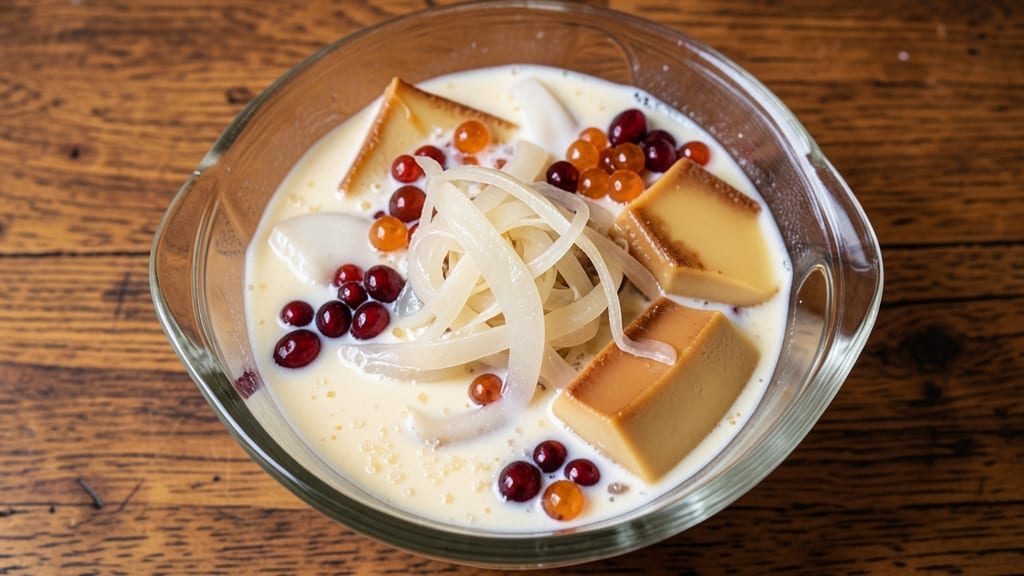
This buko salad Pinoy recipe delivers the perfect balance of sweet, creamy, and crunchy textures that make it a beloved Filipino dessert. The star is tender young coconut (buko), simmered in a rich syrup that caramelizes beautifully, creating a dish that's both nostalgic and impressively quick to prepare.
What sets this version apart is the layering technique—each ingredient, from creamy leche flan to chewy kaong, adds depth while maintaining that signature tropical crunch.
The magic happens in the syrup, where coconut milk and sugar transform into a glossy, golden liquid that clings to every piece of buko.
This recipe keeps the traditional elements—like sweetened young coconut and pearl-like kaong—but streamlines the process so you can have a restaurant-worthy dessert ready in just 15 minutes. The key is patience during the syrup stage; letting it reduce slowly ensures a perfect balance of sweetness and texture.
What you'll end up with is a vibrant, layered dessert that's as visually appealing as it is delicious. The buko remains tender and slightly chewy, the leche flan adds velvety creaminess, and the kaong provides a satisfying bite.
This is the kind of dessert that feels indulgent yet light, perfect for gatherings or as a refreshing treat on its own.
For an extra touch, garnish with toasted coconut flakes or a sprinkle of crushed macadamia nuts. The presentation matters just as much as the taste—serve in clear glasses or bowls to showcase the beautiful layers.
This recipe is your gateway to making authentic Filipino buko salad at home, with all the comfort and crunch you remember.
Ingredients for buko salad pinoy
Sweet buko, creamy leche flan, and chewy kaong—this Filipino dessert is all about tropical crunch and nostalgic flavors.
| Ingredient | Amount | Notes |
|---|---|---|
| Young Coconut (Buko) 🥥 | 2 cups | Freshly shaved, tender pieces |
| Coconut Milk 🥥 | 13 ½ oz | Full-fat, canned variety |
| Granulated Sugar 🍚 | 1 ½ cups | White or brown preferred |
| Leche Flan 🧀 | 1 ½ cups | Store-bought or homemade |
| Kaong (Gulaman) 🍬 | ½ cup | Dried, chewy pearls |
| Gelatin 🍬 | 2 tsp | Unflavored, powdered |
| Water 💧 | ½ cup | Room temperature |
| Toasted Coconut Flakes 🥥 | ¼ cup | For garnish, optional |
| Crushed Macadamia Nuts 🌰 | ¼ cup | For garnish, optional |
| Lime Juice 🍋 | 1 tbsp | Freshly squeezed |
| Vanilla Extract 🌿 | ½ tsp | Pure vanilla preferred |
| Salt 🧂 | ¼ tsp | Fine sea salt |
The buko is non-negotiable—freshly shaved makes all the difference. Asian markets usually carry the best quality, but if you can't find it, frozen buko works in a pinch (thaw and drain well). The coconut milk? Full-fat, canned is essential—it adds that rich, creamy texture. For the kaong, dried pearls are sold in bulk at Filipino grocery stores or online. If you can't find them, agar-agar pearls are a decent substitute, though they won't be as chewy.
No leche flan? Custard or pudding works in a bind, but it won't have that same velvety texture. The gelatin is key for setting the kaong—unflavored powdered is best, but you can use sheets if you prefer. For the syrup, brown sugar adds depth, but white sugar works too. If you're feeling fancy, add a splash of coconut extract to the syrup for extra coconut flavor. The lime juice brightens everything up—don’t skip it!
This dessert keeps beautifully in the fridge for 3-4 days, though it’s best enjoyed fresh. For a make-ahead option, prep the syrup and kaong mixture a day ahead, then layer everything just before serving. Garnish with toasted coconut flakes or crushed macadamia nuts right before eating—they add that perfect crunch. Serve in clear glasses to showcase the vibrant layers, and watch it disappear fast!
Why You'll Love This Recipe
- No Chopping Needed: I swear by this—just scoop out the buko, slice the leche flan, and toss in the kaong. No knife skills required, just a spoon and a bowl. Honestly, my lazy Sundays thank me every time.
- Sweet-Creamy Magic: That perfect balance of coconut milk’s richness and sugar’s caramelized bite? It’s like dessert and a snack had a lovechild. The buko’s crunch against the flan’s silky texture? Chef’s kiss.
- Party in a Bowl: Serve it chilled at birthdays, potlucks, or even as a no-fuss dessert after dinner. Between us, I’ve used it to impress in-laws and keep kids happy at family gatherings—zero stress, all win.
- Leftovers? Better Than New: This stuff actually tastes better the next day. The flavors meld, the buko soaks up the syrup, and the kaong gets even more satisfying to pop. I make a double batch just so I can reheat portions all week.
Step-by-step instructions for buko salad Pinoy recipe
Here's how to make this creamy, crunchy Filipino classic in record time.
Bloom the Gelatin with Water
In a small bowl, combine the 2 teaspoons gelatin with the ½ cup water. Let it sit for 5 minutes while you prepare the other ingredients. You'll see the gelatin granules transform into a wobbly, jelly-like substance—this is your thickening agent.
Don't rush this step. If you try to use dry gelatin straight in hot mixtures, it won't dissolve properly and will create clumps. The water should be room temperature, not cold, to help the gelatin activate fully. Stir occasionally to ensure even hydration.
Mix the Sweet Coconut Base
In a large mixing bowl, combine the 2 cups young coconut (buko), 13.5 oz coconut milk, 1.5 cups granulated sugar, ½ cup kaong (gulaman), 1.5 cups leche flan, 1 tablespoon lime juice, ½ teaspoon vanilla extract, and ¼ teaspoon salt. Stir gently but thoroughly until everything is well incorporated.
This is where the magic begins. The coconut milk should start to coat all the ingredients, creating a sweet, creamy base. If you're using store-bought leche flan, give it a quick stir to break up any large lumps. The kaong should be fully submerged—this ensures they rehydrate properly and become chewy rather than dry.
Warm the Mixture Gently
Transfer the mixture to a medium saucepan and place it over medium-low heat. Stir constantly for 5-7 minutes until the sugar dissolves completely and the mixture reaches 160°F. You'll see tiny bubbles forming around the edges and the mixture will look smooth and glossy.
Watch the temperature carefully—don't let it boil. If you see any signs of boiling, reduce the heat immediately. The goal is to gently warm the mixture enough to dissolve the sugar and activate the gelatin without cooking the coconut pieces too much. The texture should be like a thick, warm pudding.
Incorporate the Bloomed Gelatin
Remove the saucepan from heat and let it cool slightly for 2 minutes. Then, slowly stir in the bloomed gelatin mixture. The heat from the warm base will melt the gelatin completely, creating a silky, creamy texture. Stir until fully combined and smooth.
Here's the thing—this is the step that makes or breaks your buko salad. If you add the gelatin too early while the mixture is still hot, it won't dissolve properly. If you add it too late when the mixture has cooled completely, the gelatin won't activate fully. Aim for that warm-but-not-hot stage where it's just right.
Chill and Set the Buko Salad
Transfer the mixture to a serving bowl or individual ramekins. Cover with plastic wrap and refrigerate for at least 4 hours or until completely set. The longer it chills, the firmer and more delicious it becomes. For best results, let it set overnight.
During this time, the gelatin will firm up, creating that perfect creamy yet slightly jiggly texture. You'll know it's ready when a spoon stands up straight in the center without falling over. This is also when all the flavors meld together—sweet, creamy, and just a hint of tangy lime.
Garnish and Serve
Once fully chilled, top with ¼ cup toasted coconut flakes and ¼ cup crushed macadamia nuts. Serve immediately or store in the refrigerator for up to 3 days. The contrast of the warm, toasted garnishes against the cool, creamy buko salad is what makes this dessert truly special.
When serving, use a spoon to scoop out generous portions. The texture should be creamy with tender coconut pieces, chewy kaong, and a smooth leche flan base. Each bite should be a perfect balance of sweet, creamy, and crunchy—this is the Filipino comfort dessert at its finest.
Pro Tips For Making Buko Salad Pinoy
- CHILL THE BUKO: Skip the warm buko—cold young coconut stays crisp and doesn’t turn mushy. Rinse the shredded buko under cold water first, then soak it in an ice bath for 10 minutes before mixing. (Yes, even if you’re impatient like me, this makes a real difference.)
- DRAIN THE GULAMAN: Soak kaong (gulaman) in warm—not boiling—water for 20 minutes, then drain thoroughly. The extra water in the salad makes it soggy, and nobody wants a watery dessert. Pat them dry with a paper towel if needed.
- STIR THE SYRUP NOW: Mix the sugar and coconut milk before adding the buko. Heating it lightly (just until sugar dissolves) prevents grainy texture later. I learned this the hard way—lumpy syrup ruins the whole dish.
- USE FRESH LECHE FLAN: Store-bought flan is fine, but homemade or freshly chilled flan holds its shape better in the salad. Cut it into ½-inch cubes and toss them in just before serving—this keeps the texture creamy, not melty. (Your future self will thank you.)
Health benefits of these flavors
Tropical Energy Boost
This buko salad is packed with natural energy from young coconut (buko), which provides electrolytes like potassium and magnesium—perfect for hydration and muscle function. The coconut milk adds medium-chain triglycerides (MCTs), known for quick energy conversion and brain function support.
I always feel a natural lift after eating this, especially on hot days when I need that tropical refreshment. 🌴
Protein for Satisfaction
While not a high-protein dessert, the leche flan and kaong contribute small amounts of protein that help with satiety. The gelatin in the kaong actually contains collagen peptides, which support skin elasticity and joint health.
It’s a sneaky way to get some protein while enjoying a sweet treat—great for post-workout recovery when paired with a protein shake.
Gut-Friendly Fiber
The kaong (gulaman) and young coconut provide soluble fiber, which supports digestive health and keeps you feeling full longer. The fiber in buko helps regulate blood sugar levels, making this dessert surprisingly balanced for something so sweet.
I’ve noticed my digestion stays smoother when I include buko salad in my weekly treats. 💚
Natural Sweetness
Unlike many desserts loaded with refined sugar, this buko salad uses natural coconut sugar and fresh lime juice for sweetness and acidity. The vanilla extract adds flavor without extra calories, making it a guilt-free indulgence.
The sugar content is balanced by the fiber and protein, so you won’t experience that dreaded sugar crash afterward.
Antioxidant-Rich Ingredients
The toasted coconut flakes and macadamia nuts add polyunsaturated fats and vitamin E, which act as antioxidants to combat free radicals. Even the lime juice contributes vitamin C, boosting your immune system.
It’s one of those desserts where every ingredient actually works for your body—not just your taste buds. 🍋
Light Yet Filling
Despite its creamy texture, buko salad is surprisingly light, making it ideal for those watching their calorie intake. A single serving contains around 250-300 calories, depending on toppings, but the fiber and protein keep you satisfied.
I often serve it after dinner as a palate cleanser—it’s refreshing without weighing me down. Perfect for summer gatherings when you want something sweet but not heavy. ✨
Nutrition facts
Frequently asked questions
Can I make buko salad without leche flan?
Yes! If you can't find leche flan, substitute with 1.5 cups of vanilla pudding or custard for a similar creamy texture. For extra richness, add 1 tablespoon coconut cream to mimic the flan's velvety mouthfeel. The key is maintaining that creamy base—just ensure your substitute is well-chilled before layering.
How do I find fresh young coconut (buko) if my local store doesn't carry it?
Check your local Asian grocery store—they usually stock fresh buko in the refrigerated section. If unavailable, frozen buko works too: thaw overnight in the fridge, drain well, and pat dry before using. For a shortcut, canned young coconut (drained) can be substituted, though it won't have the same texture.
Why did my buko salad turn out too runny?
This usually happens if the gelatin didn't set properly. Make sure you bloomed the gelatin correctly (5 minutes in water) and added it to a warm (not hot) mixture. Also, ensure your buko salad chilled for the full 4 hours—rushing the setting time prevents proper thickening. For a quick fix, sprinkle extra gelatin over the top and let it set again.
Can I make this dessert ahead of time?
Prep the syrup and kaong mixture a day ahead, then store in an airtight container in the fridge. When ready to serve, simply layer the ingredients and chill for 2-3 hours before adding toppings. This makes it perfect for potlucks or gatherings—just assemble and serve. The flavors actually improve overnight!
What's the best way to serve buko salad?
For maximum visual appeal, serve in clear glass bowls or individual cups to showcase the vibrant layers. Garnish with toasted coconut flakes and crushed macadamia nuts right before serving for that satisfying crunch. For a restaurant-style presentation, use layered dessert glasses and add a sprinkle of edible gold leaf if you're feeling fancy!