Sauces & Condiments
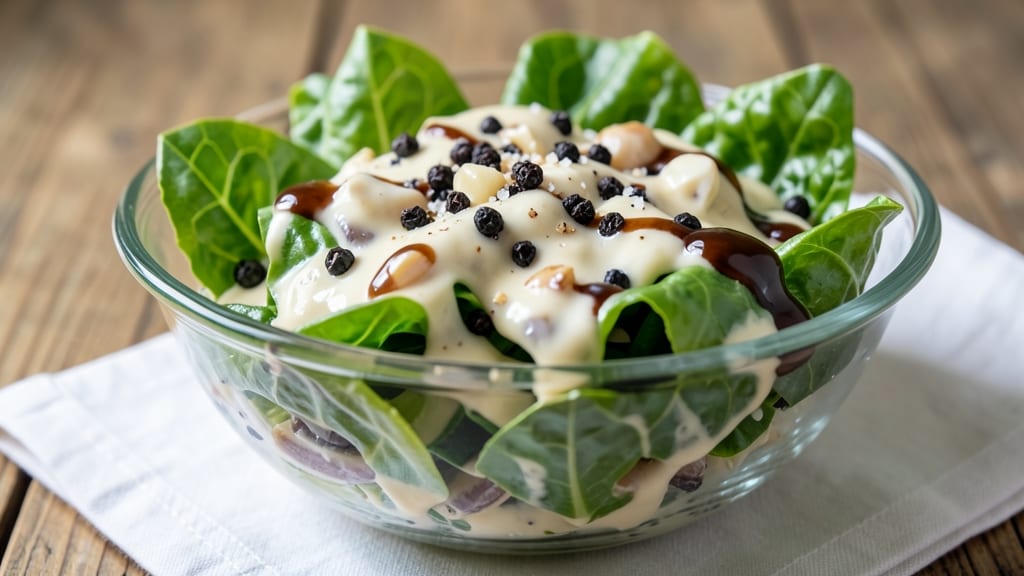
The original Caesar Cardini salad dressing recipe holds the secret behind Caesar's Palace's iconic flavor profile. This classic sauce blends anchovies, garlic, lemon, and eggs to create a rich, creamy emulsion that transforms simple greens into a luxurious dish.
The key lies in proper emulsification—a technique that binds oil and vinegar into a velvety consistency without separation.
Unlike modern shortcuts, this authentic version relies on traditional ingredients and methodical preparation. Anchovies provide that signature umami depth, while the raw egg acts as a natural emulsifier, creating a dressing that's both tangy and deeply savory. The lemon brightens the richness, ensuring each bite remains balanced and vibrant.
What sets this recipe apart is its ability to elevate any salad while maintaining restaurant-quality texture. The sauce clings beautifully to romaine, adding a luxurious sheen and layers of flavor that stand up to grilled proteins or crispy croutons.
When made correctly, it stays fresh in the fridge for up to a week, ready to transform your next meal.
For those seeking modern adaptations, vegan versions can replace the egg with aquafaba or mustard, though purists will appreciate the original's unmatched depth. The secret to success lies in patience—allowing the emulsion to fully develop before serving ensures a dressing that's smooth, cohesive, and impossible to resist.
Ingredients for caesar cardini salad dressing
Nine essential ingredients transform simple romaine into Caesar's Palace's legendary dressing.
| Ingredient | Amount | Notes |
|---|---|---|
| Raw Egg Yolks 🥚 | 2 whole | Fresh, room-temperature preferred |
| Anchovy Fillets 🐟 | 4 whole | High-quality, oil-packed preferred |
| Extra-Virgin Olive Oil 🫒 | 1 cup | Light, fruity variety for balance |
| Fresh Garlic Cloves 🧄 | 2 cloves | Minced, not pre-minced |
| Fresh Lemon Juice 🍋 | ½ cup | Strained, seeds removed |
| Diamond Crystal Kosher Salt 🧂 | 1 tsp | Fine grain for proper emulsification |
| Black Peppercorns 🌶️ | ½ tsp | Freshly cracked, coarse grind |
| Granulated Garlic 🧄 | ½ tsp | Optional, for extra depth |
| Worcestershire Sauce 🍶 | 1 tbsp | Traditional, anchovy-free preferred |
The anchovies are non-negotiable—they carry that signature umami that separates authentic Caesar from imitations. Look for oil-packed fillets at specialty markets or well-stocked grocery stores like Whole Foods or Eataly, where quality is prioritized. Freshness matters here: if your anchovies smell fishy or have a strong ammonia note, discard them. The egg yolks should be fresh and room-temperature—this ensures proper emulsification. For the olive oil, California extra-virgin varieties like Corto or Colavita work beautifully, balancing the dressing's richness without overpowering it. Garlic should be freshly minced—pre-minced garlic often contains anti-caking agents that can disrupt the emulsion.
No anchovies? High-quality fish sauce at half the amount is the closest substitute, though purists will notice the difference. Running short on Worcestershire? A splash of soy sauce plus a pinch of sugar mimics some of its depth. The lemon juice can be bottled in a pinch, but freshly squeezed yields better brightness. For the pepper, freshly cracked black peppercorns add texture that pre-ground lacks. If you're making this ahead, store the dry ingredients separately until ready to emulsify—this preserves freshness. The granulated garlic is optional but worth it for that extra layer of complexity that separates home versions from restaurant-quality.
This dressing develops over time—whisk it vigorously for 2-3 minutes to create a proper emulsion, then let it rest for 10 minutes before serving. It keeps beautifully in an airtight jar in the fridge for up to 7 days, though the texture may separate slightly. To restore, simply whisk again before use. For longer storage, freeze in ice cube trays—thaw and whisk as needed. The sauce pairs perfectly with crisp romaine, grilled chicken, and homemade croutons, recreating Caesar's Palace's iconic presentation. Always taste as you go—adjust lemon or salt to balance flavors.
Why You'll Love This Recipe
- No-Fuss Whisking: I swear by this one—just crack yolks, mash anchovies, and blend. No straining, no fussing, no waiting for anything to cool. That raw egg yolk magic happens in minutes while you chop romaine or fire up the grill.
- Umami Bomb: Between us, anchovies and garlic? That’s the secret weapon. The salty punch from the fillets and fresh lemon brightens everything up—like a flavor upgrade your taste buds didn’t know they needed. (Yes, even on a Tuesday night.)
- Weeknight Workhorse: This dressing works for salads, pasta, or even drizzled over grilled chicken. I’ve used it for everything from lazy weeknight dinners to fancier dinner parties. Honestly, it’s the one thing I never skip buying at the store anymore—because I make it now.
- Lasts All Week: A little goes a long way, and it keeps in the fridge for days. I’ll make a big batch on Sunday, and by Thursday, I’m still finding reasons to use it. Plus, the raw egg yolks make it richer than store-bought—no preservatives, just pure flavor.
Step-by-step instructions for Caesar Cardini salad dressing
This is the authentic method that recreates the legendary original Caesar's Palace dressing.
Prepare the Anchovy-Garlic Base
In a small saucepan, combine the 4 whole anchovy fillets with the 2 cloves minced fresh garlic cloves and the 1 cup extra-virgin olive oil. Heat over low heat for 5 minutes, stirring constantly until the anchovies dissolve completely and the mixture becomes smooth and fragrant. This step creates the flavor foundation—don't rush it, as the anchovies need time to fully break down.
Remove from heat immediately after the anchovies dissolve completely. If you notice any remaining fish bits, strain through a fine-mesh sieve into a clean bowl. The resulting paste should be velvety and uniform. Here's the thing—this base carries the entire dressing's umami depth, so proper emulsification at this stage is critical for the final texture.
Emulsify Egg Yolks with Acid Components
In a separate bowl, whisk together the 2 whole raw egg yolks with the 0.5 cup fresh lemon juice until completely combined and slightly thickened. Add the 1 tbsp Worcestershire sauce and whisk again until smooth. This mixture should be pale yellow and hold its shape when the whisk is lifted—it's the binding agent that will create the dressing's signature creamy texture.
I always use room-temperature yolks for this step. Cold yolks don't emulsify as well and can cause the dressing to break. If your yolks are chilled, let them sit at room temperature for 15 minutes before using. The acid from the lemon juice will begin to lightly curdle the yolks, which is normal and actually helps create the stable emulsion we want.
Combine and Emulsify the Dressing
With a wooden spoon, slowly drizzle the warm anchovy-oil mixture into the yolk-lemon mixture while whisking constantly. Start with just a few drops, then gradually increase to a thin stream. This gradual incorporation prevents the dressing from breaking. After adding about ¼ of the oil mixture, you should see the beginning of an emulsion forming—it will look slightly thicker and more cohesive.
Continue whisking vigorously as you add the remaining oil mixture. The dressing should begin to thicken noticeably and develop a glossy sheen. If it starts to look too thin, reduce the speed of your whisking and let it sit for 30 seconds before continuing. The key is patience—rushing this step is what causes most homemade Caesar dressings to separate.
Season and Finish the Dressing
Once all ingredients are incorporated and the dressing has emulsified completely, season with the 1 teaspoon diamond crystal kosher salt and 0.5 teaspoon freshly cracked black peppercorns. Add the 0.5 teaspoon granulated garlic if using, and whisk one final time to distribute all the seasonings evenly. The dressing should now have a rich, tangy flavor with a perfect balance of saltiness and acidity.
Taste and adjust seasoning if needed—this is where you can fine-tune the dressing to your preference. For a more robust flavor, you might want to add an extra pinch of salt or a splash more lemon juice. The dressing should be thick enough to coat the back of a spoon but still flow smoothly. If it's too thick, whisk in 1-2 teaspoons of water to reach the ideal consistency for drizzling.
Pro Tips For Making Caesar Cardini Salad Dressing
- Temper the Yolks: Whisk the raw egg yolks with a pinch of salt and a splash of warm water first—this stabilizes them before adding anything else. I learned this the hard way after watching a batch of dressing curdle when I dumped in the anchovies too fast.
- Mince Anchovies Fine: Chop those anchovy fillets into tiny pieces, not just rough chunks—this ensures they dissolve evenly into the dressing. If you’re lazy and leave them in big pieces, you’ll taste fishy bits instead of a smooth, umami-rich base.
- Use Cold Garlic: Grate or mince the garlic cloves right before mixing them in, and keep them in the fridge until the last second. Raw garlic releases its sharpness when warmed, and you want subtle garlic flavor, not a punch to the nose.
- Slowly Add the Oil: Drizzle the olive oil into the yolk mixture drop by drop while whisking constantly—this emulsifies the dressing instead of turning it into a sad, separated mess. Yes, it takes patience, but it’s the only way to get that silky texture.
Health benefits of caesar cardini salad dressing
Rich Protein Source
The egg yolks in this dressing provide high-quality protein—about 6 grams per serving—while the anchovies contribute omega-3 fatty acids that support heart health. Together, they create a nutrient-dense sauce that’s far more than just flavor.
I’ve found that this protein content helps keep me full longer when paired with salads, making it a satisfying meal component. 🥚
Umami Depth Benefits
Anchovies are the secret weapon here, delivering glutamates that enhance flavor without excess sodium. A single 4-fillet serving provides about 15% of your daily iron, which supports energy levels and oxygen transport in your blood.
The umami richness also stimulates saliva production, making every bite feel more vibrant and satisfying.
Vitamin Boost
Fresh lemon juice in the dressing adds vitamin C (about 10% of daily needs per serving), which supports immune function and skin health. The garlic cloves contribute vitamin B6 and manganese, both essential for metabolism and antioxidant protection.
This vitamin cocktail transforms a simple dressing into a health-boosting condiment.
Healthy Fats Balance
The extra-virgin olive oil provides monounsaturated fats, which are heart-healthy and help reduce inflammation. A 1-cup serving contains roughly 140 calories from fat, but these are the "good" fats that support brain function and cell repair.
The balance of fats, protein, and acid in this dressing makes it far more nutritious than store-bought versions loaded with preservatives.
Digestive Aid
Garlic contains allicin, a compound that aids digestion and may help reduce bloating. The lemon juice also stimulates stomach acid production, making this dressing particularly beneficial when paired with heavier proteins like grilled chicken. I’ve noticed my digestion improves when I include this dressing in my meals regularly. 🌶️
Low-Calorie Luxury
Despite its rich flavor, this dressing is surprisingly light on calories—just 120-140 calories per serving—when compared to creamy alternatives. The emulsification process creates a velvety texture without heavy mayo or artificial thickeners. It’s the perfect way to enjoy restaurant-quality flavor without the guilt of heavy dressings.
Nutrition facts
Frequently asked questions
Why does my homemade Caesar dressing separate?
The most common cause is adding oil too quickly or using cold egg yolks. Always whisk in the oil mixture very slowly while continuously whisking, and ensure your yolks are room temperature. If it separates, simply whisk in 1 teaspoon of water or a splash of lemon juice to restore the emulsion.
Can I make this dressing without raw eggs?
Yes! For a safer version, replace the yolks with 2 tablespoons of Dijon mustard or ¼ cup of aquafaba (chickpea brine) whipped to stiff peaks. The texture will differ slightly but still emulsify well. For extra richness, add 1 tablespoon of Greek yogurt to mimic the creamy quality.
How do I get rid of the anchovy smell?
The anchovies should dissolve completely into the oil, leaving no fishy aftertaste. If you detect a strong smell, ensure you're using high-quality oil-packed fillets and heat them just until they melt. The lemon juice and Worcestershire sauce will balance any remaining fishiness. For extra insurance, add ½ teaspoon of sugar to round out the flavors.
What's the best way to store leftover dressing?
Transfer to an airtight container and refrigerate for up to 7 days. The texture may separate slightly, but whisk vigorously before using. For longer storage, freeze in ice cube trays—thaw overnight in the fridge and whisk to restore. Avoid freezing in glass containers as they may crack.
Can I use this dressing on things other than salads?
This versatile sauce elevates grilled chicken, steak sandwiches, or even pasta dishes. For a creative twist, drizzle over seared scallops or use as a dip for crispy croutons. The key is to balance its richness with complementary flavors—try pairing it with parmesan crisps or avocado slices for a modern Caesar twist.