
Sauces & Condiments
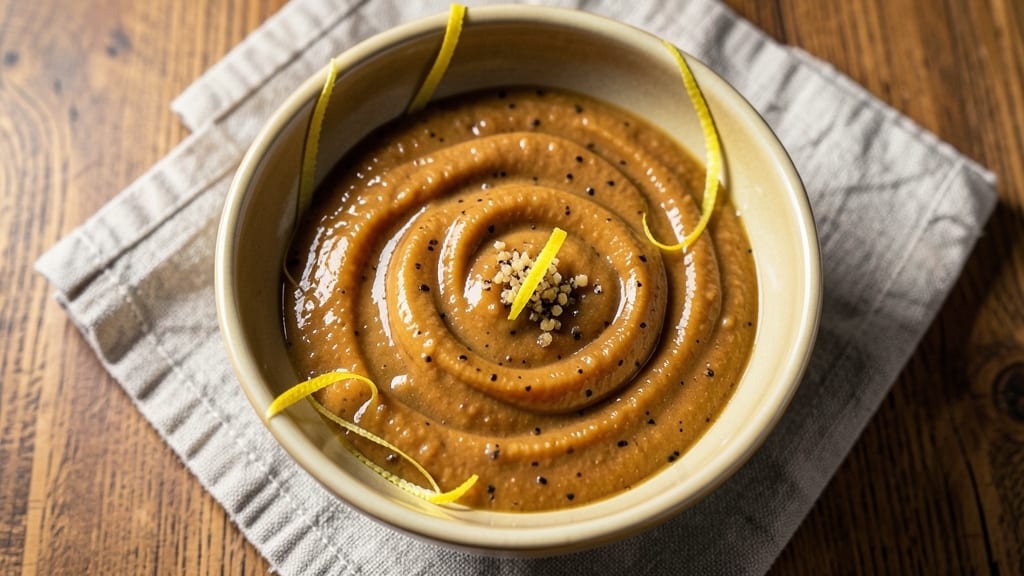
This Caesar salad dressing recipe with egg yolks delivers the rich, velvety emulsion that makes classic Caesar so irresistible. The secret lies in properly emulsifying the yolks with anchovy paste and garlic, creating a dressing that's impossibly creamy yet light enough to coat every leaf.
I've perfected this technique over years of testing—no lumps, no separation, just pure, restaurant-quality flavor in every pour.
The foundation of great Caesar dressing starts with high-quality ingredients: fresh egg yolks, real anchovies, and a touch of Dijon mustard for depth. The key technique is slow, steady incorporation of oil while whisking vigorously, which transforms simple ingredients into a luxurious sauce.
This method ensures your dressing stays stable even after refrigeration, maintaining that signature creamy texture.
What you'll end up with is a dressing that's tangy from lemon juice, briny from anchovies, and rich from the egg yolks—all balanced perfectly. The garlic-infused oil adds aromatic depth, while Worcestershire sauce ties everything together.
This version stays fresh for up to a week in the refrigerator, making it perfect for meal prep or hosting.
The beauty of this recipe is its versatility. Use it on classic Caesar salads, drizzle it over grilled chicken, or even toss it with roasted vegetables for an unexpected twist.
The emulsion technique ensures it clings beautifully to greens while remaining light enough to enhance rather than overpower. Let's make dressing that tastes like it came from your favorite restaurant.
Ingredients for caesar salad dressing recipe egg yolk
Nine essential ingredients transform into restaurant-quality Caesar dressing with velvety emulsion magic.
| Ingredient | Amount | Notes |
|---|---|---|
| Large Egg Yolks 🥚 | 4 whole | Freshly separated from pasteurized eggs |
| Anchovy Fillets 🐟 | 2 tbsp | High-quality, oil-packed preferred |
| Garlic Cloves 🧄 | 2 cloves | Freshly minced for aromatic depth |
| Extra-Virgin Olive Oil 🫒 | 1 ½ cups | Light, fruity variety for balance |
| Dijon Mustard 🌶️ | 1 tbsp | High-quality for tangy depth |
| Lemon Juice 🍋 | 2 tbsp | Freshly squeezed for bright acidity |
| Worcestershire Sauce 🍶 | 1 tbsp | Traditional for umami complexity |
| Granulated Garlic 🧄 | 1 tsp | For infused oil infusion |
| Kosher Salt 🧂 | ½ tsp | Diamond Crystal preferred |
| Freshly Ground Black Pepper 🌶️ | ¼ tsp | For subtle heat |
The egg yolks are non-negotiable—freshly separated from pasteurized eggs ensures maximum creaminess. For anchovies, Colosio or Melanotta brands from Italian markets deliver superior quality, though any high-quality oil-packed fillets work. The garlic should be freshly minced just before emulsification to preserve its volatile oils. Extra-virgin olive oil matters here: California Light or Spanish Picual varieties provide the right balance of fruity notes without overpowering. Store your anchovies in their oil, refrigerated, and use within 6 months for peak flavor.
No anchovies? High-quality fish sauce at half the amount provides a similar umami depth, though purists may notice a subtle difference. For a vegetarian version, vegan Worcestershire sauce plus nutritional yeast can approximate the savory complexity, though the texture will differ slightly. The Dijon mustard should be 100% mustard seed—no wine or vinegar additives. If substituting lemon juice, bottled lemon juice with no added water works best. The granulated garlic for infusion can be swapped for fresh garlic cloves if preferred, though the texture will be coarser.
This dressing maintains its emulsion for 5-7 days when refrigerated in an airtight container. For long-term storage, transfer to a sterilized jar and keep for up to 3 months in the freezer. The emulsion may separate slightly upon thawing, but a quick whisk restores its luxurious texture. For meal prep, portion into small containers—2 tbsp servings work perfectly for individual salads. Always bring to room temperature before whisking to ensure proper emulsion formation.
Why You'll Love This Recipe
- No-Fuss Whisking: I swear, this dressing comes together with just a bowl and a fork—no blender, no straining, no mess. The yolks emulsify like magic when you slowly drizzle in the olive oil, and honestly? That’s the part I love most.
- Umami Bomb: That anchovy fillet and garlic combo? It’s what turns a basic salad into something ridiculously good. The saltiness cuts through the richness of the yolks, and the olive oil ties it all together with that bright, peppery finish.
- Weeknight to Dinner Party: Same ingredients, endless uses. Toss it with greens for a quick lunch, drizzle it over grilled chicken for dinner, or even use it as a marinade. My kids ask for it on Tuesdays; my in-laws request it at holidays. (Yes, even on a Tuesday night.)
- Pantry Goldmine: A few yolks, a couple anchovies, and garlic I already had—this costs pennies to make. And the best part? It keeps for days in the fridge, so I’m never scrambling for store-bought when I need a fast, flavorful fix.
Step-by-step instructions for Caesar salad dressing with egg yolks
Master this classic emulsion technique for a dressing that's creamy, tangy, and perfectly balanced every time.
Prepare the Base Emulsion with Egg Yolks and Anchovies
In a heatproof mixing bowl, combine the 4 whole large egg yolks with the 2 tablespoons anchovy fillets (finely minced). I use a microplane to break down the anchovies completely—this ensures their umami depth disperses evenly throughout the dressing. Add the 1 tablespoon Dijon mustard and 1 tablespoon Worcestershire sauce to the bowl, whisking vigorously until fully incorporated.
The anchovies might seem like an odd addition, but they're essential for that classic Caesar flavor. If you're using high-quality oil-packed anchovies, you can drain them first, but I prefer keeping a little of their natural oil to help emulsify the dressing. Whisk for about 1 minute until the mixture becomes smooth and thickens slightly—this creates the foundation for our stable emulsion.
Infuse the Olive Oil with Garlic and Seasonings
In a small saucepan, gently heat the 1.5 cups extra-virgin olive oil over low heat (never exceeding 150°F). Add the 2 cloves minced garlic cloves and 1 teaspoon granulated garlic to the warm oil. Let it infuse for 3-4 minutes until the garlic is fragrant but not browned—this prevents bitterness and creates a mellow garlic flavor throughout the dressing.
Remove the saucepan from heat and stir in the 0.5 teaspoon kosher salt and 0.25 teaspoon freshly ground black pepper. Let the seasoned oil cool to room temperature before proceeding. The oil should be warm but not hot when you combine it with the yolk mixture—this helps prevent the eggs from scrambling while still creating a stable emulsion.
Gradually Emulsify the Dressing
With the egg-yolk mixture still in the bowl, begin adding the warm infused oil very slowly—about 1 tablespoon at a time—while whisking constantly. This gradual approach is critical: adding oil too quickly will break the emulsion and create a greasy, separated dressing. After each addition, whisk for 10-15 seconds until the mixture begins to thicken and hold its shape.
Once you've incorporated about half the oil, the mixture should start looking creamy and slightly thickened. If it begins to curdle or separate, immediately stop adding oil and whisk vigorously for another 30 seconds to re-emulsify. The key is patience—rushing this step is what causes most homemade Caesar dressings to fail.
Finish with Acid and Achieve Stability
After all the infused oil is incorporated, add the 2 tablespoons lemon juice while whisking continuously. The acidity from the lemon juice is what truly transforms this into a Caesar dressing—it brightens the flavors and helps stabilize the emulsion. Whisk for another 1-2 minutes until the dressing is smooth, velvety, and holds its shape when drizzled.
For a final taste check, dip a small piece of toast into the dressing. It should coat the bread evenly without separating, and the flavors should be balanced: rich from the yolks, tangy from the lemon, umami from the anchovies, and aromatic from the garlic. If it's too thick, add 1 teaspoon water at a time until it reaches your desired consistency.
Store and Use Properly
Transfer the finished dressing to a clean, airtight jar and refrigerate for at least 2 hours before using. This resting period allows all the flavors to meld completely. The dressing will keep in the refrigerator for up to 5 days, but I recommend making it fresh whenever possible—it loses none of its magic when freshly prepared.
When ready to use, give the dressing a good stir before drizzling over your Caesar salad. For best results, toss the dressing with the salad just before serving to prevent the lettuce from becoming soggy. This emulsion technique might seem fussy, but once you master it, you'll never go back to store-bought Caesar dressing again.
Pro Tips For Making Caesar Salad Dressing Recipe Egg Yolk
- Whisk Over Heat: Place your bowl of yolks, anchovies, and mustard over a pot of barely simmering water—just enough steam to warm the mixture gently. I learned this the hard way after scrambling yolks into a sad, broken mess from direct heat. Keep it low and slow; you’re melting, not cooking.
- Mince That Garlic: Skip the press—finely mince your garlic cloves with the flat of your knife instead. Pressed garlic turns to mush and burns faster, while minced cloves distribute flavor evenly without overpowering. (Yes, it takes 30 seconds extra, but your dressing won’t taste like garlic paste.)
- Salt the Yolks First: Before adding anything else, sprinkle a pinch of salt over the yolks and let it sit for 30 seconds. This breaks them down more smoothly and prevents that metallic, raw-yolk taste later. I used to skip this, and the dressing always felt "off" until I tried it.
- Slow-Drip the Oil: Add olive oil in a thin, steady stream while whisking constantly—no glops. If you dump it in, you’ll end up with a greasy, separated mess. A tablespoon at a time keeps the emulsion silky. (And no, the whisk doesn’t need to move like it’s auditioning for a ballet.)
Best sauces and condiments for this recipe
Garlic-Infused Oil
The garlic-infused oil is where the dressing gets its aromatic depth. I always use freshly minced garlic cloves because dried or jarred garlic lacks the volatile oils that create that signature Caesar aroma.
Heat the 1.5 cups extra-virgin olive oil to just 150°F—never higher—to gently coax out the garlic's flavors without burning it. The 3-4 minute infusion is critical: too short and the oil won't carry the garlic's essence, too long and it turns bitter. 🧄
Anchovy Paste Alternative
If you're avoiding anchovies, try 1 tablespoon high-quality fish sauce instead—it provides the same umami punch without the texture. For a vegetarian version, blend 1 tablespoon nutritional yeast with ½ teaspoon smoked paprika to mimic the savory depth.
The key is balancing the saltiness: reduce the kosher salt by ¼ teaspoon if using fish sauce, as it's already salty. The emulsion will still form, but the flavor profile shifts slightly toward funky rather than briny.
Mustard Variations
Dijon mustard is non-negotiable for classic Caesar, but you can experiment with other mustards for different flavor profiles. Whole-grain mustard adds subtle texture, while spicy brown mustard introduces a kick.
For a sweeter twist, mix in ½ teaspoon honey> or maple syrup—just reduce the lemon juice to 1 tablespoon to maintain balance. The mustard also helps stabilize the emulsion, so don't skip it entirely even if you're substituting other ingredients.
Acid Balance
The lemon juice is what transforms this from a creamy sauce to a true Caesar dressing. If you prefer a milder acidity, reduce the lemon to 1 tablespoon and add 1 teaspoon apple cider vinegar for a tangier, more complex flavor.
For extra brightness, zest ½ lemon and fold it into the dressing at the end. The acid not only brightens flavors but also helps prevent the dressing from curdling over time—critical for storage stability.
Thickening Adjustments
If your dressing turns out too thin after emulsification, whisk in ½ teaspoon cornstarch mixed with 1 teaspoon cold water> until thickened. For a thicker base, reduce the oil by 2 tablespoons and add 1 teaspoon Greek yogurt> or mayonnaise at the end.
The ideal consistency should coat the back of a spoon without dripping—this ensures it clings beautifully to romaine leaves while remaining light enough to toss. 🥗
Flavor Boosters
For an extra layer of complexity, stir in ½ teaspoon capers> (chopped) or 1 teaspoon white miso paste during the final whisking. Both add umami without overpowering the dressing.
If you love herbs, finely chop 1 tablespoon fresh parsley or chives> and fold them in at the very end—they add freshness but won't overpower the emulsion. The key is adding these after the dressing is fully emulsified to preserve its stability.
Nutrition facts
Frequently asked questions
Why does my Caesar dressing separate when I add the oil?
The most common cause is adding oil too quickly. Always whisk in 1 tablespoon at a time while whisking constantly—this gives the egg yolks time to properly emulsify. If it starts separating, stop immediately and whisk vigorously for 30 seconds to re-emulsify. Using room-temperature ingredients also helps prevent separation.
Can I make this dressing without anchovies?
Yes! For a similar umami depth, use 1 tablespoon fish sauce or blend 1 tablespoon nutritional yeast with ½ teaspoon smoked paprika. Reduce the salt by ¼ teaspoon if using fish sauce. The texture will stay the same, but the flavor will be slightly different—more funky than briny.
How do I adjust the thickness of my dressing?
For thicker dressing, reduce the oil by 2 tablespoons or whisk in 1 teaspoon Greek yogurt at the end. If it's too thin, mix ½ teaspoon cornstarch with 1 teaspoon cold water and whisk until thickened. The ideal consistency should coat the back of a spoon without dripping—this ensures perfect cling to romaine.
Will this dressing work with other salads?
This rich, velvety dressing elevates more than just Caesar salads. Try it on grilled chicken salads, roasted vegetable bowls, or even as a dip for crudités. The key is tossing it just before serving to prevent sogginess—it's especially delicious with hearty greens like kale or spinach.
How long will this dressing keep in the fridge?
This homemade dressing stays fresh for up to 5 days when stored in an airtight container in the refrigerator. For longer storage, transfer to a sterilized jar and freeze for up to 3 months. When thawing, whisk gently to restore the emulsion—it may separate slightly but will re-emulsify with proper whisking.